Glasgow’s conference business is on track to make a full
recovery by 2026, according to the head of the city’s convention bureau.
Aileen Crawford said the ‘trajectory was very positive’ and
that forward bookings suggested 2026 could surpass the peak set in 2018-2019,
when the city hosted 160,000 delegates at 530 conferences. In that year conference
business generated around £150m in tourism receipts for the Scottish city.
In the last financial year (2022/23), the bureau registered 333
meetings, which generated £110m for the city, and Crawford said she expected that
figure to rise to 400 meetings for 2023/24.
The city has £207m worth of meetings booked in between now
and 2027.
Most conferences registered through the bureau are
association meetings – 50 per cent domestic and 40 per cent international.
This year the city has benefited from a flurry of repeat
business, welcoming back four European conferences, all of which have previously
met in Glasgow within the last 10 - 20 years.
Crawford said the city’s partnership approach – the bureau and its member venues (including SEC) work closely together on bids - had been
cited by organisers as a reason for returning to the city.
"I think after some of the turbulence of recent years, associations
are looking for that certainty of delivery and being able to secure the numbers
to say that financially the conference will be successful. Service delivery and,
following on from that, the delegate experience, were also cited as factors.
And, specifically to the bureau, I think it’s because we have been able to
offer financial assistance, through grant funding.”
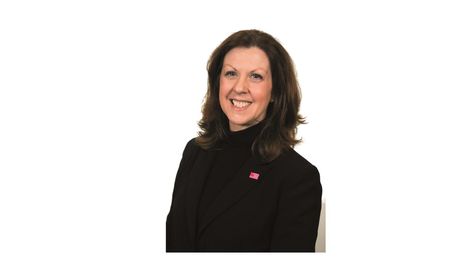 Aileen Crawford Photo Credit: Glasgow Convention Bureau
The bureau offers grants depending on the size of a meeting
and the impact it is expected to have on the city. It also offers a 25
per cent leeway on the funding, in case numbers fall short of expectations.
Tomorrow (June 10) Glasgow welcomes back the European
Society of Human Genetics (ESHG). The Association for Medical Education in
Europe (AMEE), the SPIE Europe Space, Satellite and Sustainability Conference
and the European Conference on Optical Communications (ECOC) are also returning
to the city this year. Together the conferences are expected to deliver £23m in
economic benefit to the city.
While the general signs are positive, Crawford said the
business environment was still challenging.
“As a bureau we work very closely with our members from the hotel
sector, restaurant sector, unusual venues etc, and although they have noticed
an increase in delegates and visitors that has brought in good business their
expenditure is high. So, the cost-of-living crisis that’s hitting our own
private budgets, is the same for our businesses. The hotels have said that
although occupancy is good and revenue per room is good, the costs are so high,
they're really finding it hard to see where the profit margins are coming in. And
it’s the same for restaurants. They’re saying, ‘how can we invest in our
businesses if we aren't making the money?’”
However, for staff working in the sector, things were
looking up.
“We've noticed that the workforce is getting paid more. So,
the reputation of working in the sector, the salary expectation of the sector
in hotels and in venues has improved. And we've also had anecdotal evidence
that those that left the industry during, or because of COVID, are returning to
the tourism sector, which is very positive. All of us working in the sector want
to talk about it in a very positive way, about business events being a career of choice,
and we do a lot of work with our universities locally, speaking to students,
encouraging them to think about business events, and it’s cutting through, but
salary is obviously a key driver for people to work in the industry.”
What the associations say:
Jerome Del Picchia, ESHG executive officer
“Organising a
conference in Glasgow at the Scottish Event Campus now for the second time, has
been a pleasure. During all stages of the organisation, one gets the distinct
feeling that all parties are working together towards a common goal, being able
to achieve the best conference possible. The usual level of service of the SEC
is making one feel wonderfully taken care of. The Glasgow Convention Bureau is
a gem. The city has obviously arrived in the circle of those venues, who
understand the economic value and the importance of international conferences
and do their best to provide the level of support an international organiser is
looking for.”
Simon Blows, event logistics & development manager at the Institute of
Engineering Technology, organisers of ECOC 2023
“The Glasgow Convention Bureau is a friendly, highly
experienced team that offers excellent support to conference organisers. At the
IET we repeatedly go back to them as we appreciate the high level of service we
receive. Glasgow Convention Bureau's support to us has been comprehensive,
proactive, and highly professional. They have a wealth of experience and
knowledge, which they put to excellent use, making Glasgow an ideal destination
for events of all sizes and types. The repeat business for 2023 is a testament
to the Bureau's excellent service and the city's appeal as a conference
destination as well as demonstrating their expertise and ability to deliver
successful events that leave a lasting impression on attendees.”
Tracey Thomson, head of operations at AMEE
“Having had the opportunity to work with the SEC and Glasgow
Convention Bureau for the first time in 2010, their services and support were
invaluable in delivering a successful conference. The city is perfect for an international
conference like AMEE and the adaptability of the venues ideal for our vast
academic programme. The support received
in 2010 played a key role in our decision making to return to the city on a
regular rotation. I think it’s fair to
say that we have built up a fantastic partnership over the years and I am truly
delighted that AMEE will once again be returning to the city for the 3rd time
in August 2023.”
Written By
James Lancaster
AMI editor James
Lancaster is a familiar face in the meetings industry and international
association community. Since joining AMI in 2010, he has gained a reputation
for asking difficult questions and getting lost in convention centres. Proofer, podcaster, and panellist - in his spare time, James likes to walk,
read, listen to music, and drink beer.