
Okinawa: no word for goodbye but many for welcome
Part of Japan – but distinctively different – Okinawa is a group of lush green subtropical islands to the south of the mainland. Its unique culture, open hospitality and array of special venues ensures it’s a memorable destination for international association meetings

Hospitality is in the Okinawan DNA, after centuries of trading with neighbouring countries as an independent kingdom before becoming part of Japan in 1879. Delegations went between the Okinawan Ryukuru kingdom and Chinese emperors, with welcoming dances and tea ceremonies developed over time.
Okinawans don’t say goodbye: instead, they say “see you later”. “Ichariba chode” is a common phrase meaning that new acquaintances have become as dear as a brother or sister. MICE delegates enjoying the shopping street of Okinawan capital Naha are sometimes pleasantly surprised by locals asking to sit with them.
The relaxed, healthy lifestyle has significant effects: Okinawa is one of just five Blue Zones in the world, where people live longer and healthier lives. Women in particular frequently reach the landmark 97th birthday, marking it with a ride in a convertible car to celebrate with their community. Diet (plenty of seaweed and local vegetables), exercise, benign climate, purpose and the convivial society all contribute.

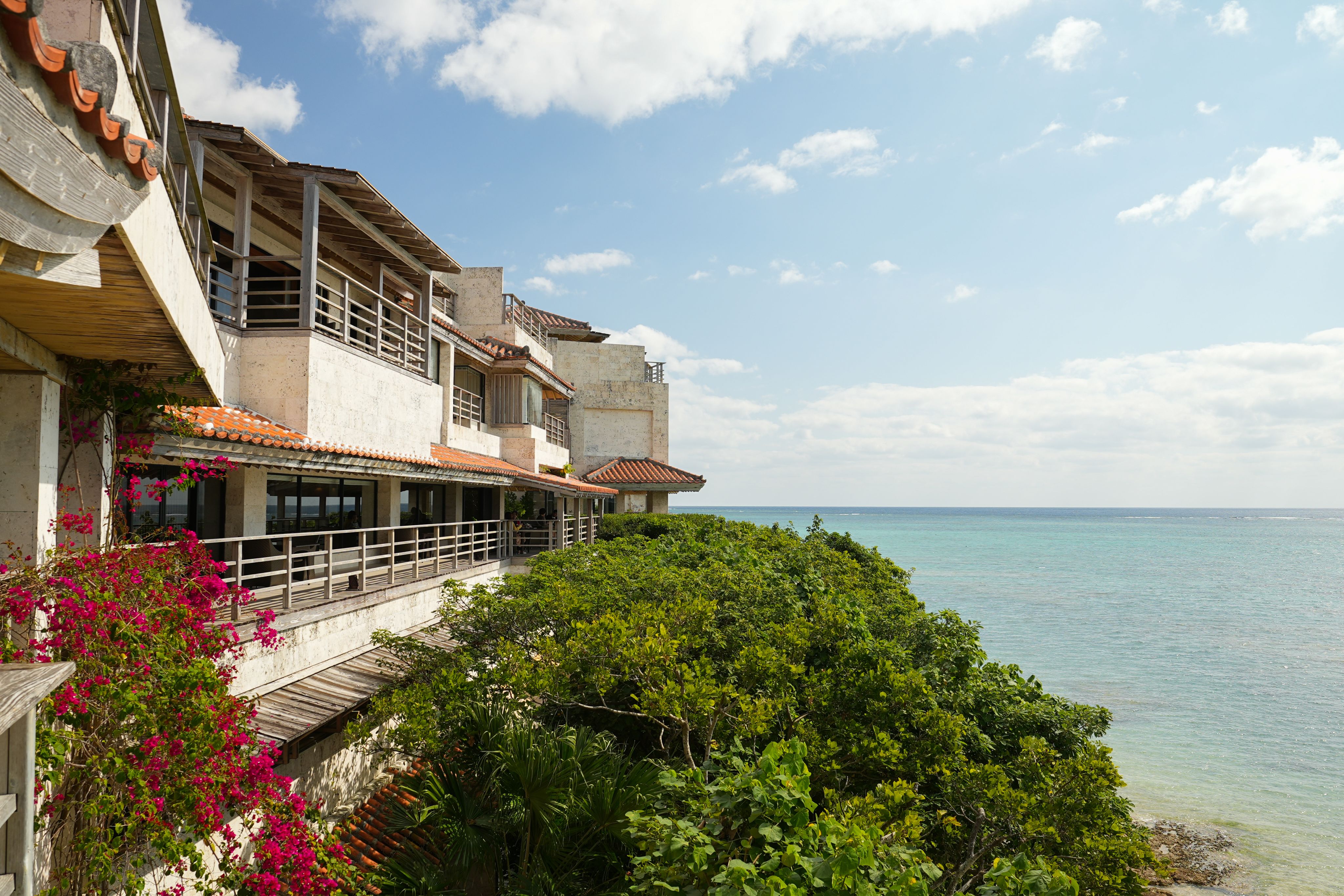
Hyakunagaran
Hyakunagaran
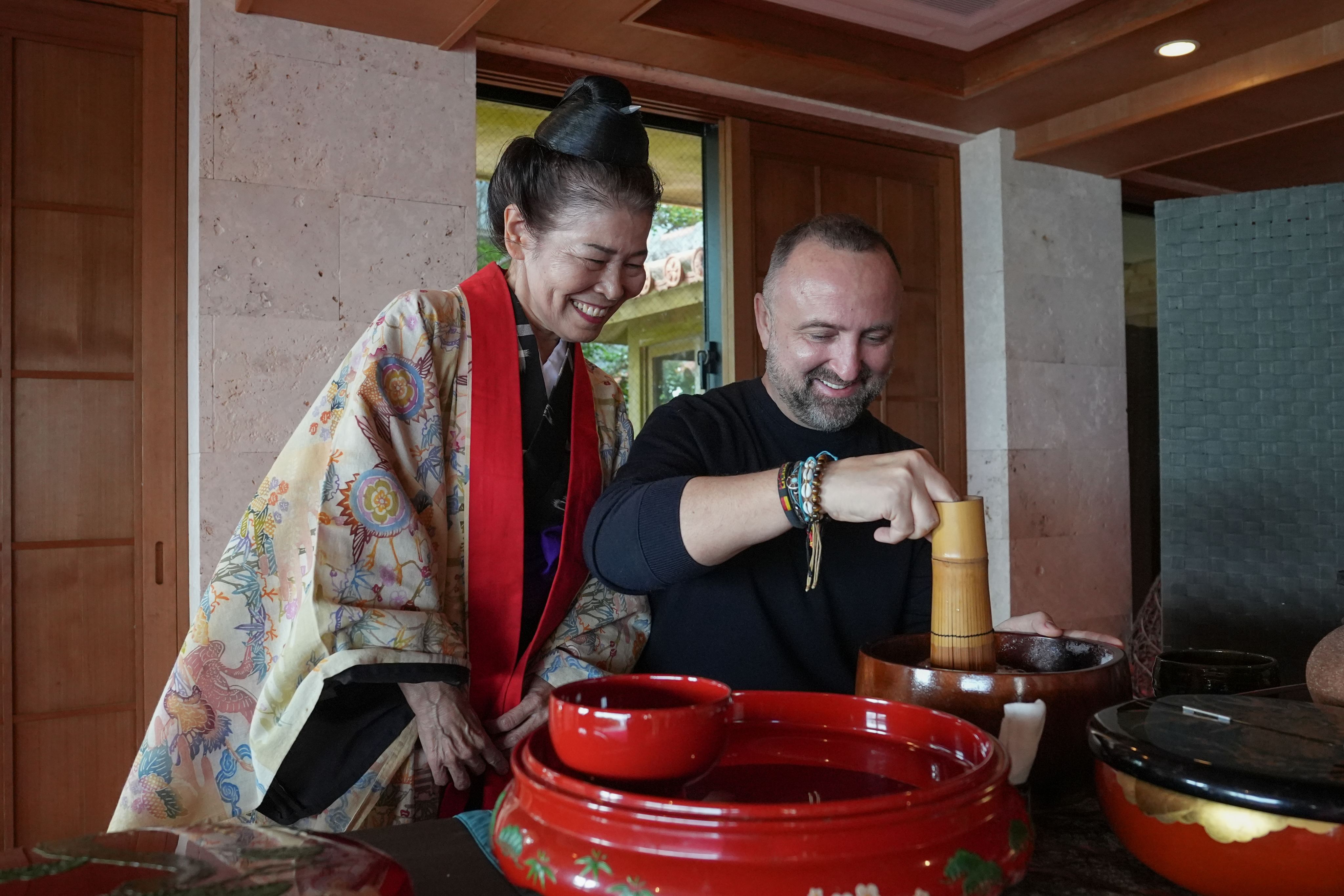
Okinawan Tea Ceremony
Okinawan Tea Ceremony
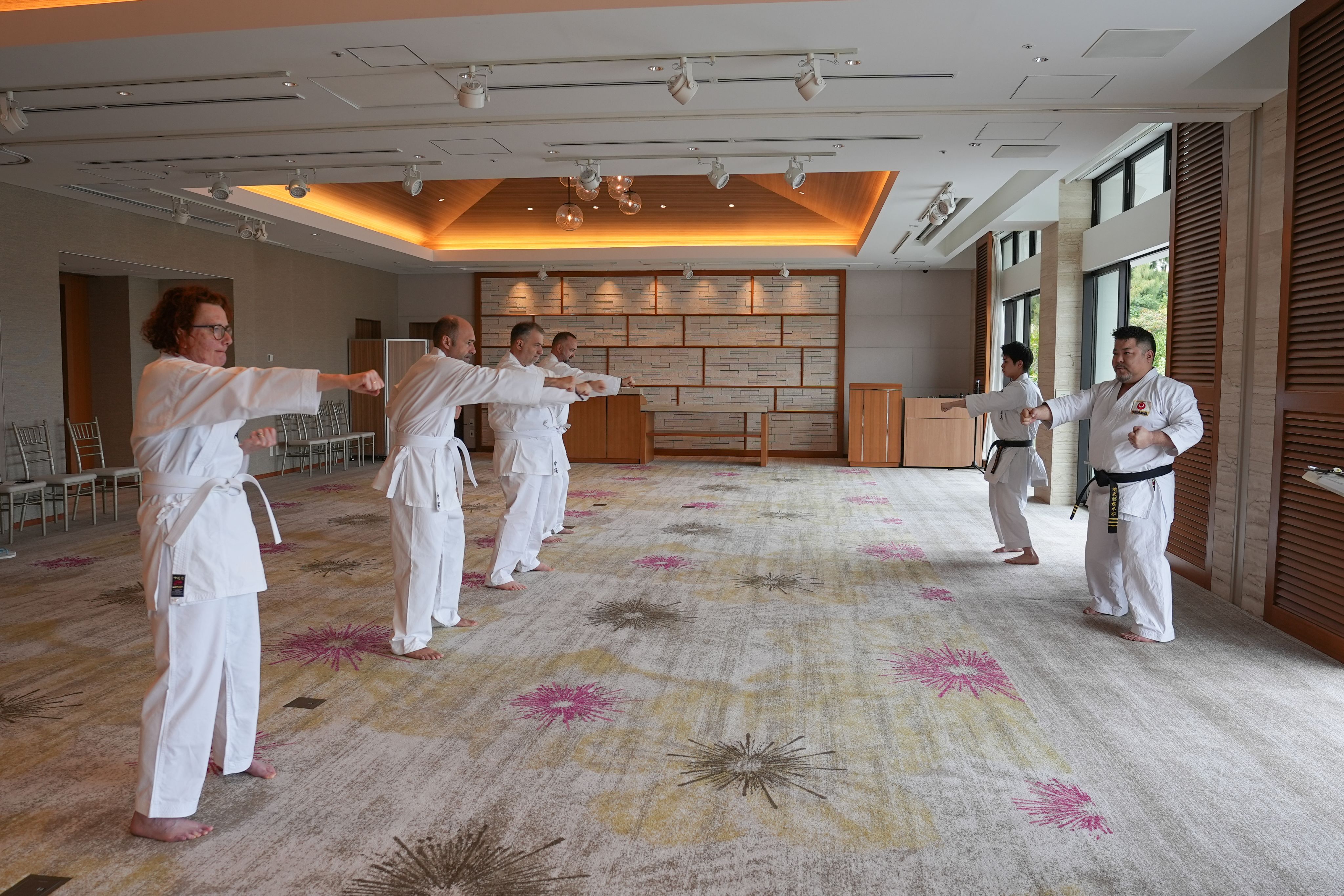
Okinawa Karate
Okinawa Karate

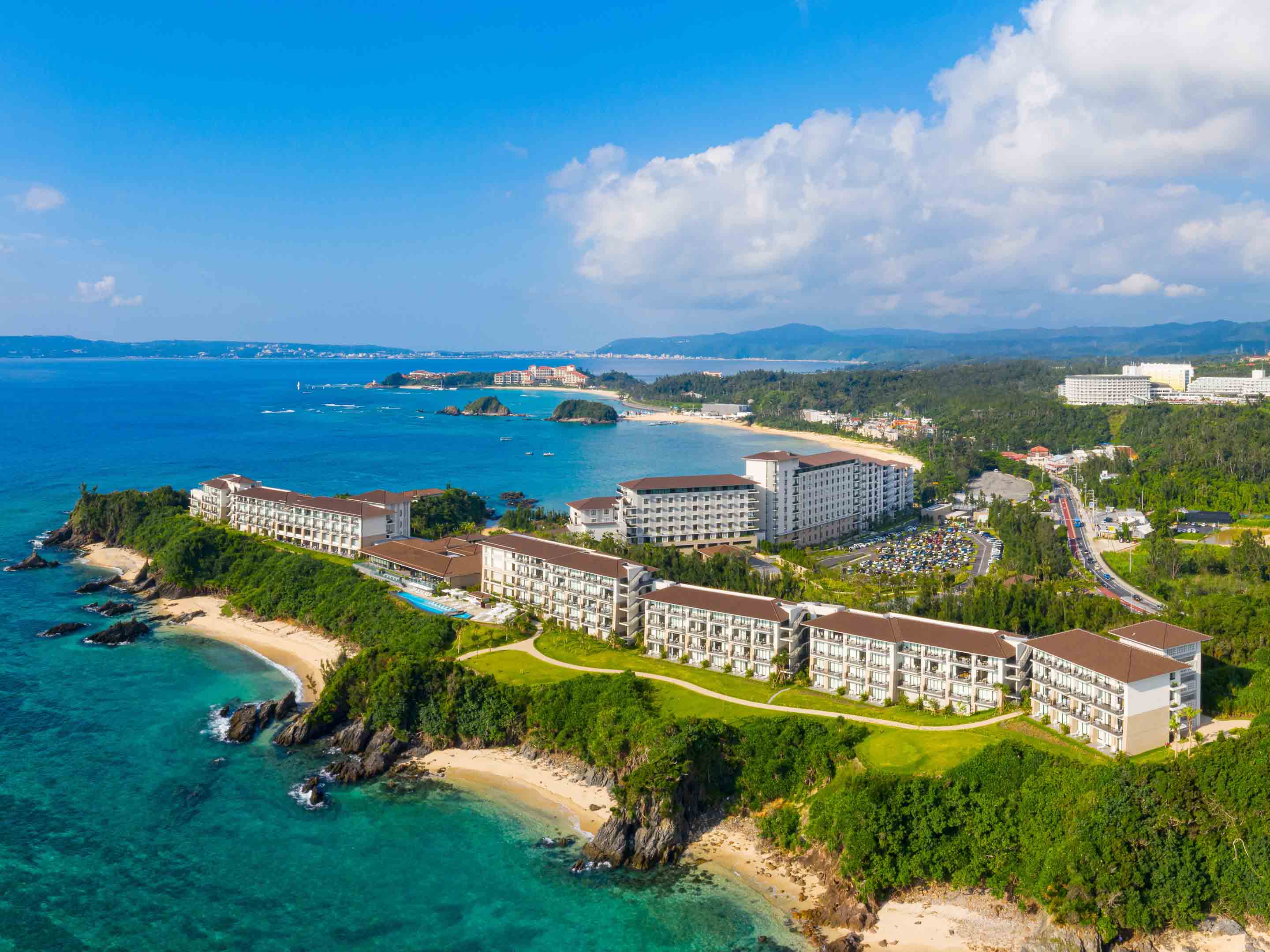
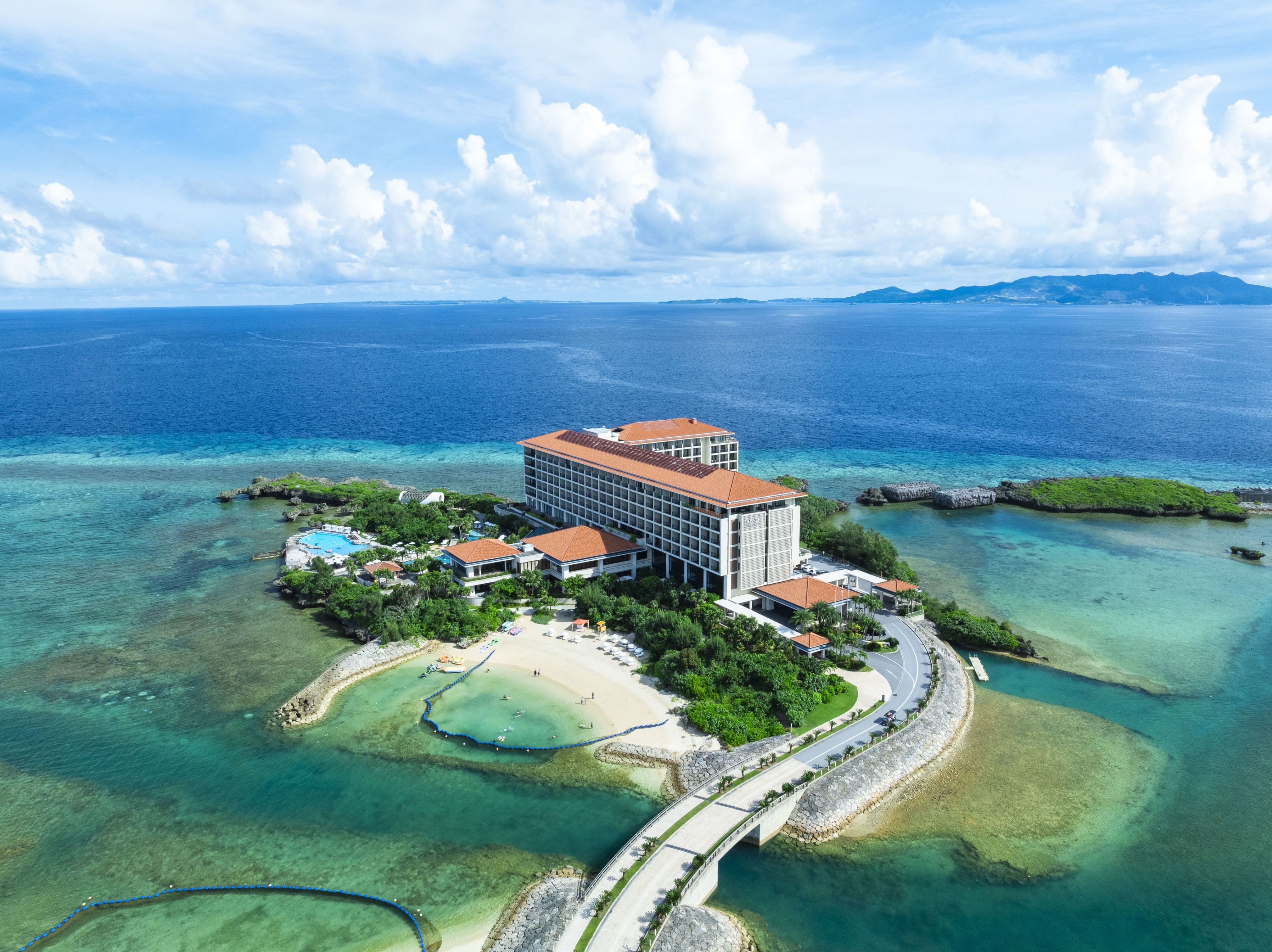
Halekulani Okinawa
Halekulani Okinawa
Okinawan nature also plays its part. The grouping of 160 lush subtropical islands are ringed by coral reefs and clear blue seas, and natural highlights include extensive forest, mangrove swamps, rare birds and fireflies.
These are just some of the reasons Okinawa hosted 1,500 MICE events in 2023.



Why else should you choose these islands for your next unforgettable association event?
Island paradise
Forty-nine Okinawan islands are inhabited but most of the 1.4m population live in Naha city on the 120km-long main island. The temperature never drops below 10 degrees and summer rain and tropical weather clear fast.
Well-connected
There are 35 routes to Okinawa, with direct services from Japan as well as South Korea, Taiwan, Hong Kong, China, Singapore, Bangkok and Malaysia. Flight times are around 2.5 hours from Tokyo and two from Korea. An expressway runs up the main island from Naha and there is a monorail from the airport that serves the city area.
Event facilities
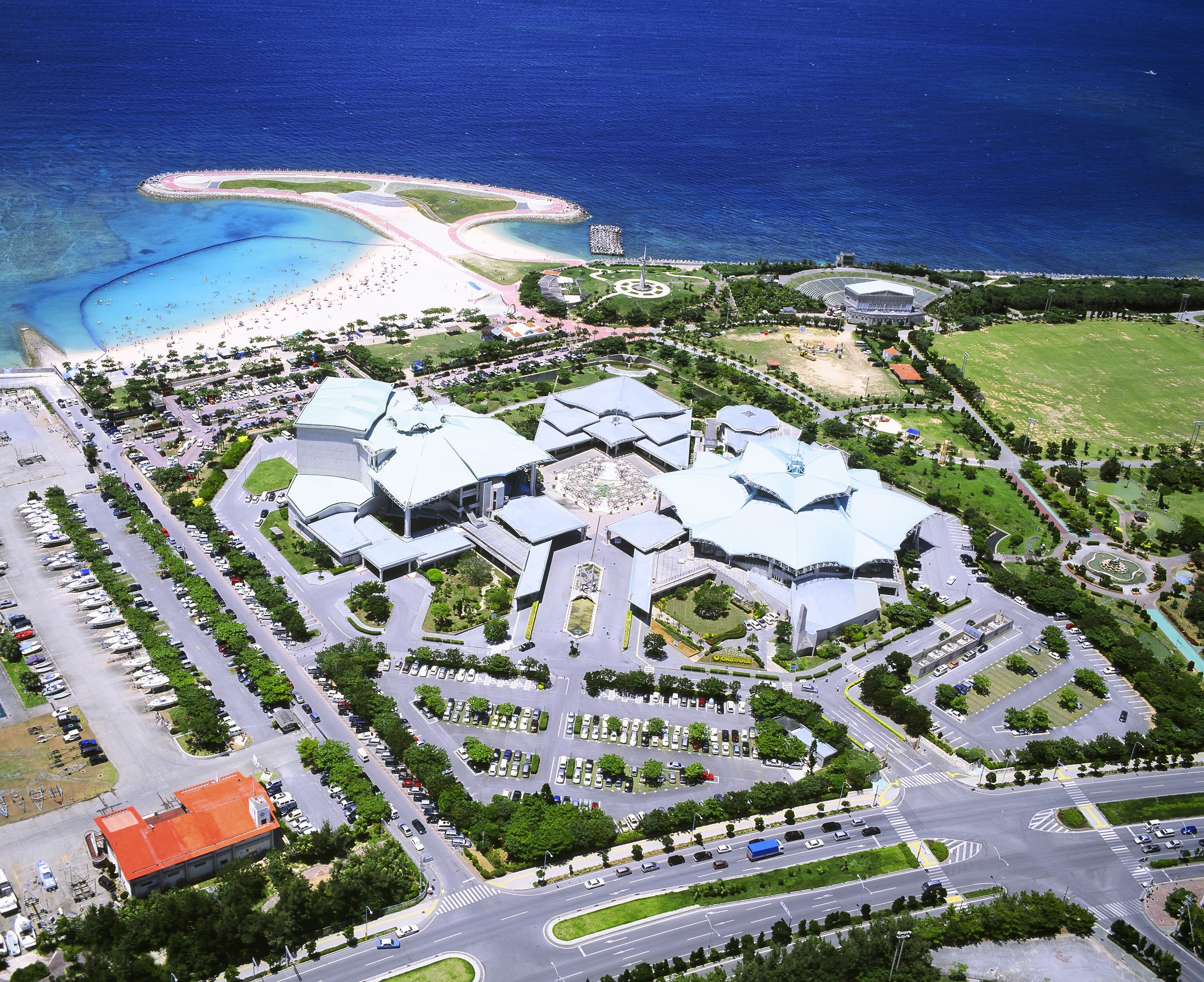
The largest venues in Okinawa include the Okinawa Convention Center, which has capacity for up to 4,000 people with other large rooms on site.
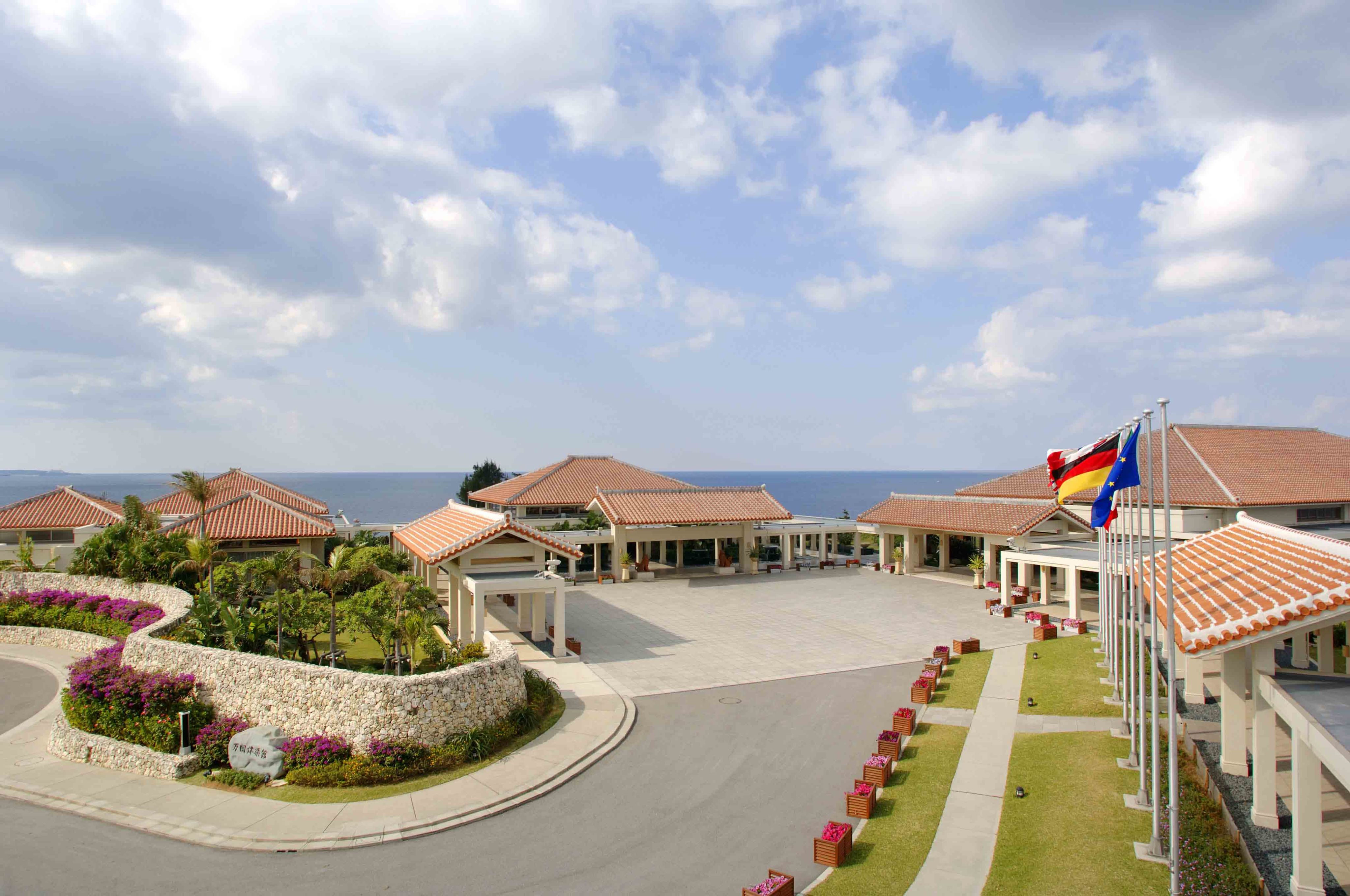
Bankoku Shinryokan – ‘Bridge between nations’ - hosted the 26th G8 summit and is able to accommodate international conferences, academic meetings and more with halls for up to 500 people.
While The Okinawa Institute of Science & Technology is another venue that is ideal particularly for related events.
Where to stay
Naha city has a wide variety of hotels while the rest, especially the West Coast, offers a selection of luxury, resort and boutique accommodation. Standouts include:
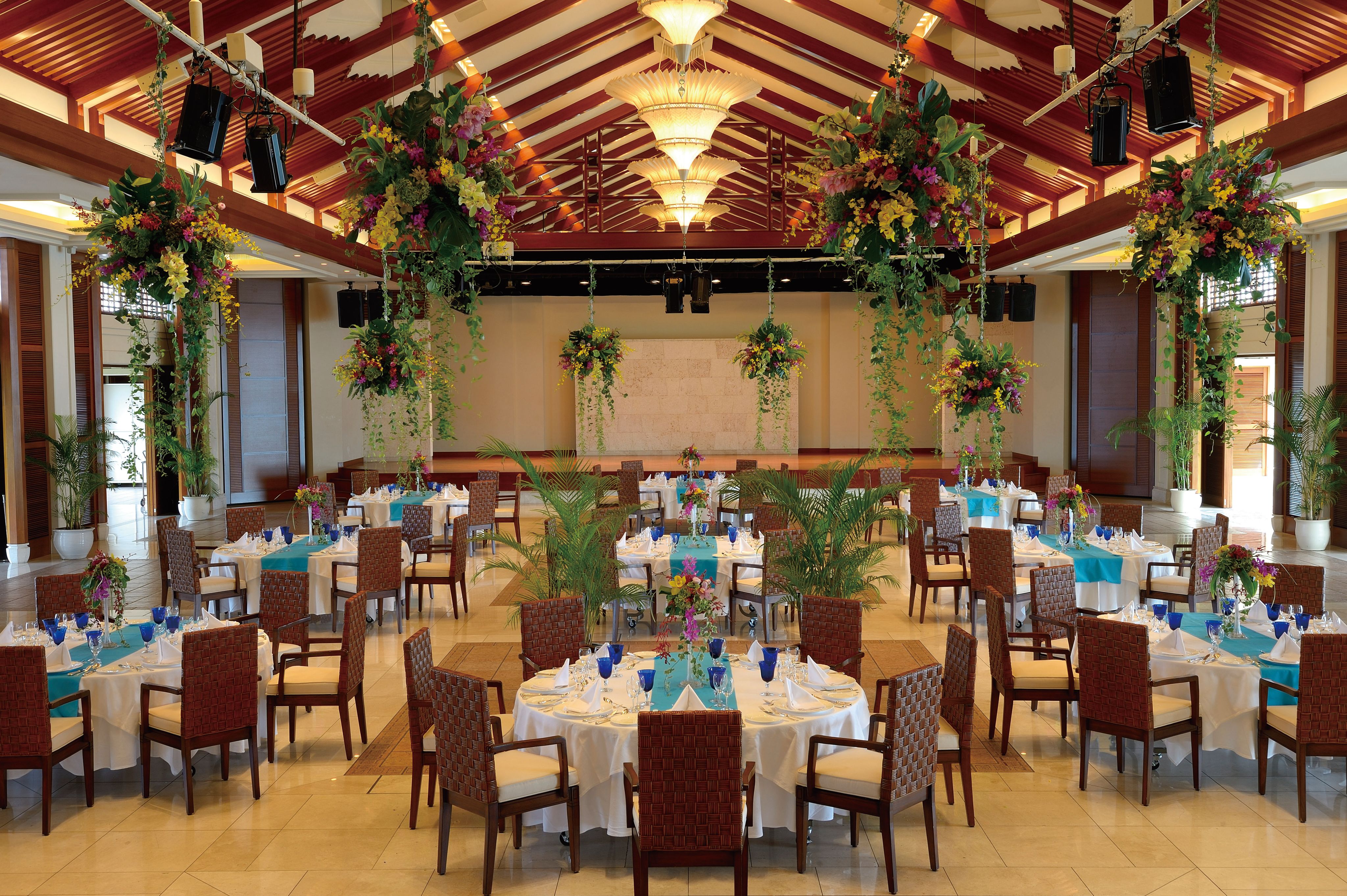
Halekulani Okinawa, a luxury 360-room hotel with a large function room and attractive terraces for functions as well as an extensive programme of unique events both on and off-site.
Hyatt Regency Seragaki Island, Okinawa, has 343 rooms, function rooms and a terrace available for events.
Hyakunagaran, located on the Southern East Coast and built around a banyan tree, features 18 bedrooms with natural limestone walls, sunset views, privacy and the option of Okinawan cultural events.


Local delicacies
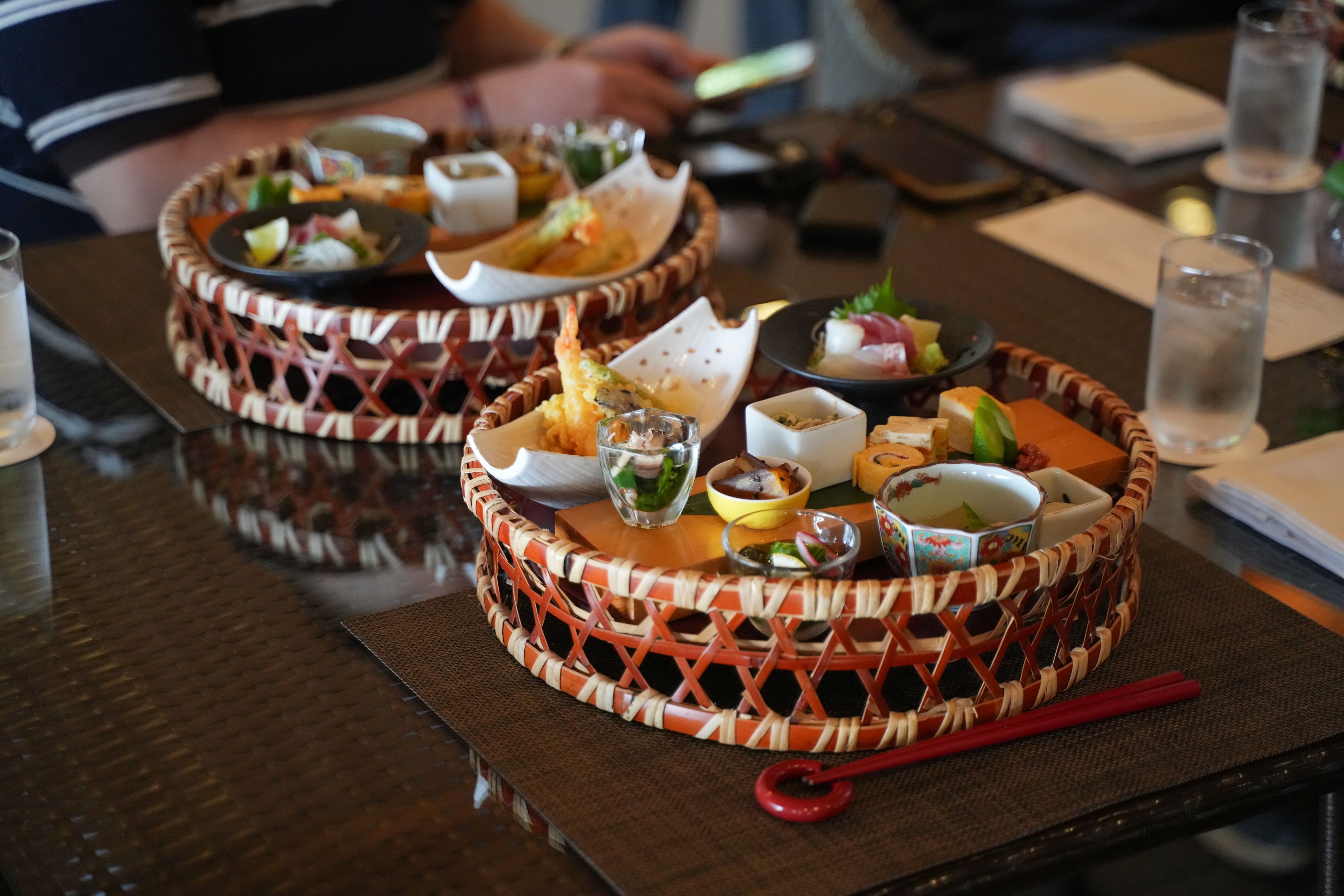
The Okinawan diet has gained an international following and treats to try include seagrapes and sea noodles, bitter melon fried with local tofu and sautéed pork. Eating izakaya-style involves small plates, with drinks and often entertainment.
Unique extras for spectacular events
- “Avoiding conflict is most important… never forget, Karate begins and ends with respect,” explains sensei Ippei Yagi as he teaches the basics of his craft. Getting the stance right takes time, with toes curled, knees together and chest up. Okinawa is the birthplace of Karate and there are mainly three distinctive styles performed and taught on the island.
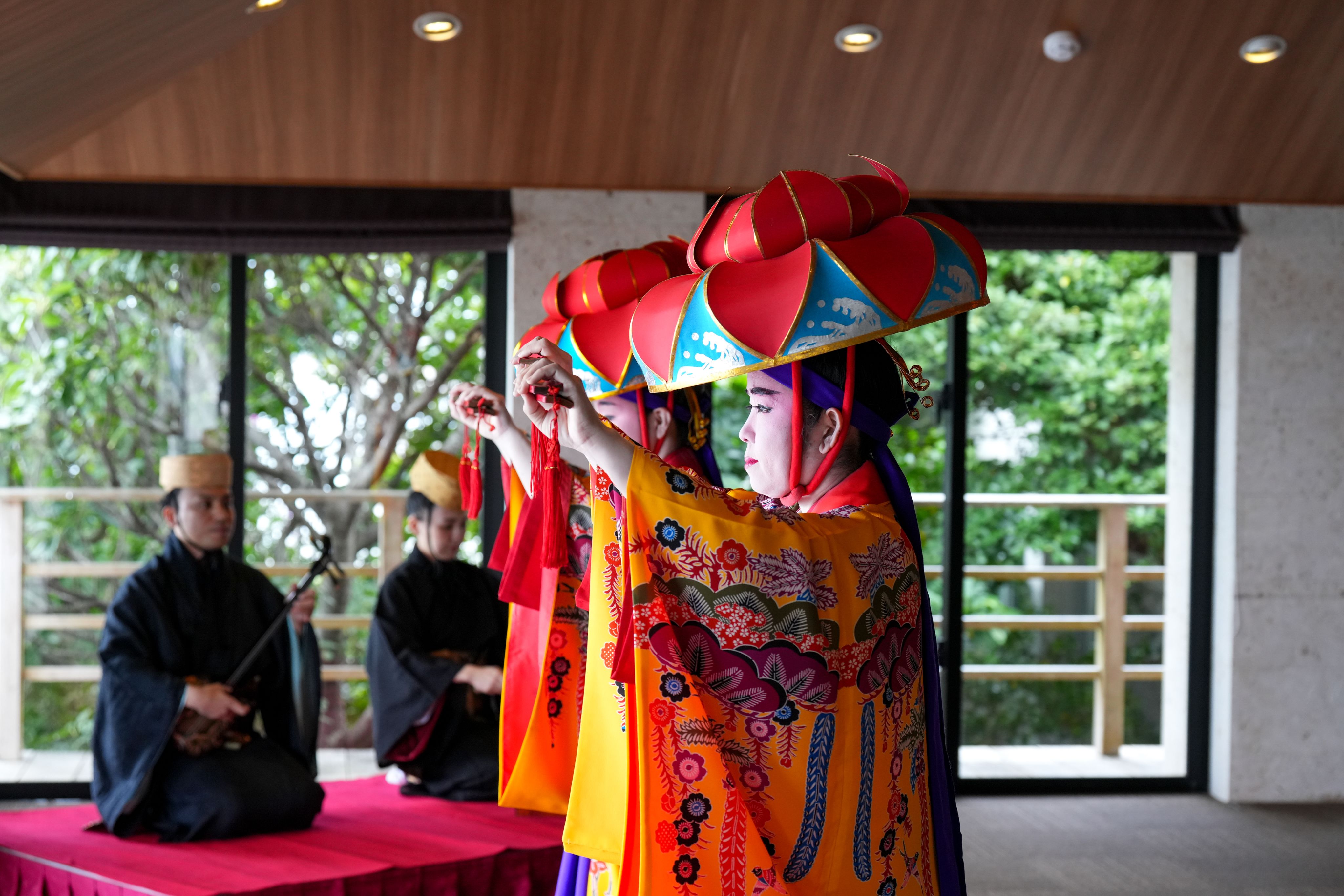
- Traditional welcome ceremonies include dancers in stunning red and blue hats wearing yellow kimonos and performing with a local band. Tea ceremonies – also described as the bridge that crosses the nations - offer jasmine tea with a roast rice foam created with a traditional bamboo whisk and served in local Okinawan lacquerware bowls. It is a feast for the senses.
- Okinawan nature is stunning. At the Yanbaru Adventure Field you can roast, grind and brew your own coffee in a greenhouse full of seedlings before enjoying the forest on quad bikes or a series of five zipwires through the trees. The Halekulani Okinawa hotel offers nature tours including firefly viewing, kayaking and stream walking. Beach barbecues are popular, as is the Okinawa Churaumi Aquarium, one of the largest in the world.
- Decorate your own traditional Okinawan lacquerware to take home.


MICE support
Okinawa has become a hub for academic and business exchanges thanks to government support. Extensive planning resources are provided through Okinawa’s website and a network of on-the-ground DMCs can also assist.
For a digital guide to Okinawa’s MICE offer, click here
For further information on hosting events in Okinawa, click here


 Built with Shorthand