
Hosting with purpose: Wellington delivers measurable impact for New Zealand
Wellington is a city that has a deep cultural heritage, forward-thinking spirit and commitment to global collaboration. Local organising committees are increasingly embracing Te Ao Māori worldviews within their conference design, adding depth and meaning


Whether your association event is to advance science, shape policy or build community, New Zealand’s capital can help ensure success – it’s where ideas meet action. Building on New Zealanders' strong tradition of innovation and helping others, international events are increasingly engaging local communities to deliver greater benefits and set legacy goals.






As the seat of government and a hub for research, innovation and indigenous knowledge, Wellington provides the networks, expertise and infrastructure to deliver conferences that leave a lasting legacy.
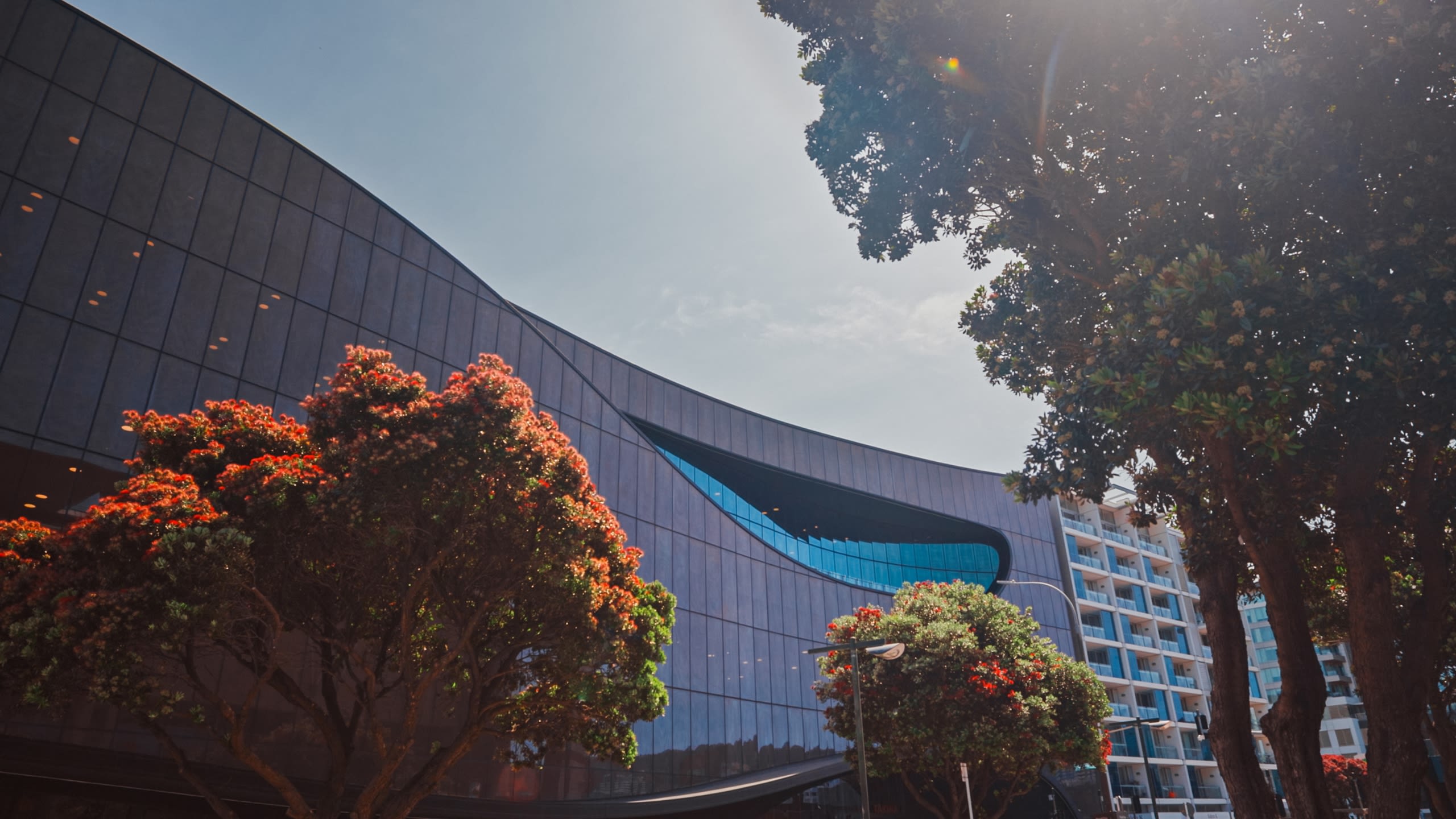
In November, the spectacular Tākina Wellington Convention & Exhibition Centre hosted three international conferences designed to reflect New Zealand’s bicultural foundations. With support from Business Events Wellington’s (BEW’s) Convention Services Advisor, each local host was able to embed clear legacy goals, ensuring the benefits extended well beyond the event itself. Now in its third year, the legacy programme is supporting more clients and delivering greater impact than ever before.
ICDE – Policy change in education and advancing conversations on indigeneity
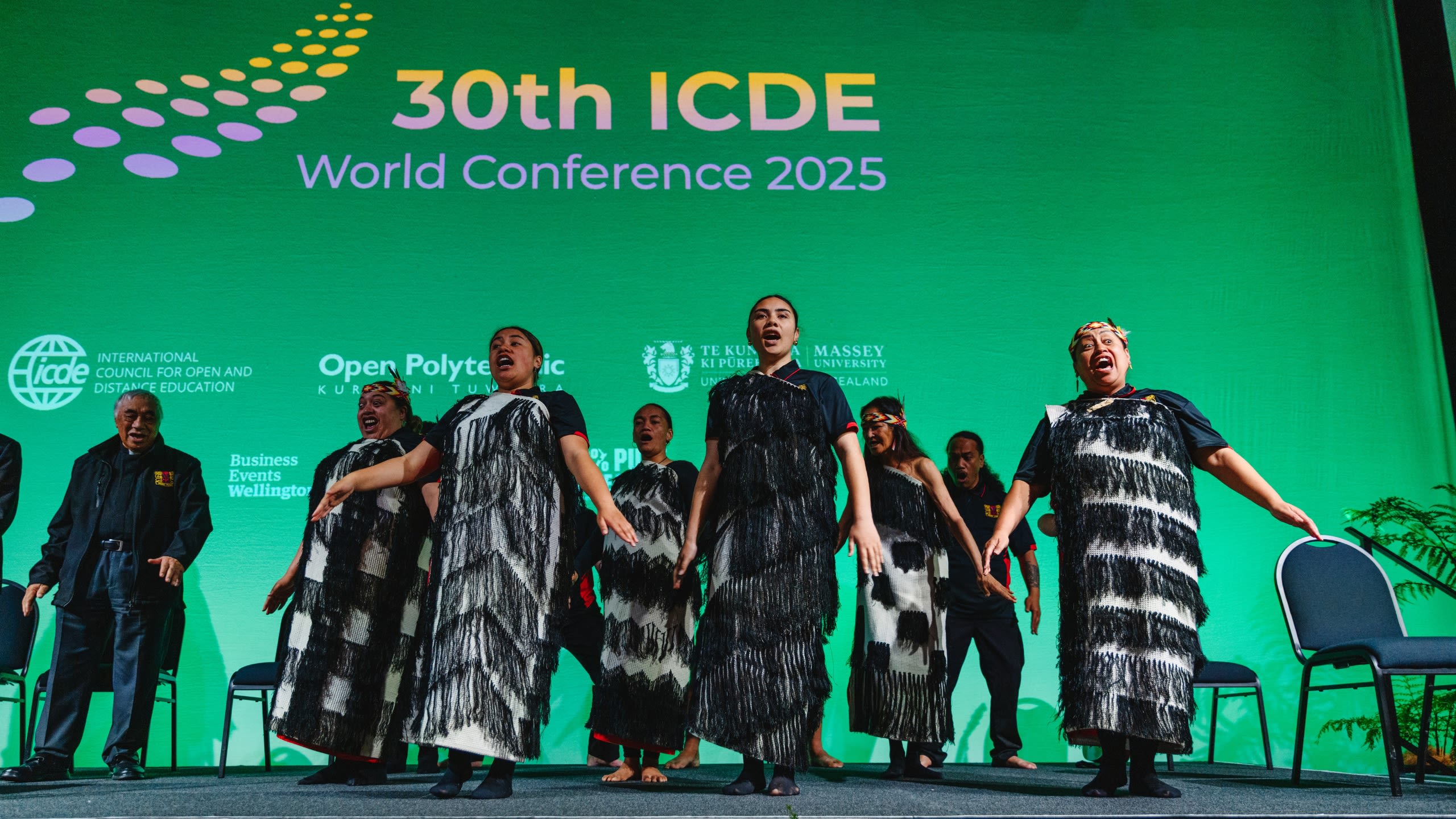
The 30th International Council for Open and Distance Education (ICDE) World Conference brought more than 500 delegates from 50 countries together. Co-hosted by Te Kuratini Tuwhera o Aotearoa Open Polytechnic of New Zealand and Massey University Te Kunenga ki Pūrehuroa, attendees representing open and distance education across vocational and academic higher education shared research and best practice from across the globe.
As part of long-term legacy planning supported by BEW, the conference was preceded by an Education Policy Forum for the first time. It attracted more than 250 education leaders, united in their commitment to making education more inclusive, scalable and sustainable for all.
A report on ways to improve education policy collated at the event, dubbed the Tākina Accord, will be presented to New Zealand’s key government agencies later this year, as well as distributed amongst ICDE attendees globally.
ICUH – Leveraging global expertise to address local challenges
The 21st Annual International Conference on Urban Health (ICUH 2025) brought 310 delegates from 35 countries together in November with the goal of transforming urban environments to improve health, equity and environmental sustainability in cities worldwide.
The conference bid was led by distinguished Professor Philippa Howden-Chapman, who was presented with a Lifetime Achievement Award by the International Society for Urban Health (ISUH) at the conference. The ISUH was co-host with the University of Otago, Wellington. With support from BEW, local organisers developed a legacy programme to continue benefits for the city beyond the conference with three pre-conference workshops.
The first time the conference was held in Oceania, organisers were delighted at the positive response to integrating indigenous knowledge throughout the conference content.
“That focus on regional indigenous innovation is unique to this part of the world. Internationally, that was probably a big driver for why people came here.”
iPRES – Strengthening capability and connections across the Asia–Pacific region
The 21st International Conference on Digital Preservation (iPRES) has helped safeguard the cultural heritage of groups in the Asia Pacific through strategic activity to improve digital preservation practices in the region.
Hosted by the National Library of New Zealand and Archives New Zealand, the conference took place in November and welcomed 557 delegates from 41 countries (330 in person, 227 online). A key element of iPRES conferences is inclusiveness, and organisers of the Wellington event wanted to address a lack of capability in digital preservation for some under resourced groups within the Asia Pacific region, including indigenous, Pacific and community archivists. Early in the conference organisation, a Regional Impact Committee was formed, with support from BEW’s Conference Legacy Programme.
“Business Events Wellington was integral in helping us to articulate the actual impact we were trying to have, and what metrics we could use to demonstrate our success.”
Delegates gave iPRES 2025 an overall satisfaction rating of 4.5 out of 5, with the integration of cultural elements named as a highlight for adding depth and meaning to the programme. The venue, organisation and atmosphere were consistently praised for supporting both professional exchange and collegial interaction.




To discuss opportunities about hosting your next conference in New Zealand’s capital city, get in touch