
How socio-cultural sustainability feeds into inspiring events
Sustainability and authenticity have never been more important to delegates, writes Guy Hall

Event attendees are looking for unique and memorable experiences that are true to a destination and the people that call it home. They also want to ensure that the events that they attend will not have a negative impact on the planet and will leave a positive legacy for years to come.
Socio-cultural sustainability not only sits at the intersection of these two facets of planning but provides a huge opportunity for organisers to create unforgettable events.
What is socio-cultural sustainability?

When people think of sustainability, the environment is usually top of mind. And while this is certainly a crucial component of responsible event planning, this is just part of a larger picture.
Truly sustainable event design also looks at economic and socio-cultural considerations. When it comes to the MICE industry, socio-cultural sustainability ensures that host community members have access to enough resources to keep their families healthy and secure. Events can help preserve and celebrate local cultures – including beliefs, practices and traditions – in their host destination.
A fashionable example

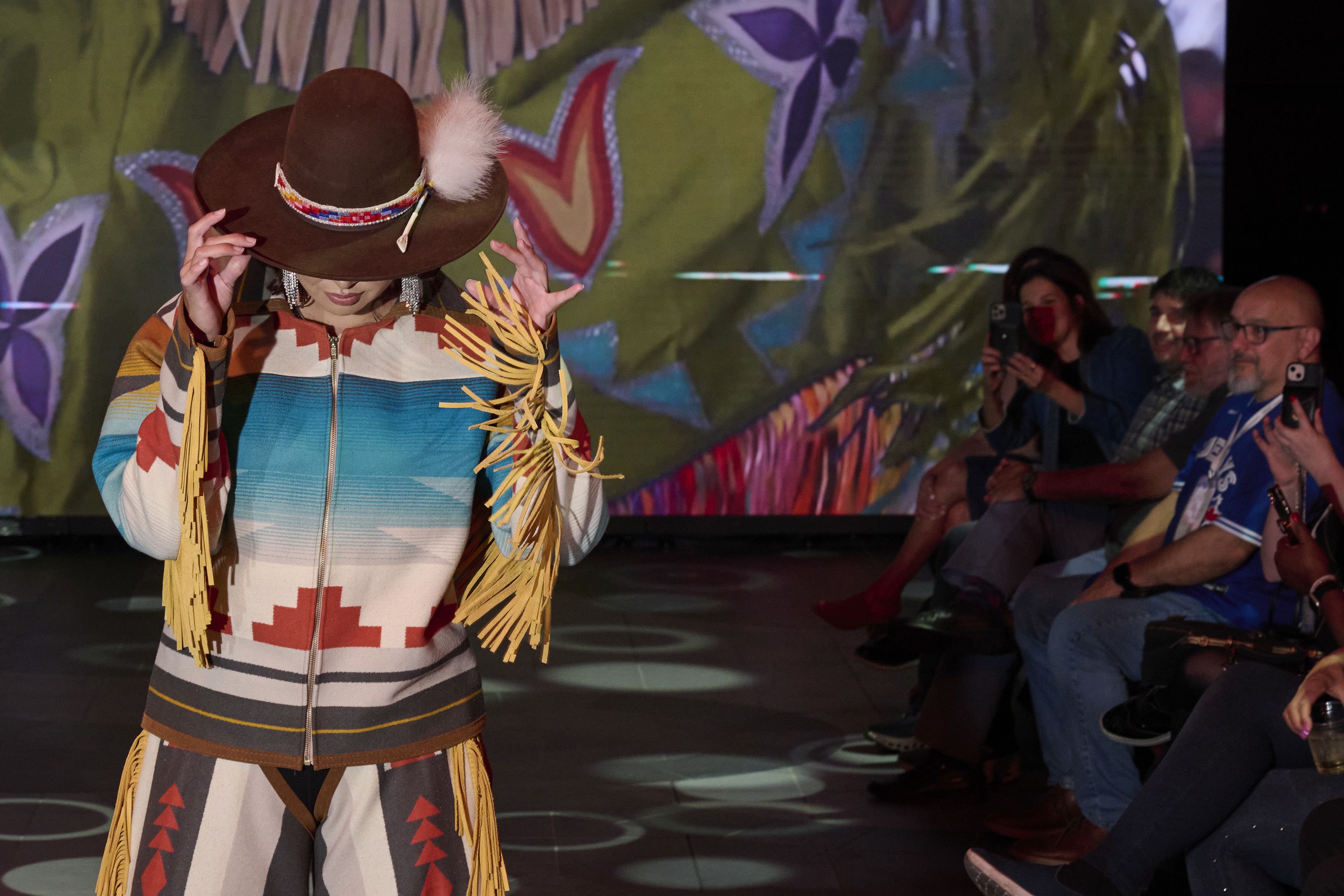
Destination Canada recently demonstrated its commitment to socio-cultural sustainability on ‘Canada Night’ at IMEX America in Las Vegas.
The team hosted a fashion show featuring the unique clothing line of Indigenous designer Stephanie Eagletail, founder and owner of Stephanie Eagletail Designs. Eagletail is from the Tsuut'ina First Nation near Calgary, Alberta, and specialises in custom-made blanket coats.
In 2022 and 2023, she displayed her stunning garments at New York Fashion Week – and is preparing to offer workshops to international groups, teaching traditional sewing techniques, incorporating cultural practices and sharing her own journey.
“I’m Dene and half-Cree, and one thing I’ve been taught is that we always share — from our traditions to our language to our ceremonies,” Eagletail says. “For me, sharing the practice of coat-making is a powerful way to promote a deeper understanding and appreciation of our cultures.”
In Las Vegas, her colourful creations illuminated the catwalk, as a diverse group of models from across Canada took turns strutting their stuff in front of a jubilant, standing-room-only crowd.
Not only was this a fantastic opportunity to celebrate one of the many cultures in Canada, it was also an incredibly unique activation and helped draw attendees to the event.
How to incorporate socio-cultural sustainability into your event


Programming
One of the most obvious ways to help with the preservation of host communities and their heritages is to create a programme that allows your attendees to directly engage with – and learn about – local cultures and ways of life. For the meetings and events segment, what this looks like may vary but it's important to find a host destination that shares your desire to address the area of sustainability.
Canada is emerging as a leader in sustainability and this makes it easy for organisations to work with Canadian destinations to incorporate elements of local cultures into their agenda.
For example, when the Fifth International Marine Protected Areas Congress (IMPAC5) came to Vancouver, they made sure that upholding and respecting Indigenous perspectives, voices and knowledge was a key characteristic of their event. They sought to highlight Indigenous Peoples and their approaches to marine protection, to create opportunities for Indigenous participants to network and learn from one another, and even created an Indigenous Working Group to advise on the planning and development of specific activities throughout the event.
When it comes to the incentive segment, there are endless possibilities – particularly in Canada.
The country consists of a kaleidoscope of cultures and this means that you can find a socio-culturally sustainable activity to suit any group’s preferences.
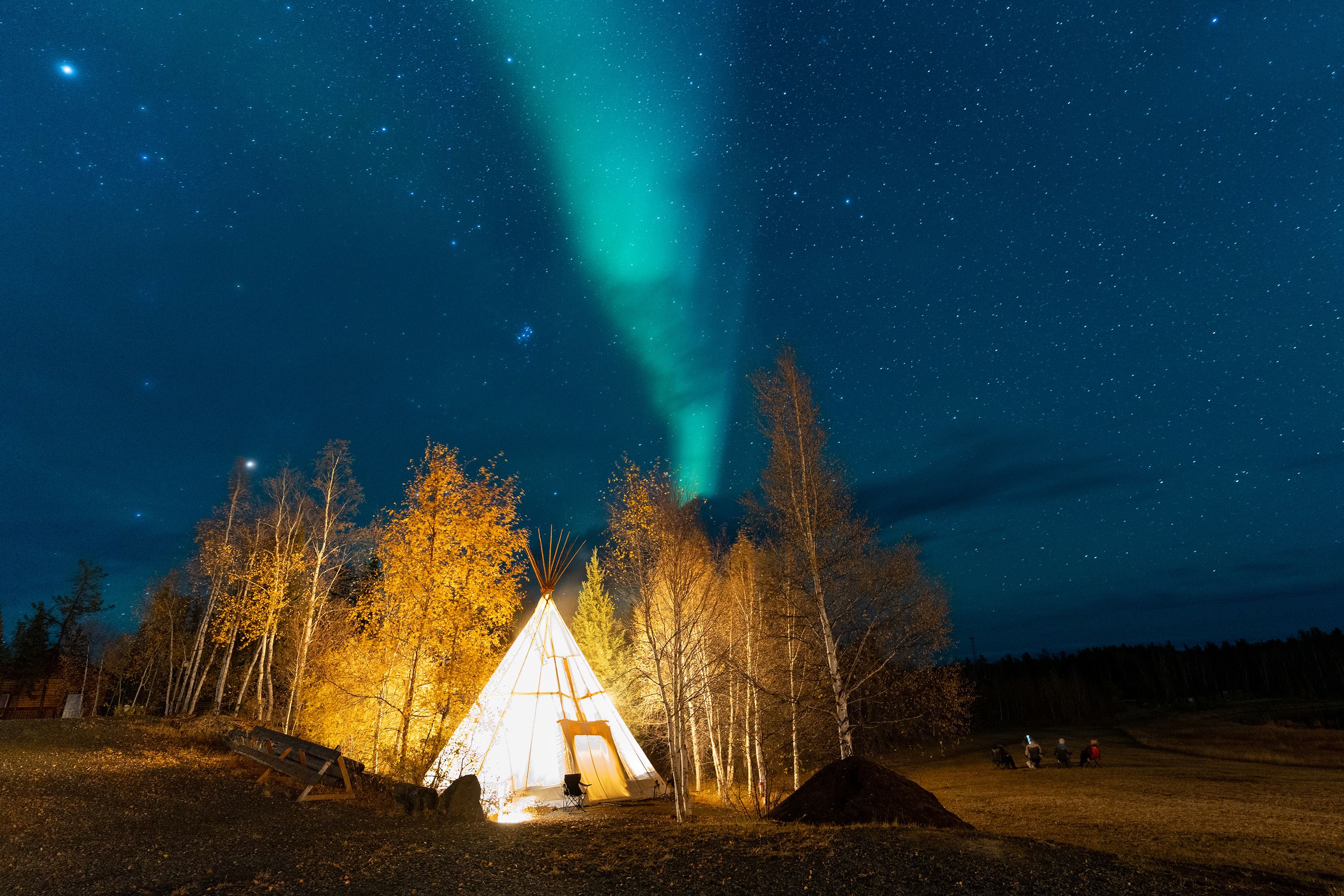
For the adventurers, for instance, you can head North to the Indigenous-owned Aurora Village, where you can watch the enchanting dance of the northern lights from a secluded Teepee camp while hearing traditional stories of the region and the Peoples who have called it home for millennia.
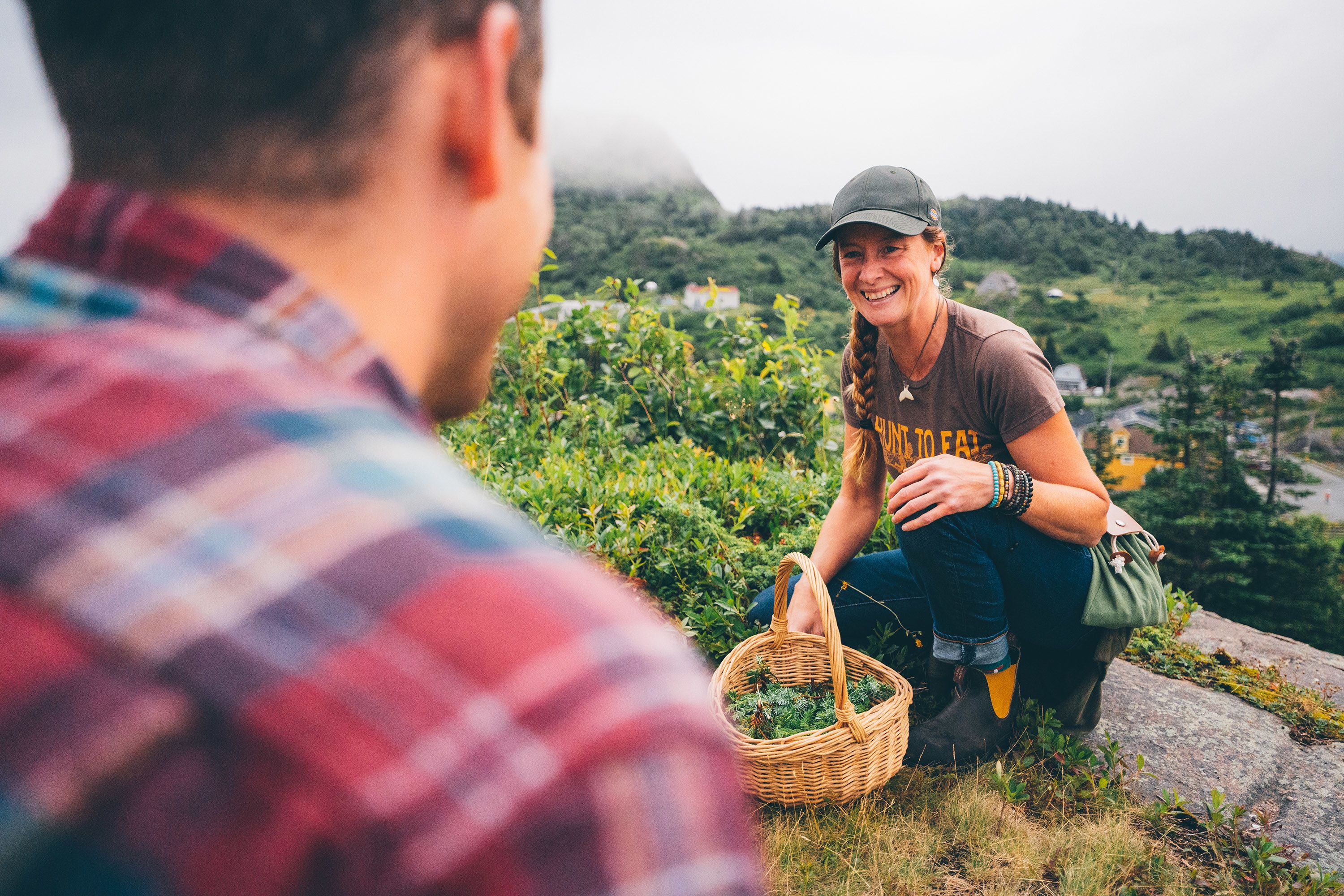
If you’re looking for culinary experiences, connect with the Maritime culture of Canada’s rugged East Coast by engaging with Food Culture Place in St. John’s. Founded by chef and outdoorsperson Lori McCarthy, Food Culture Place helps visiting groups connect to the region through unique cultural food residencies, which focus on storytelling, foraging, hunting and cooking.
“If it’s a beautiful sunny day, we’re going to go to the beach and light a fire and cook wild mussels,” says Lori. “We cook over an open fire like my grandparents did and my parents did.
“When I spend time with people, I want them to leave with a better understanding of this place. It becomes an emotional connection to the person, the place and the culture. When my guests go back home, it changes how they move forward throughout their day,” says Lori. “It’s a very special experience... always it’s so much more than what they thought.”

Gifts
Being intentional about the gifts that you’re providing to participants also facilitates an opportunity to help make your event socio-culturally sustainable. Providing gifts that are representative of an aspect of a local culture and/or have meaningful connection to the host community can aid with hosting events that have a positive cultural impact.
In Canada, for instance, you can offer your attendees goods that have been crafted by Indigenous Peoples and reflect their rich heritages.
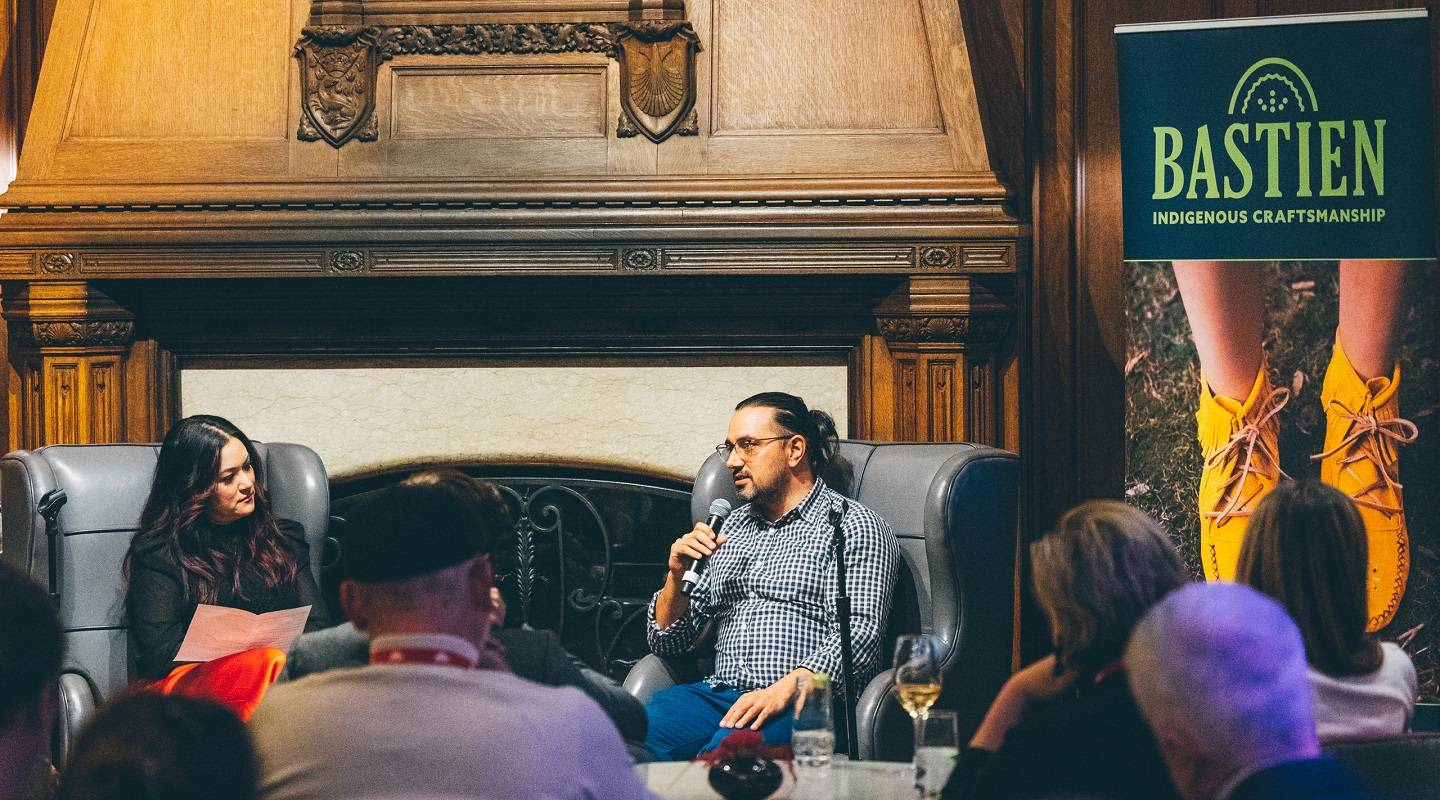
At Incentive Canada Winter 2023 in Québec City, Destination Canada held a fireside chat with Jason Picard-Binet, Owner of Bastien Industries, who explained the cultural significance of the moccasin to the Huron-Wendat Nation and highlighted the power of incorporating Indigenous practices into programmes. Later in the event, each participant received a pair of their moccasins.
Incorporating sustainable and culturally meaningful gifts into your event fosters a sense of cultural exchange and respect, and a meaningful experience for all involved.

Food and beverage
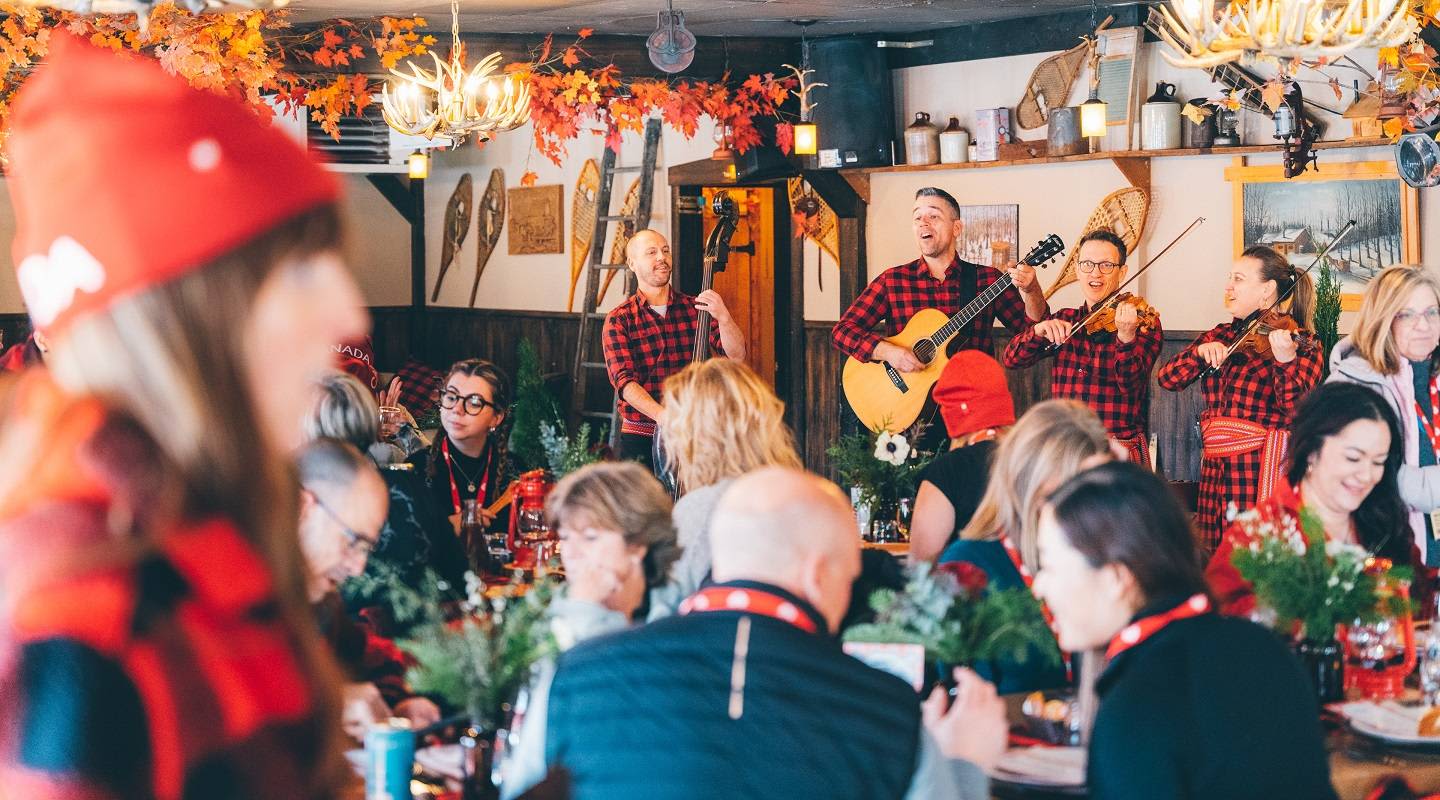
Considering your food and beverage options carefully can also serve as a way to promote this facet of sustainability. Most cultures have traditional dishes that have been embedded in their way of life for generations, and providing these meals to your participants is a fantastic – and delicious – way of encouraging cultural connections.
In Canada, for example, events that are hosted in the province of Québec can engage with French-Canadian cuisine with a visit to a ‘sugar shack’, where they can learn the age-old method for collecting sugar maple sap. Following the ‘sugaring off’ process, the sap becomes sweet maple syrup, which your group can sample alongside traditional French Canadian fare while enjoying the sounds of authentic Québecois music.
Elsewhere in Canada, organisations can connect with the Western culture of Calgary by savouring some world-famous Alberta Beef or celebrating the Maritime culture of the East Coast through some succulent seafood, such as freshly caught scallops.
Host sustainable events in Canada

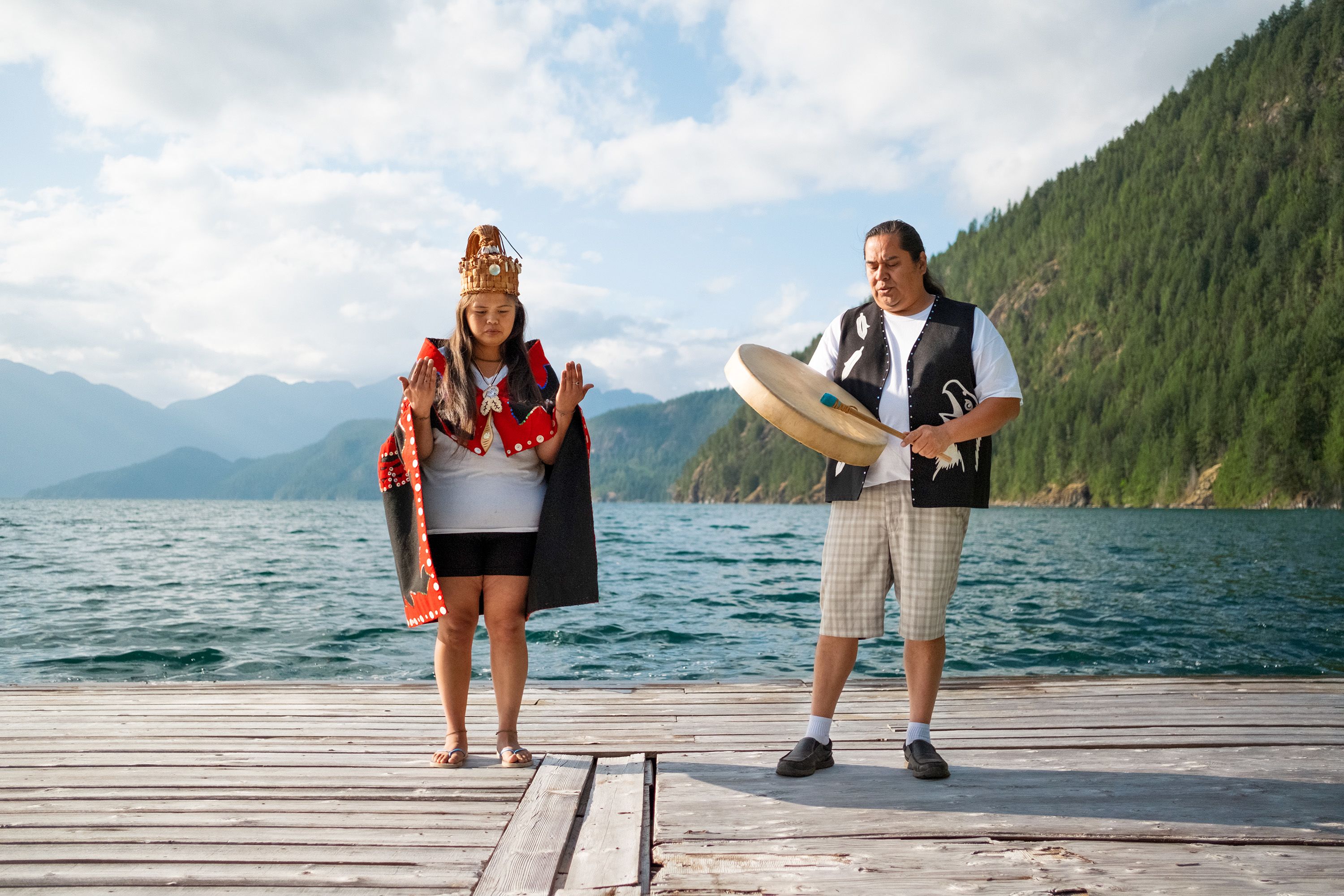
Hosting sustainable business events is easiest when you are working with a destination that shares your values and is equipped with the tools to assist you on your journey. So, if you’re looking to host more responsible events, consider Canada.
Of any country in the world, Canada has the highest concentration of destinations participating in the Global Destination Sustainability Index – the world’s leading sustainability performance programme for event destinations – and there are destinations from coast to coast to coast that are eager to help you work toward a brighter future for the industry.


To learn more about hosting events in Canada, visit here
Or get in touch with the team:
Contact


Virginie De Visscher
Executive Director
Business Events, Destination Canada
Email: [email protected]
Phone: +1 204-802-0920


 Built with Shorthand