
Copenhagen – building towards a better future
A focus on legacy has become increasingly important for international association events in recent times. Yet few have been as successful as Copenhagen’s hosting of the UIA World Congress of Architects 2023, which has produced long-term positive change on a local and global scale, generating international environmental and social commitments and extensive local events to engage with the public
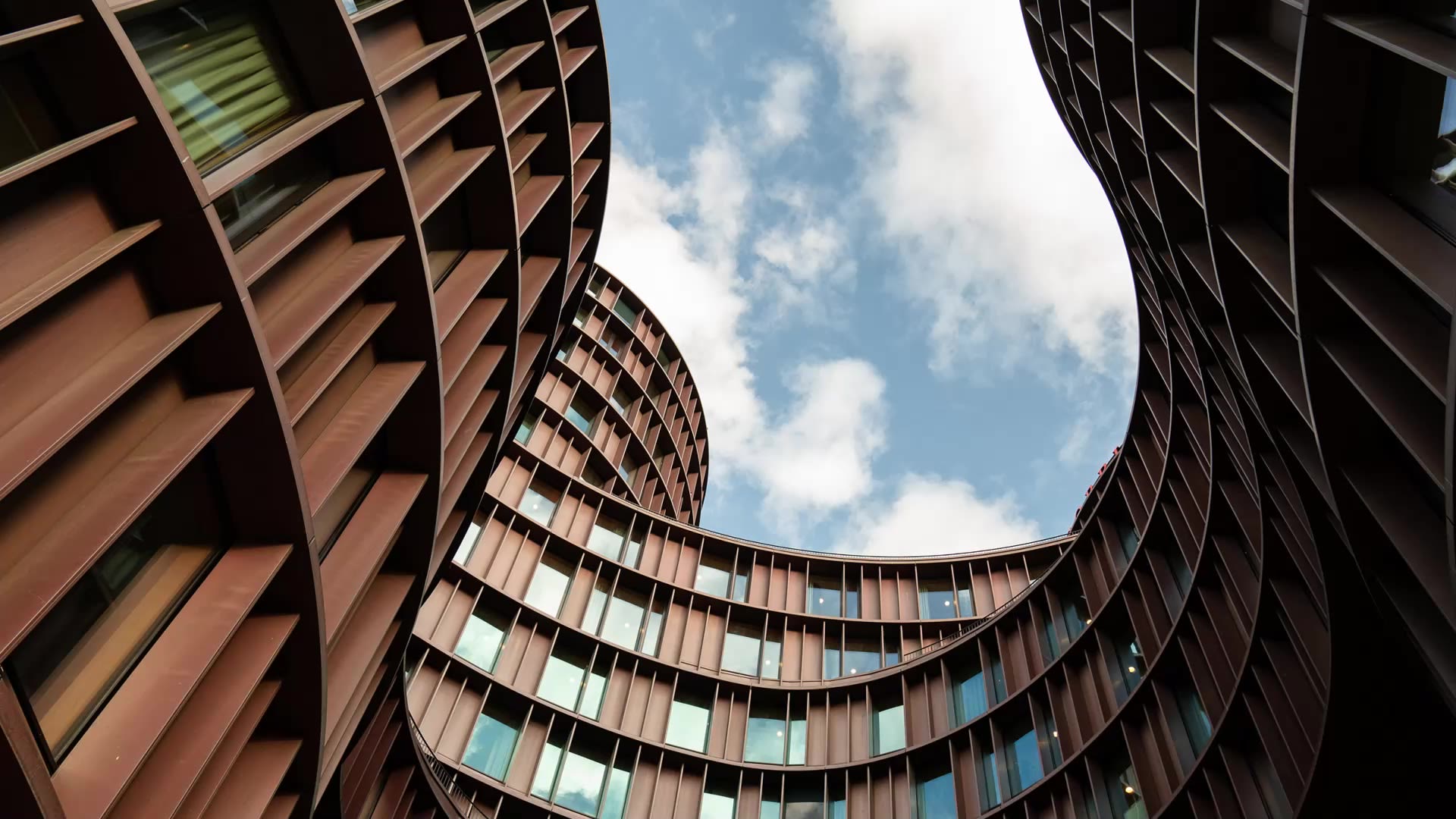
Long recognised as a world leader in innovative and sustainable architecture and urban development, Copenhagen has a reputation for designing and building on a human-scale with a strong focus on environmental and social sustainability.
In July, the city hosted the UIA World Congress of Architects, bringing together 6,000 participants from 135 countries. The theme of the congress – ‘Sustainable futures - Leave no one behind’ – ensured the focus was on how architecture and the built environment can contribute to the UN’s Sustainable Development Goals.
This is an important topic as the construction industry accounts for 40 per cent of global CO2 emissions and 35 per cent of total waste. It also offers huge potential for change in terms of alternative biodegradable materials, recycling and upcycling among others.
A great legacy
On the closing day of the congress, UIA presented the ‘Copenhagen Lessons’, 10 principles that aim to drive and inspire rapid and radical change in sustainable construction and which could be a game changer in the global architecture sector.
“The Sustainable Development Goals define a crucial global agenda, which the built environment must contribute to. How we act on this must be bold – even radical, compared with current practice. With ‘The Copenhagen Lessons’, we present 10 principles for what that means when we construct, plan and develop the built environment. The health of the planet and basic human needs are on the line, we have no time to waste”
As a result of winning the bid to host the congress, Copenhagen was awarded the World Capital of Architecture title, which in turn has generated exciting programmes of events in the city designed to shine a public light on sustainable urban development and architecture’s role in addressing pressing issues such as climate change.
World Capital of Architecture
UNESCO and the UIA launched the World Capital of Architecture initiative to highlight the key role of architecture, city planning and culture in shaping urban identity and sustainable development. Every three years, the city designated as World Capital of Architecture becomes a global forum at the forefront of these discussions.
According to UIA President Thomas Vonier, “This is a chance for ordinary people and world leaders to see the value of design in everyday lives. Our partnership with UNESCO reinforces the place of architecture and urban design in advancing cultural values and influences in society, so sorely needed in today’s world. Architects can see the world both as it is —and as it could be.”




 Built with Shorthand