
Face to Face
“It has been stressful over the years, but I've never been bored”
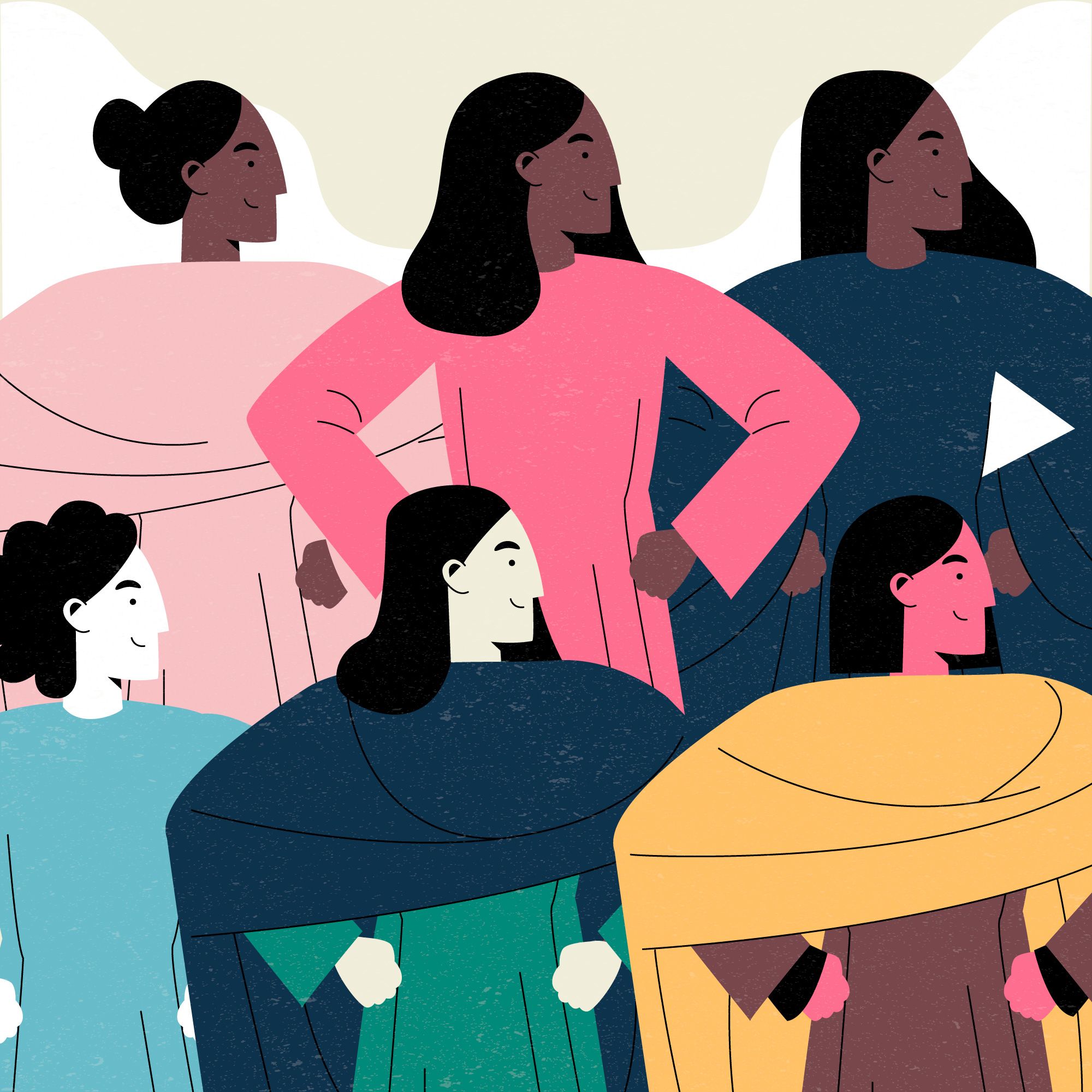

After studying economics and history, Tish Collins set her sights on working in the non-profit sector. Now, as the executive director of Associated Country Women of the World, and with decades of experience in various roles under her belt, Tish shares her experiences with Holly Patrick…
Tell us about your current role and your professional journey so far.
I’m currently the executive director of Associated Country Women of the World, ACWW as we call it.
But many years ago, with a degree in economics and history and a Masters of Science in agricultural economics, I decided I didn't want to work in the corporate world. I wanted to work for nonprofits and charities. And so that was what I have done all my life. After a brief stint with the Policy Studies Institute, I went to work for the National Farmers Union at their headquarters in London.
I was instrumental in setting up the British Trout Association, which was the Association for fish farmers. That was my first working experience of association meetings on a big scale.
Then for 17 years, I was the librarian of the Marx Memorial Library in London, which is a specialist labour movement history, archive, and library. We had a UK and an international membership, so meetings and conferences became part of that role.
Following that I headed up fundraising at Litchfield Cathedral. At the cathedral, we raised a million pounds in three years and then they said, ‘You're redundant’. They said ‘It has been lovely having you, but we're going to save your salary to spend on restoring the beautiful 16th century-stained glass’. So that night, I went on the internet looking for a job, and I saw Associated Country Women of the World. I thought to myself, ‘why have I never heard of this?
I've got background in agriculture, in women's organisations and membership organisations, working internationally. Why have I never heard of this association?’ And so basically, I got the job.
“Rural women are the backbone for families, communities and nations, but they're suffering the worst impacts of climate change and conflict and go unheard in legislation and remain unprotected and unsupported."
Do you like the variety of changing jobs?
Because I've chopped and changed so much, I would encourage everybody to embrace change. Don't be frightened of it and take any opportunity you can to train, to study, to develop.
I've not been the best-paid person in the world by any means, and at times it’s been very tough. It has been stressful over the years, but I've never been bored.
Tell me about the ACWW
ACWW was founded in 1929. It brings together rural women all over the world. It grew out of the International Council of women, and then they said ‘oh, actually we've got things in common, and they started meeting in breaks and then they eventually developed their own organisation in 1929.
These women united after enduring constant isolation and facing discrimination as women from communities with little political representation. And 95 years later, the empowerment of women in all their diversity continues to be our driving priority.
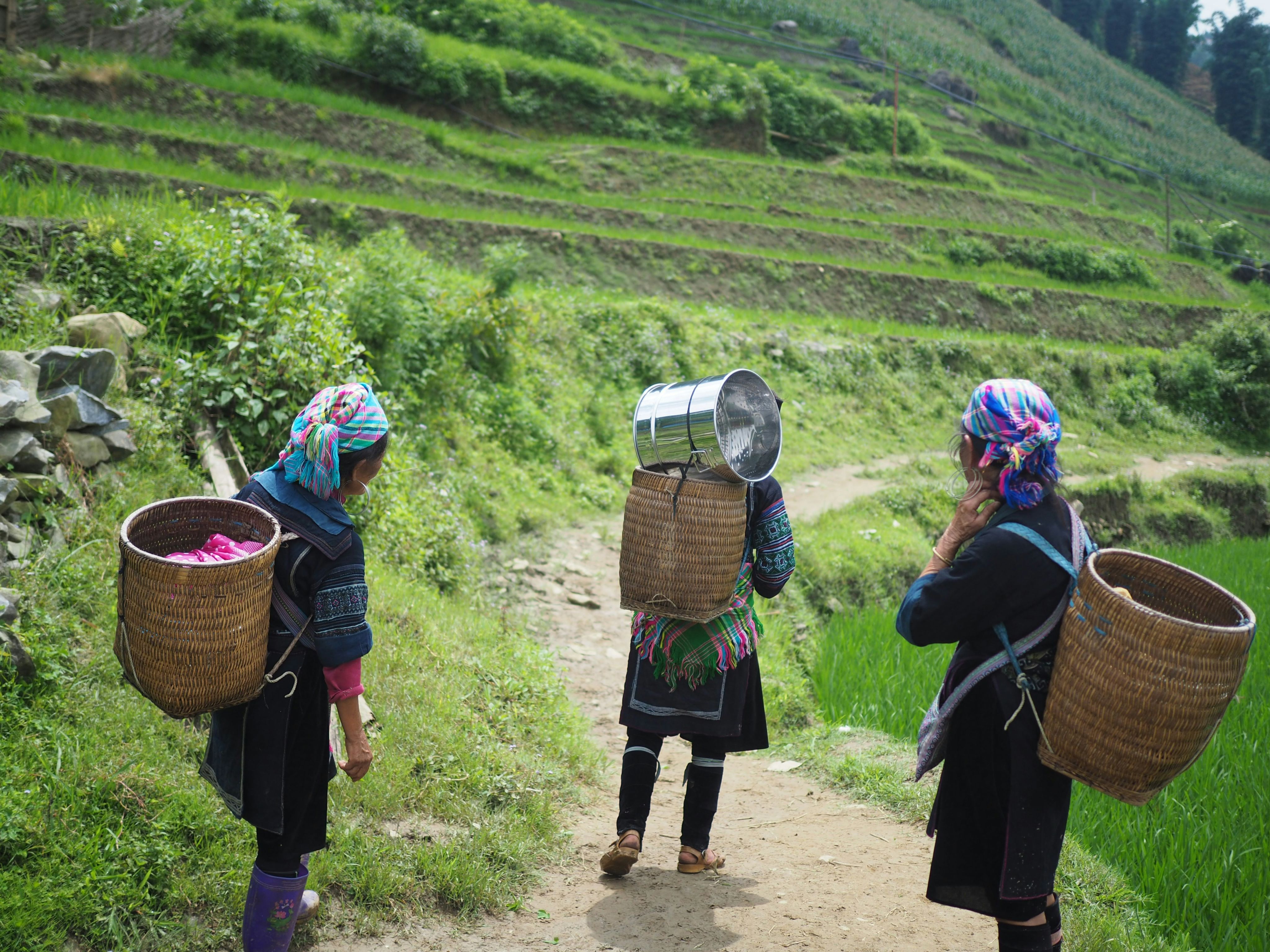
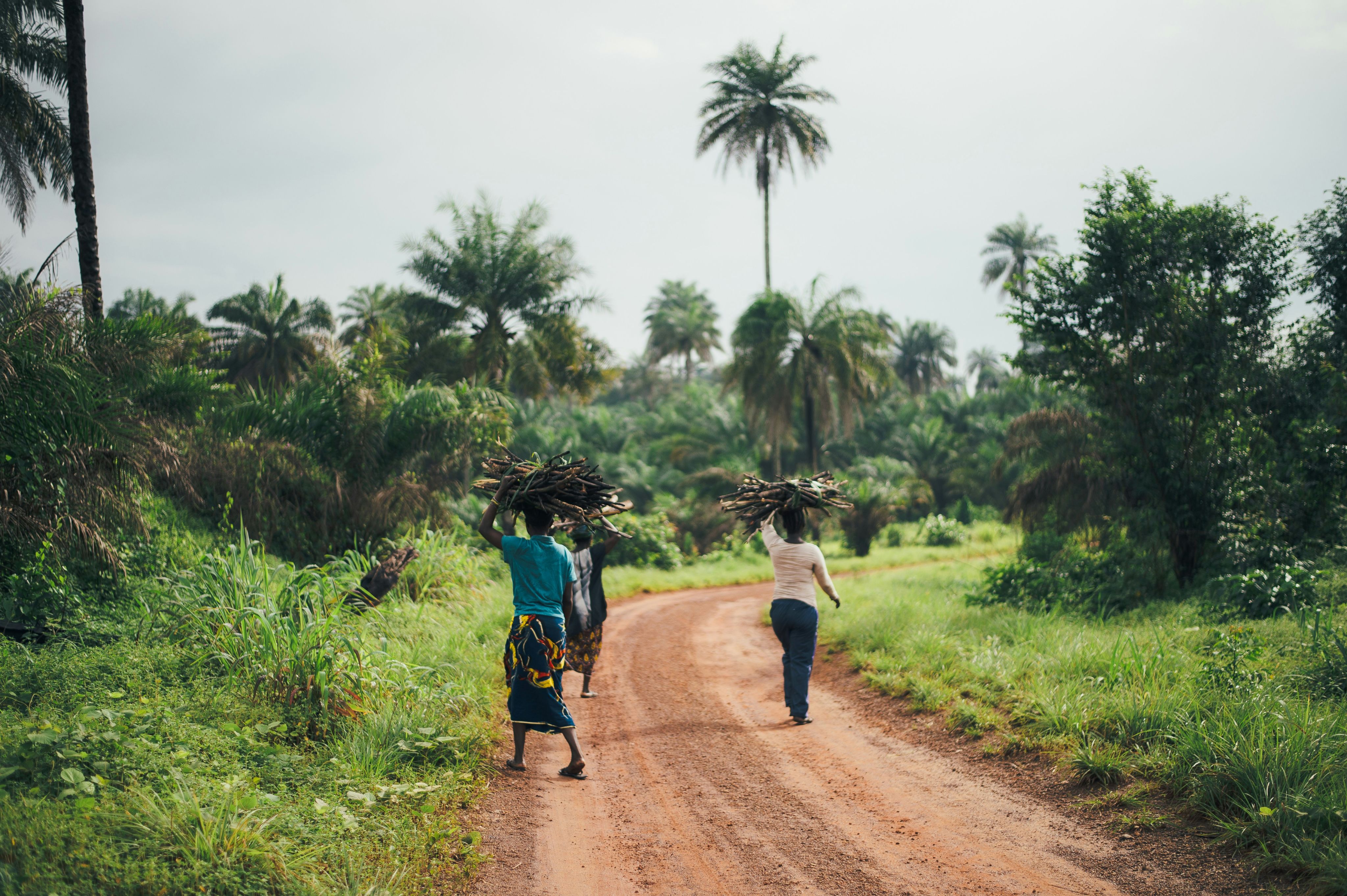
Rural women are the backbone for families, communities, and nations, but they're suffering the worst impacts of climate change and conflict and go unheard in legislation and remain unprotected and unsupported. ACWW seeks to change that.
Our work is rooted in the fundamentals of human rights. We work on behalf of those furthest behind, stand against discrimination in all its forms and work towards gender equality, accessibility, global citizenship, solidarity with those facing discrimination and sustainable development.
We do this through our values, our partnership, advocacy, sharing knowledge, and learning from each other.

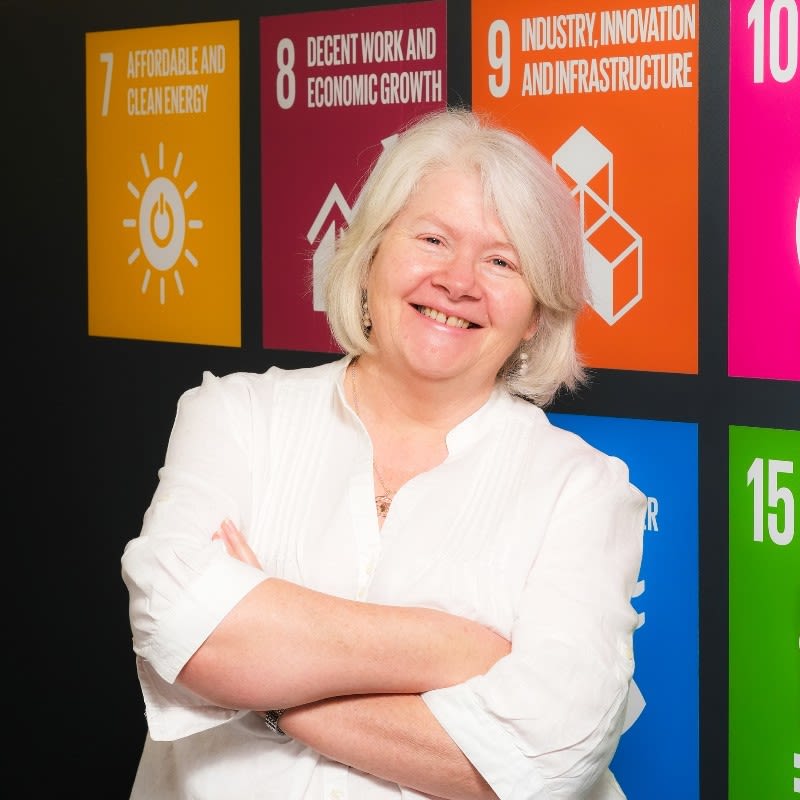
Tish Collins
Tish Collins


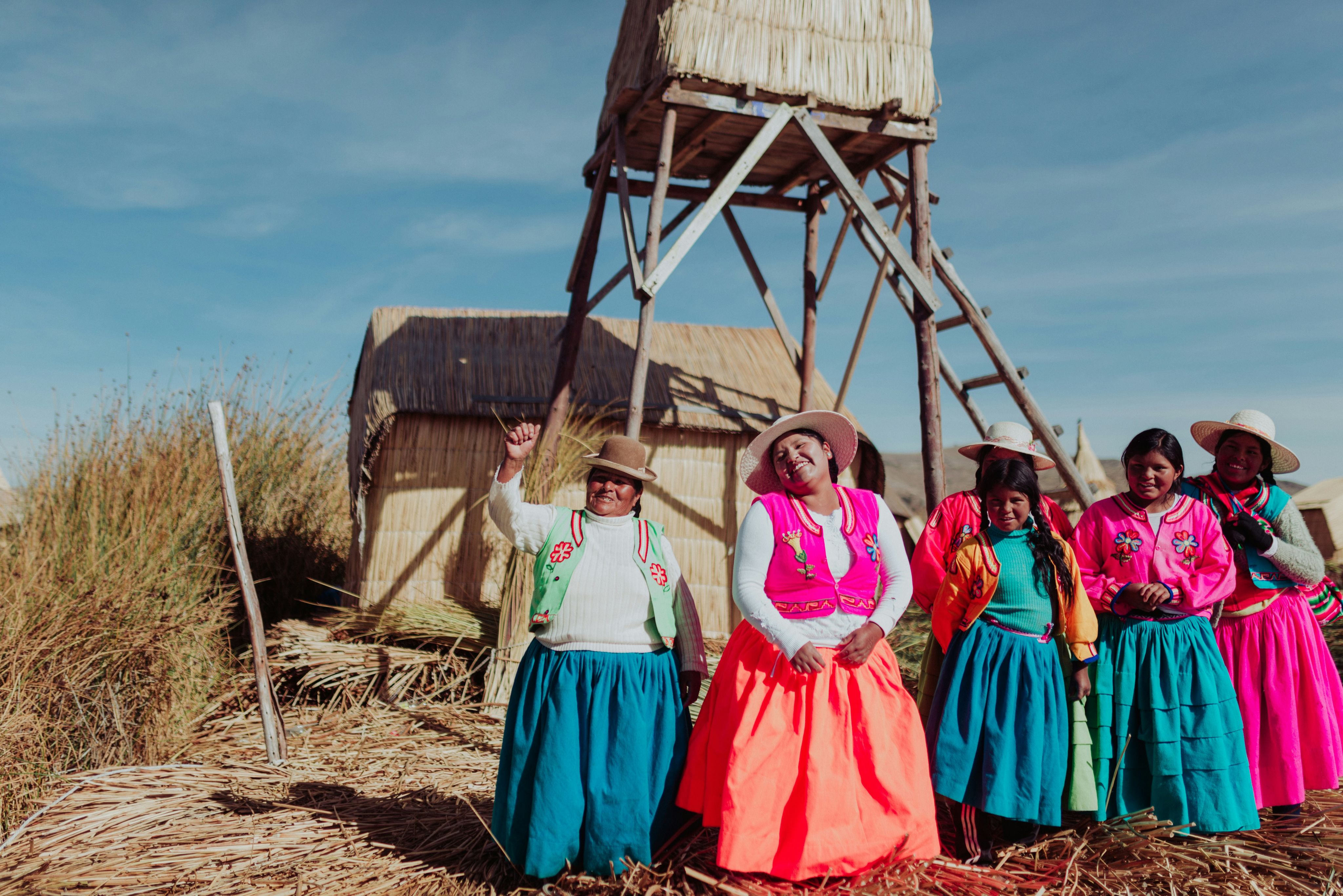

How do you attract women from rural communities to your summit?
We’re an association of societies. In the UK, we've got the Women's Institute (WI), the Scottish Women's Institute, the Northern Irish Women's Institute, and the Irish Country Women's Association.
In other countries, they've got similar societies, whether it's in Sri Lanka or Cameroon, there are women's organisations all around. A lot of attracting rural women to our summits has been through word of mouth through attending an event and talking to someone who’s involved with ACWW in some way.
We also have individual members, anybody can join ACWW, but the main structure is based on associations of women-led societies.
Are any two days the same for you at ACWW?
Today, on the way into work, I was listening to a podcast that ACWW has started with UNESCO on leadership for equality. It’s new and exciting for us and this was only the second issue. According to UNESCO, it’s the second most listened to podcast of all the podcasts that UNESCO do.
Then there are emails to read through, compliance paperwork, and this week we’re onboarding two new starters. One of those people is Vanessa who will be working in development across fundraising and social media. The world has changed, we realise we must get ourselves out there more. Word of mouth only goes so far, but if you don't have a social presence, then to some extent you don't exist.
“I own my mistakes, which I think is important as well."
What’s the most challenging part of your role?
It is the desire to satisfy people and I can’t always be sure I've done enough or got it right. Sometimes it is impossible, but I own my mistakes, which I think is important as well.
And what’s the greatest part of your job?
Overall, it's that I am helping to make a difference, helping to improve the lives of rural women. That's what motivates me to come to work.
We have an anthem at The World Conference, which is the Song of Peace set to Sibelius’ Finlandia. When you get five or 600 people standing up holding hands, and singing, that always makes me cry. It sums up that friendship, that desire to work together to be women, whatever your social status or anything else, you're working in harmony for something, which really means something to me.

 Built with Shorthand