
'Extreme leadership': we catch up with three global adventurers
Among the speakers at IMEX Frankfurt in May are three remarkable adventurers. We quizzed them on why they’ve been chosen to speak about ‘extreme leadership’ at this year’s show.


Before you read on, remember this - we don’t all have to climb mountains, lead expeditions or break world records to become better leaders!
What all three individuals have in common is that they've pushed boundaries and overcome barriers, leading to some incredible insights into what it means to lead yourself under trying circumstances and to lead others through tough times.
Let's meet them...
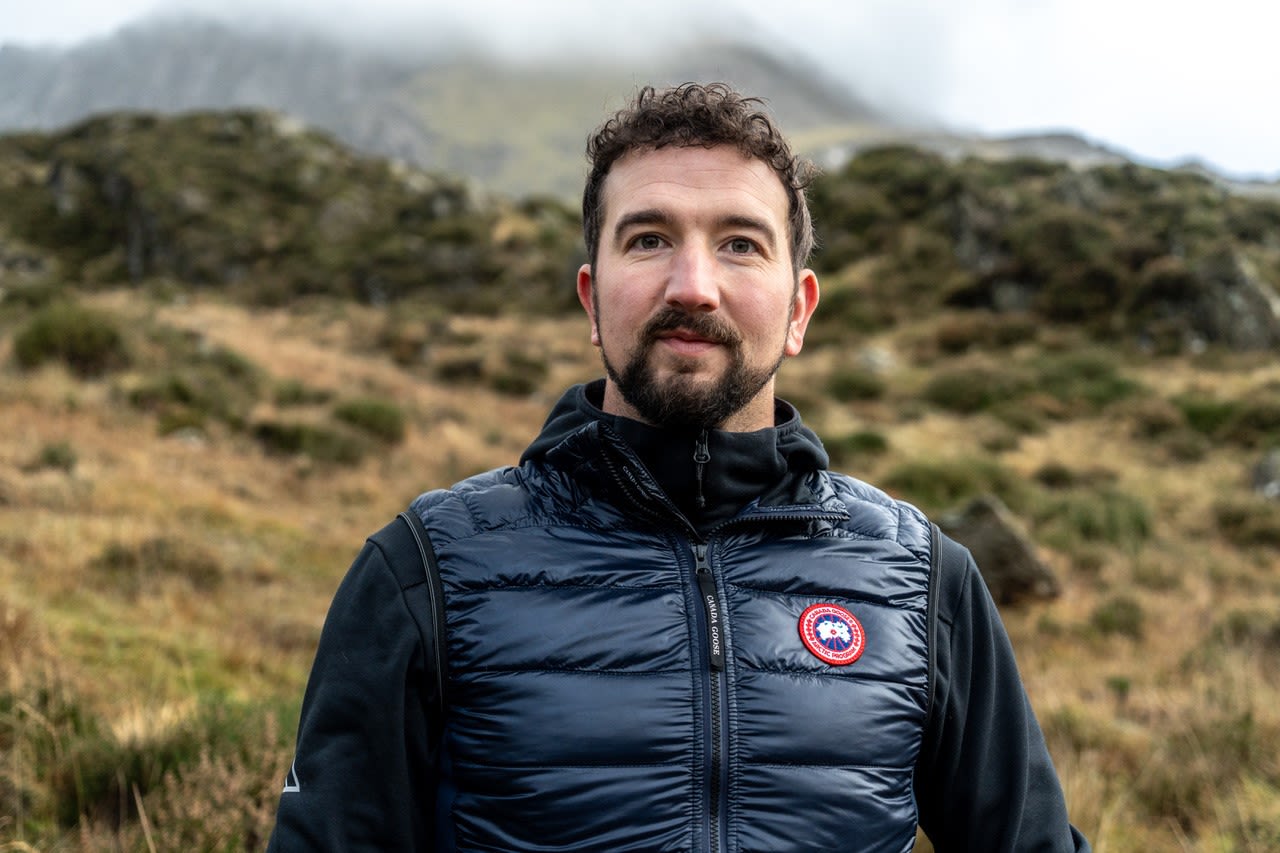
Darren Edwards
One of the world’s leading Adaptive Adventurers and founder of a company offering expeditions to individuals with disabilities. Since his life-changing injury, he has focused his recovery by taking on new and ambitious challenges, becoming the first person with a disability to complete the World Marathon Challenge (7 marathons in 7 days across 7 continents) and leading a team across Antarctica to reach the South Pole.
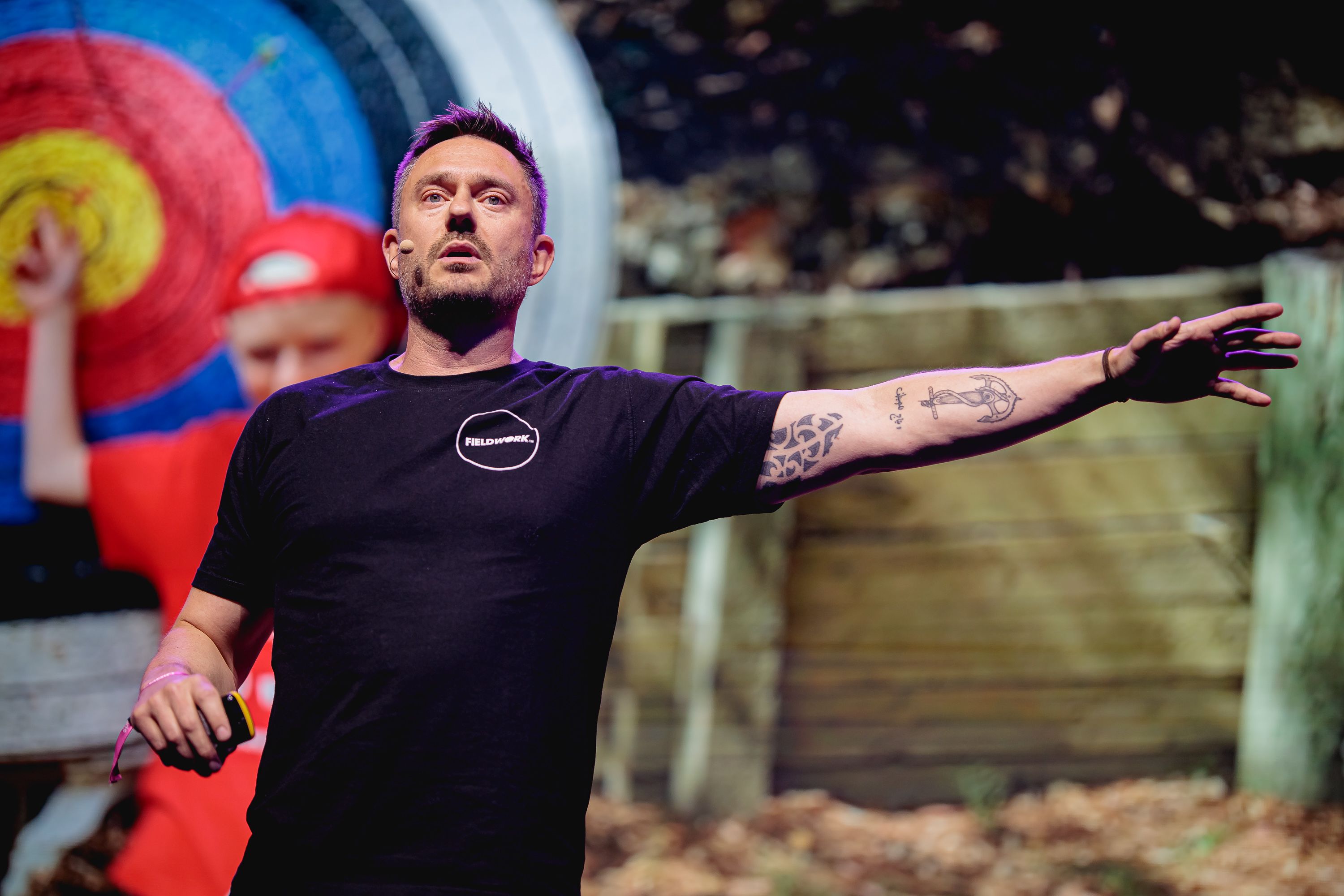
Josh Stinton
Known as the ‘charity adventurer’. From unicycling down mountains to cycling across oceans (in case you were wondering it was on a static bike on a boat!), Josh undertakes global challenges in aid of children’s charities and has achieved three world-first records in the process.
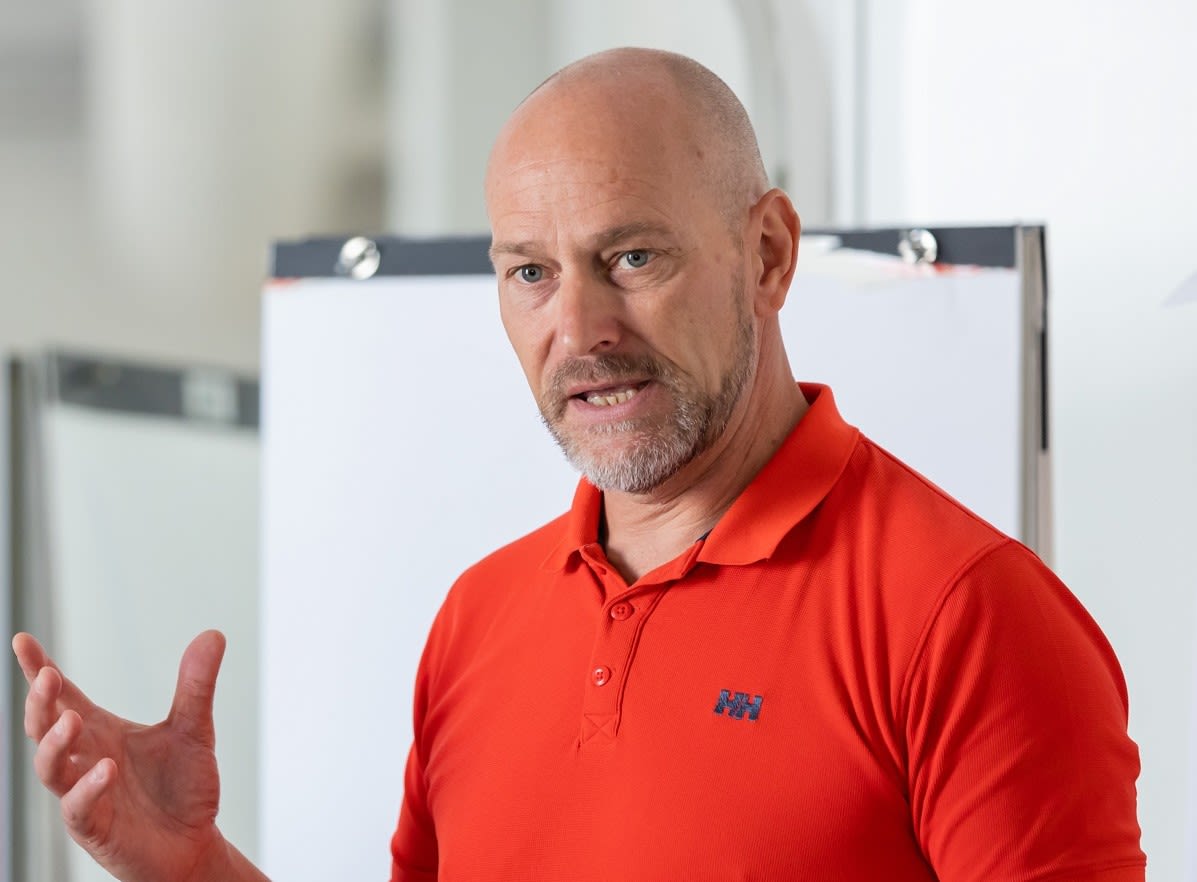
Matt Garman
Adventurer and business owner. He believes there’s a fine line between leadership in business and adventure, when it comes to training for success. His career has taken him from a fishing trawler in the English Channel to leading a team rowing the Atlantic Ocean and heading up a relay team to swimming the English Channel.
What specific skills do leaders need in order to deliver a positive impact on their business or team?
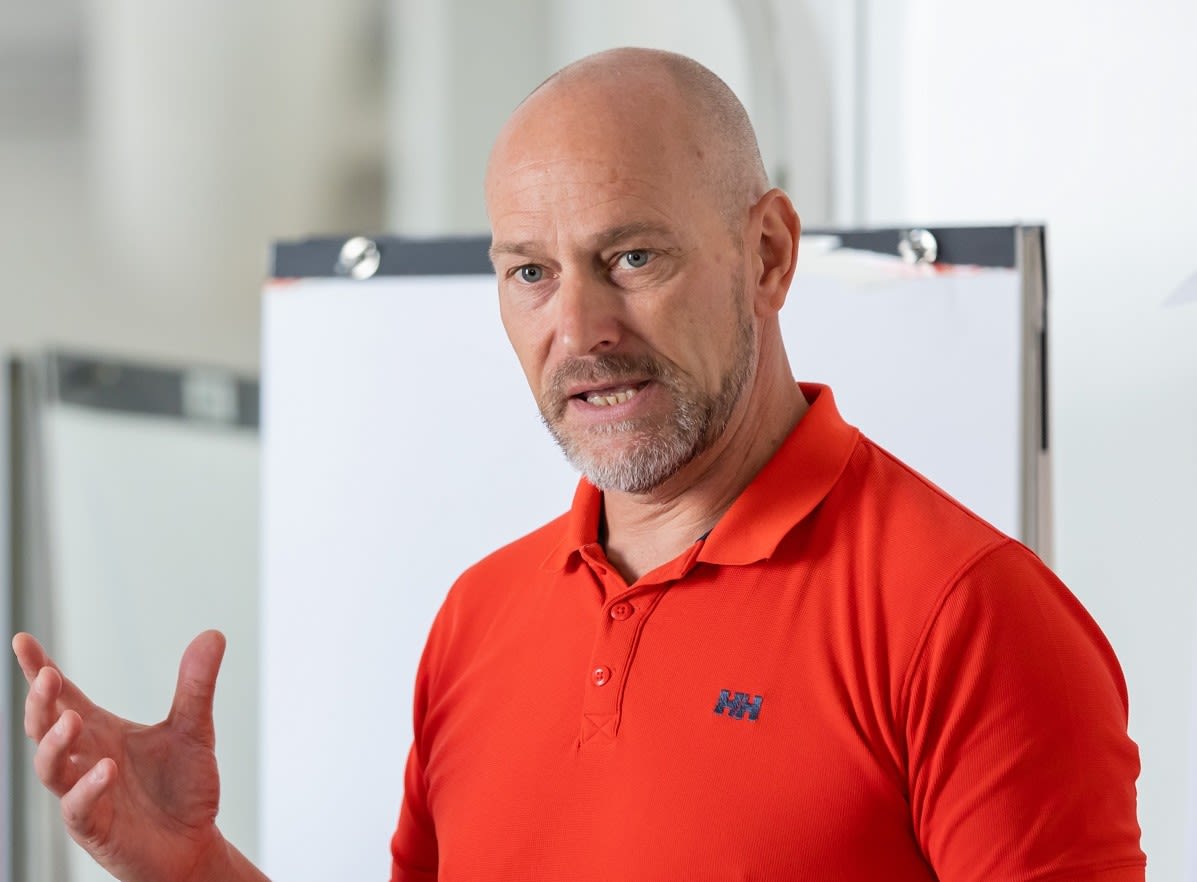
Darren: I’ve seen how the ability to lead with three core values: ambition, empathy, and humility has huge impacts on a team’s ability to succeed in its mission.

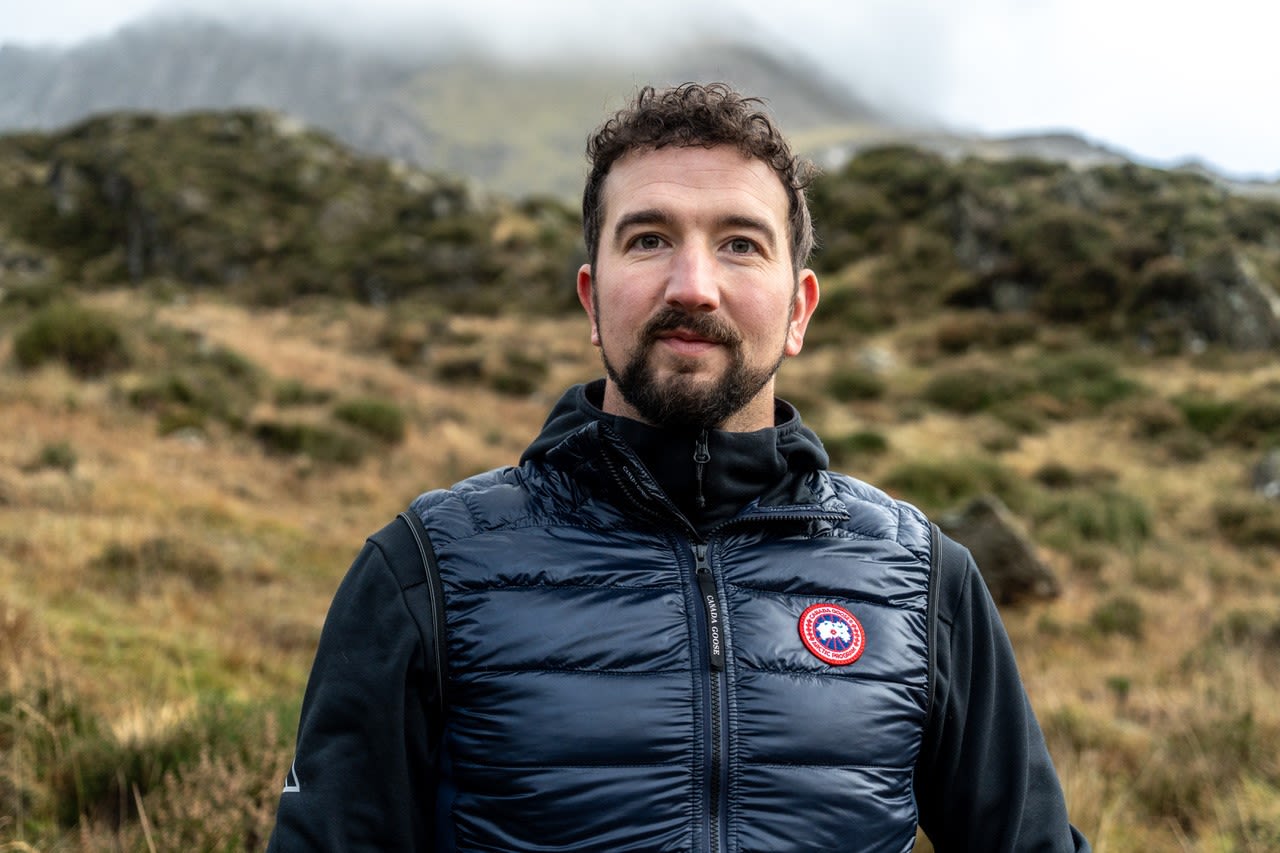
Darren Edwards
Darren Edwards
A sense of ambition sets an example to the team that there’s a commitment to the unrelenting pursuit of excellence.
A sense of empathy helps to empower those within the team to overcome the setbacks and struggles they might face.
A sense of humility promotes trust and reminds a leader to look to others for solutions.
Matt: Trust your team. Just give them the space to make decisions, solve problems, and prove they’re capable of doing stuff. Micromanaging kills trust faster than anything else; if you believe in people, they rise to the occasion.

Matt Garman
Matt Garman
Also, admitting you don’t have all the answers isn’t weak. It’s real - and real builds trust.
If trust comes first, leadership will follow.



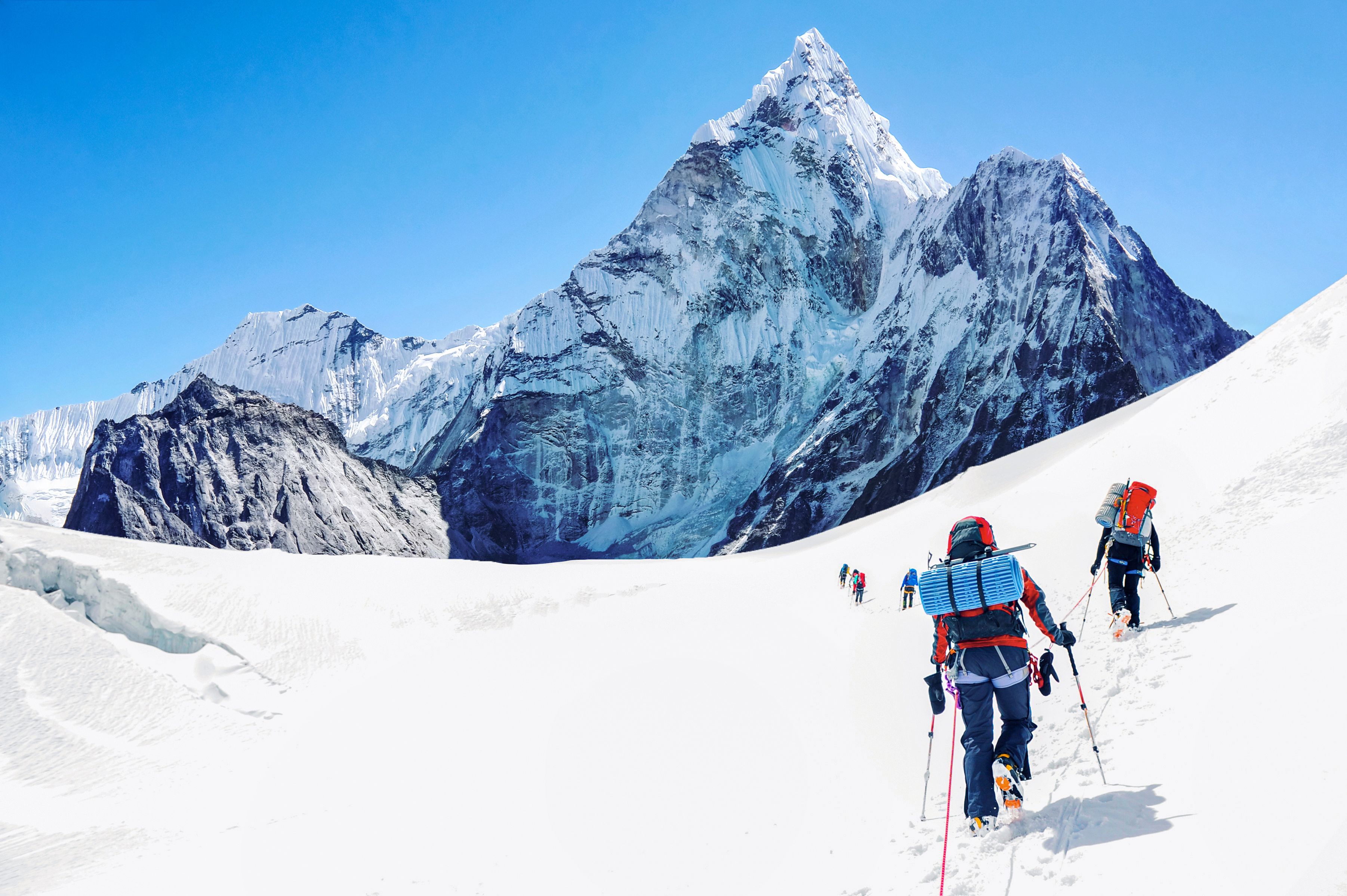






2. What steps can leaders take to build resilience?
Josh: First of all, understand that resilience has nothing to do with being strong or tough, it’s about how we adapt to our environment and cope with change.

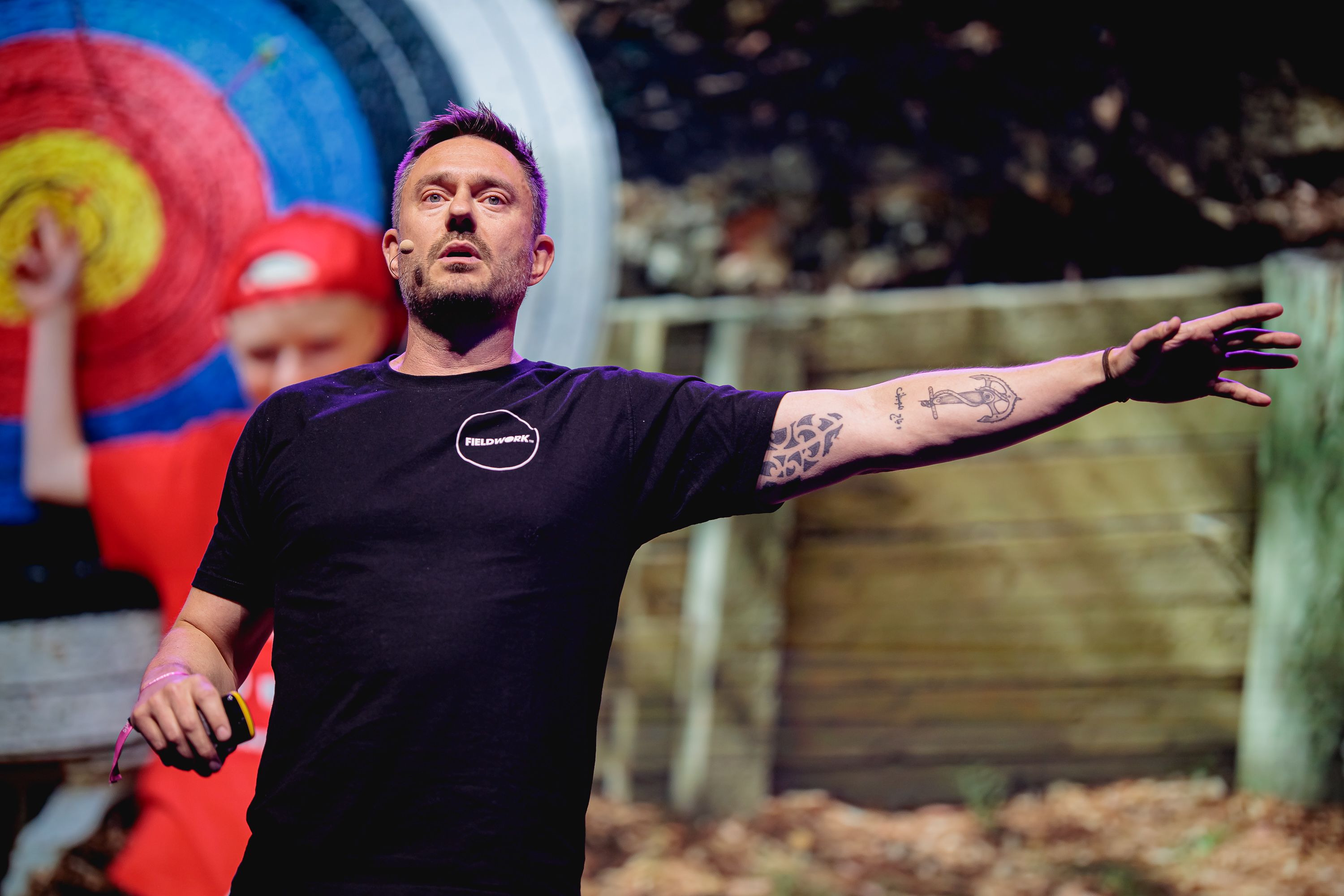
Josh Stinton
Josh Stinton
We should look for the ideas and people that can help us find the opportunities in change.
Matt: We’re all aware that leadership is lonely, but the best leaders know they don’t have to work it all out on their own.
Surround yourself with good people who are slightly removed from day-to-day business, such as peers and mentors. I believe that having the right people around you can be the difference between failure and success.
3. What’s the single most important challenge facing leaders in 2025?
Darren: While the calendar has only just ticked into March, it already feels like 2025 is going to be a year defined by uncertainty and change. Successful leaders will be those who find a way of embracing the pace of change as an opportunity to innovate and rewrite old scripts.
Matt: The world moves fast and the leaders who stay relevant are the ones who keep learning and stay curious. That’s what keeps them adaptable and ahead of the game.
The best leaders are often the ones who ask questions, sometimes those that others don’t feel comfortable asking. For example, how many things in your business are done a certain way just because ‘that’s how we’ve always done it’?
I’ve always felt that curiosity is a great thing too. Some may be uncomfortable with such conversations, but to me curiosity drives learning, sparks creativity and helps keep you ahead of the game.
Josh: What I've learnt from briefing meetings and workshops around the world over the past few years is that leaders are facing a need to create an "own it" culture in their business. Employees - especially younger generations – want to feel ownership of their work. People want to care for and grow what they know they've had a hand in.
Leaders can foster this by regularly checking in with team members and clients to ask: are we truly intentional about what we're working on? If not, how can we get back on track, or choose paths that we’re really serious about?
- Meet the adventurers at IMEX Frankfurt where they’ll be hosting learning sessions as part of the 150+ session-strong education program.
- Join Darren’s panel sessions including - Lessons in extreme leadership with Sarah Furness and Rob Hosking
- Join Josh’s session - The own it effect: Lessons from a charity adventurer
- Join Matt’s session - The unconventional way to better leadership
IMEX Frankfurt takes place May 20-22 – register to attend here.

 Built with Shorthand