
A day in the life of Narek Arakelyan
"Motivation is not a constant state but a dynamic force"
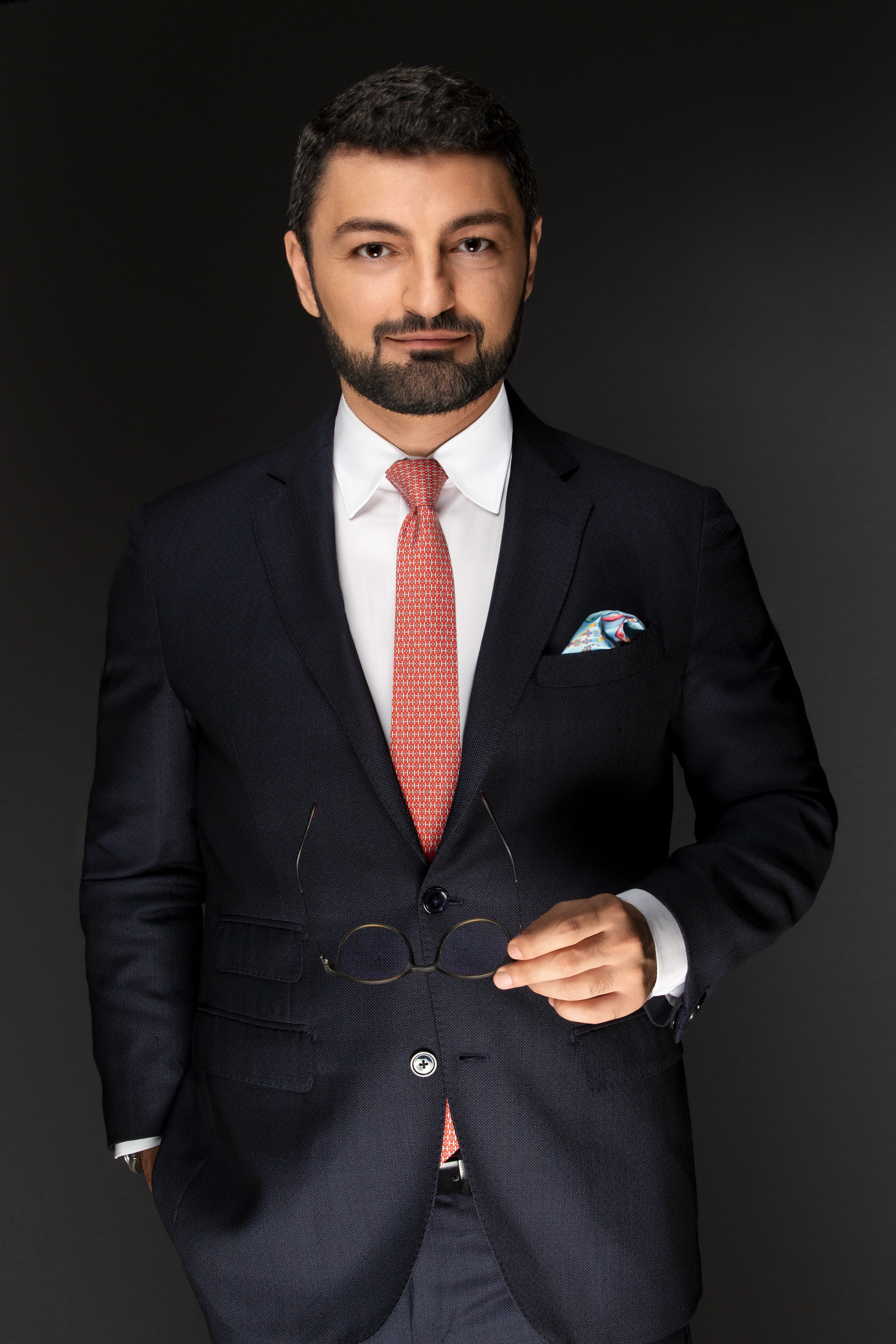

Narek Arakelyan, secretary general at The International Real Estate Federation, talks to Holly Patrick about self-motivation, colleagues, and getting the better of imposter syndrome…
What's your current role?
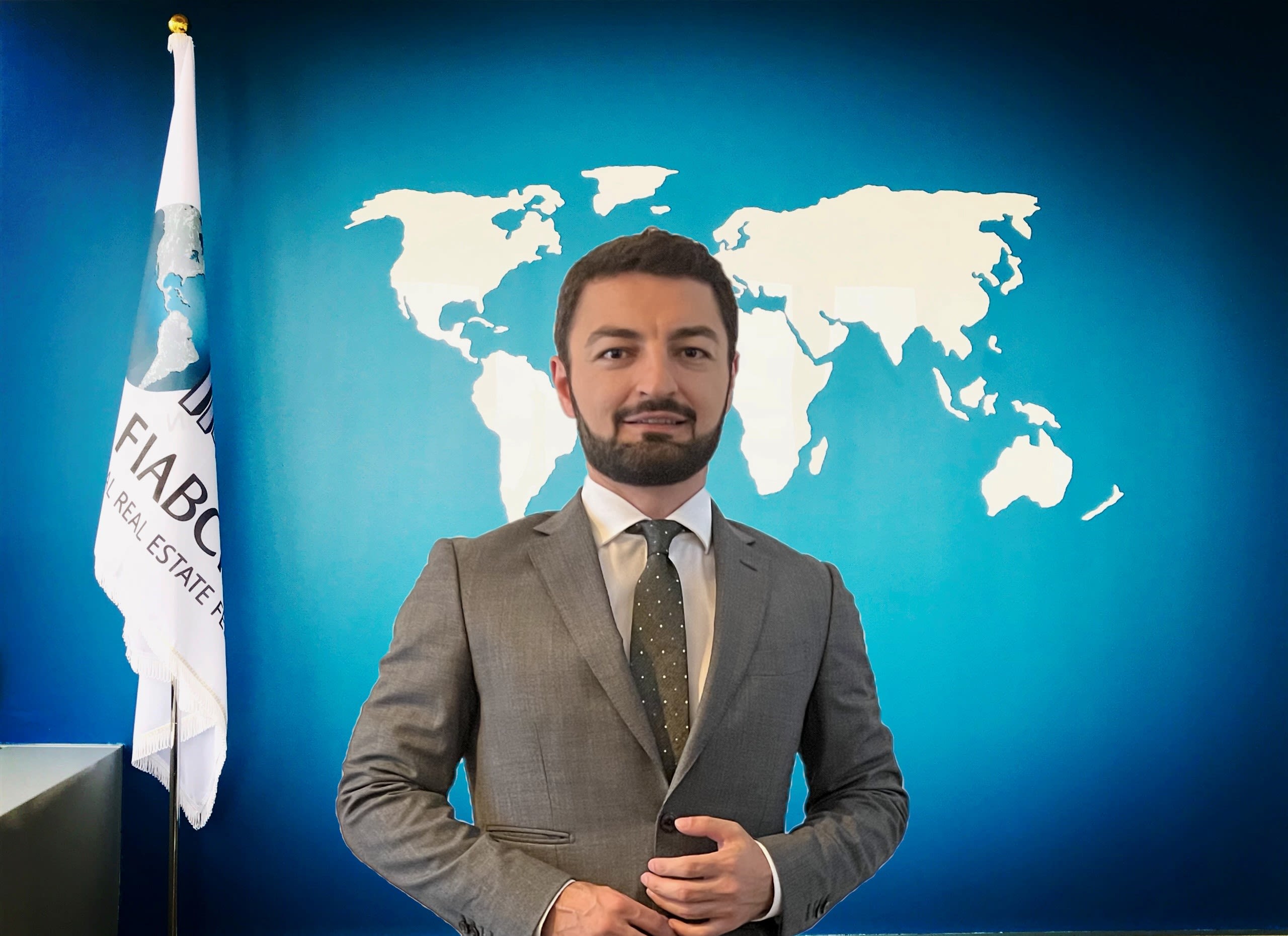
I’m the secretary general of The International Real Estate Federation, an organisation that was created back in 1951, just after the Second World War. It’s a world business networking organisation for all the professions related to the real estate industry including architects, developers, investors, construction companies, property managers, and brokers.
How do you stay motivated?
It’s important to understand that motivation is not a constant state but a dynamic force that can fluctuate.
What matters most is not ignoring this fluctuation but learning to recognise and address it promptly. The key to staying motivated is acknowledging the natural ups and downs that come with the job and to do this effectively, it’s essential to develop the skill of identifying any decrease in motivation and understanding its causes.
This proactive approach enables us to take corrective action swiftly. Setting both long-term goals and short-term objectives can be a helpful strategy. Having a balance between these two allows us to maintain motivation, even when we face some setbacks with short-term objectives. If they don’t go as planned, we can still focus on the bigger picture and continue working towards our long-term goals.
It’s very important to stay motivated because this helps to motivate the team. Sometimes it’s about not showing your own feelings, because you don’t want your team to see you failing. They can’t see you hesitating. They need a clear decision, and they need your support.
What does a good start to the day look like for you?
My typical morning routine involves enjoying a good cup of coffee with my wife followed by a quick review of the news and emails. It’s a simple, yet effective way for me to start my day.
Are you a tidy-desk-tidy-mind or a messy creative?
Sometimes I can be a messy creative. But day to day I am generally a ‘tidy-desk, tidy-mind’ person. My day normally starts the evening before when I make sure everything is well arranged on my desk before I leave the office. This helps me maintain maximum concentration and feel comfortable in my workplace.
How many events are you working on right now?
We have three major global events every year. One is the World Congress that we have been organising since 1948. We don’t organise it ourselves from the general secretariat, we just supervise so that everything is being done in compliance with our manuals.
Similarly, we have the leadership summit, which is organised by a host chapter. Again, we supervise to make sure that everything is done properly because our members and non-members who attend our events have a certain expectation.
Then we have MIPIM, which is the world’s biggest international real estate fair, every year in the second week of March, organised by a French company in Cannes, in the South of France. This is an event where we have important participation with our pavilion, and we also have a traditional gala dinner the night before.
This is the only event that we organise with a team of the general secretariat.
"I don’t think I was born as a secretary general… I think it’s a learning journey for everyone."


What's the best part of your job?
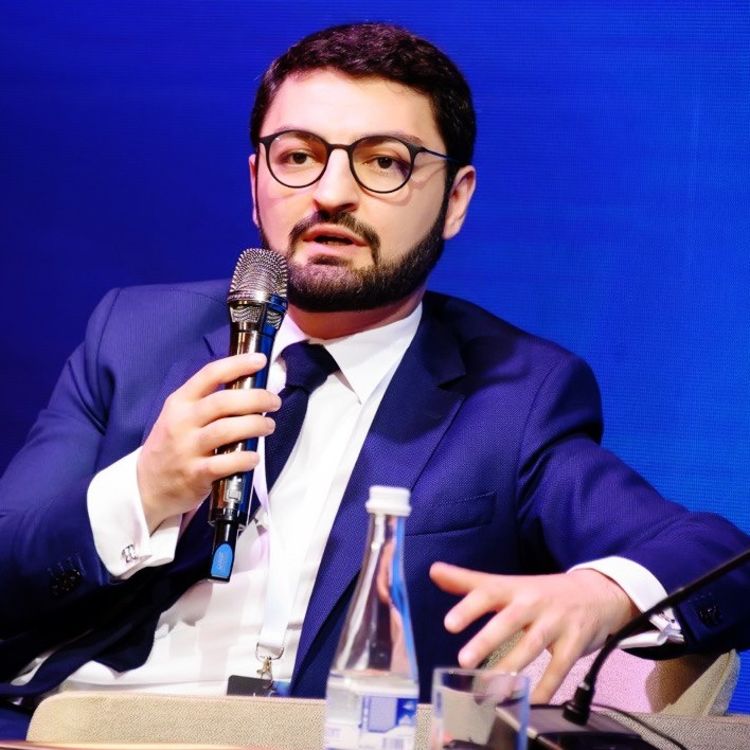
I enjoy visiting our members in their respective countries or meeting them at our events. They are a boundless source of inspiration.
Meeting our members in-person allows me to connect with them on a deeper level and gain valuable insights into their needs and aspirations.
Do you ever suffer from imposter syndrome?
I don’t think I was born a secretary general, and I don’t think we can know everything.
We can’t always have the answers to every question, and we might often find ourselves in a very challenging and difficult situation, where we might not feel competent. So, it’s important to ensure that we keep learning every day. And whatever we do not know, we can learn.#
Fortunately, we’re living in a world where knowledge and information is widely accessible and quite often free of charge.
What's the most difficult part of your role?
Probably the most challenging aspect of my work is when members and team members of chapters are sick or have suffered a loss.
While this of course has an impact, my job is to make sure it doesn’t have too much of an impact on the work we’re doing, while of course supporting those affected.
Do you have any advice for aspiring association professionals?
Building strong relationships with our members is the cornerstone of success in association management. Understanding their needs, their thinking, their country’s cultures, and immersing ourselves in their businesses are all critical factors of this.
I am convinced that uncompromised integrity and unwavering dedication are the fundamental pillars when working for an association. These qualities ensure that your actions are aligned with the organisation’s mission and that the trust of its members remains steadfast.
If you weren't in the association management business, what would you like to be doing?
I would love to go to space. I’ve already had this conversation with my wife, so she knows that if the opportunity arises for me to travel to space, I will go.
But if I could have another job, I would love to be a pilot. I am passionate about aviation, and I also recognise that it shares many similarities with association management.
Being a pilot requires methodical planning, attention to detail and the ability to adapt to changing conditions. All of these are skills that translate into association management.
 Built with Shorthand