



The business events sector is desperate to be recognised as an industry in its own right.
Every industry association talks about its role in advocacy, about our economic contribution, about jobs supported, about the value of face-to-face. We want seats at government tables and to be understood alongside established sectors. We want legitimacy.
And yet, in the face of escalating geopolitical instability that directly affects energy, cost and travel - the foundations of the business event industry - there is largely silence…
There is a major conflict unfolding in the Middle East. It may de-escalate quickly. It may not. Its duration is not the point.
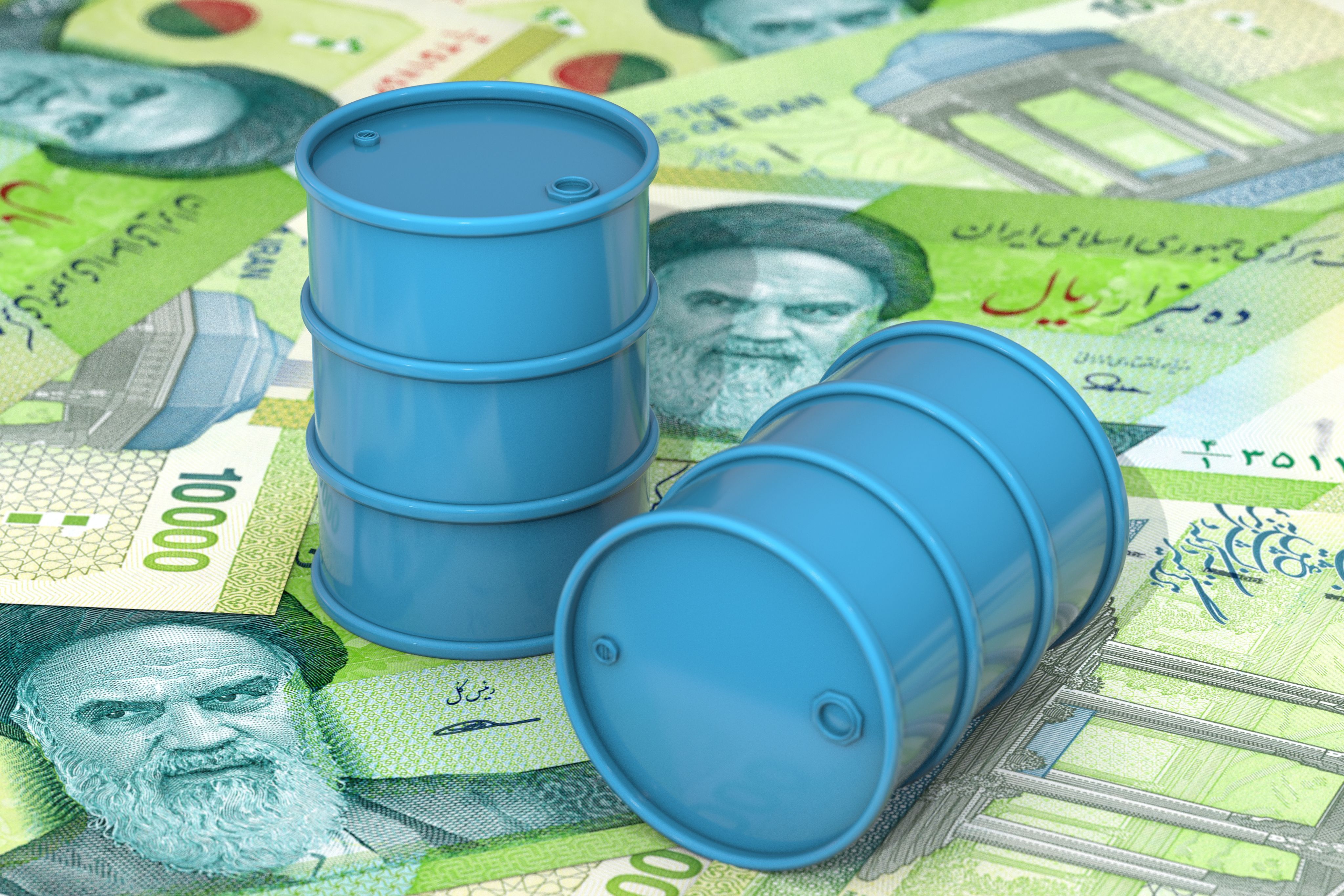
War creates long term instability in affected regions. But when oil is involved (as it so often is) it creates global volatility. You don't have to look far to find news that the cost of oil is rising, the stock market is panicking, and that no-one in authority has any answers about how long this will last.
When oil rises sharply, everything else rises - and just as often everything collapses in the wake.
For events, this has a significant, direct impact on short and long term viability. Freight costs rise; supply chain costs rise; venue operating costs rise; airfares rise; DDRs rise; client confidence reduces and their budgets are cut.
Corporate events decline, sponsors grow cautious, exhibition floors contract... This is not abstract, we've lived it before - 2008, 2020 - and we're possibly about to live it again.
And what happens to the margins of every event business? They compress. Costs have to be managed: labour is reduced and talent leaves. Which means capacity shrinks and that shrinking capacity drives costs up further when the industry begins to recover.
If we were behaving like a mature industry, this current conflict would trigger coordinated action from industry leaders. Risk briefings; guidance for organisers, venues and destinations on managing volatility; the publication of modelled scenarios and cost impact projections so business can be informed and make decisions accordingly. A mature industry with real leadership would present a consolidated, unified, calm, grown-up position.
The Exhibition and Conference Alliance (ECA) is an exception, and where a demonstration of maturity is growing, with regular legislative action days in Washington DC, and taking a clear line on everything from immigration policy to tariffs.
That said, this is largely US focused and still a very nascent alliance, made up of organisations that claim leadership and position themselves as the home or the voice of the sector. If that is the case, then we should expect them to deliver and as a member to some of these “leading bodies” - this is a fair expectation for me to have.
The important work does not only exist in the moments of convening. It has to happen 24/7, 365.
Leadership is not simply claimed. It isn't about size or influence, although they help. Leadership is bestowed when people look to you because they trust you to acknowledge reality and risk - and believe you'll guide them through it.
Because if we want to be recognised as an industry, then moments like this are precisely when we can, should and need to prove that we are one.
And that means unifying around the single most important thing that would help reduce the impact of shocks, support stability and confidence in the sector, and model what transformation can actually look like.
Sustainability is about whether our sector is structurally fragile or structurally prepared ...

Sustainability
For years we have framed sustainability as a moral obligation, a reputational concern or a carbon accounting exercise and we have reduced it to reporting frameworks and side-line initiatives to replace plastic bottles. But that framing is too small.
Sustainability properly understood is resilience. It is business continuity planning. And business continuity - at its most base level - requires energy security, supply chain stability, and people willing to buy.
At a moment where energy prices are set to rise and margins are about to be eroded, the venues that have invested in on-site renewables have not simply been chasing virtue, they've also been hedging risk. Those investments will have mattered when geopolitical instability ripples through global supply chains and energy prices spike.
Those investments will have mattered because those venues will be the ones that can keep the lights on and hold their pricing steady - which makes them a more competitive and far less risky bet for organisers who want stability.
This is why the conversation about sustainability has to change. Because sustainability in events is not, and it never should have been, about plastic bottles.
It is about whether our sector is structurally fragile or structurally prepared.
Regardless of whether the benefit of being 'recognised' as a sector is worth the effort invested, we cannot demand recognition as a serious industry while behaving like a loose network of commercial actors hoping volatility spares us.
If we want to sit at government tables, we must demonstrate that we understand risk at a systemic level. If we want to be taken seriously, we must show that we can guide our own sector through instability. Otherwise we forfeit the right to complain about how we are perceived
This is the hill I will die on: business continuity (I officially retire the term sustainability) is not a side conversation; it is The conversation.
It is the mechanism through which we reduce individual, company and industry level exposures, build resilience and ensure sector continuity.
Until we do that, we are not an industry. We are a collection of businesses, hoping the next shock doesn't land too hard.