
For associations, Dubai was a gateway to the world. Now what?
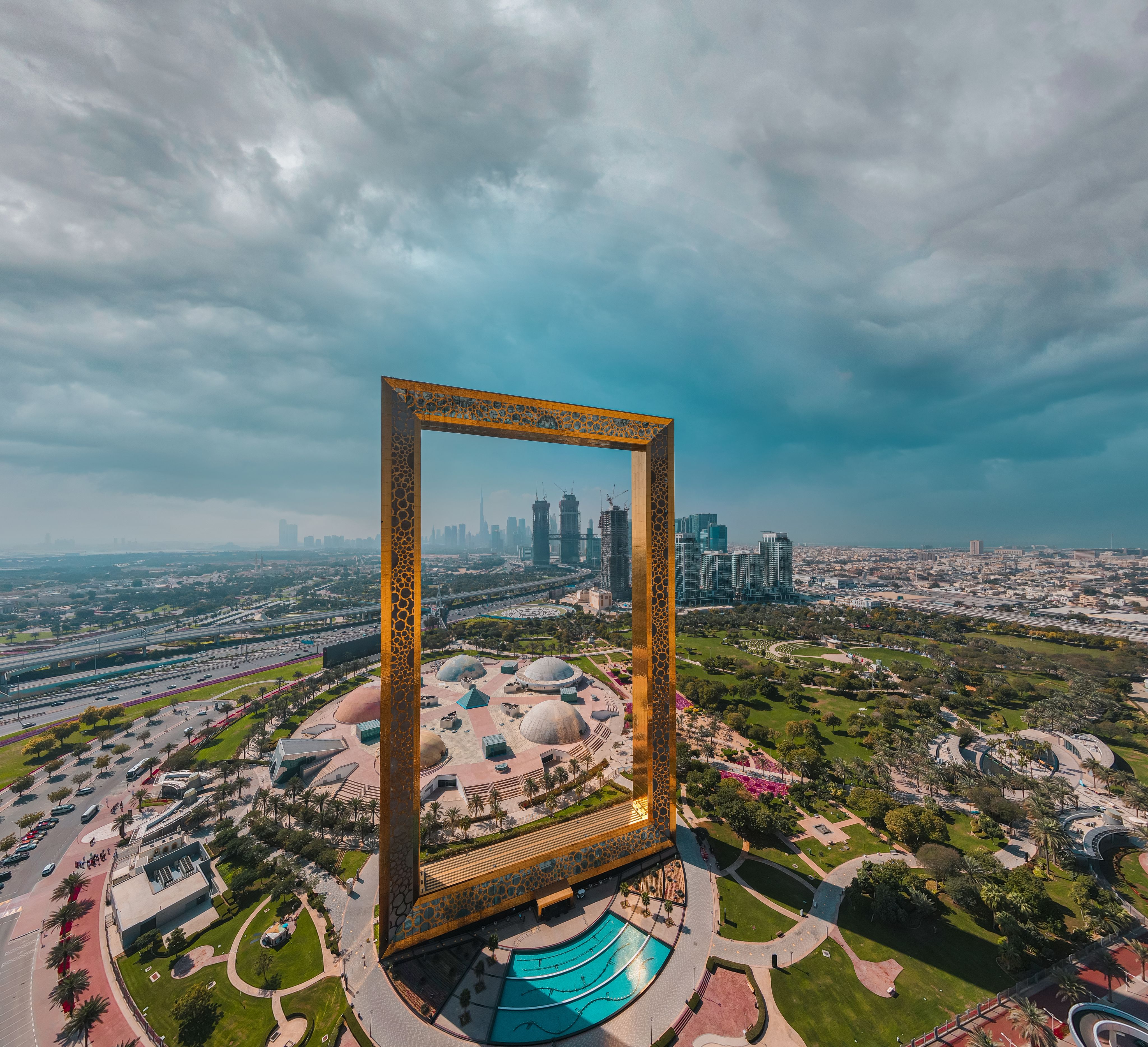

For years, the UAE has sold itself as that rare thing in the Middle East: a country outside the fray. In a region synonymous with conflict, the Emirates promised neutrality and stability. For associations looking to extend their reach, it looked like the perfect meeting ground: affluent, accessible, safe and – if you’ll pardon the marketese - ‘strategically positioned between the East and the West'.
The formula worked.
Both Abu Dhabi and Dubai have become favoured cities for associations with internationally rotating conferences. Dubai, however, has gone a step further, positioning itself not just as a conference city but a regional headquarters for associations with ambitions to spread their influence globally.
Yet the formula rested on a vulnerable premise: that the UAE could remain insulated from regional conflict. Today that assumption is being tested. The confrontation between neighbouring Iran and the US-Israel alliance has pushed the UAE closer to direct conflict. Iranian missiles and drones have struck targets across the country, damaging infrastructure and shaking investor confidence. The image of the UAE as a peaceful sanctuary has been brought into question.
The neutral hub strategy
Dubai’s rise as a conferencing and association hub was not accidental. It was the product of a deliberate policy to install ‘business events’ as a central plank in the city’s long-term economic growth strategy. Dubai has invested billions in conference infrastructure, hotels, and aviation connectivity. Its main airport links hundreds of destinations, its visa regime is relatively open, and its business environment is purposefully designed to attract international organisations.
The Dubai Association Centre (DAC), headquartered at the Dubai World Trade Centre, is a shining example. Created in 2014 through a partnership between Dubai Chambers, the Department of Economy and Tourism and the trade centre authority, the initiative made it easier for international associations to establish regional offices in the emirate. Today, around 100 associations are licensed under the DAC, a mix of local and international associations across a range of sectors from law to medicine. Conference organiser MCI runs its Middle East association management business from Dubai and has a strategic partnership with DAC offering support to associations who want to put down roots in the region.
A year later, in 2015, Dubai, along with Brussels, Singapore and Washington, became a founding member of the Global Association Hubs Partnership, whose founding proposition was that associations are far more important to a city's economic ecosystem than the revenue generated by their conferences and events.
The UAE’s neutral stance has underpinned Dubai’s growth strategy, allowing it to market itself as a place where world leaders could meet without political baggage. For international associations - especially those with members spanning rival countries - this mattered enormously. Choosing where to hold a meeting or establish headquarters is often a diplomatic decision. Dubai’s open and friendly brand promised that no one would feel excluded.
Tensions exposed
Yet Dubai’s neutrality has often looked more commercial fiction that political reality. Trade between the UAE and Iran was heading towards $30bn before the current war started, with the trade balance heavily in the UAE’s favour (it sold roughly $20bn in goods to Iran last year).
But the country has never truly stood outside regional security politics.
The UAE is one of Washington’s closest partners in the Gulf and has cooperated with US forces in multiple conflicts, including Afghanistan and counterterrorism operations. American military assets operate from facilities such as Al Dhafra Air Base, a key hub for US air operations in the region. Meanwhile, Dubai’s Jebel Ali port regularly hosts US naval vessels and aircraft carriers.
In other words, the UAE has long been embedded in the Western security architecture.
For years, this dual identity, commercial neutrality paired with strategic alliances, worked. The country managed to maintain trade with Iran while strengthening ties with the United States and Israel. But wars have a way of exposing contradictions. When Iran retaliates against US military operations in the region, Gulf states hosting American assets inevitably become targets.
Hundreds of missiles and drones have been directed toward the UAE, the most recent attack aimed at Dubai’s financial district ...

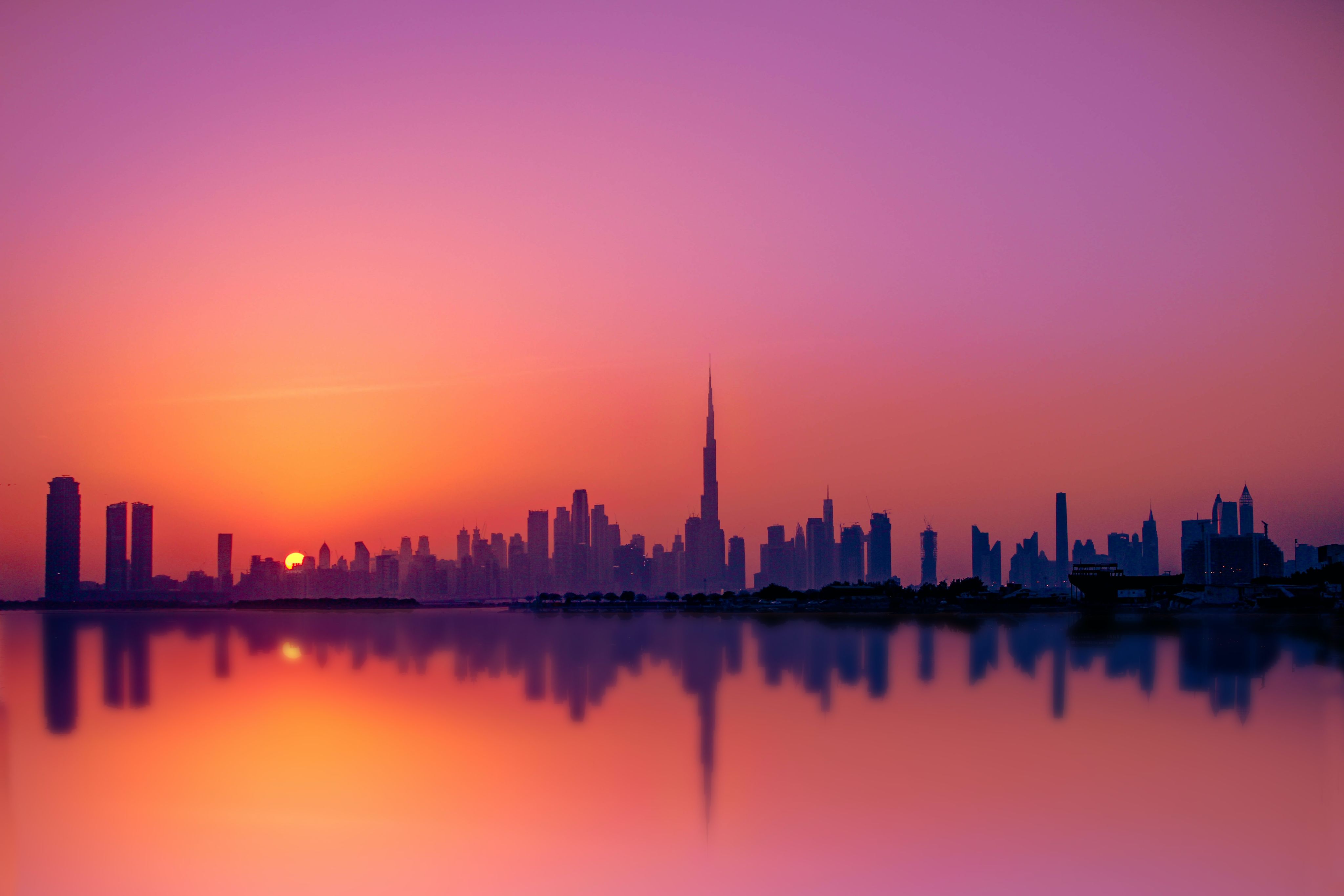
The current conflict proves the case. While most have been intercepted, hundreds of missiles and drones have been directed toward the UAE, the most recent attack aimed at Dubai’s financial district. For a country whose economy depends heavily on tourism and international business, the psychological impact may be as important as the physical damage, which is still, thankfully minimal. Dubai’s success relies on perception: that the city is the safest place to do business in the region. When that perception changes, the impact is immediate.
Numerous international meetings and expos have already been cancelled or postponed, including Informa’s 50,000-attendee Middle East Energy 2026 expo, which has been pushed back to September. Foreign businesses have begun evacuating staff, tourists are leaving, and international confidence in Dubai’s stability is wavering.
The long war problem
The decisive factor may not be the intensity of the conflict but its duration. The Gulf has weathered regional crises before. Markets recover, conferences resume, and business returns. But prolonged conflict is different. Analysts warn that a protracted confrontation between Iran and the US–Israel alliance could reshape Gulf security calculations and undermine the economic model that has fuelled regional prosperity. If missiles continue to target infrastructure and energy facilities, the risk premium attached to the region will rise.
For international associations, whose planning cycles often stretch years into the future, the prospect of recurring disruption, airspace closures, security alerts, insurance spikes, could push them to reconsider their geographic strategy altogether.
Still the best bet?
And yet, writing off Dubai is surely premature. The city still offers advantages that few can match - excellent air connectivity, modern infrastructure, financial resources and a government committed to maintaining international engagement. The UAE's leaders have consistently called for de-escalation and diplomatic solutions to regional crises. Even now, the country is trying to preserve its role as a stabilising force.
But the reality is now clear. The UAE's neutrality was never absolute - it was a strategic balancing act sustained by regional calm and careful diplomacy. If the war ends quickly, expect Dubai, and the UAE more broadly, to bounce back and its reputation as the Middle East’s safest bet for conferences to remain intact. If the war drags on, however, the cost to Dubai’s brand - and to its ambitions as the world’s association capital - could be far greater. In a region where politics never sleeps, even the most carefully constructed oasis can start to look horribly exposed.
*Take the latest Northstar Meetings Group/Cvent Pulse Survey and tell us how trouble in the Middle East is affecting your planning activity.