"I was 16 and thought I knew everything I needed to know ..."
Amanda Wrathall, the new CEO at Edinburgh's biggest conference centre tells Paul Harvey about her passion for the business, the people, and the city ...
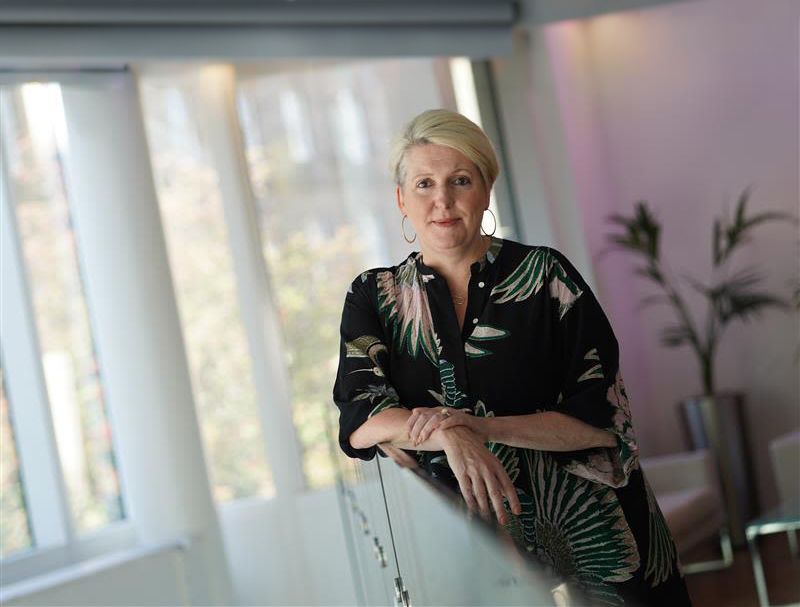

When Amanda Wrathall officially stepped into the role of chief executive officer at the Edinburgh International Conference Centre (EICC) on 1 August 2025, it marked both a significant leadership transition and a sense of continuity for the organisation. While new to the top job, Wrathall is anything but new to the business.
“I’ve been here nearly 11 years,” she explains. “I joined in March 2015 as part of the leadership team, overseeing sales, marketing and sustainability, as well as some of our project work. So while there are obviously new responsibilities, it also feels very familiar.”
Wrathall’s appointment followed the departure of former CEO Marshall Dallas, who resigned in late 2024 and completed a six-month notice period, leaving in May 2025. Despite her long-standing internal role, Wrathall was required to go through a full external recruitment process.
“It was put out to a recruitment consultant and I went through exactly the same process as external candidates,” she says. “There were many interviews, many panels - it was tough. But actually, that makes it feel better. There was no gift given.”
She reflects that internal candidates often face greater scrutiny, contrary to common perceptions. “People think they know you, but they know you in a different role. They don’t necessarily know you as CEO.”
Was it a big decision to apply? “Honestly, no,” she says. “I believe I have the skills to take the organisation forward, and I have the passion - for the business, the people, and the city.”

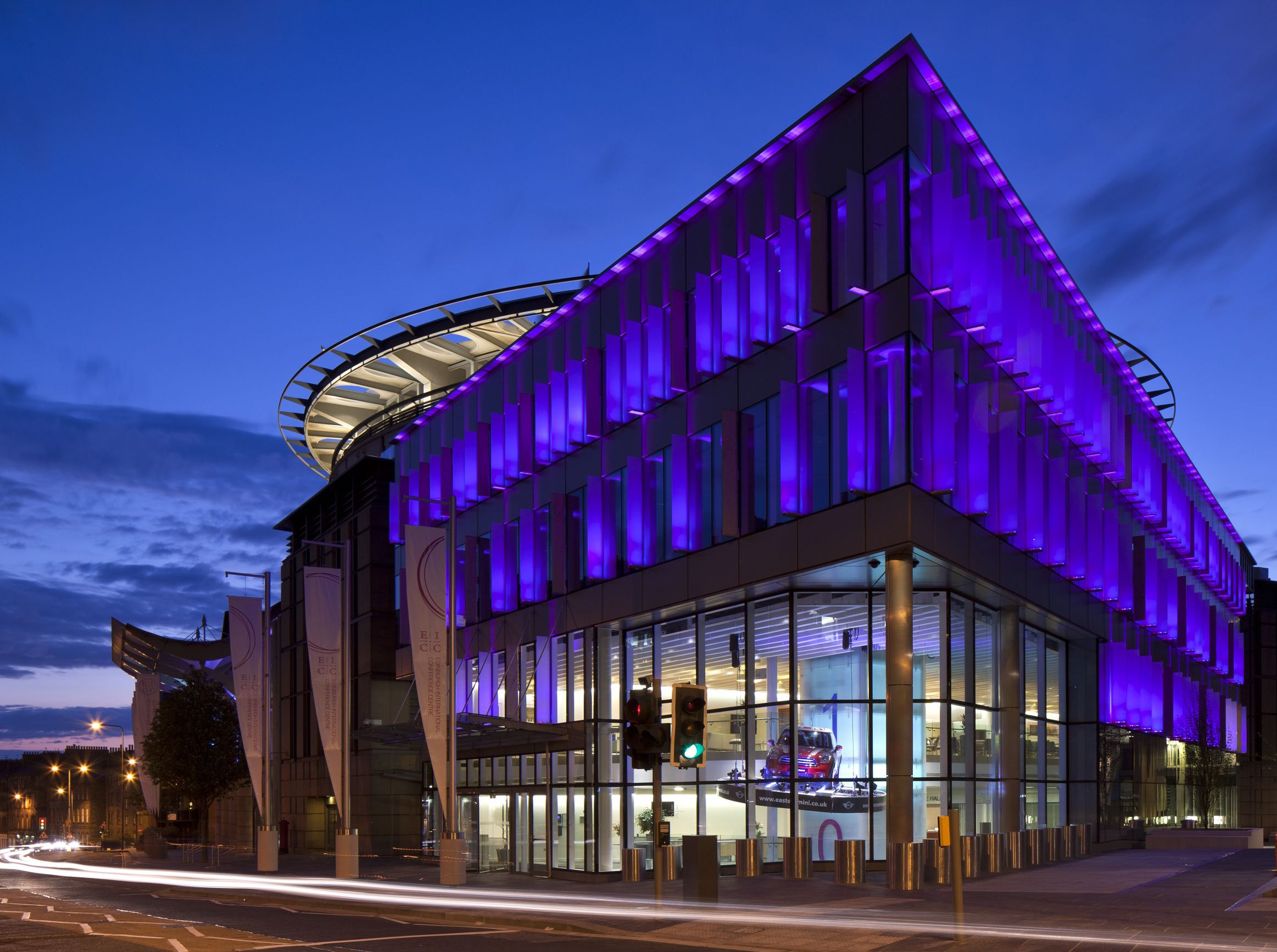
The EICC
The EICC
That passion is rooted in a lifelong connection to hospitality and events. Born and raised in Edinburgh, Wrathall’s career began early.
“I started as a banqueting waitress at 15, when it was all old-school silver service,” she recalls. “I completely fell in love with the industry and, perhaps stupidly, decided at 16 that I knew everything I needed to know. I left school and went straight into hospitality.”
Her career path took her from hotel reception to live music and events, then down to the south-east of England, before returning to Edinburgh. “Hospitality, events, tourism - it’s in the DNA. And for me, there’s no better place in the city to do that than here.”
What drew her in was the people - and the unpredictability. “Every day is different. I love catching glimpses into other people’s worlds, even for five or ten minutes, listening to leading thinkers, academics, clinicians. There’s something quite magical about that.”
A fresh perspective
While Wrathall says becoming CEO hasn’t changed her fundamental outlook, it has deepened her appreciation of the organisation’s technical expertise.
“I knew my part of the business very well, but I’ve gained a new understanding of the depth of knowledge in our engineering and technical teams,” she says. “That’s influenced my priorities, particularly around protecting the fabric of the building.”
That focus has sharpened attention on infrastructure investment. “We’ve just celebrated our 30th anniversary. Now the question is: how do we make sure this building is ready for the next 30 years?”



Wrathall is clear about her immediate priorities. “This is a year where I really want to focus on service, both external and internal,” she says. “That might sound old-fashioned, but how we serve each other matters just as much as how we serve our clients.”
Customer satisfaction at the EICC consistently sits above 93 per cent, with some areas achieving 98–99 per cent. “So the question is: how do we lift everyone, everywhere?”
To encourage innovation, staff have been set a ‘Dragons’ Den’-style challenge to pitch ideas to improve service. “We’re looking at what excellence looks like in 2026, perhaps a more casual luxury, rather than traditional five-star formality.”
Alongside service, capital investment is a major focus. “We have significant work coming up with boilers and chillers; not glamorous, but absolutely essential,” she says. “Behind the scenes is what keeps the business resilient.”
Wrathall also hints at new commercial opportunities. “There are projects underway to expand beyond our traditional offer. I can’t say much yet, but watch this space.”
Sustainability is deeply embedded at the EICC, long before it became an industry buzzword. “We’ve had a sustainability manager since the 1990s,” Wrathall notes. “That was unheard of at the time.”
Today, that work is led by Rob Turnbull, a former lecturer in sustainable building management. One of the centre’s most impactful initiatives is its partnership with RSPB Scotland.
“For every conference delegate, £1 goes towards peatland restoration in the north of Scotland; for dinner delegates, it’s 50p,” Wrathall explains. “Peatlands are four times more effective than trees at sequestering carbon.”
To date, the partnership has raised over £150,000. “It’s not optional. If you come here, this is how we do business.”
The EICC also provides clients with Event Impact Reports, covering energy use, waste, food carbon impact and logistics. “We’re zero waste to landfill, and we’ve reduced our carbon emissions by 63 per cent since 2013, while doubling the size of the building.”
But Wrathall believes the next step is broader still. “Sustainability isn’t just environmental, it’s societal. How do business events benefit the people of Edinburgh who host them?”
Wrathall has been closely involved in navigating the city’s evolving destination marketing landscape, particularly following the hibernation of Marketing Edinburgh in 2020.
“The EICC became guardians of the convention bureau for a couple of years,” she explains. “We used our existing team and worked with partners across the city to keep that function alive.”
She praises the collective response. “The collaboration has been outstanding. The industry came together for the good of the destination, and not every city could do that.”
With funding now approved and plans underway to rebuild the function, she’s optimistic. “In 12 months’ time, it will look very different. But the lesson of working together will stay with us.”
Culture, ideas and pride
Finally, Wrathall reflects on the culture inside the EICC, something she sees as one of its greatest strengths.
“Our vision is to create an environment that inspires ideas that change the world,” she says. “And our values were created by the people who work here.”
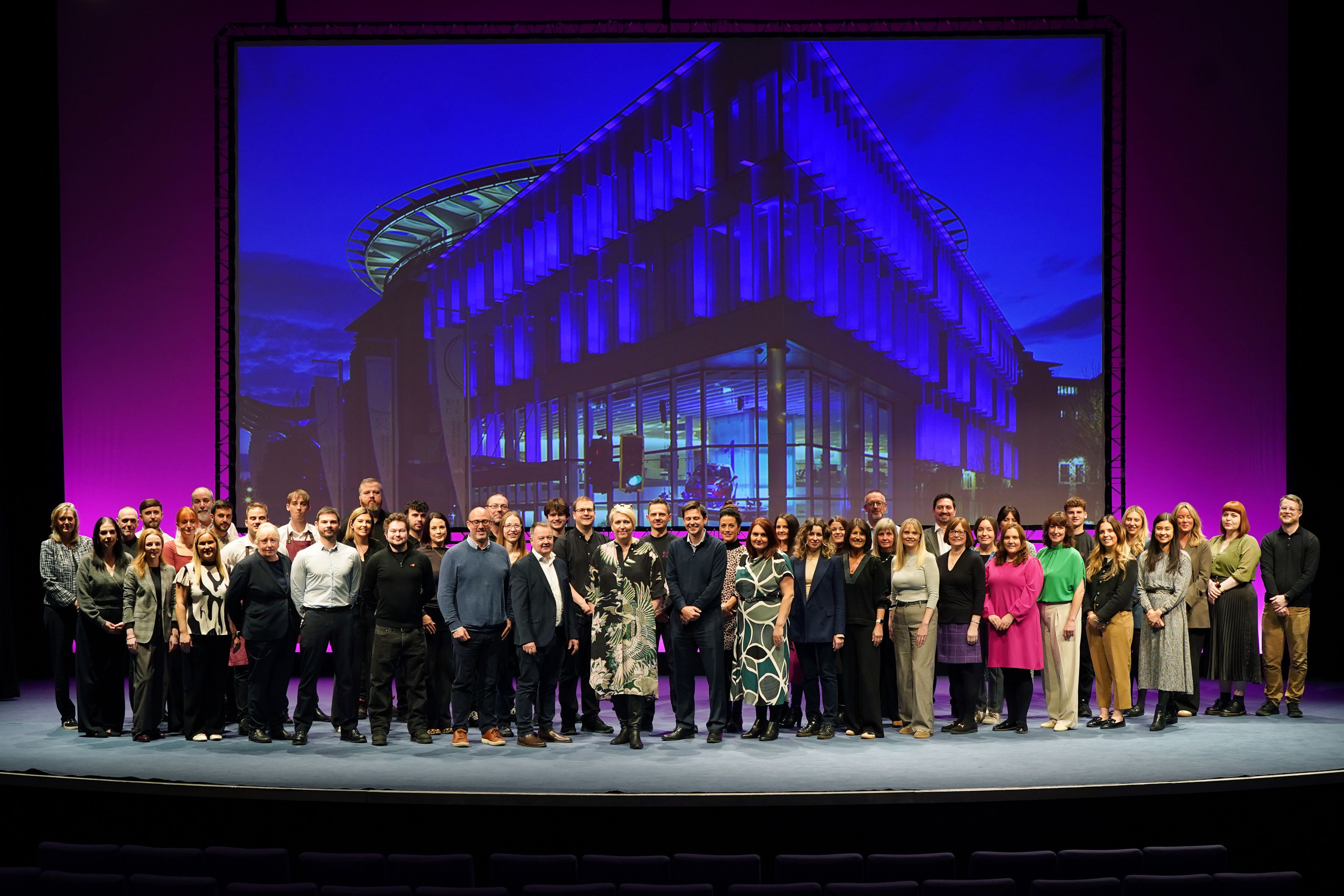
It’s a culture of care, loyalty and empowerment. “We have colleagues who’ve been here 30 years. That pride gets passed on.”
She points to initiatives like the Exchange academic advisory group and the EICC Fellowship scheme, which provides conference access to those who couldn’t otherwise afford it.
“If you’ve got an idea, you’re encouraged to run with it,” she says. “Who is it for? What’s the impact? Let’s try it.”
For Wrathall, that’s what makes the EICC special. “It’s about ideas - changing our world, or someone else’s - and giving people the freedom to make that happen.”