
Pitch perfect
How a podcast can bring your conference to life

The number of people listening to podcasts is going up and up, with half-a-billion people now tuning in to their favourite shows on a weekly basis. And increasingly people want to watch. YouTube estimates 1 billion people watch a video podcast (or vodcast) on its platform every month.
For associations, podcasts offer a relatively low-cost means of engaging with existing members and building a wider audience. After splashing out for decent audio equipment (an entry-level podcast mic could cost as little as £85 and will sound far superior to your laptop mic!) and subscription to a podcast hosting platform (roughly £12-£40 a month), the cost of producing an audio podcast is negligible. Even if you wanted to create a video podcast, studio hire might only cost in the region of £5,000 a year for a monthly show.
The International Society on Thrombosis and Haemostasis (ISTH) launched The Pulse podcast in 2021 but only started posting regularly last year. The fortnightly show combines science, clinical insights, and personal stories within the thrombosis and hemostasis community.
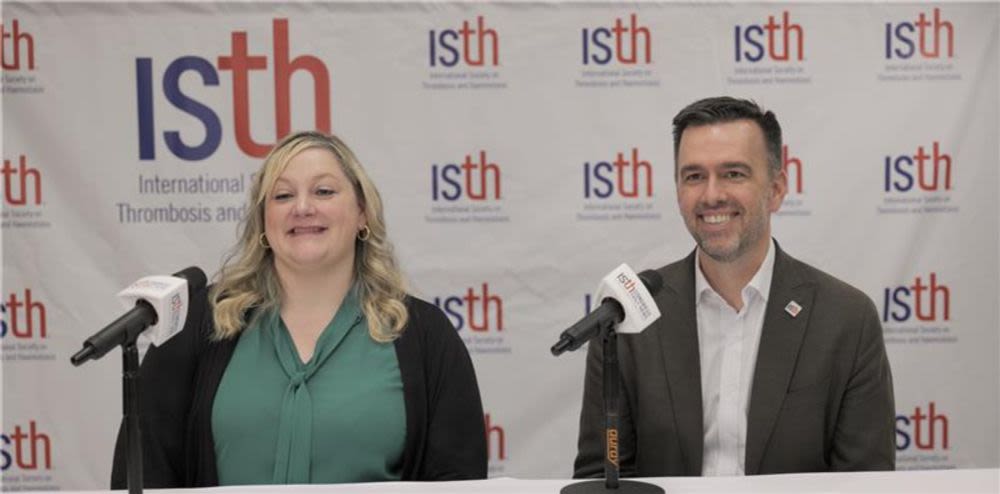
For the last two years ISTH has recorded ‘live’ episodes of the show at its annual congress - a feature that has enhanced both the podcast and the flagship meeting.
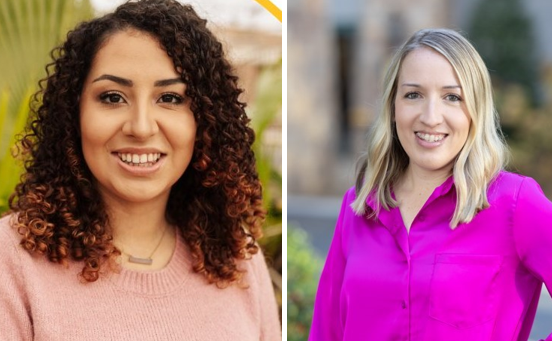
AMI editor James Lancaster caught up with ISTH marketing manager Barbara Krolak (right) and ISTH social media specialist Martha Ramirez (left) to get the lowdown …

"We saw it as an opportunity to expand our storytelling, bringing more voices and personal perspectives into the conversation ...

JL Why did you choose the podcast format in the first place?
BK We wanted to offer the ISTH community a flexible way to engage with our content, something they can listen to on their own time and while on the go. Healthcare professionals have busy schedules, so a podcast provides a convenient platform for them to stay informed and connected. We also saw it as an opportunity to expand our storytelling, bringing more voices and personal perspectives into the conversation. The podcast allows the ISTH to share “snackable" content in short, focused episodes that highlight new research, emerging data and timely topics in an accessible and engaging format.
JL Were you looking specifically to add member value?
MR While the ISTH Pulse Podcast is certainly a member benefit, anyone can listen. We have listeners from a variety of backgrounds beyond the ISTH member community, including patients, survivors and anyone who is interested in these topics. It’s about building a broader, more informed community around thrombosis and hemostasis. Our audience is healthcare professionals, ISTH members, researchers, advocates, public affairs officials, patients, survivors, the public … anyone!
How did you choose your hosts?

BK We looked for individuals who not only have strong communication skills, but who also embody our mission and have a genuine passion for connecting with the ISTH community. Dr. Geoffrey Barnes (above right) and Dr. Samuelson-Bannow (above left) are both deeply knowledgeable, but also relatable. They have a unique ability to break down complex topics in a way that feels approachable and engaging. Having two hosts allows us to bring more content and voices to the podcast. Each host leads their own episodes, allowing them to bring their style and perspective to the conversation. They typically do not co-host episodes together.
JL Who edits the show?
MR We use a third-party vendor for the podcast production, which includes editing. Outsourcing production provides a high level of professionalism and audio quality for the finished episode, delivering a great result for our listeners.
"We always prepare talking points and questions in advance, but I think our co-hosts do a great job of keeping the conversation authentic ...

JL This year you recorded six ‘live’ episodes at your congress in Washington, DC. What were you hoping to achieve by taking the show on the road?
BK We wanted to capture the energy of the congress in real time, offer accessible scientific insights, and spotlight diverse voices across our community. Guests discussed everything from the latest science to DEI efforts at the meeting. The episodes have brought in nearly 2,000 listeners since their launch a couple weeks ago, which is really exciting.
JL And when you say ‘live’ …?

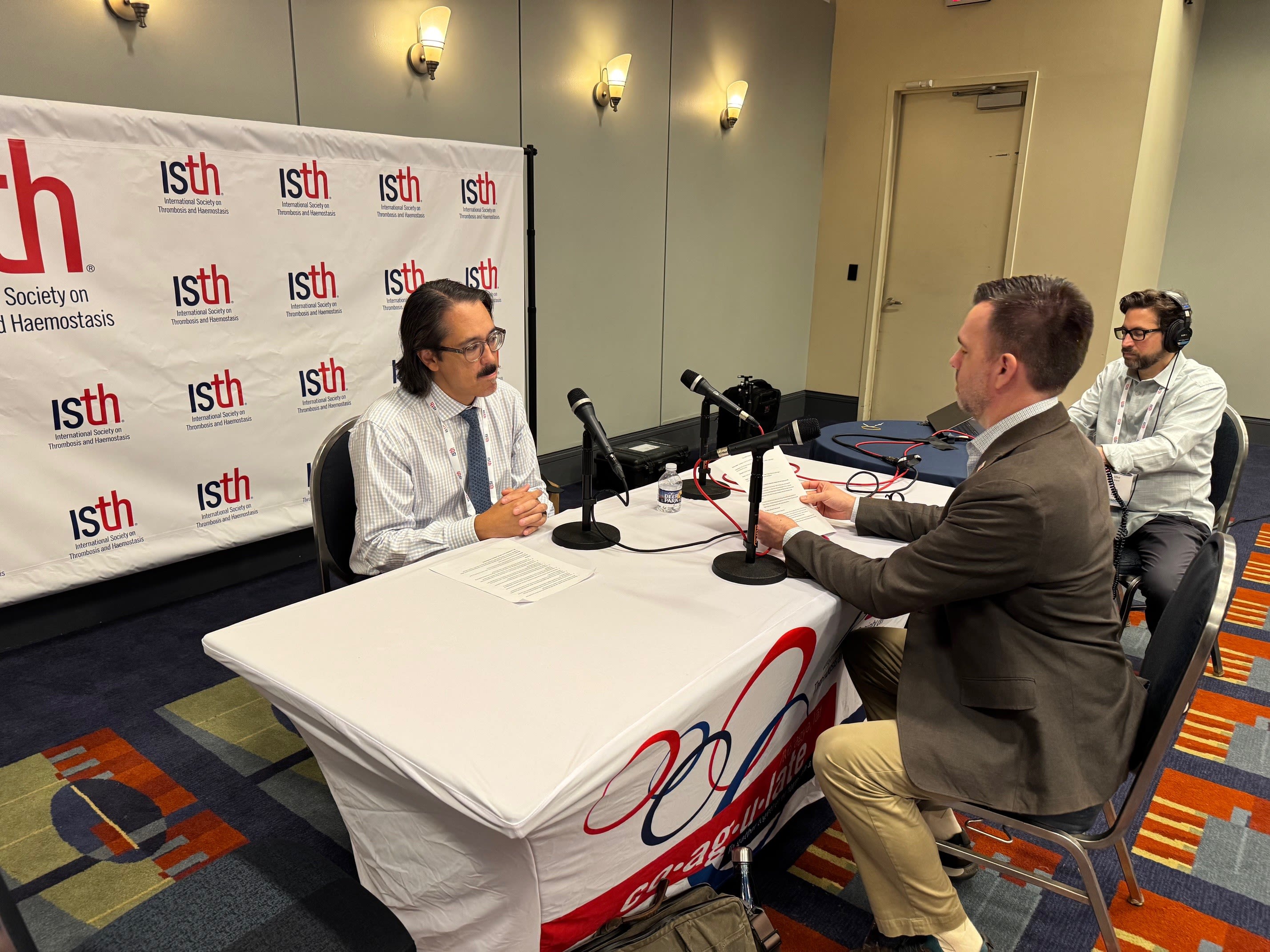
BK Not quite! Episodes were published and launched by that evening or the next morning to be featured in the ISTH Congress Daily News e-blast, website, social media, etc.
JL What feedback have you had from the live episodes?
MR Positive from both attendees and listeners! The podcast brought energy and visibility to the congress, capturing candid insights and moments that traditional presentations sometimes miss. Our goal was to provide a dynamic, accessible content platform that complemented the scientific sessions, as well as the Congress Daily news program. It was also an opportunity to connect for those who could not attend the congress in person.
JL What challenges did you face? Noise must have been an issue …
MR We initially planned to host the podcast in a “podcast booth” (clear walls in a small square booth) to draw visibility and attention. While we really liked this idea, it ended up not being feasible from a resource or logistics standpoint. We ended up securing a private meeting room that offered a quieter space with more control over volume and noise.
As with any onsite event, on-the-ground coordination is always a consideration. The team managed logistics in a fast-paced, real-time environment, briefing guests, and troubleshooting in real time. We were very grateful to have such professional and experienced co-hosts, as well as very professional and enthusiastic guests who made each episode such a success.
Due to the quick turnaround requirements for production, we collaborated with our production vendor to edit and produce each episode. This made the process much smoother, allowing a dedicated offsite team member to do final edits ahead of publishing them.
JL What tips would you share with readers thinking about starting their own podcast?
BK Invest in a good microphone and headphones for your hosts. If you have great content, but your audio quality is poor, people won’t listen. We try to keep the podcast conversational. We always prepare talking points and questions in advance, but I think our co-hosts do a great job of keeping the conversation authentic. It’s okay to “go off script”. Sometimes that is when the best insights can happen. We have also learned that consistency - in terms of tone, release schedule and format - is absolutely key if you want to build trust and loyalty with your audience..
JL What does success look like?
MR We pay attention to engagement: Are listeners staying through the full episode? Are they sharing it with others or following up with questions or feedback? That kind of meaningful interaction is often a better indicator of impact than simple download numbers.
JL Yours is an audio podcast – have you considered making it video as well?
BK Right now, we are focused on keeping the production streamlined and accessible, both for our co-hosts and our guests. Audio allows for more flexibility in scheduling and recording, and it keeps the focus on the conversation itself. As the podcast grows, we’re open to exploring video or other formats that might enhance the experience.