
We need resilient, not sustainable destinations
Ahead of Earth Day 2026, Jane Cunningham of Destinations International discusses ways destination organisations can work with event organisers to preserve their regions.


Earth Day, the annual event designed to raise awareness about environmental protection and promote actions to safeguard the planet, returns this month (22 April), prompting us to focus a little more intently than usual on sustainability.
But, with this year's theme 'Our people, our planet' in mind, Jane Cunningham, director of European engagement at Destinations International, thinks sustainability is the wrong term to use. At least in the context of preserving a destination for future use. 'Resilience,' she says, is better.
“I think we’ve reached a point where we can ask, what kind of sustainability do you mean? Social, or environmental? I spoke to somebody in Ukraine who said they focused on air quality, because that was important to them. It means different things to different people.
“We've got to look in a far bigger, broader, holistic approach to how do we make sure that the places we live in now are good places for the future, so with all the different conversations going on, if we hone into resilience – how we make a place resilient for people to live and thrive – we are in a better place.”
Satellite system
Cunningham says destination organisations and convention bureaux can serve as the catalysts and co-ordinators of initiatives that help build resilience within the cities and regions they represent.
While these organisations were once simply the marketeers, their role has evolved. Today, DMOs must align visitor activity with government priorities, community needs and sustainability goals, while also helping visitors understand how a destination operates responsibly.
"Someone said to me recently, we (DMOs) have turned into a kind of satellite system, because not only are we looking at how do we create a welcoming environment for people to come in, we're actually looking at what do the people need that are living in the places that we're promoting."


Jane Cunningham
Jane Cunningham
Jane Cunningham
Jane Cunningham

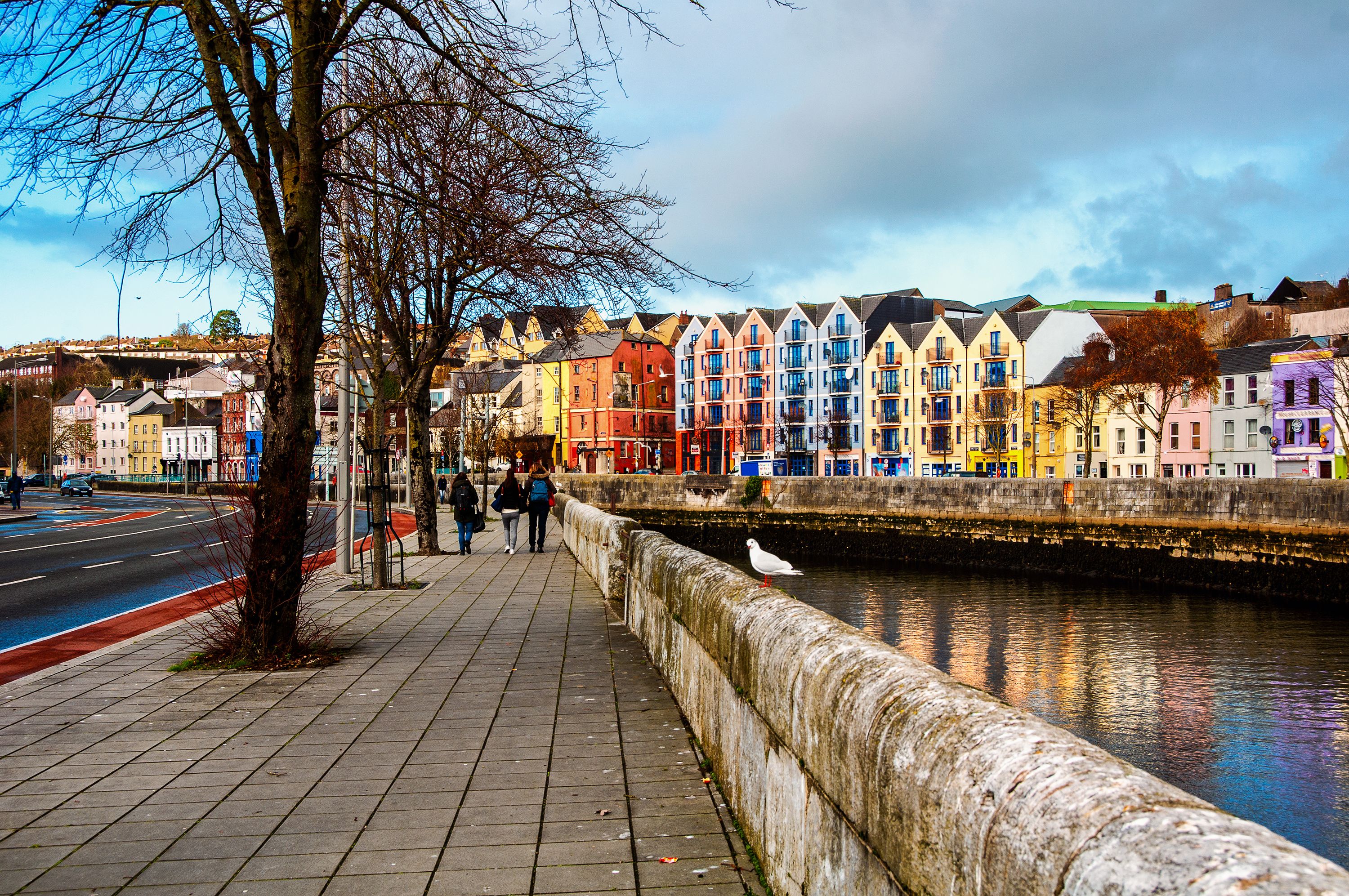
Cork, Ireland. Source: Adobe Stock
Cork, Ireland. Source: Adobe Stock
Cork, Ireland. Source: Adobe Stock
Cork, Ireland. Source: Adobe Stock
Clear communication
If DMOs and convention bureaux want to take this new role seriously, making responsible practices easy to understand and participate in, is essential, Cunningham says. They have a duty to communicate the role event planners can play in preserving the destinations they visit.
She points to Failte Ireland, which has created Ireland's Green Toolkit for Business Events as an example.
The toolkit offers practical guidance to event organisers and planners involved in planning and delivering events in Ireland and centralises sustainability initiatives in a positive, inspiring way rather than relying on rules or restrictions.
"Instead of saying 'you have to do this because this is the right way' it shows you how it's done. For example, Dublin's airport has been carbon neutral since 2020 and Cork was awarded the Mission Label by the European Community for Climate Action."
Legacy
There is, of course, an elephant in the room: large scale events can put huge pressure on the communities hosting them, potentially making them less resilient to environmental changes.
Cunningham acknowledges the tension between the economic value of business events and their environmental footprint, but stresses that conferences play an essential role in knowledge exchange, innovation, and societal progress.
"For so many reasons we know it’s important for people to experience different places to develop a deeper understanding of cultures and places, but also it's important that when people are travelling and when they are in the destination, they understand it's a fragile world."
"But we also know when it comes to business events and conferences, connecting global experts on whatever field it may be can really advance the importance of different sectors and can create great connections between researchers from Australia to India to Finland, so there's the bigger legacy discussion to be had."
Cunningham says many destinations are already providing opportunities for event planners to leave a positive legacy behind - to benefit communities and improve the environment - long after their conference wraps up and delegates leave, but that efforts and clear communication are needed from both sides.
From RFPs and destination selection through to post‑event measurement, she believes sustainability should be embedded at every stage, which requires deeper dialogue between planners and destinations, rather than treating sustainability as a box‑ticking exercise.


Business meetings and events have a duty to leave a positive legacy in a destination. Credit: Adobe Stock
Business meetings and events have a duty to leave a positive legacy in a destination. Credit: Adobe Stock
Adobe Stock
Adobe Stock

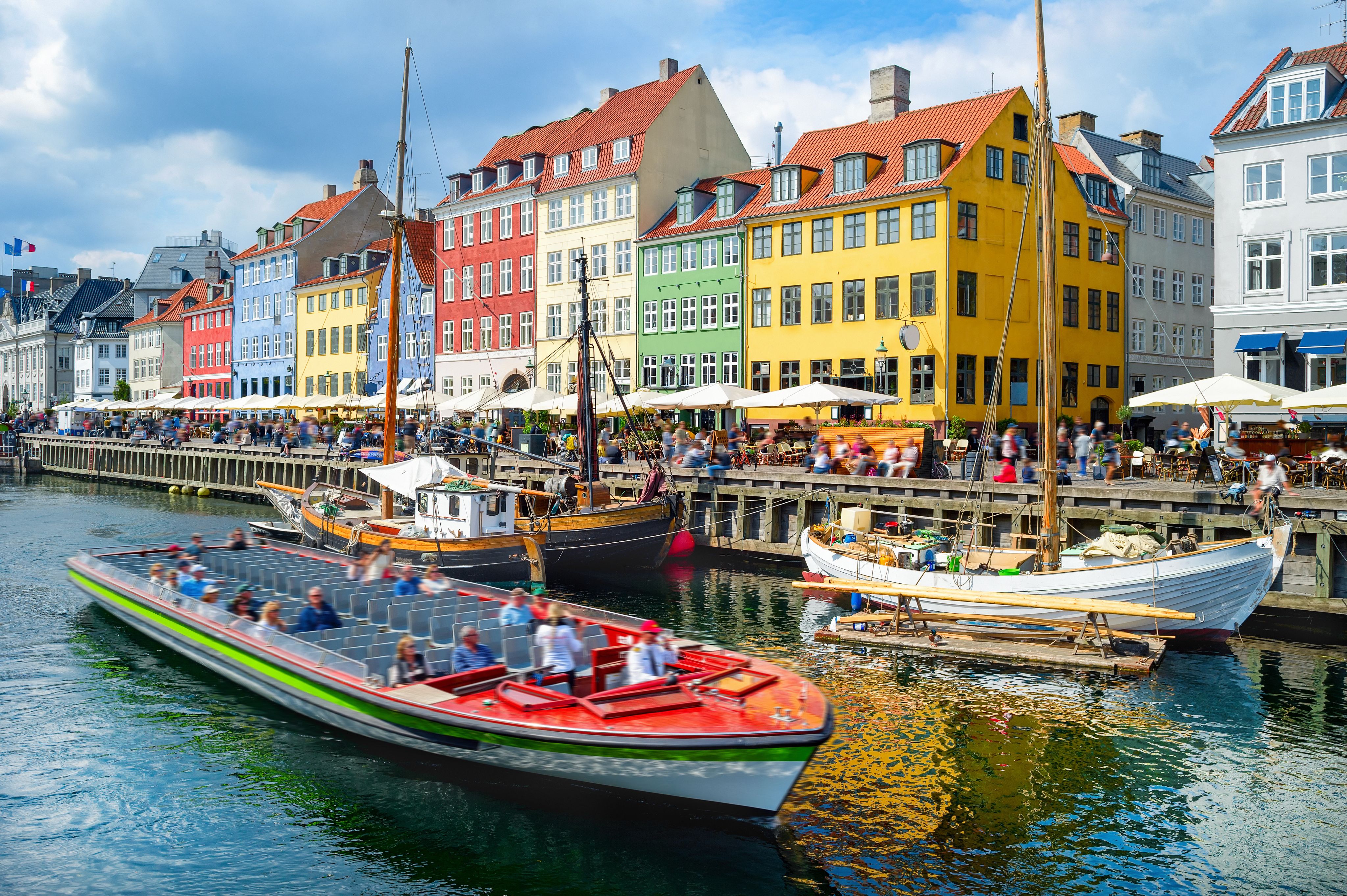
Copenhagen. Adobe Stock.
Copenhagen. Adobe Stock.
Copenhagen. Adobe Stock.
Copenhagen. Adobe Stock.
Making it meaningful
Earth Day is a reminder that environmental progress is collective, so when destinations and events work together they become a powerful force for protecting the places that make it all possible.
Offering meaningful experiences that benefit the environment and those that live and work in a destination, is the key to engaging visitors and helping them leave a legacy, says Cunningham.
"I love what Meet for Impact is doing, looking at ways that ensure delegates have an experience that's wonderful for them, but is also benefiting the community.
"How can you make sure there's a far longer legacy once that conference is well gone and that things are actively being worked on as a result?," she asks. "And you can then measure the legacy and the impact of hosting that meeting and what it's done for the destination and its citizens, because there's been a policy change that now cars can't drive at a certain speed past schools because we're looking after air quality for example."
Initiatives such as Copenhagen’s CopenPay which offers rewards for responsible behaviour, such as cleaning up the harbour, or riding a bike instead of driving, and Ottawa's Food Recovery Programme, which redistributes surplus food from hospitality to members of the community facing food insecurity, are examples that engage and empower communities to make them more resilient places now and in the future.
"These kind of initiatives really connect visitors with that ecosystem and all the different opportunities and connections that can be created that certainly then live on after the event has happened," adds Cunningham.