
THE OVERTOURISM
CONUNDRUM
Can associations turn the tide?


If association meetings can no longer be excluded from the overtourism conversation, what can be done to mitigate their impact on already strained infrastructures and frustrated residents? Holly Patrick investigates...
Overtourism, when tourism exceeds physical, ecological, social, economic, psychological and political boundaries, has historically been associated with leisure tourists. But as thousands of residents take to the streets in cities around the world to protest against mass tourism, can business tourists - travelling for conferences and meetings - continue to be excluded from the conversation? “No,” argues Guy Bigwood, CEO of the Global Destination Sustainability Movement.
On average, 1.5 billion people participate in business tourism each year. These travellers account for more than 12.5 per cent of the population who visit destinations they do not call home, temporarily adding to the local population and, at times, using up scarce resources at the expense of the locals.
Although business travellers typically spend around three times more than
leisure visitors, contributing an estimated $1.5 trillion (USD) to the global economy, the economic impact argument cannot be taken in isolation.
When an influx of conference delegates arrives in town, the promise of long-term economic contribution does little to ease the immediate frustrations of residents or overburdened infrastructures.
Destinations and planners increasingly seek real-time solutions to the impact of overtourism. “Socially, overtourism can isolate residents from their own communities and drive a cultural divide, as locals become disconnected from their daily lives due to an overwhelming influx of visitors,” says Bigwood.
“It can lead to housing shortages as accommodation reserved for premium paying visitors remains empty and unavailable to residents or becomes too expensive for locals, particularly hospitality workers. Local business opportunities might dwindle as larger corporations, better equipped to serve mass markets, take over.”
"Socially, overtourism can isolate residents from their own communities and drive a cultural divide ..."
But all is not lost, argues Jessica Vandy, senior social impact consultant at Meet4Impact.
“While international congresses and conventions can contribute to an influx of visitors within a destination, they also have the potential to mitigate overtourism when managed thoughtfully.
“Destinations are implementing regenerative strategies, including active community participation, introducing robust sustainable practices, developing policies to support and better manage visitors, and upskilling communities and visitors on tourism. These measures tend to reduce the heavy strain of mass tourism,” explains Vandy.
Don't isolate the locals
Barcelona, one of Europe’s most visited cities, where business tourism accounts for nearly 20 percent of total visitors, suffers from overtourism. In 2023, Barcelona saw almost 583,000 meeting delegates visit the city, a 5.2 per cent year-on-year increase in business tourism.
Despite research suggesting nearly 80 per cent of residents view tourism positively, thousands of Barcelona residents continue to take to the streets to protest against mass tourism and its impacts.
So, when the World Parkinson Coalition chose Barcelona for its 2023 World Congress, they worked closely with the Barcelona Convention Bureau (BCB), a specialised division of Turisme de Barcelona, to get residents involved in the medical congress. “We collaborated closely with the organisers to develop the Parkinson’s Ready programme, which aimed to make the city more accessible and accommodating for attendees with Parkinson’s,” explains Lali Ferrando, Barcelona Tourism communications director.
“The initiative included specialised training for key stakeholders—such as airport staff, hotel employees, police officers, and CCIB staff—to ensure they were equipped to assist delegates with additional needs.
This programme was exceptionally well received, not only by the organisers but also by the local community and various service sectors.”

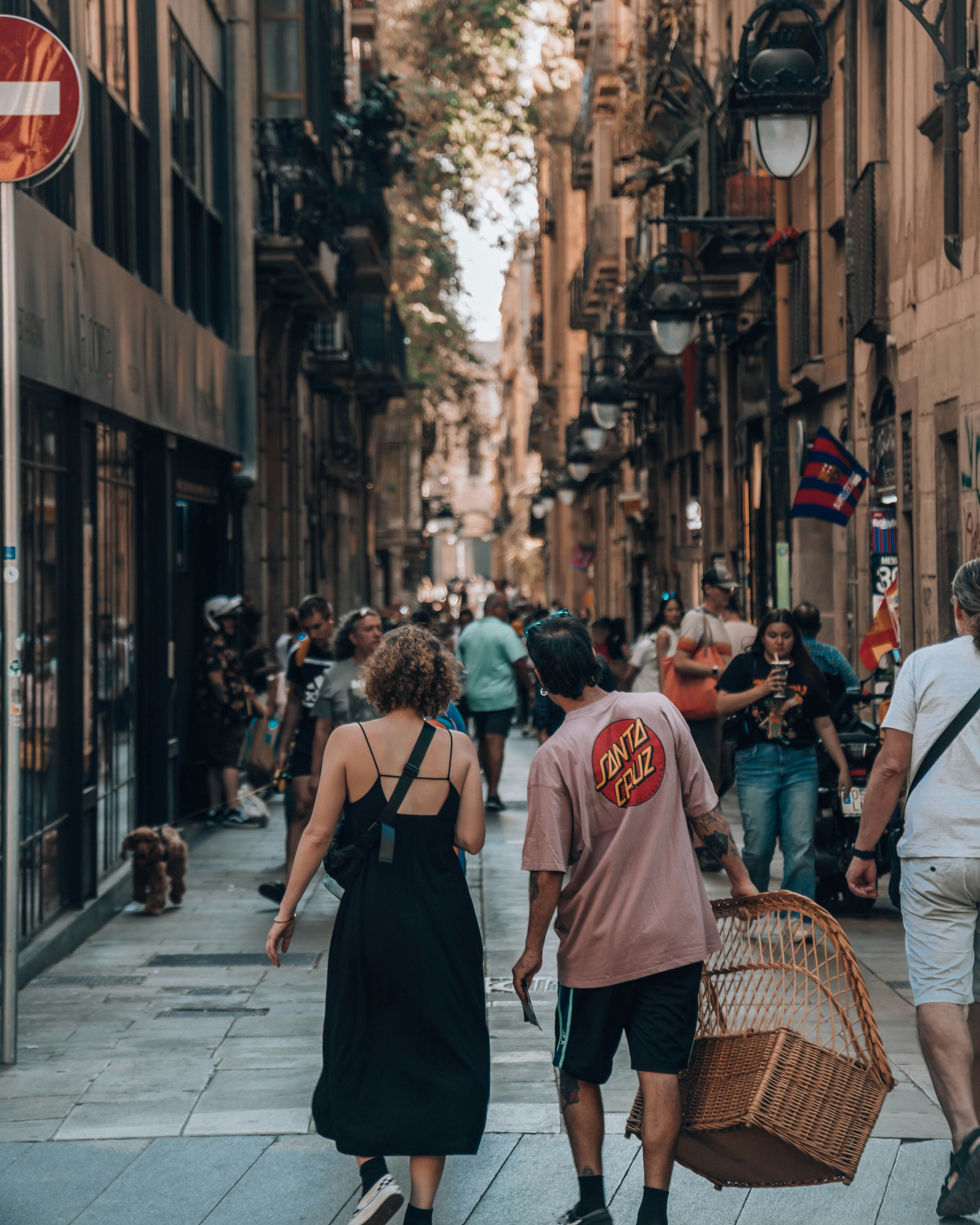
Photo by Danique Veldhuis on Unsplash
Photo by Danique Veldhuis on Unsplash


Photo by Gabriella Clare Marino on Unsplash
Photo by Gabriella Clare Marino on Unsplash

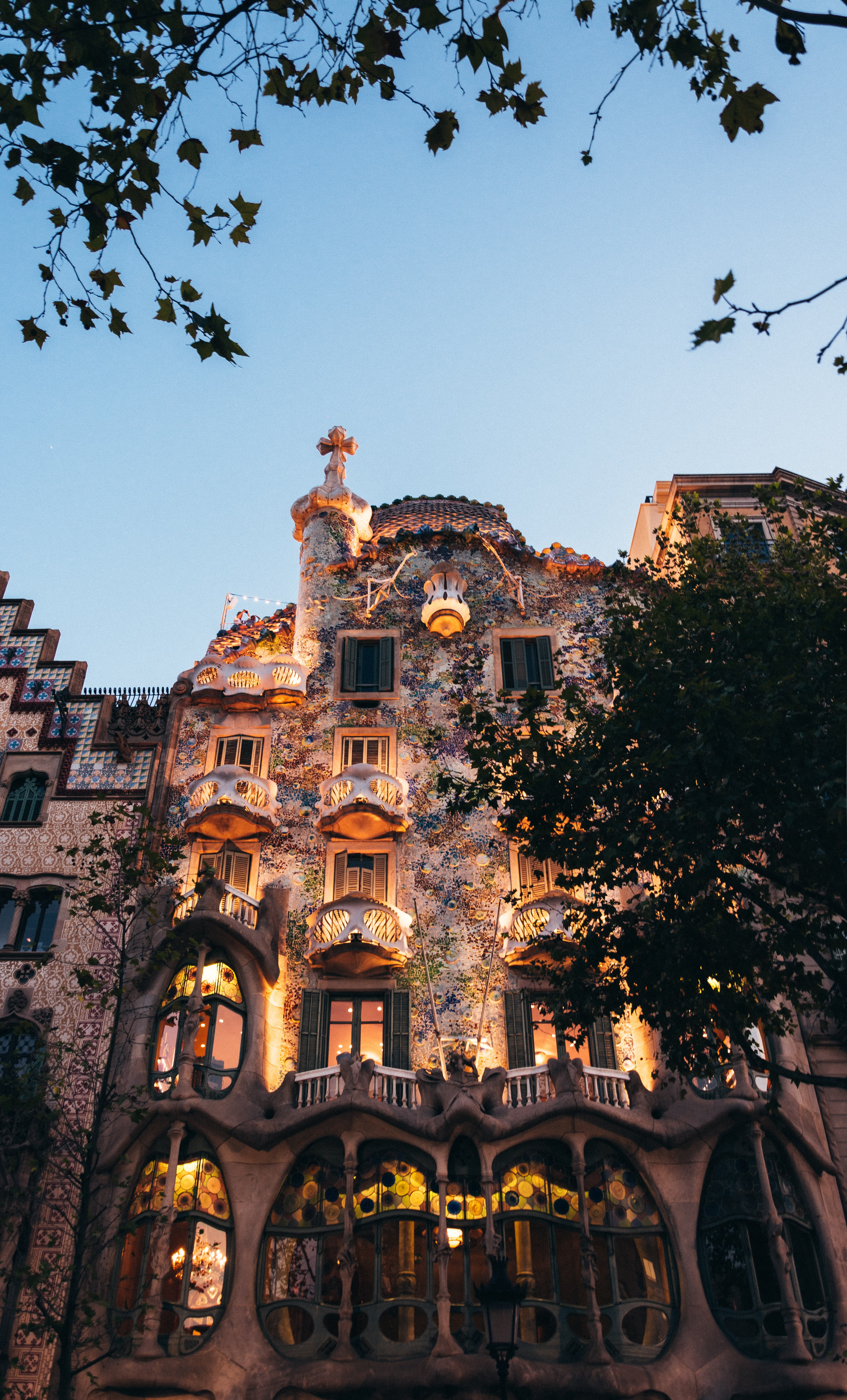
Photo by Theodor Vasile on Unsplash
Photo by Theodor Vasile on Unsplash

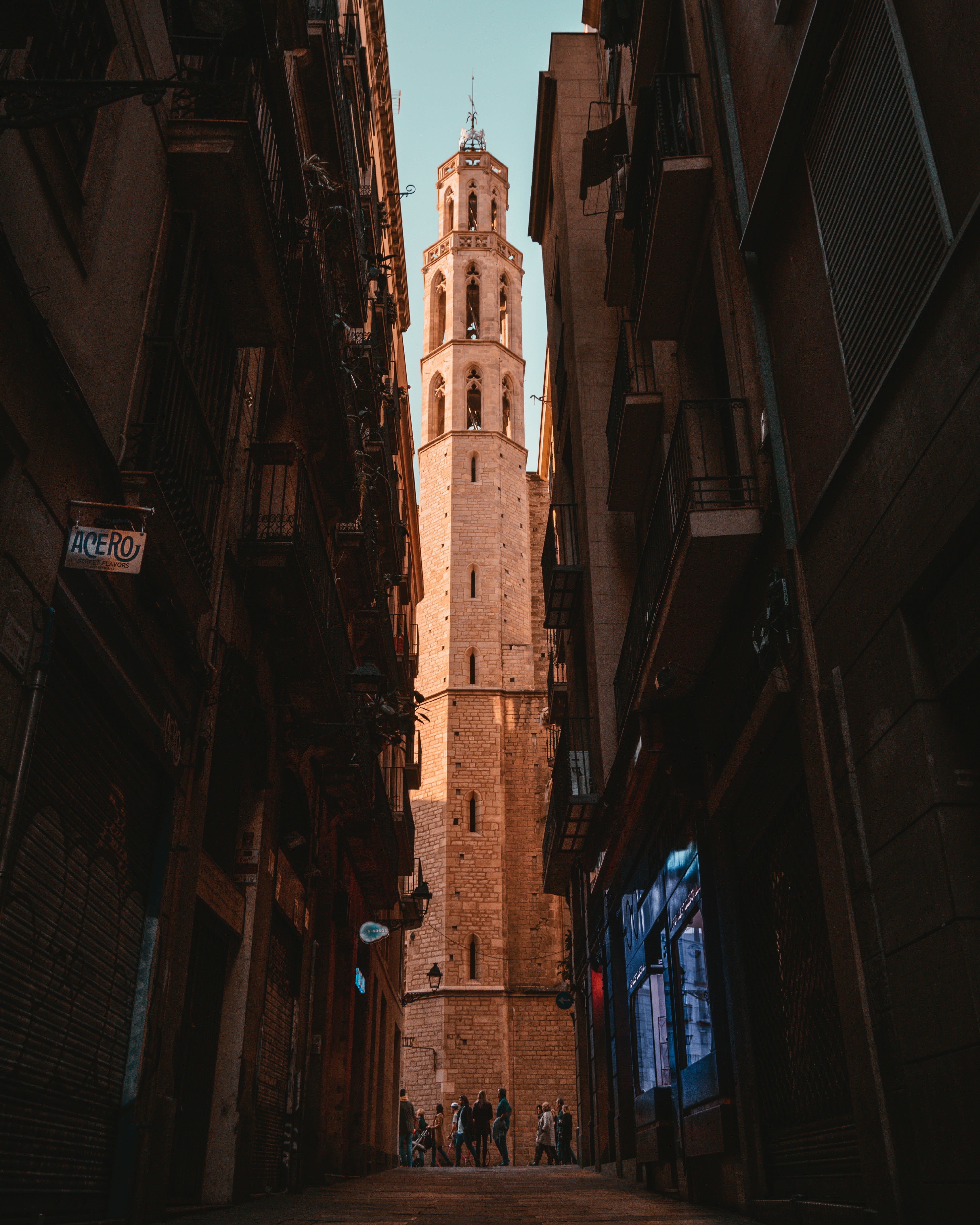
Photo by Biel Morro on Unsplash
Photo by Biel Morro on Unsplash
Delegates are the residents
Since 2022, the European Association for the Study of the Liver (EASL) has provided a blueprint for how medical associations can make a tangible positive impact in host communities.
“As part of our congress, we harness the expertise within our membership and give back directly to the communities we’re in. In London in 2022, we partnered with the British Liver Trust to offer free liver screenings to delegates as a preventative and early-stage detection method for liver disease.
"We also went into schools to educate 10- to 12-year-olds about the importance of liver health. We’ve run similar initiatives in Vienna and Milan since, and we’re gearing up for more community impact work in Amsterdam,” explains Maraika Black, EASL policy, public health, and advocacy coordinator.
“But don’t mistake these initiatives as a response to overtourism,” explains Ben Hainsworth, executive director of EASL.
“Overtourism is not a primary concern in our destination selection. Our criteria prioritise accessibility and availability, and our focus will always be to extend the association’s mission, which is to pursue excellence in liver research, and clinical practice in liver disorders, and provide education to those interested in hepatology.”
These community outreach programmes help alleviate infrastructure strain on healthcare and empower local health workers who contribute to the congress by gaining media spotlight and a platform they may not usually enjoy. These efforts showcase a proactive approach to mitigating negative impacts, while
enhancing community engagement and professional development.
While the overtourism conversation often begins with disgruntled residents, Hainsworth and Black emphasise that residents can often make up a congress’s audience. And while we might focus on creaking transport infrastructure and scarce accommodation, EASL’s initiatives emphasise the health benefits that can be delivered to residents through association meetings.


Spreading the love
“Convention bureaux play a significant role in mitigating overtourism,” adds Bigwood. “They have a responsibility to promote sustainable business practices, invest in infrastructure that supports more responsible travel, and actively work to correct the imbalance in visitation within destinations.
Overtourism typically concentrates on a very small area of a city – often just a few streets. Most destinations also experience under tourism, and there’s potential to bring the right type of visitors to neighbourhoods that would benefit from increased footfall,” insists Bigwood.
Planners also have the power to rectify the overtourism imbalance in major cities by exploring lesser known areas.
“When planners select less crowded, lower-density cities or out-of town venues, they contribute to more sustainable tourism. Through their purchasing decisions, they help alleviate the strain on overburdened destinations, bring important revenue to local businesses, and foster inclusion, making a tangible difference to the local community.”
Fáilte Ireland, the National Tourism Authority of Ireland, made the switch from established to lesser-known destinations – and reaped the rewards.
“Fáilte Ireland places particular emphasis on driving business events to the four Regional Business Events hubs—located in Cork, Kerry, Galway, and the Shannon Region—ensuring regional distribution,” explains Paul Mockler, head of commercial development at Fáilte Ireland. To spread the benefits across the
country, Fáilte Ireland prioritises its
destination subvention in favour of
business events held outside Dublin or
during the months of October to March.
This helps lesser-known regions attract international conference planners, combat overtourism, and alleviate the strain on the capital.
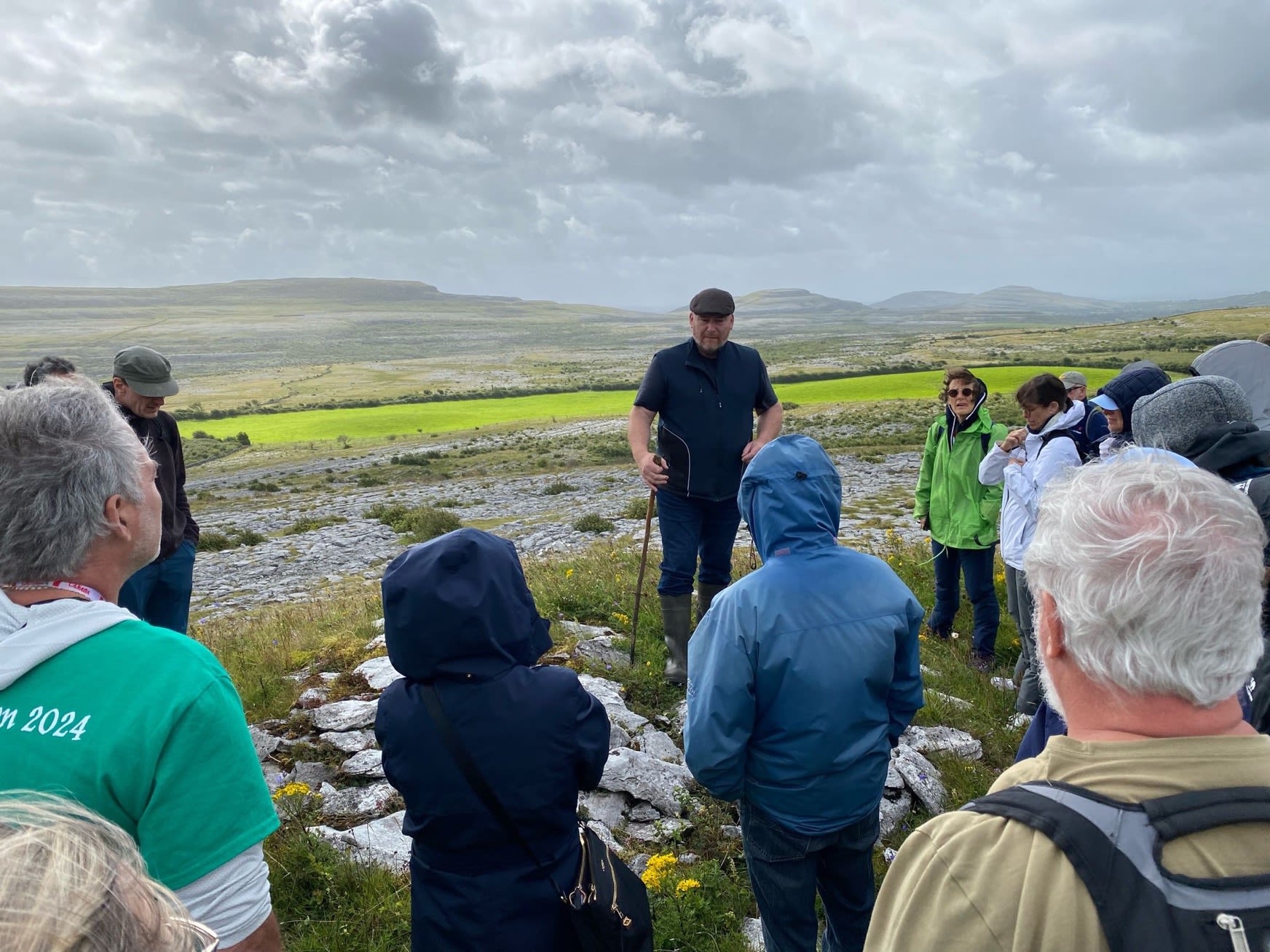
“Ireland’s regional convention bureaux also work closely with conference ambassadors to showcase rural tourism offerings, lesser-known attractions, and bespoke ‘off the beaten track’ activities, allowing delegates to experience an authentic taste of Irish culture and hospitality,” adds Mockler.
When the Up with People International Alumni Association brought 800 international delegates to the Shannon Region earlier this year, hosted at the University of Limerick, the Shannon Region Conference Bureau ensured that iconic locations were not overcrowded.
Instead, a carefully curated programme spread more than 25 tourist attractions across the week-long event, visited in small groups.
“This helped to ensure that no single venue was under pressure and that the visitor experience was enjoyable and educational. As part of the event, cherry trees were donated to the Infinity Walk at Milford Hospice, and delegates planted a wildflower meadow in honour of past alumni, ensuring that the wider community in Limerick saw the tangible benefits of this global event and its positive legacy.”
In South Korea, a nation with 18 convention centres, the Korea Tourism Organization (KTO) financially incentivises bookers to look beyond the three major meeting destinations - Seoul, Busan, and Jeju - to less visited regions to balance the tourism load and stimulate regional economies. Congresses that have benefited from this support include the 26th International Congress of Theoretical and Applied Mechanics held in Daegu with 4,000 delegates and the 21st Annual Meeting of the Asia Oceania Geosciences Society in PyeongChang, Gangwon-do, with 3,300 delegates.

Encourage visitors to play their part
Delegates also have a role in reducing their impact on a destination, and sometimes all it takes is guidance from the local tourism authority. “There are several immediate actions that destinations and planners can take to minimise their environmental impact while delivering high-quality event experiences,” adds Bigwood.
“Providing public transport passes encourages attendees to use local transport systems rather than taxis or private cars, significantly reducing emissions. Similarly, opting for electric buses for transfers and promoting
active travel solutions, such as walking or biking, can make a big difference.”
Take Wonderful Copenhagen’s CopenPay initiative as an example. “Our CopenPay initiative ran for four weeks this summer and aimed to influence visitors’ behaviour during their stay in Copenhagen. Tourists could earn rewards by walking, riding a bike, taking public transport, or perhaps collecting rubbish.
It exceeded our expectations, and we’re now looking at how we can develop the concept and create CopenPay 2.0,” explains Kit Lykketoft, director of conventions, Wonderful Copenhagen. “The hope was to influence visitors to take more green actions by rewarding them for climate-friendly choices while in Copenhagen.”
Meeting local needs
“Unlike overtourism caused by leisure visitors, meetings are strategically planned, offer greater flexibility with dates, distribute delegates more evenly across a city, can be multi-seasonal, and, through thoughtful programme planning, allow delegates to participate in authentic experiences that benefit residents and local communities,” adds Vandy.
Leisure tourism doesn’t have the reach or potential legacy imprint that business tourism fosters. So, while meetings, conferences, and events are included in the overtourism conversation, the industry is actively finding solutions, not adding to the problem.


This feature originally appeared in the November issue of AMI Magazine

 Built with Shorthand