
Sustainability at the highest level
How Banff Centre for Arts and Creativity hosted the G7 Media Centre without compromise
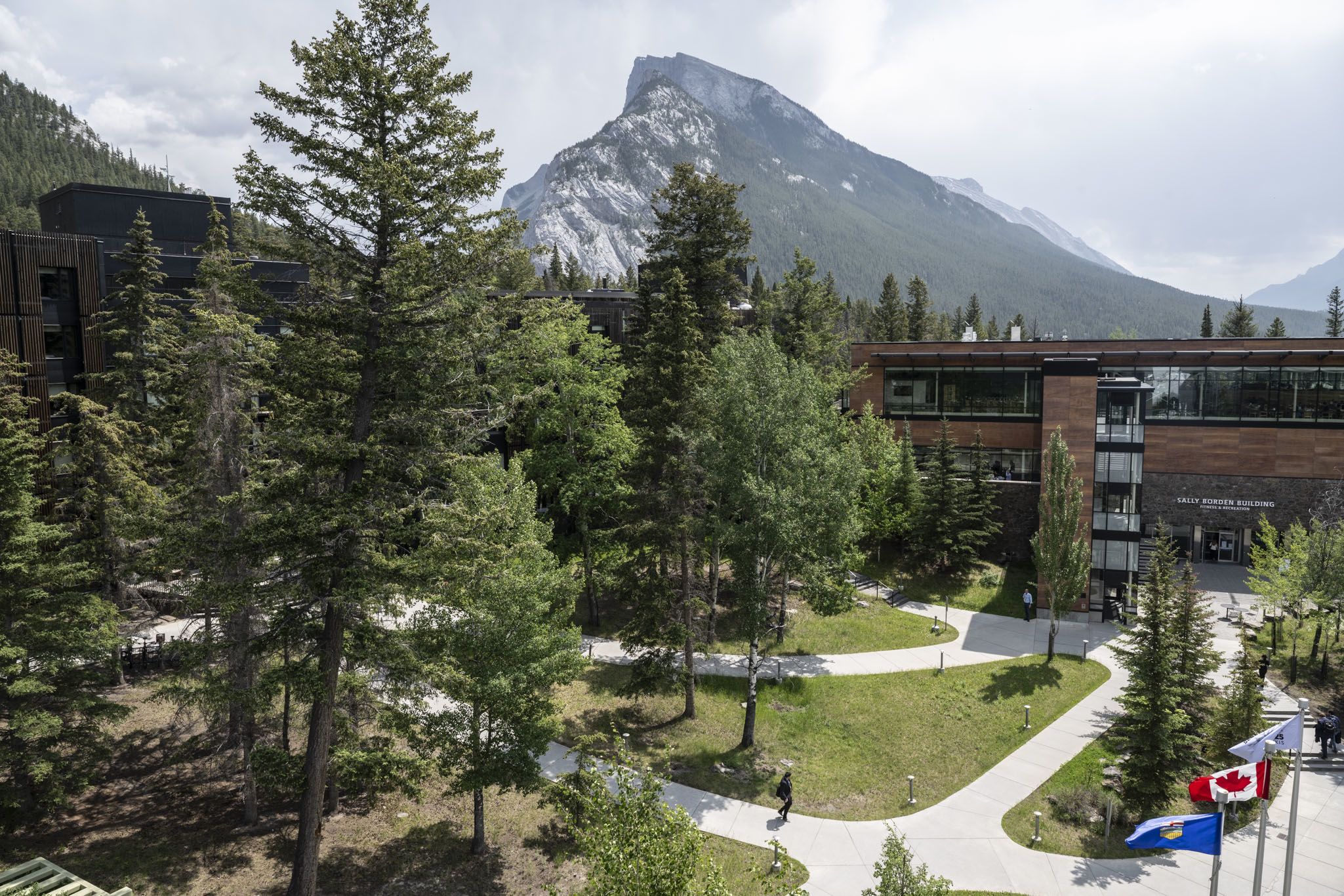


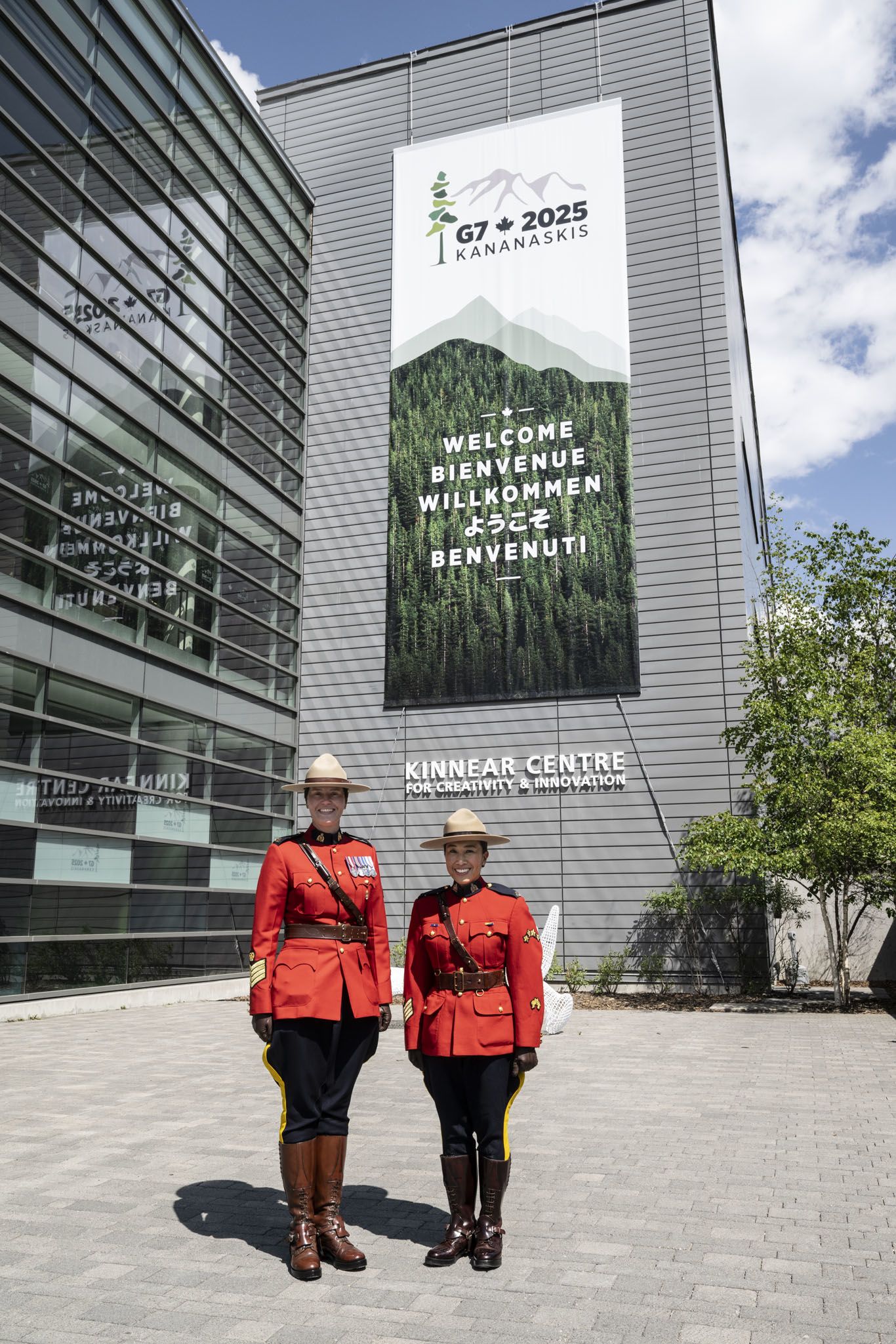
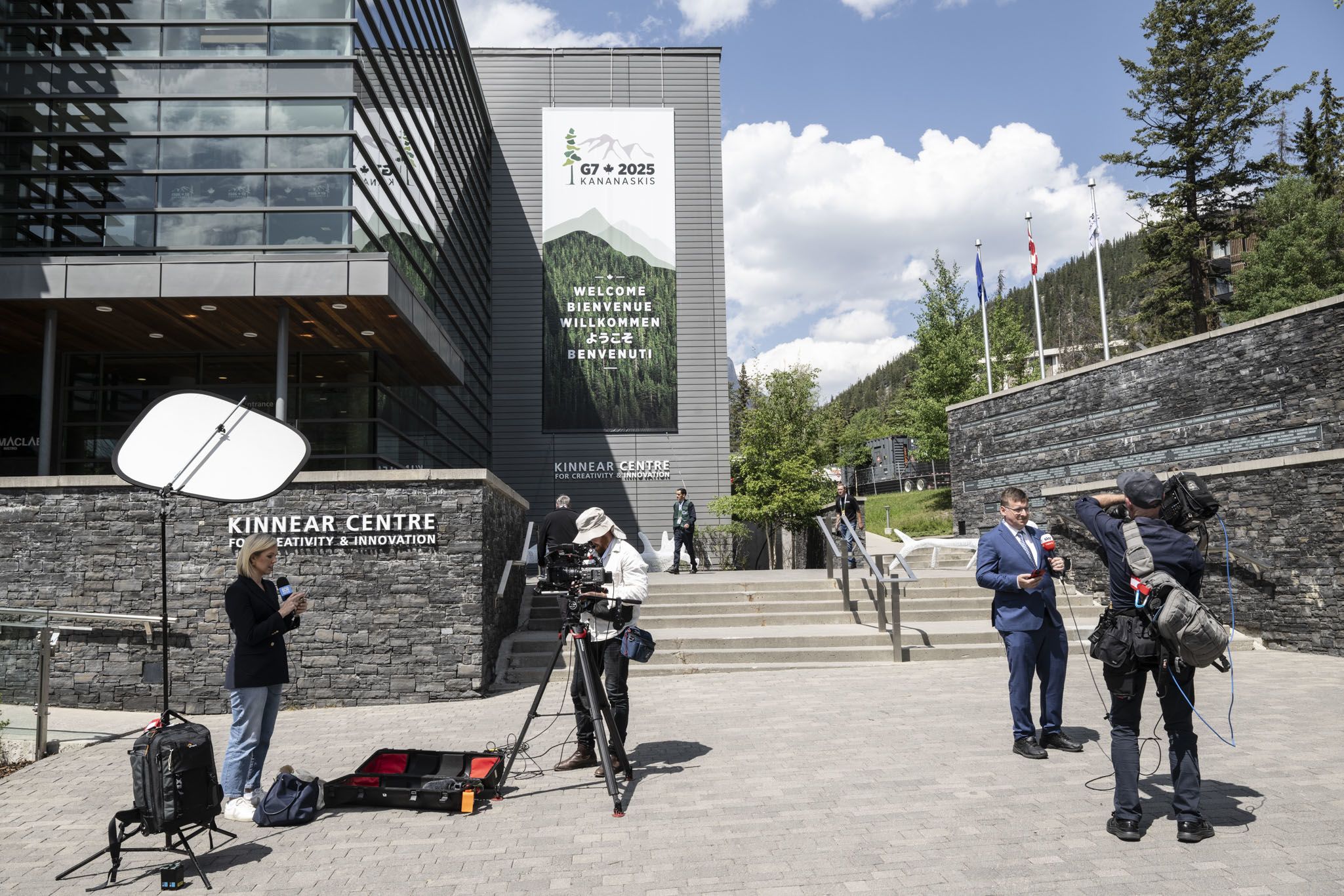
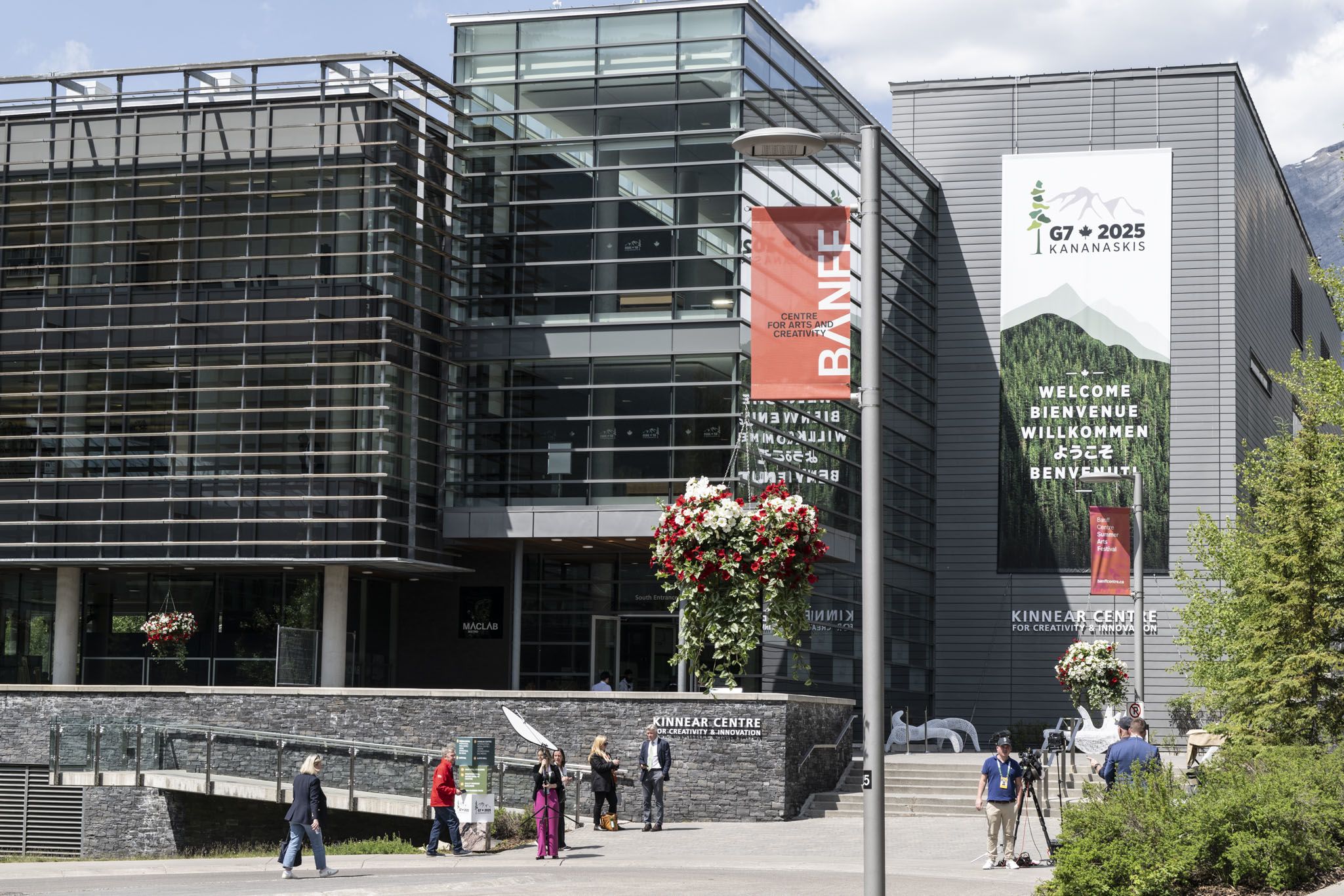
When the 2025 G7 Summit brought world leaders and global media to the Rockies, it wasn’t a government facility or traditional conference centre that hosted the summit’s International Media Centre—it was Banff Centre for Arts and Creativity.
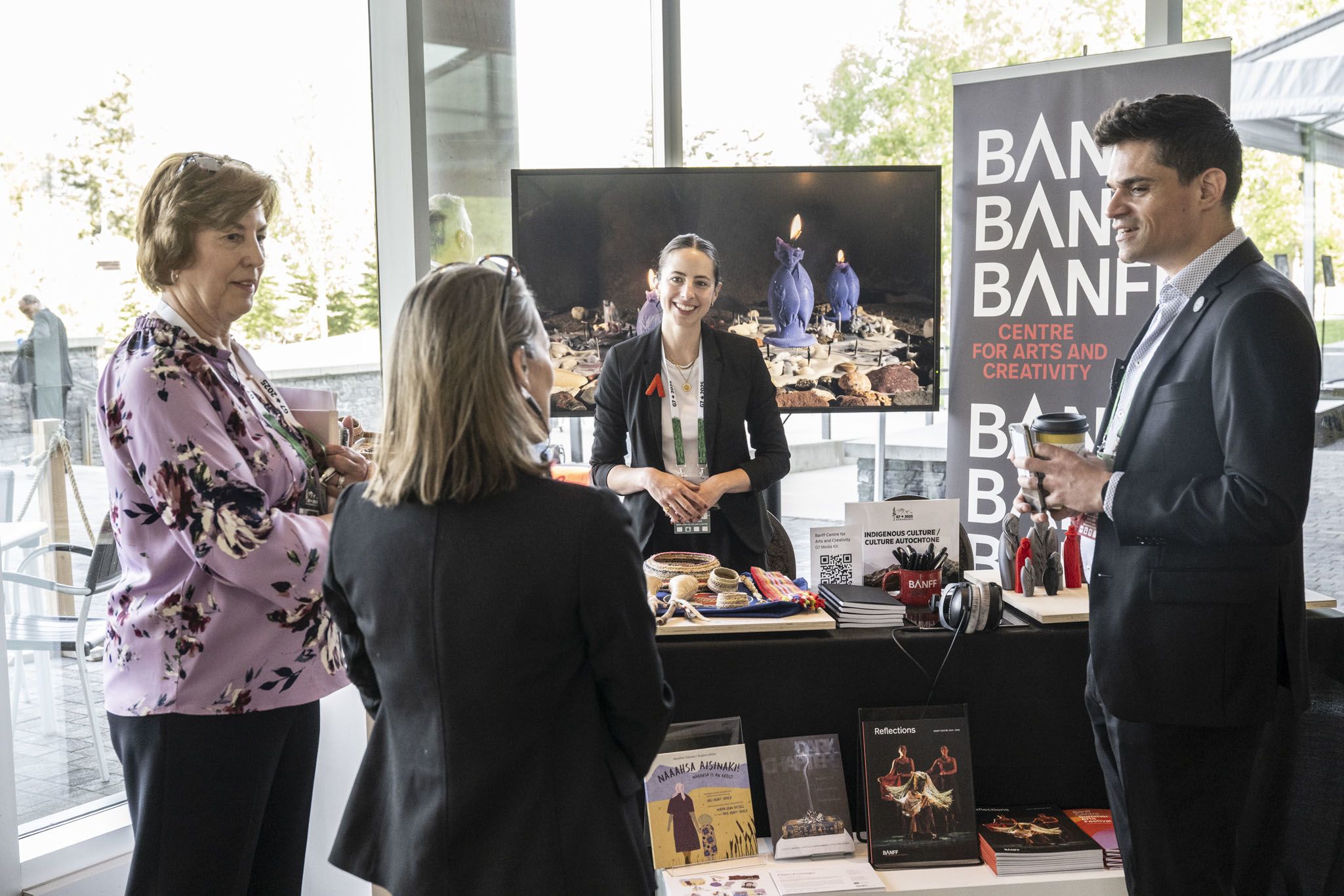
Renowned for its artist residencies, Indigenous leadership programs, and deep commitment to sustainability, the venue had to work out how to host the world's media without compromising its principles.
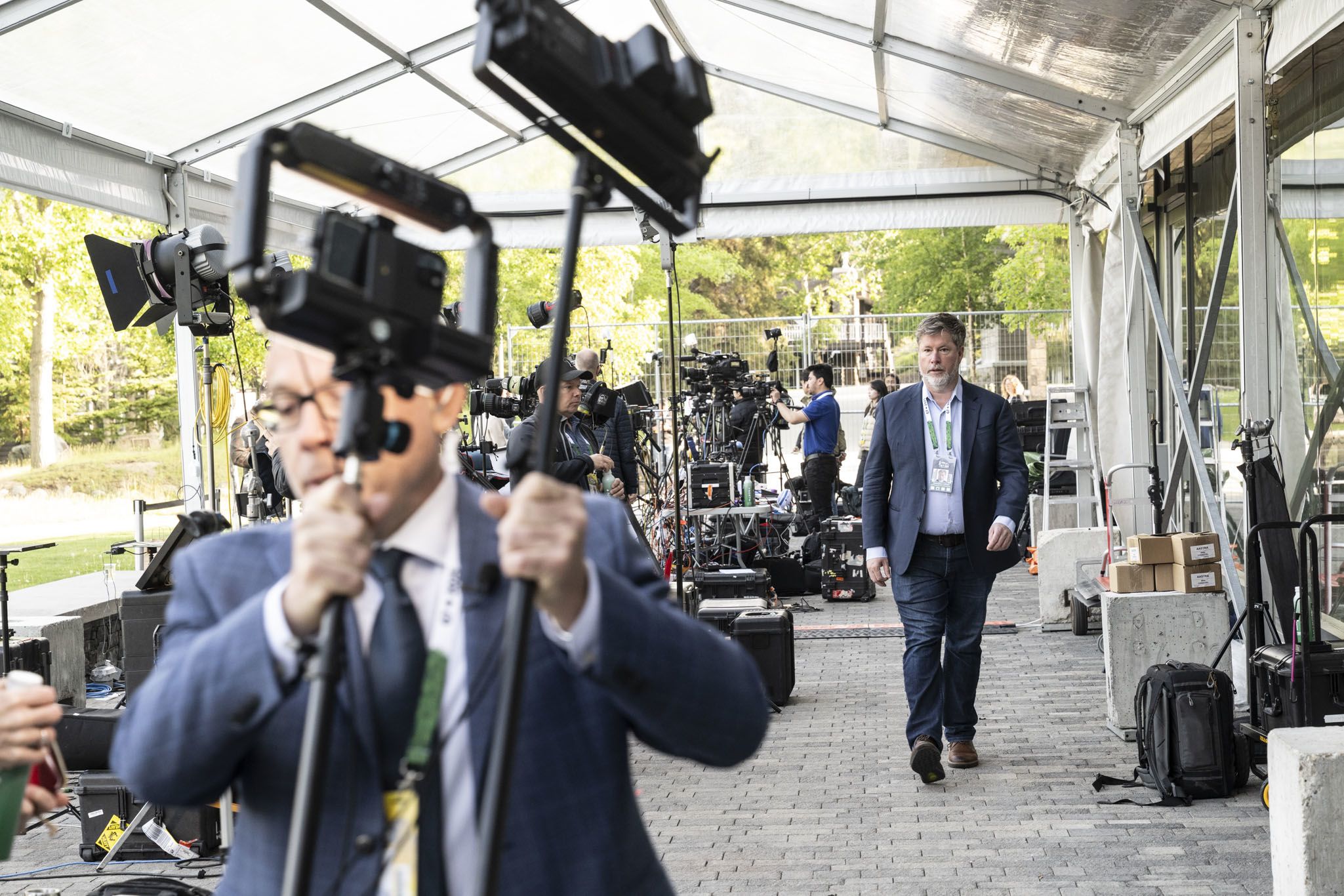
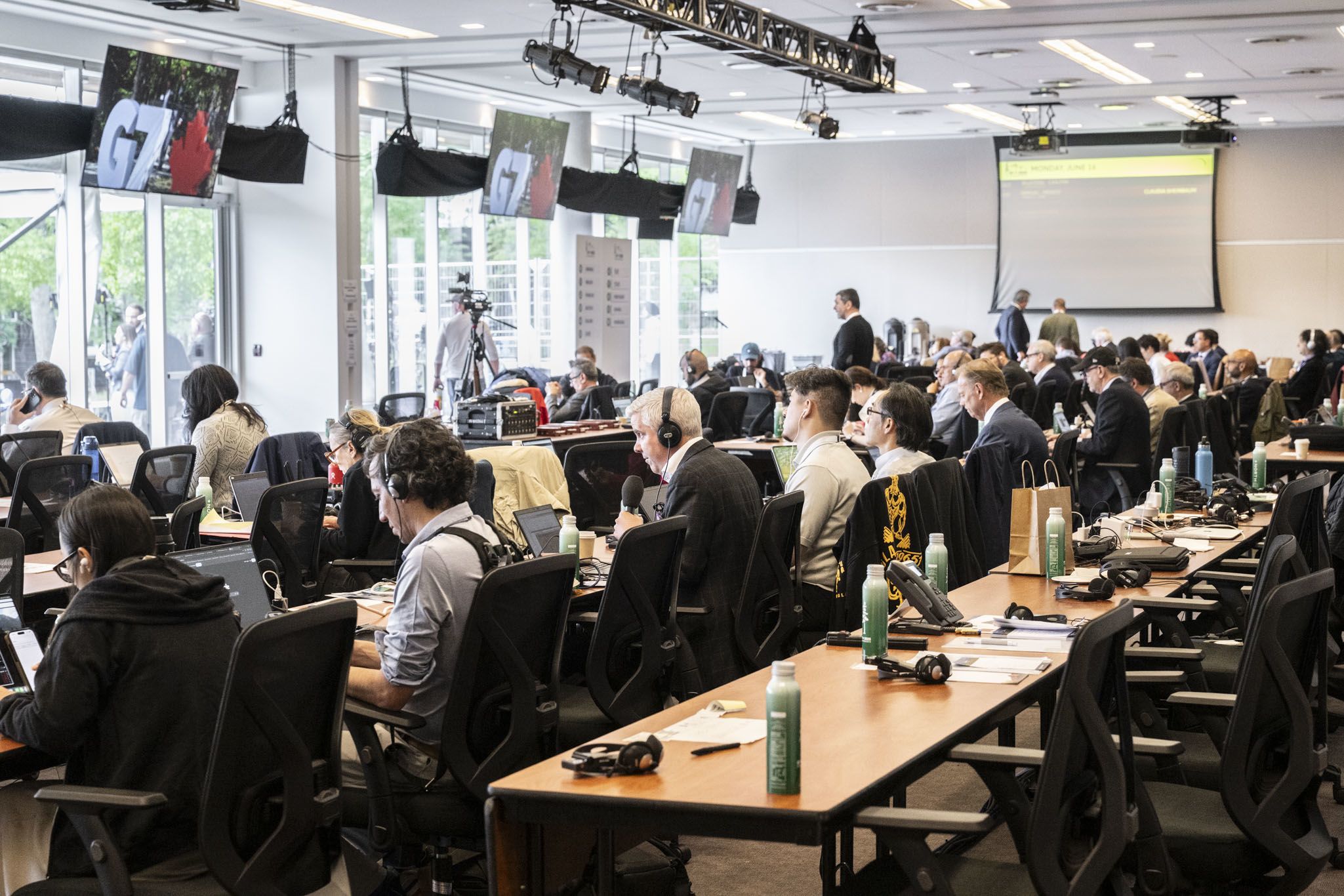
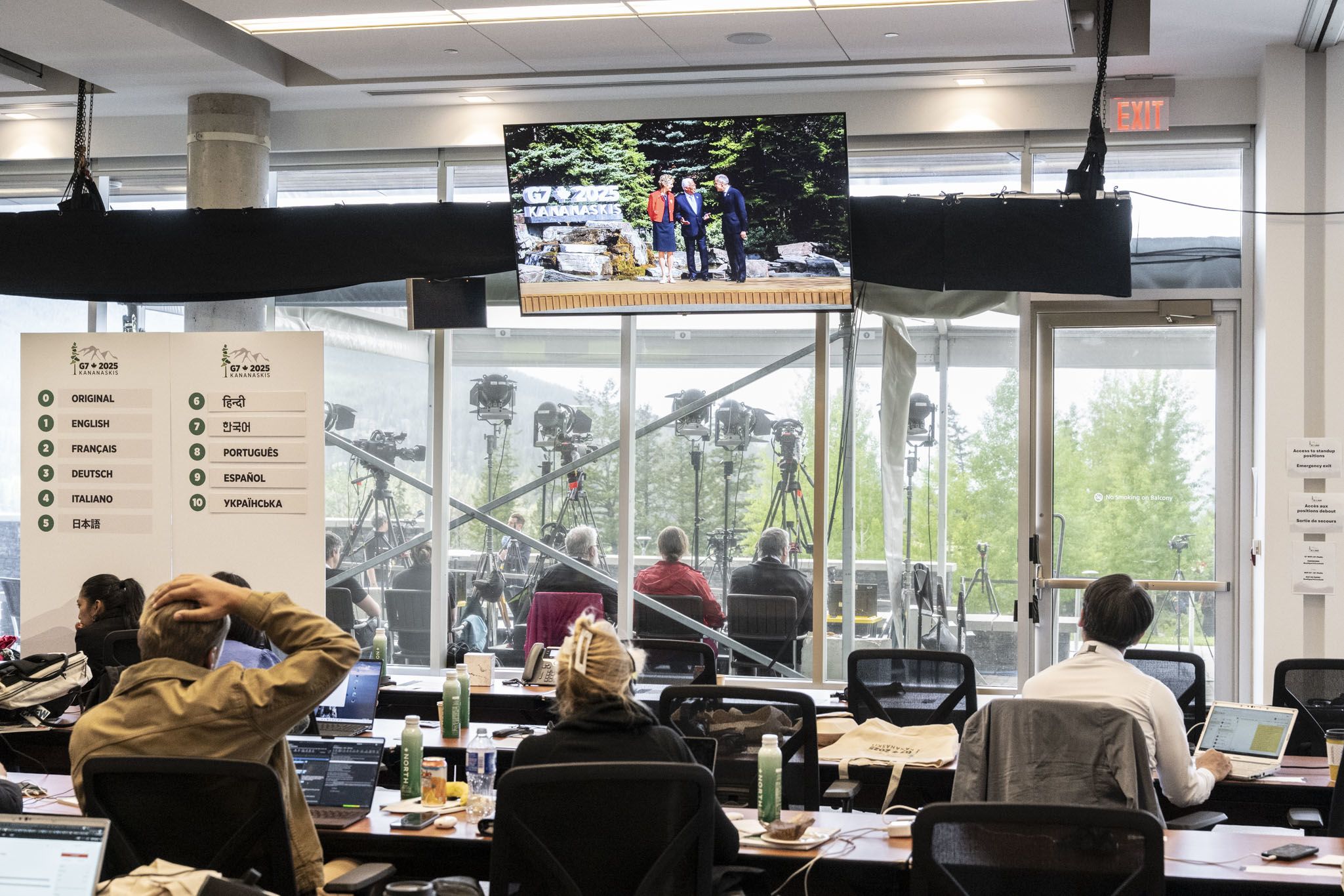
“We welcomed about 500 delegates from print, radio, and television over four to five days,” says Banff Centre president and CEO Chris Lorway. “This was definitely the most technologically complex event we’ve hosted to date.”

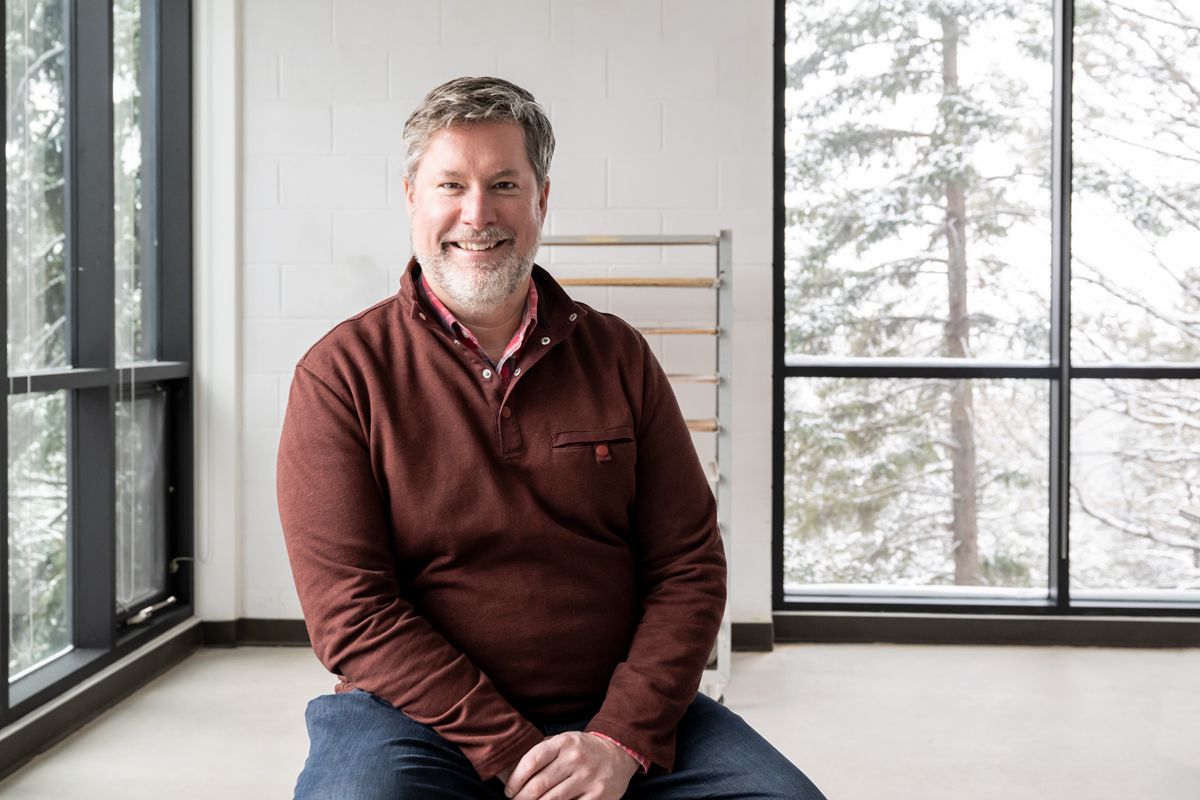
Chris Lorway
Chris Lorway
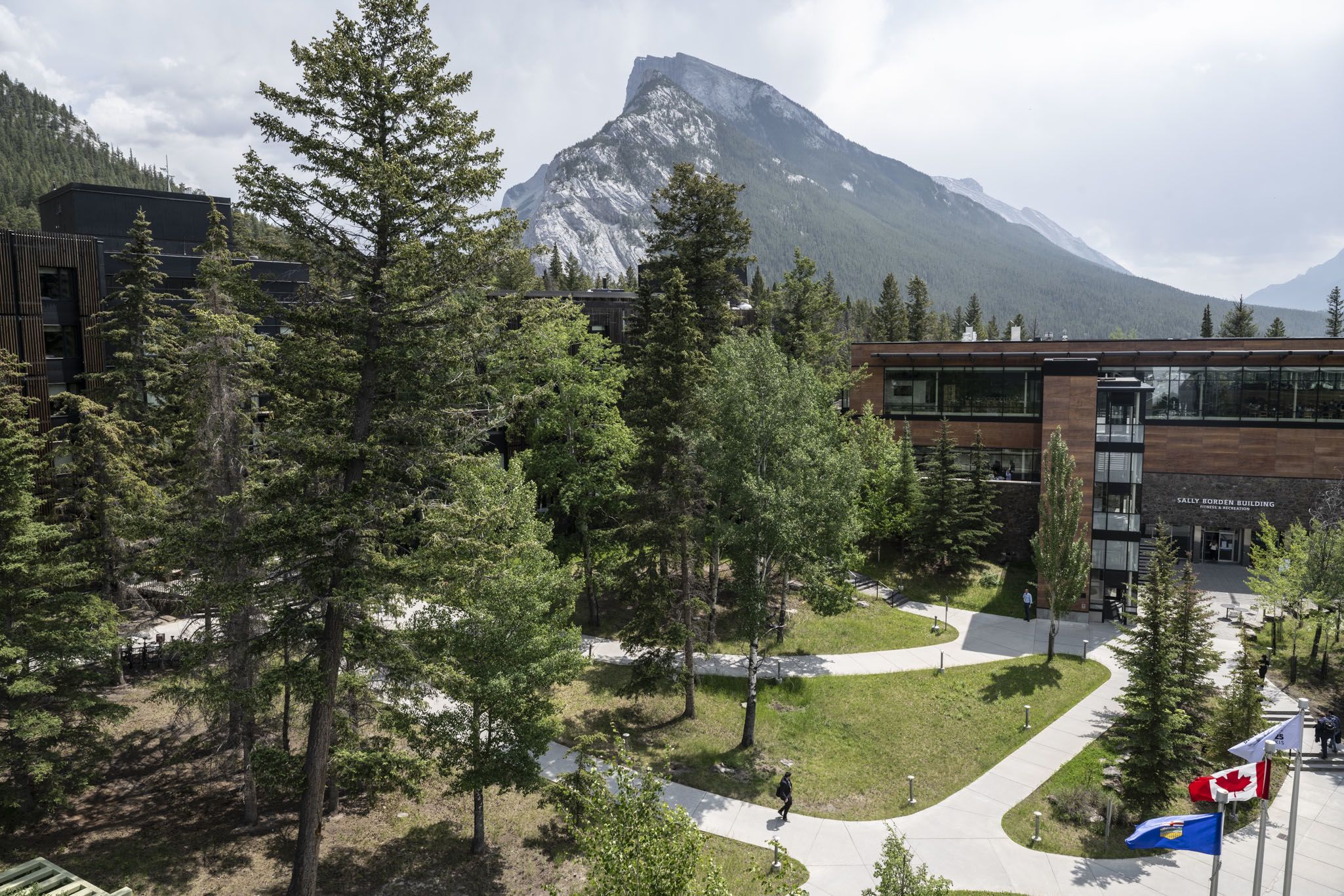
Banff Centre became one of three official G7 venues selected by Global Affairs Canada. The choice wasn’t just logistical, it was intentional. With a sprawling campus nestled in one of the world’s most stunning landscapes, the Centre offered not just a place to host, but a chance to reflect Canadian values around creativity, sustainability, and leadership.
““This was a great opportunity to make permanent some of the sustainability changes we’d already been planning”
Banff Centre president and CEO Chris Lorway

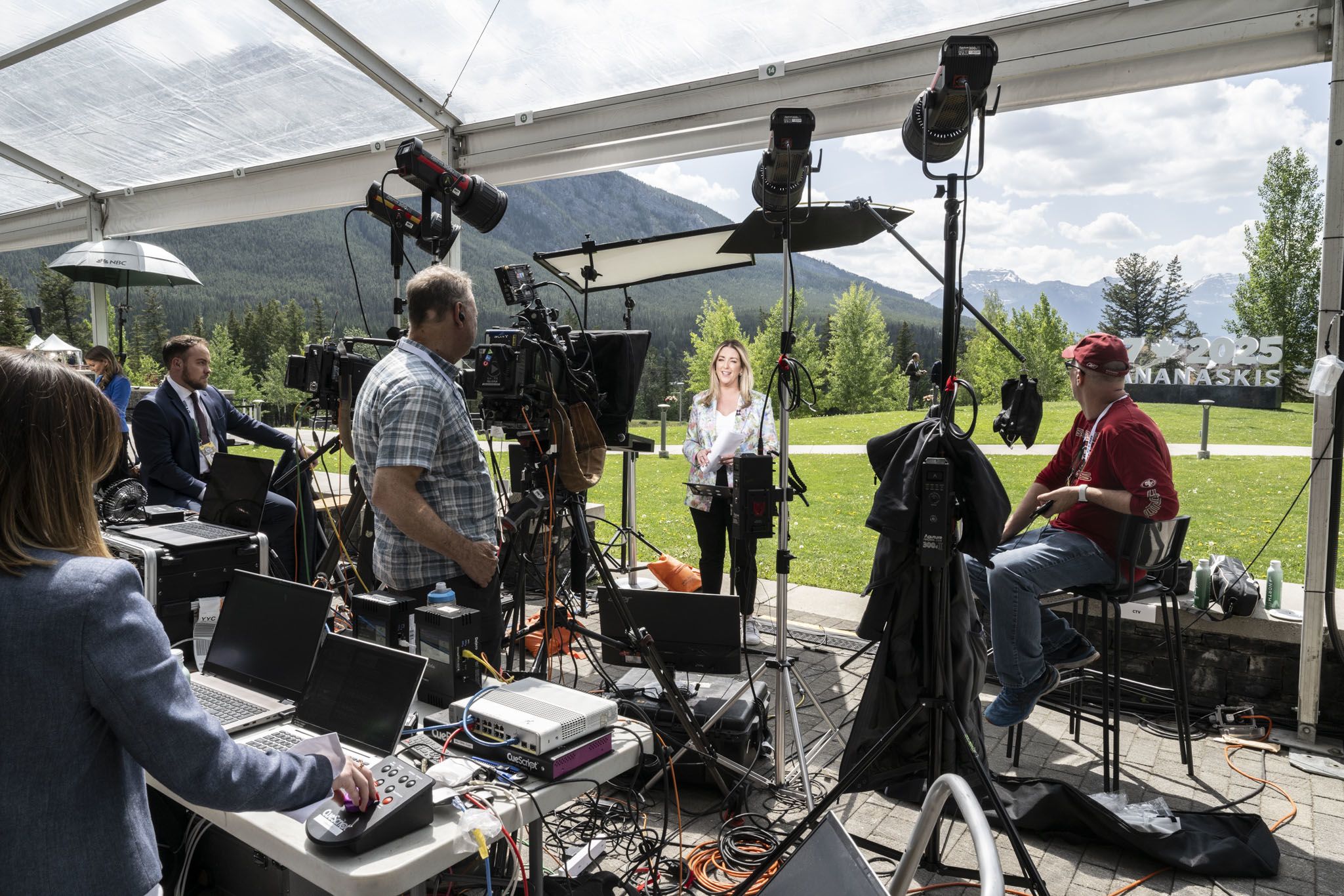
Turning a cultural campus into a global media hub
Converting a cultural campus into a high-security, high-tech international broadcast zone was no small feat. The Centre had about a year to prepare. Internally, the project was codenamed “Project X,” and much of the planning remained confidential for months.
Over that year, Banff Centre’s teams - event staff, media production, facilities, and arts programming - worked closely with Global Affairs and the RCMP to coordinate logistics, security, and service delivery. Crucially, all this happened without shutting down the Centre’s core programming
“We still had a Métis visual arts residency running while this was happening,” Lorway says. “It meant our teams had to be in constant communication and prioritise both sides equally; hosting the G7 media while caring for our artists and their creative space.”


A model of sustainable scale-up
Not only did the Centre meet the operational demands of the G7 without compromising its values, the summit actually served as a catalyst for accelerating Banff Centre’s sustainability agenda.
For example, hosting more than 500 media professionals meant significant food service requirements. To mitigate waste, the centre trialled a circular waste system that dehydrated food waste into fuel pellets, an emerging technology gaining traction in Canada. It also removed lingering single-use plastics from its catering operations and improved recycling and waste tracking protocols across campus.
“This was a great opportunity to make permanent some of the sustainability changes we’d already been planning,” says Lorway. “The G7 team’s carbon-neutral goals aligned perfectly with our own.”
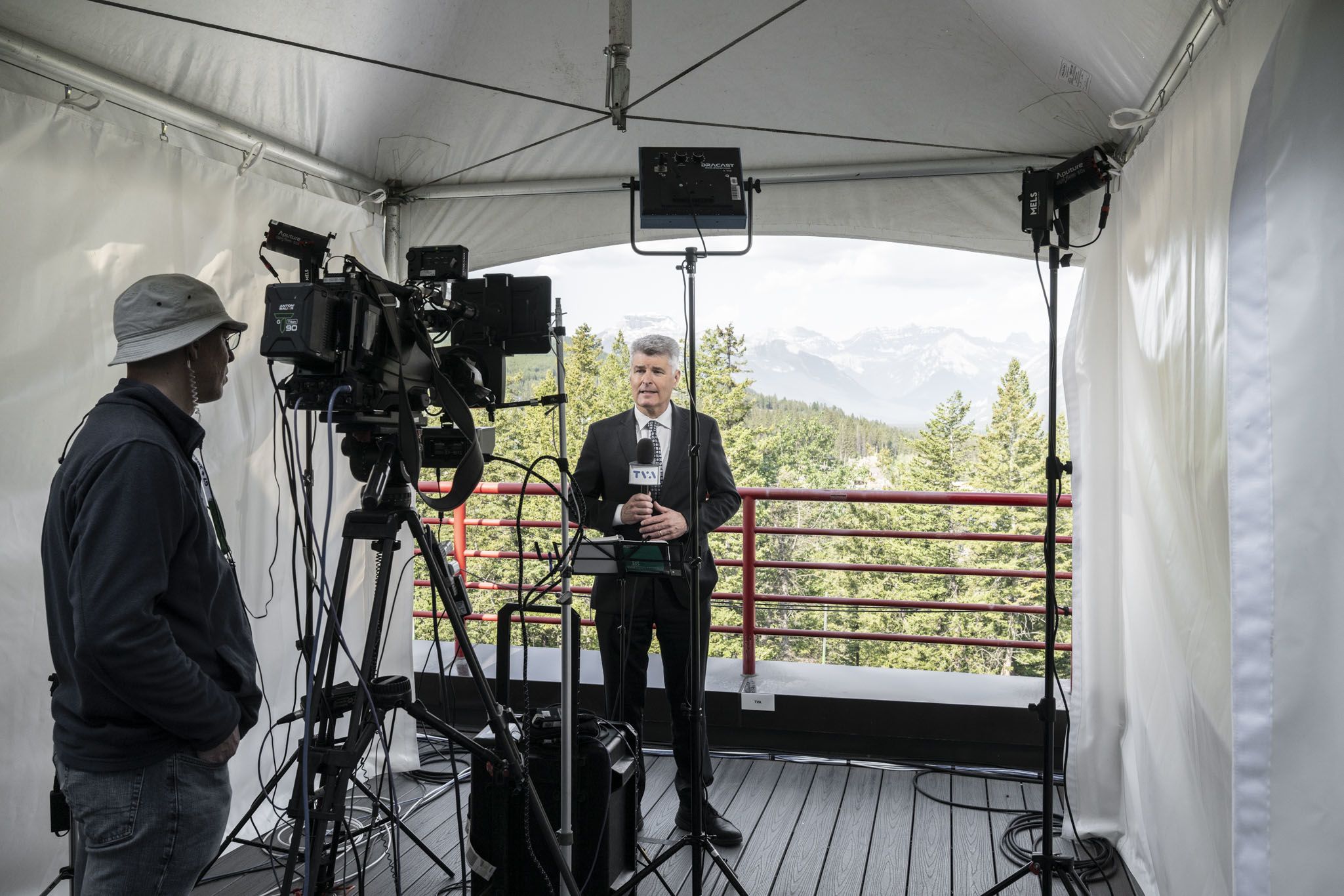
The infrastructure upgrades were equally impactful. The centre’s main conference facility was outfitted to support 80 standing broadcast cameras, requiring extensive fibre cabling, power upgrades, and high-speed Wi-Fi systems. These improvements - designed to serve a one-time international summit - are now long-term assets that will benefit future events for years to come.
“Hosting an event like this with the eyes of the world watching gives people a different level of confidence in what we can do.”
Chris Lorway


Quiet chaos and a photo-friendly legacy
While the media buzzed around Banff Centre’s Media Centre, much of the surrounding campus remained calm. That wasn’t by accident.
“We encouraged staff not directly involved in the event to either work from home or take holidays,” Lorway explains. “It helped keep stress levels low and campus traffic minimal.”
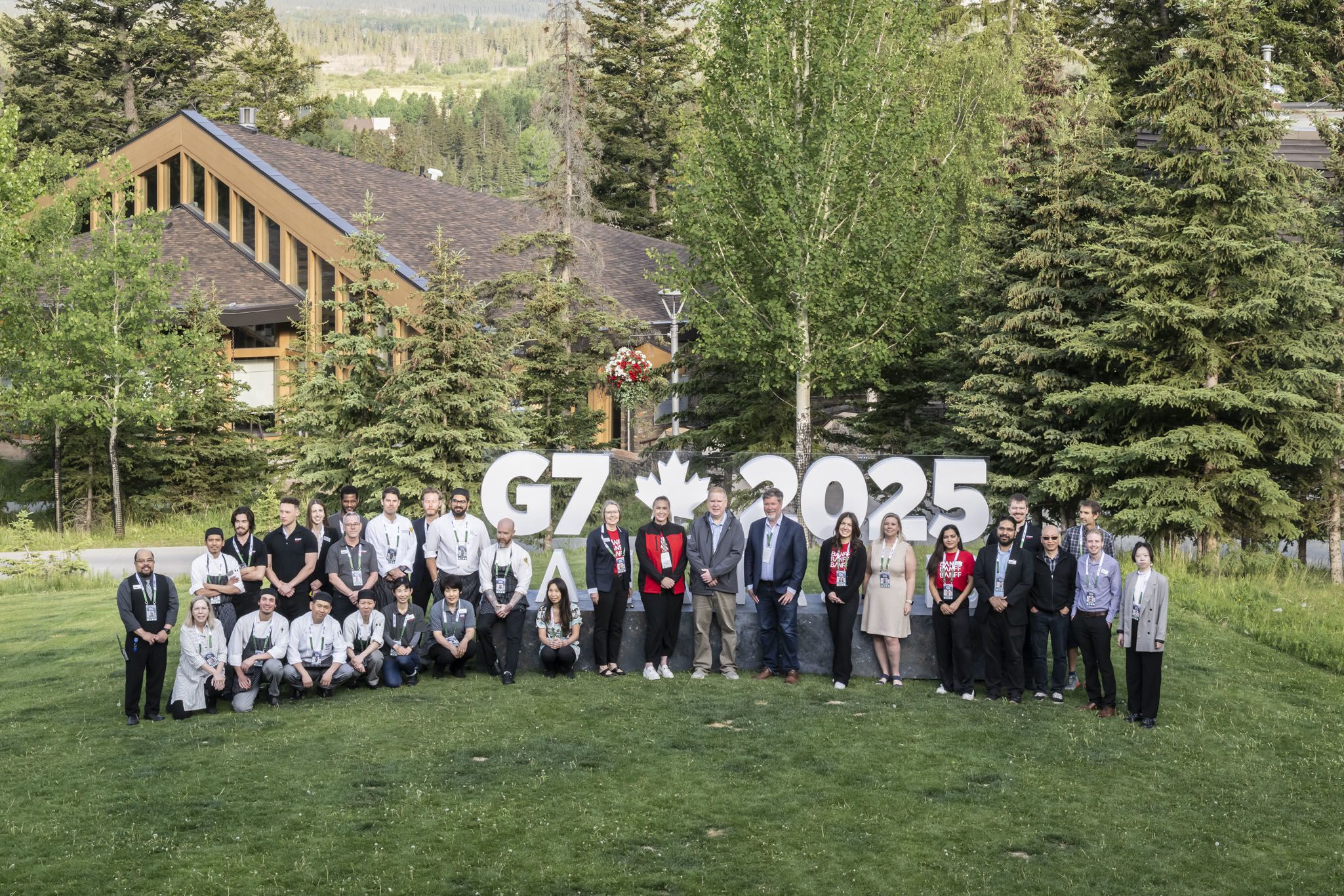
Today, just a few weeks after the event, things are back to normal - almost. One lingering artefact of the summit remains: a G7-branded photo installation on the front lawn. With Banff’s famous mountains in the background, it has become a popular spot for selfies and tourist photos, and the centre has decided to leave it up for the summer.
Less visible, but even more impactful, is the sense of renewal left behind.
“Before COVID, we had lush flowers across campus, but those disappeared during the downturn,” Lorway reflects. “Now they’re back. The place is blooming again, literally and figuratively.”
Team-building under pressure
Beyond the technology and infrastructure, perhaps the most valuable legacy is human: collaboration. Hosting the G7 required cross-functional teamwork like never before.
“We had teams that don’t usually work together - media production, artistic programming, security, events - all coordinating in real time,” Lorway says. “It built morale and trust in ways we couldn’t have anticipated.”
It also gave the centre an undeniable boost in credibility.
“Hosting an event like this with the eyes of the world watching gives people a different level of confidence in what we can do.”
Why Banff?
In the end, what brought the G7 to Banff Centre wasn’t just its facilities, it was its place.
“I’ve lived in London, New York, San Francisco, and Toronto,” Lorway says. “I thought I was a bit crazy when I moved into the woods. But now I can’t imagine being anywhere else.”
With elk and deer wandering past his window, and snow-capped peaks surrounding him, Lorway says it’s easy to see why Banff was chosen.
“There are few places more spectacular in the world,” he says. “It just made sense to host a global event like this here.”
A blueprint for future events
As countries, corporations, and cultural institutions look to host large-scale gatherings with lower footprints, Banff Centre offers a powerful example: that you don’t need to sacrifice sustainability or creativity to operate on a global stage.
In fact, as the G7 at Banff Centre shows, leaning into those values might just be what makes it all work.