What to do when the weather gets weird
How to plan events in a world of climate change
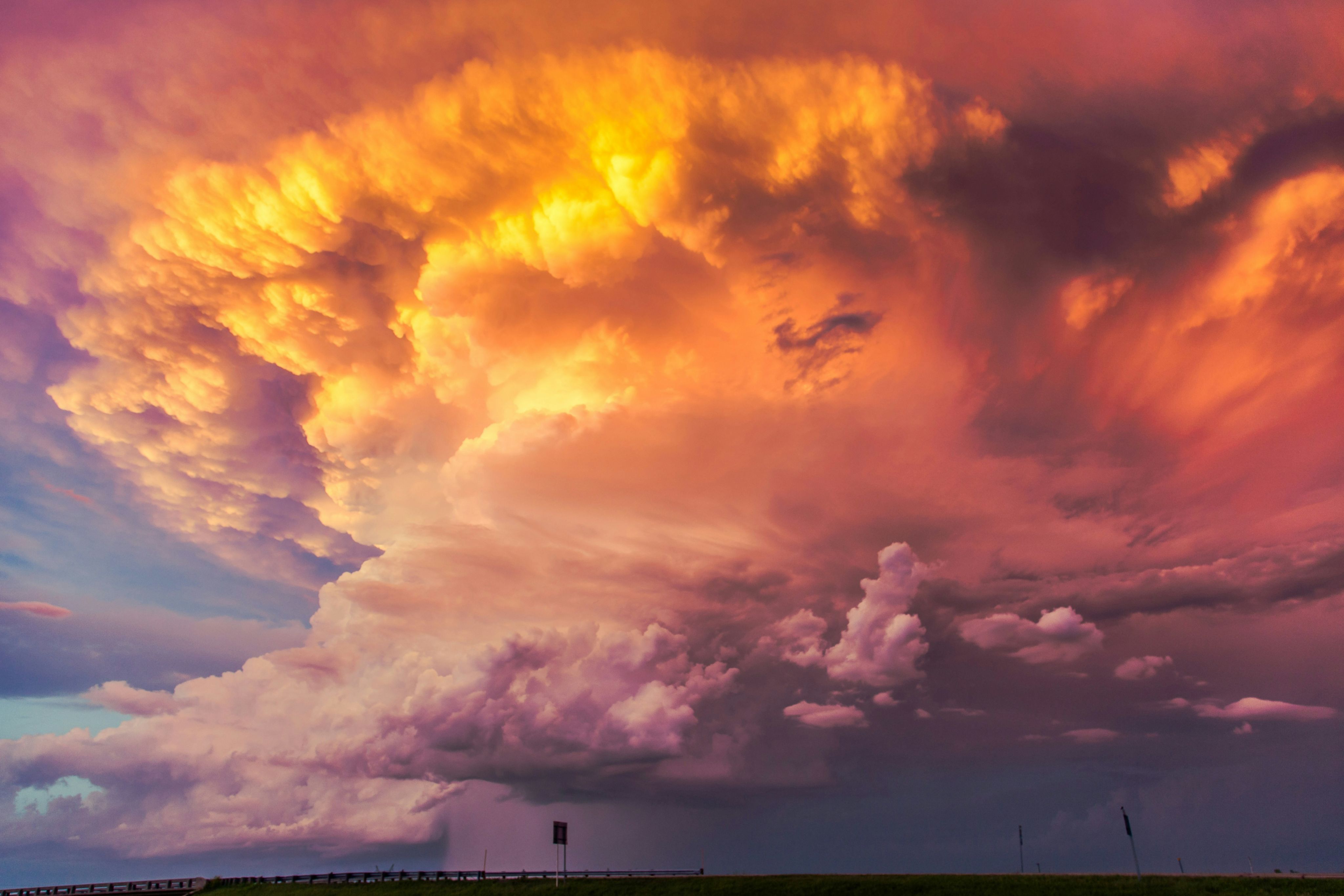

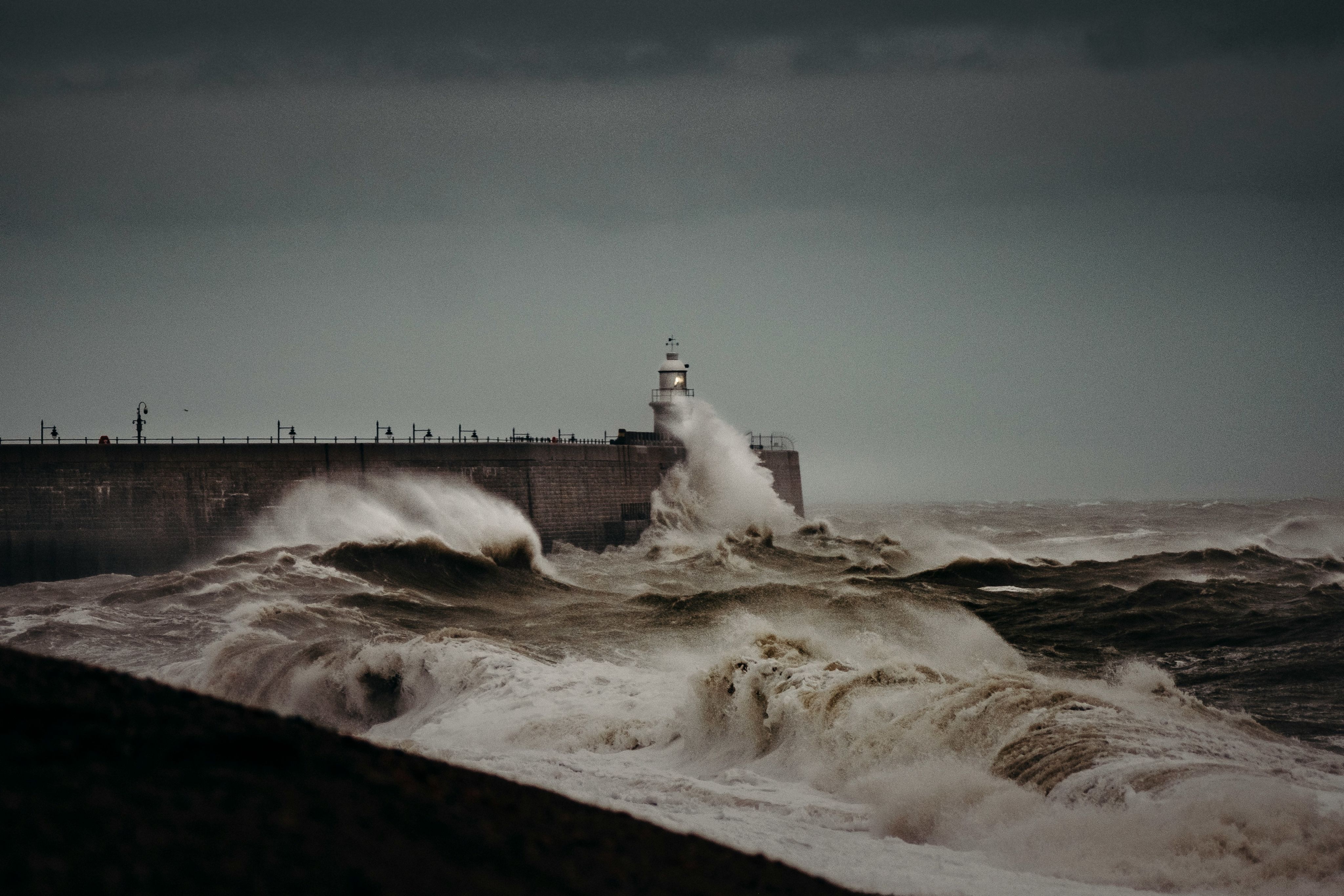
Association event organisers are used to planning for inclement conditions, like a bit of rain or wind.
However, as the climate changes, associations are at risk of being caught unprepared for weird weather that doesn’t follow patterns we’re used to.
"...their event would fall victim to one of the most intense Atlantic hurricane seasons ever recorded."

Lori Mann, director of conferences and programs for the North American Association of Environmental Education (NAAEE), has experienced the worst when it comes to extreme weather. And both she and her conference, have survived to tell the tale. She offers an experienced perspective for association event organiser contemplating how to improve their events’ resilience to climate change.
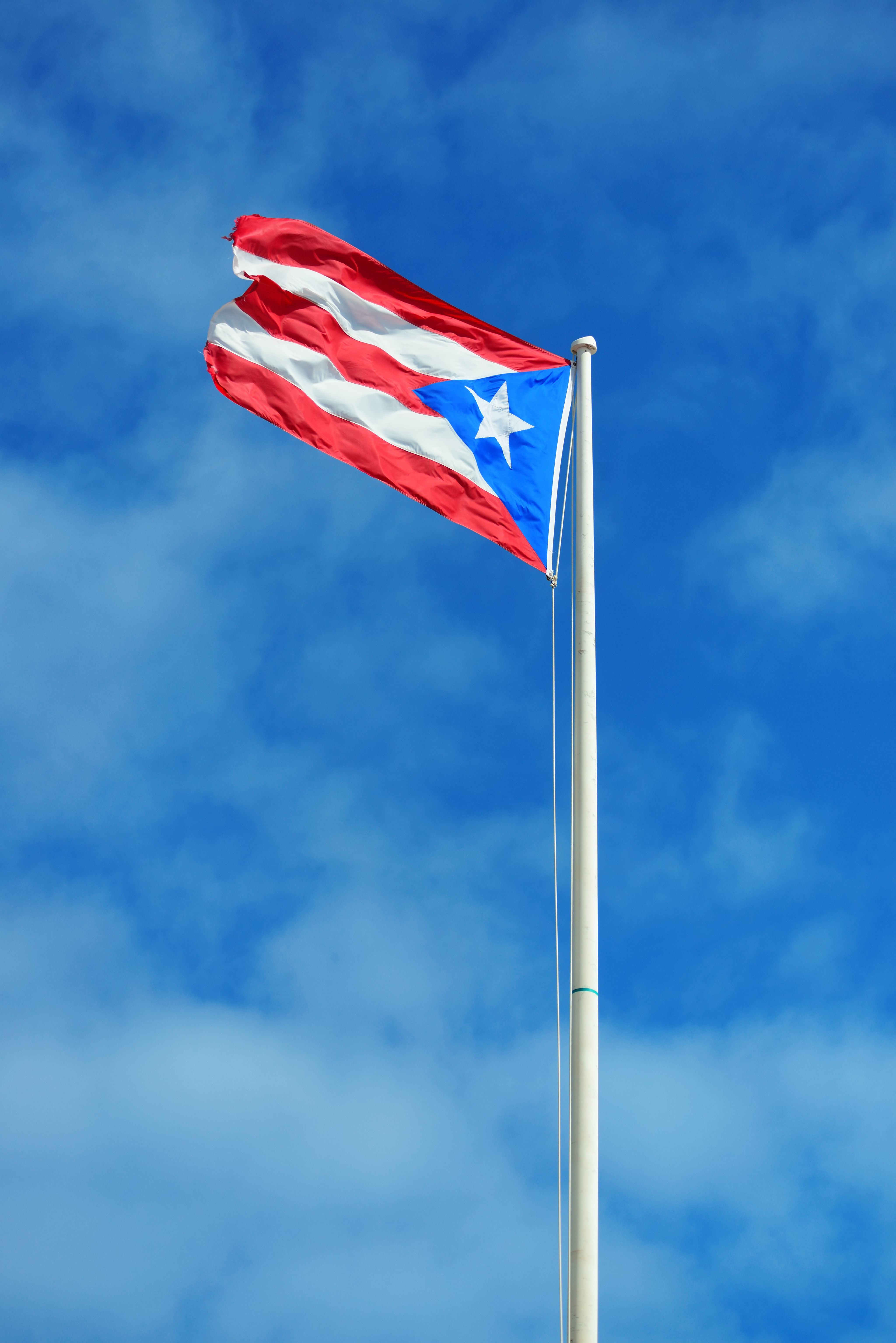
When NAAEE selected Puerto Rico as the location of their Annual Conference & Research Symposium in October 2017, they were unaware their event would fall victim to one of the most intense Atlantic hurricane seasons ever recorded.
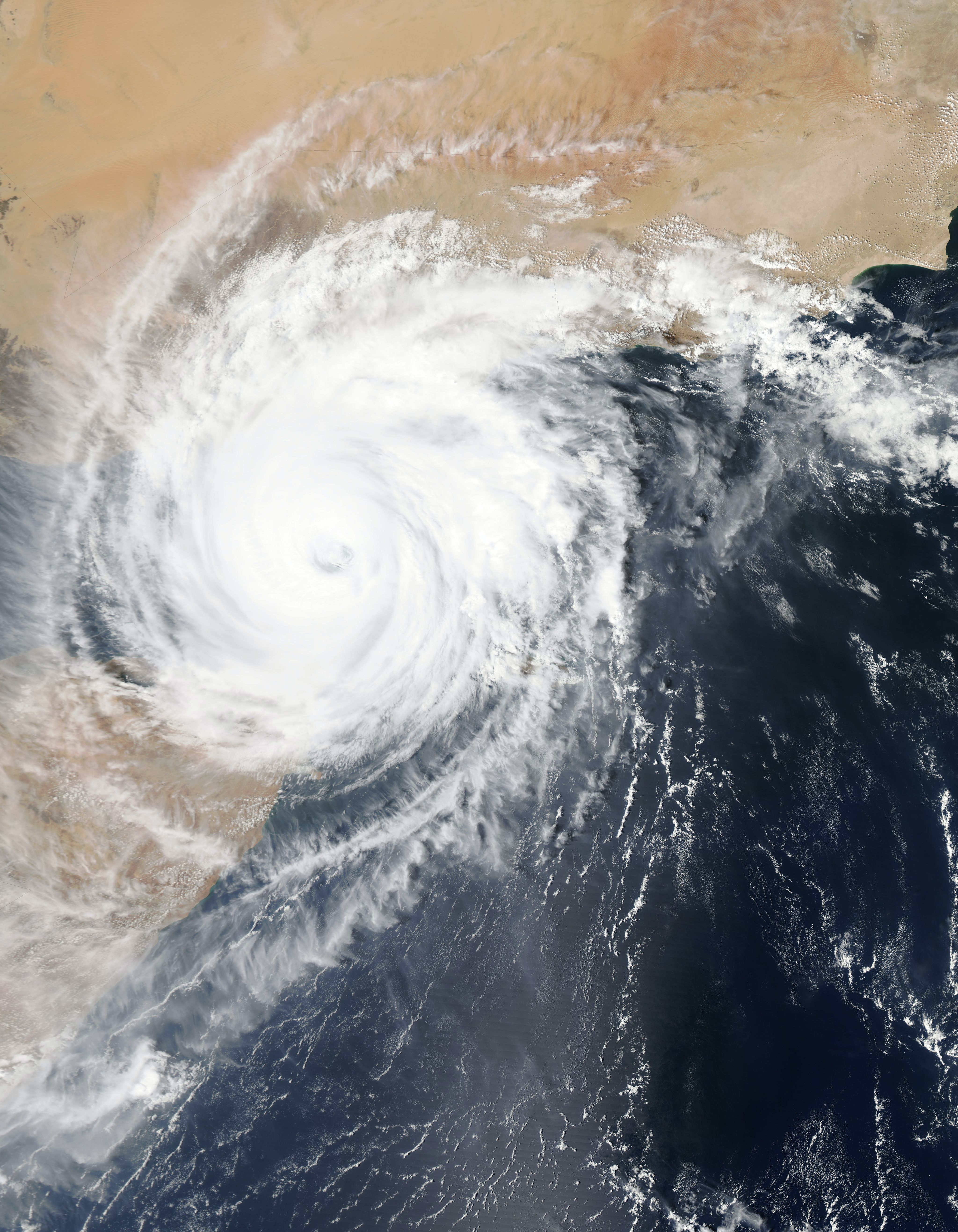
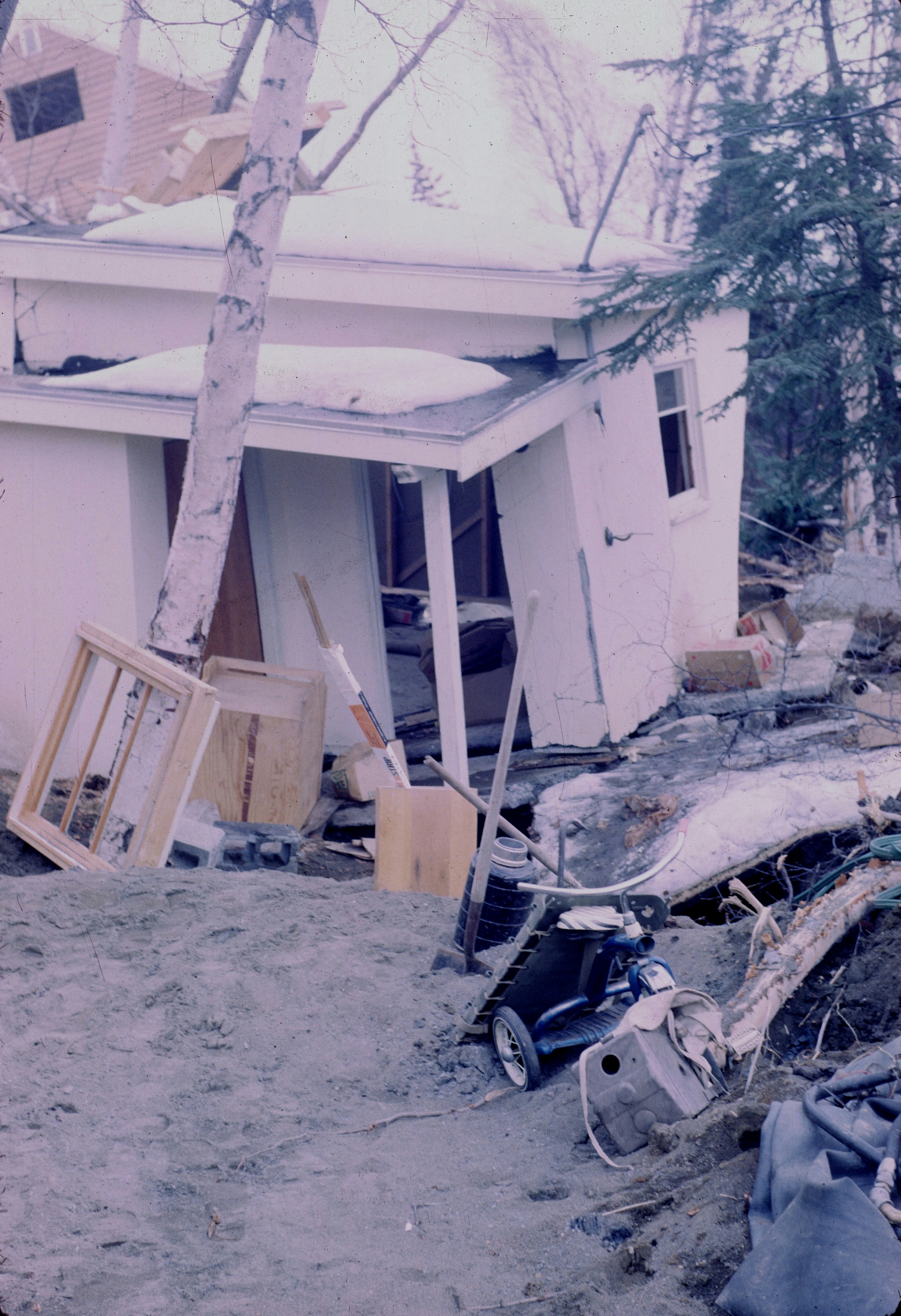
Maria was the strongest hurricane to make landfall in Puerto Rico since 1928, wiping out essential infrastructure and causing 2,975 excess deaths. “We had been working for a whole year with wonderful partners in San Juan planning our event,” she recalls.
It had been a bad year for hurricanes with Harvey and Irma, so we were somewhat on alert. But when Maria hit a couple of weeks before our conference it was devastating in so many ways. The infrastructure was gone; we couldn’t even reach anyone when it first happened.”


"Generally they do not protect event planners
from weather issues, unless the weather
literally shuts down the venue..."

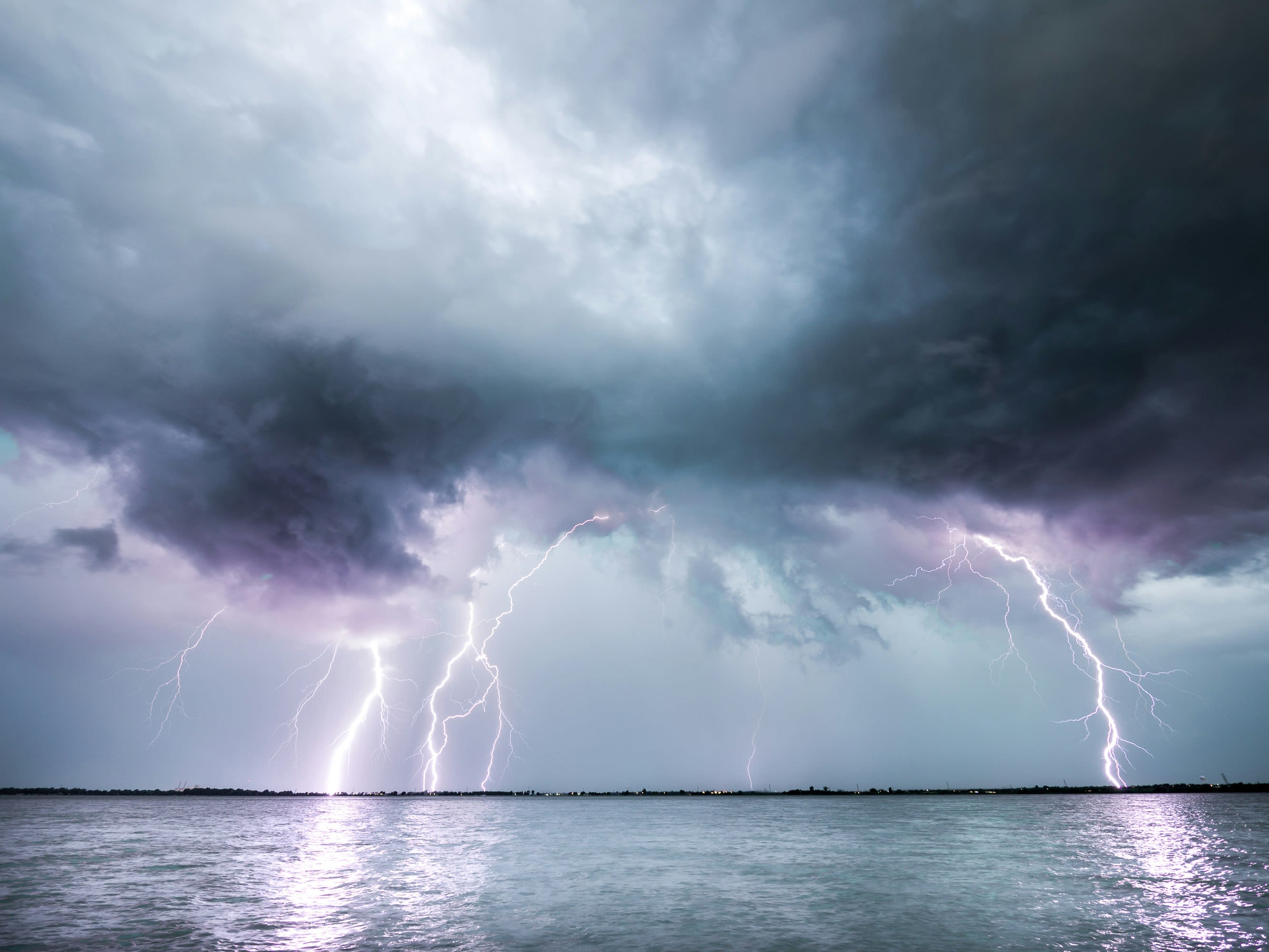

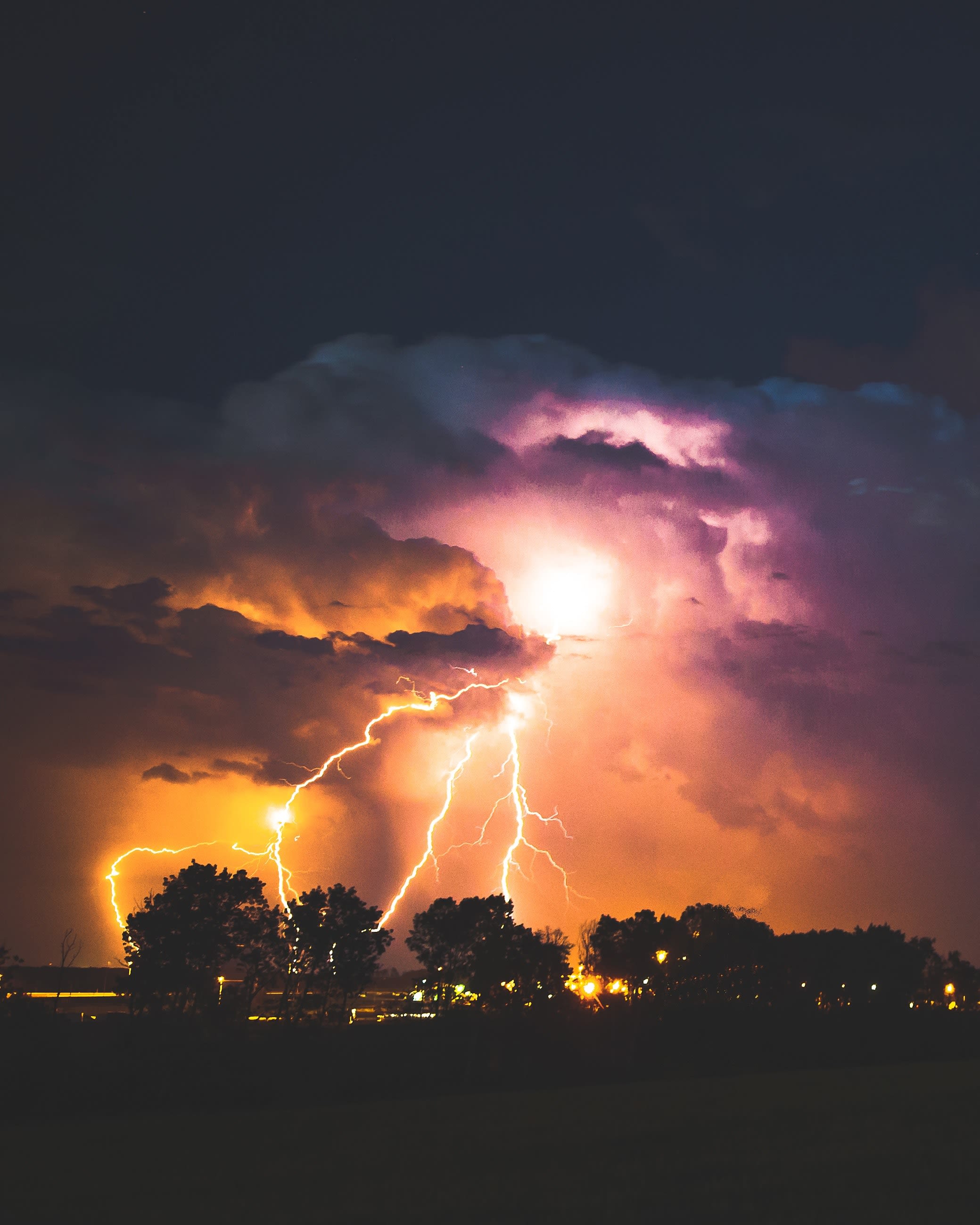
Photo by Max LaRochelle on Unsplash
Photo by Max LaRochelle on Unsplash

NAAEE’s conference was one of 13 business meetings reported as disrupted by a trio of destructive hurricanes in August and September 2017. Hurricane Irma also caused the cancellation of the American Therapeutic Recreation Association Annual Conference and the postponement of the Society for the Advancement of Material and Process Engineering Conference and the Florida Restaurant and Lodging Show, all planned for Orlando, Florida.
Mann elaborates on NAAEE’s decision making process in the aftermath of Maria: “There was a period of a few days where we were simply figuring out what to do. There was no playbook for our situation. We tried to reach our local partners to learn about the situation on-the-ground and what would most help them, because our members wanted to assist.
It was very challenging to get information. We eventually made the difficult decision to cancel for the first time in 46 years. Everyone had worked so hard and was so heartbroken.”
"The association was eventually able to recoup losses..."

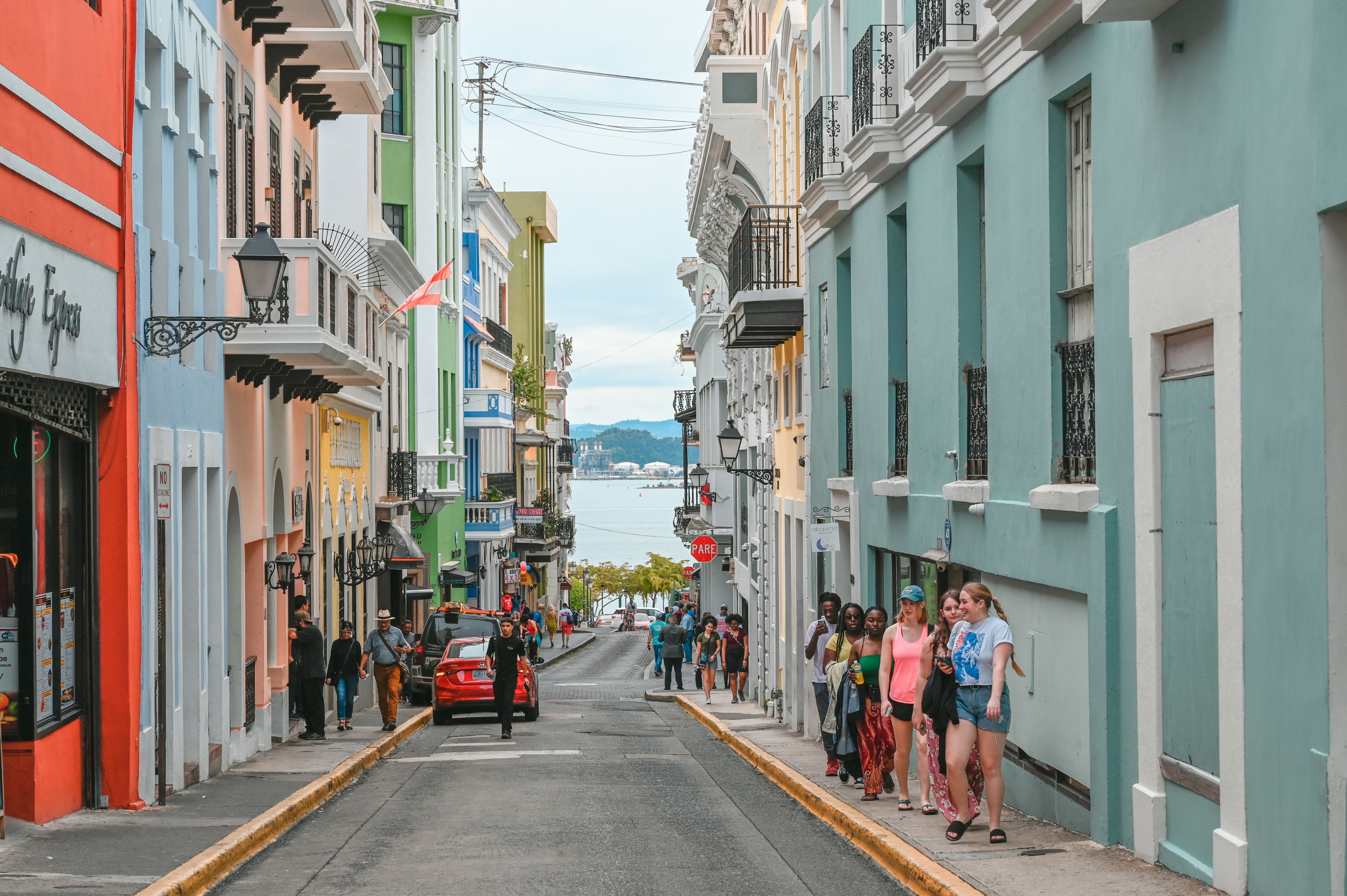
NAAEE was able to adapt to host their first-ever virtual conference on the same dates with just a few weeks of planning. The organisation also mobilised members to raise more than $20,000 to help their event partner in Puerto Rico, Para La Naturaleza, to rebuild communities and natural areas hit by the hurricanes.
The association was eventually able to recoup losses through a pre-existing event insurance policy. “We’ve always carried cancellation insurance. What we went through with Maria is the reason we continue to purchase it.”
Event cancellation insurance may offer protection from extreme weather, although there are limitations.
Neil Gibson, executive general adjuster with McLarens Canada describes how coverages for rare or unusual weather are very dependent on the event, making it important to review policies and terms. “There are different policies, including the triggers, which are always dependent on the location, nature and type of event.
Organisers need to understand that the coverages are not all-inclusive and be aware of the various risks and exposures that can be limited or excluded under policies.

Photo by ThisisEngineering on Unsplash
Photo by ThisisEngineering on Unsplash

Photo by Daniel Ramírez on Unsplash
Photo by Daniel Ramírez on Unsplash
"We didn’t ever worry about fires
in California before. But you have
to think about that now..."

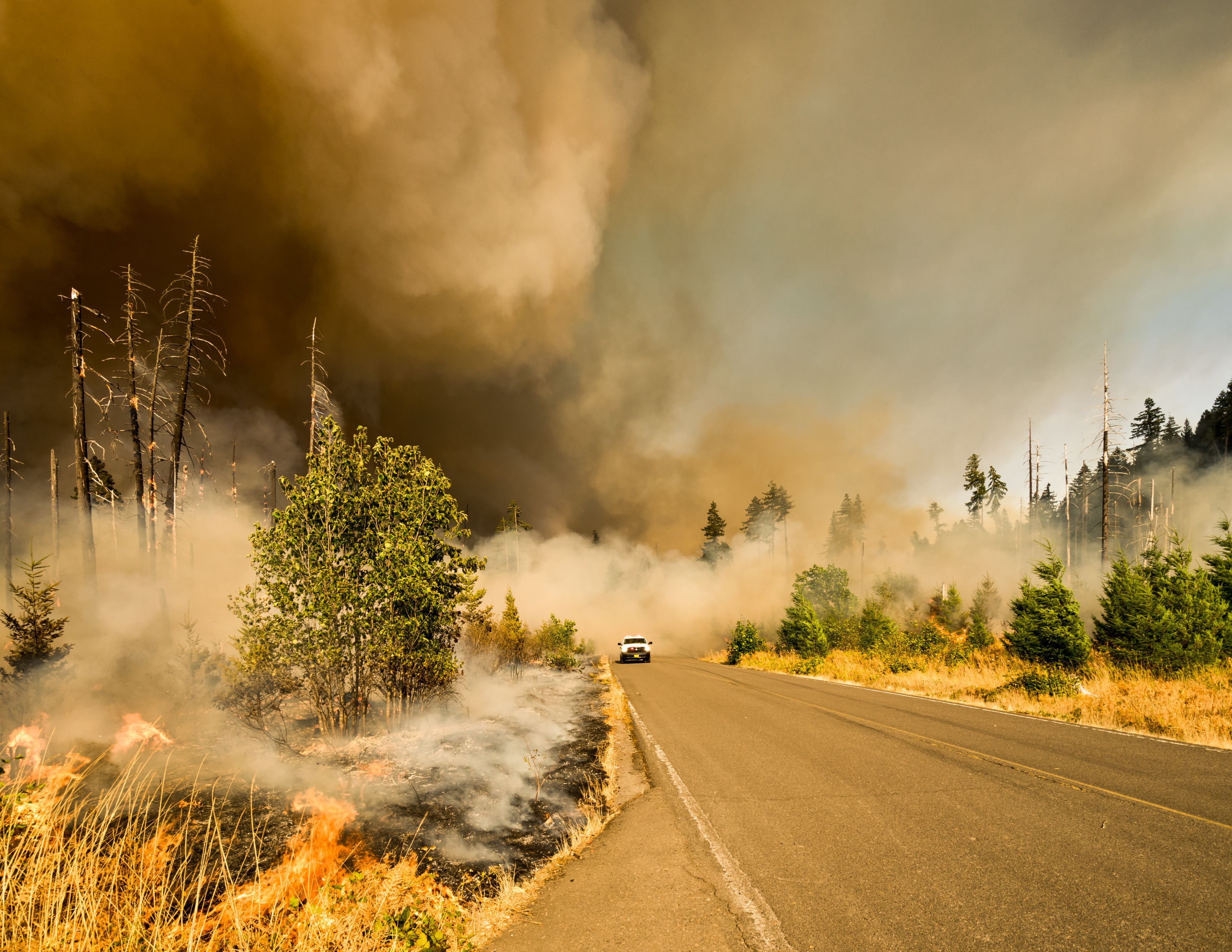

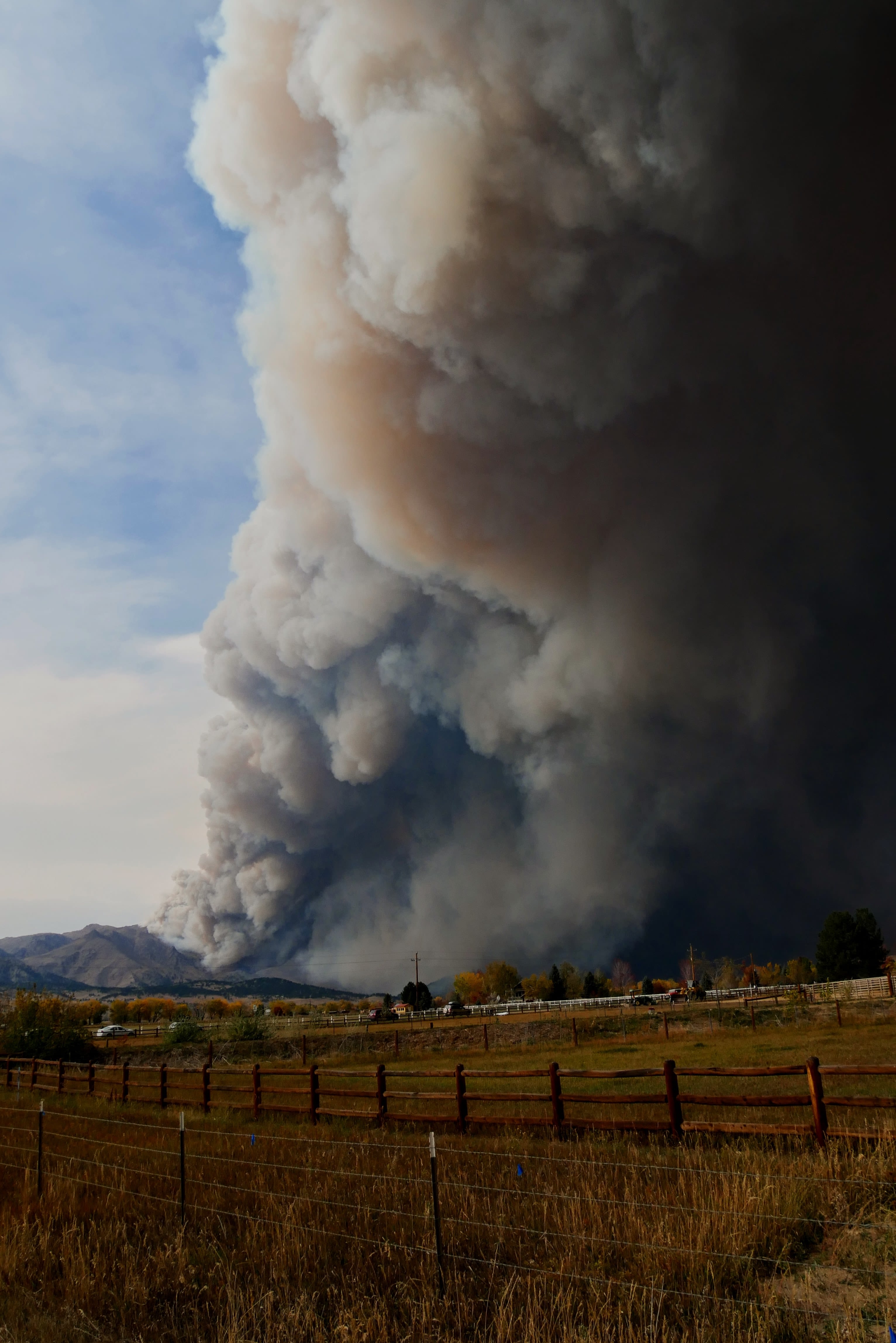
Photo by Malachi Brooks on Unsplash
Photo by Malachi Brooks on Unsplash

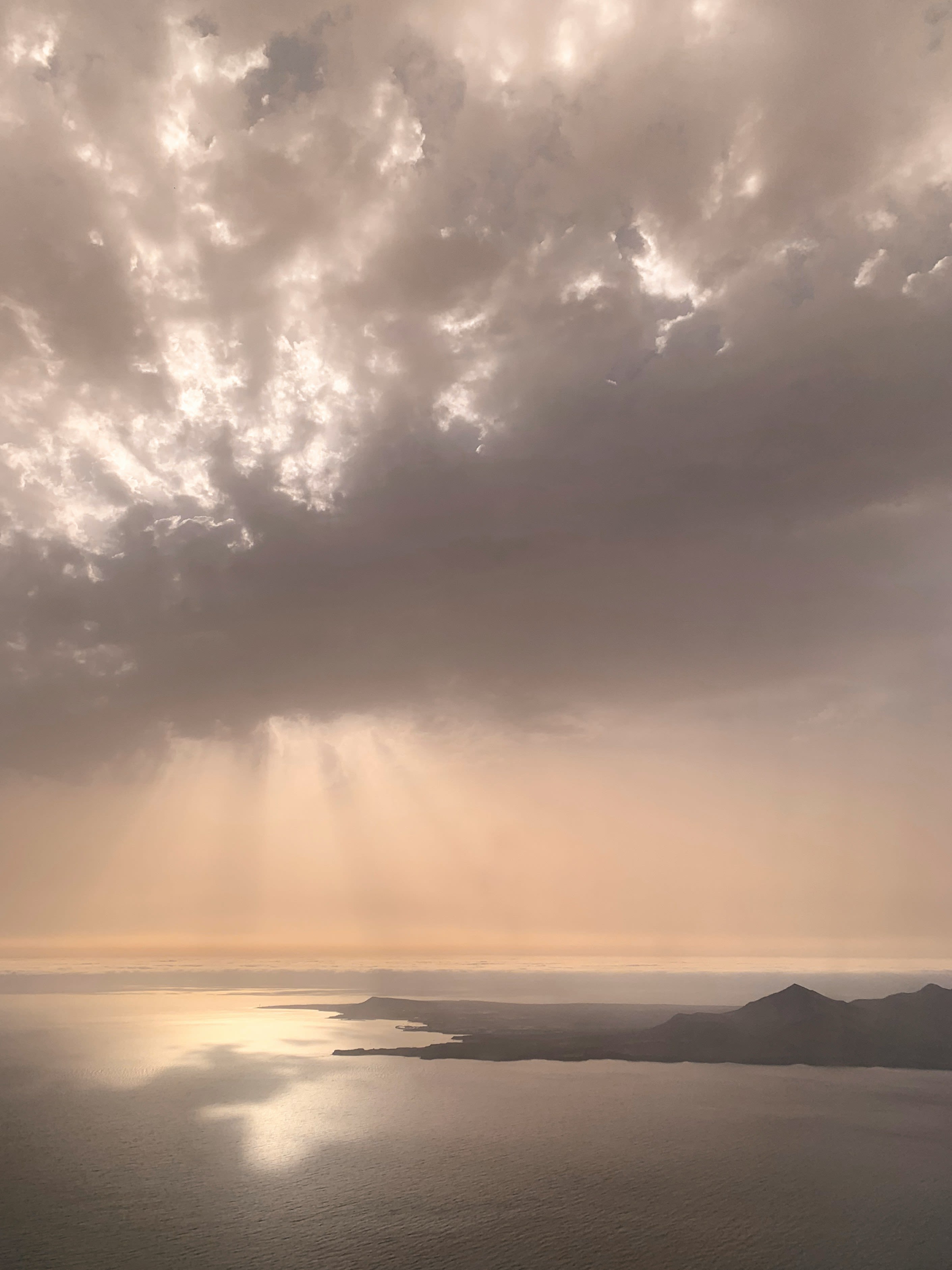
Photo by Alev Takil on Unsplash
Photo by Alev Takil on Unsplash
“The most common exclusions currently in place within most markets are communicable disease (COVID) and wildfires.”
Gibson also adds that when it comes to claims against insurance for relocation, rescheduling, or cancellation that each loss is independently assessed based on a multitude of variables that could impact coverage.
Seven years after Maria’s devastating disruption, Mann reflects on how NAAEE managed the crisis. “I feel like we handled it well. We really tried to put our members’ needs first, along with the people of Puerto Rico. We helped members by refunding registration and providing letters to assist with their airline claims.
Whatever assistance members needed we did our best to help with the issues they had.”
She underlines how the experience also made NAAEE much more conscious of their force majeure clause and what is included. “We added more specific provisions for weather as well as government shutdowns, which have also impacted us.”
The fine print
Rare, unusual and extreme weather incidents are the type of occurrences that should lead to force majeure cancellation.
However, as Joshua Grimes, Esq., of Grimes Law Offices, LLC based in Philadelphia, a leading attorney in the association, meeting, and hospitality industries explains, it depends on the language of the force majeure clause.
“Generally they do not protect event planners from weather issues, unless the weather problem literally shuts down the meeting venue or most transportation to the event city. This might cover a bad hurricane.”
“If the organiser can’t hold the event because of heat or smoke, the force majeure clause should allow cancellation or postponement for those issues. The usual hotel or venue contract does not provide for cancellation in such circumstances, so the organiser would need to request appropriate additional language.”
“If the clause only covers occurrences that make the event ‘illegal or impossible’, the provision could only be invoked if the event was illegal or impossible to move forward.
It’s better to allow force majeure cancellation if it’s ‘commercially impracticable’ to hold the event as well.
That additional language must be negotiated into the contract. “With more frequent extreme weather, it’s important to anticipate what might happen, and to create a contract clause that would address the issues. It’s incumbent upon organisers to negotiate a force majeure clause that covers the contingencies that concern them.”
When asked about how the experience has impacted site selection Mann comments: “We now alternate between a virtual and in-person format each year due to member preference. We are committed to continuing to meet in October and aware things are also getting worse with climate change. We would have to think carefully about meeting in a location that would expose us to the same kind of risk experienced in 2017.”
According to two extreme weather event attribution studies, climate change made Hurricane Maria’s heavy rains nearly five times more likely to occur, and increased the average and extreme rainfall of hurricanes Katrina, Irma and Maria.


In addition to storms, climate change is expected to intensify other weather extremes, including the severity of heatwaves, and contribute to increased drought, wildfire and heavy rainfall.
“We didn’t ever worry about fires in California before,” says Mann. “But you have to think about that now. Our event includes an outdoor reception and we host field trips. The weather is mostly good in October, but we have had rain and windy conditions that have caused us to shift things at the last minute, too.”
In these less severe but also stressful situations, it’s critical to have supplier partners that are ready with contingency plans, and can easily adapt at a moment’s notice. It can also help to add procedures for heat and air quality monitoring to event emergency plans, including Air Quality Health Index (AQHI) and temperature levels for when event activities may need to shift indoors or be curtailed.
Mann points to a social consciousness inherent to their membership when describing how NAAEE was able to adapt and recover from their extreme weather disruption.
“We approach the situation with compassion. You roll with the punches. And you get to work on the next year. Even when we were recovering from Maria, we were encouraging people to join us in Spokane the following year. We’ve done
the best we can, and have been fortunate
to have our members stick with us.”
Association events reported
as disrupted due to extreme weather:
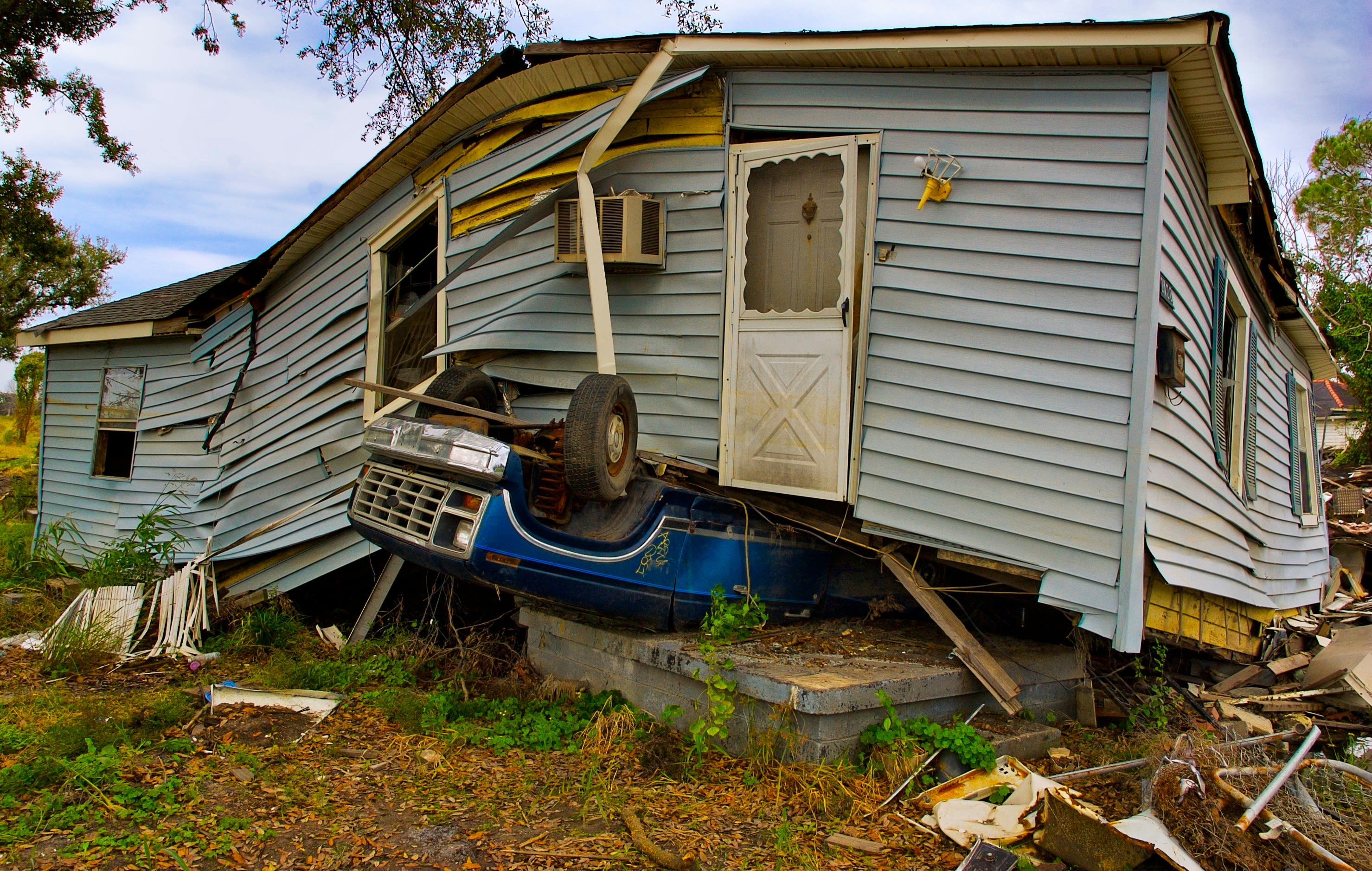
2005 – HURRICANE KATERINA,
NEW ORLEANS
- National Electrical Contractors Association Expo IEEE Power Engineering Society Conference and Expo
- Society of Public Health Education Conference
- Association for Career and Technical Education
- American Public Health Association
- Association for Operations Management
- National Catholic Development Conference
- American Association
of Retired Persons
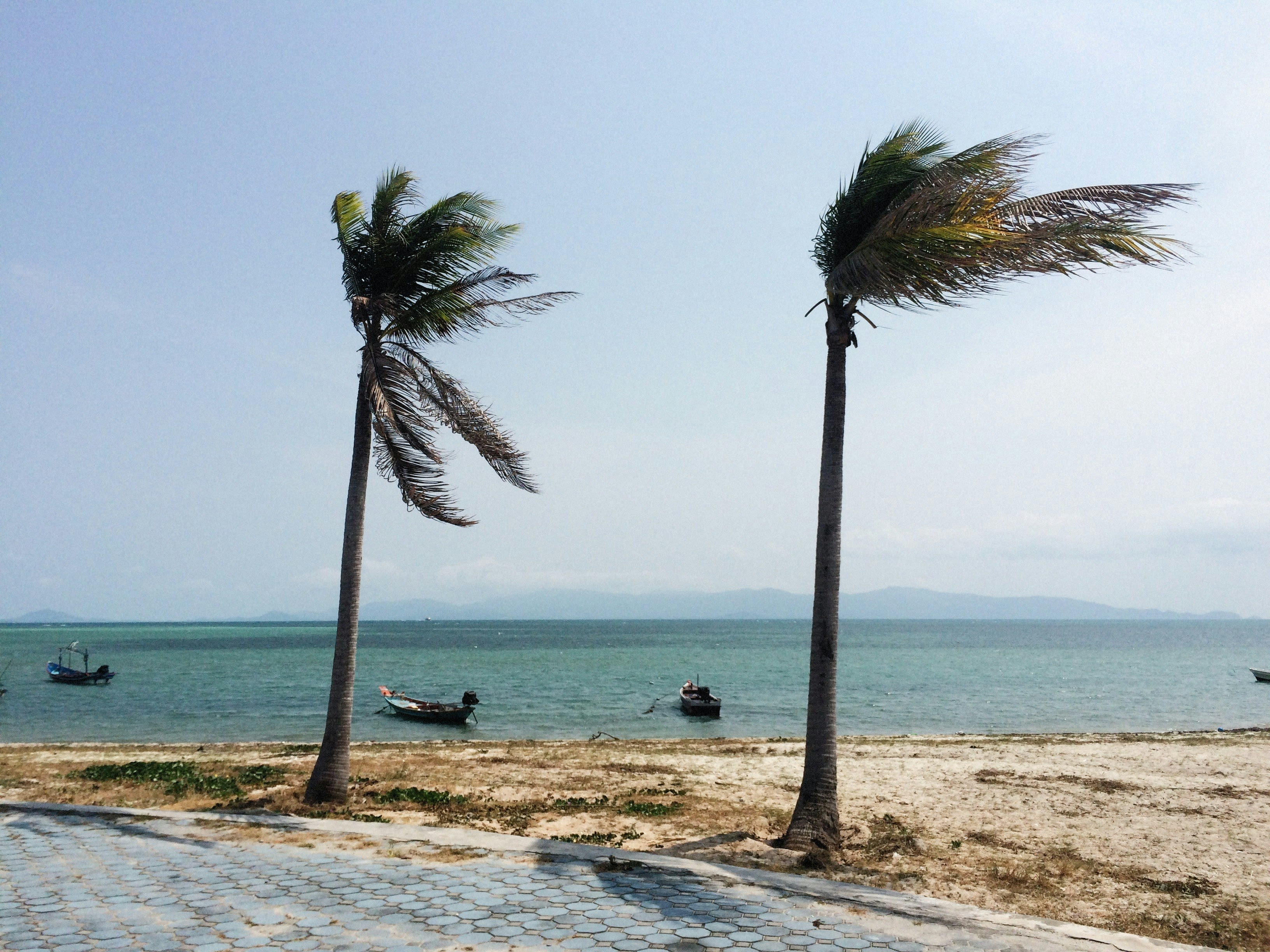
2012 – HURRICANE SANDY
- New Jersey League of Municipalities
- New Jersey Education Association
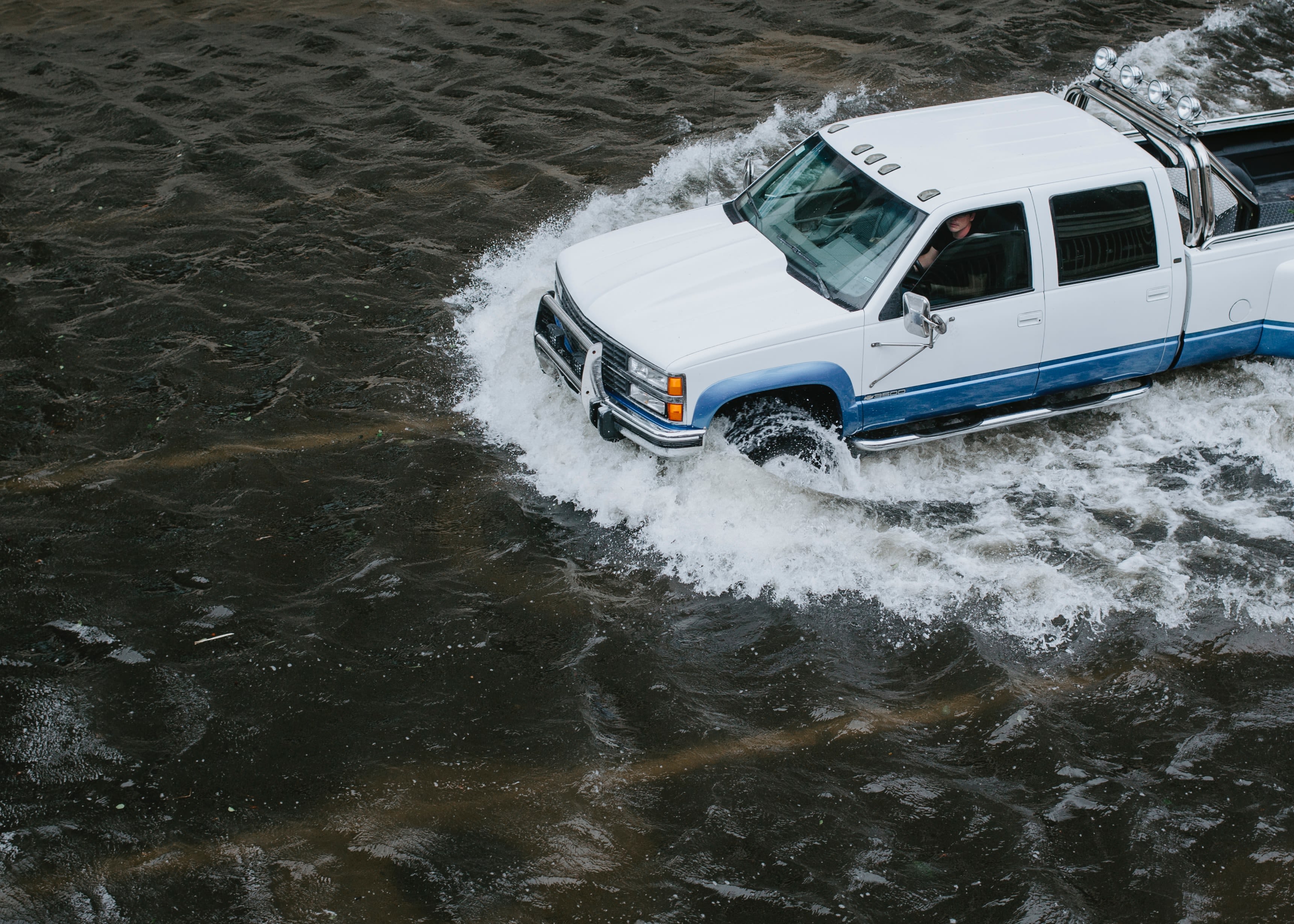
2017 – HURRICANE IRMA
- Society for the Advancement of Material and Process Engineering Conference
- American Therapeutic Recreation Association Annual Conference Florida Restaurant and Lodging Show (Florida Restaurant & Lodging Association)
2017 – HURRICANE MARIA
- North American Association for Environmental Education Conference
2022 – HURRICANE FIONA
- Puerto Rico Builders
Association conference
2022 – HURRICANE IAN
- Association for the Advancement of Blood & Biotherapies
- The Electro-Mechanical Authority Southeastern Chapter (EASA) fall conference
- Florida Association for Healthcare Resources & Materials Management Conference
- IBEX, the International BoatBuilders’ Exhibition & Conference
About the author

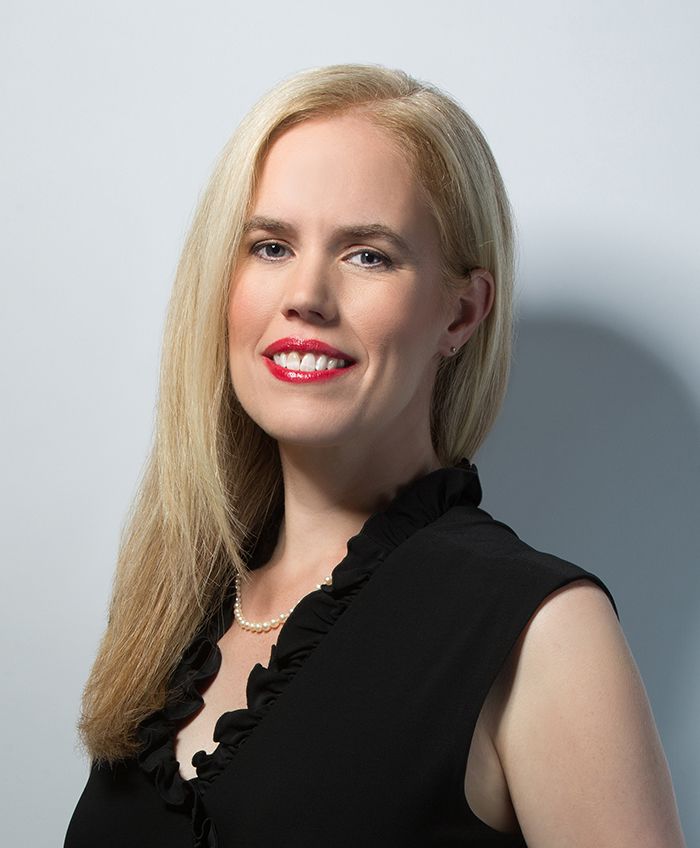
Shawna McKinley planned her first event during the 1994 Commonwealth Games when atmospheric carbon dioxide was 356 PPM. With levels now exceeding 415 PPM she works to help organisers lower the carbon cost of their events and ensure they leave a positive climate legacy. Shawna is an AMI Expert Contributor.
 Built with Shorthand