
‘There is nothing about us, without us’
Ellie Evans explores how event professionals are respecting Indigenous peoples in business events...

“The way to avoid cultural appropriation is to involve Indigenous people from the outset and to listen,” someone told me off the record on a recent hosted visit to Canada. “We’re doing the work and we’re finding our way by listening and through creating event experiences together.”
In Canada, the legacy of colonialism has been ugly and traumatic. But on my visit, I had a number of encounters that felt authentic, sincere and non-performative.
Canada’s first ever business event sustainability plan acknowledges that “Destination Canada’s role in this plan is to serve as an agent of change”. One of its pillars is socio-cultural sustainability, specifically that "events hosted in communities help preserve and sustain local cultures - including beliefs, practices and traditions".
Destination Canada's Guy Hall wrote in AMI how socio-cultural sustainability feeds into inspiring events, stating: "Event attendees are looking for unique and memorable experiences that are true to a destination and the people that call it home."
As I witnessed, conversations are being had: I spoke to hotel staff who said they’d had training sessions on the importance of involving Indigenous voices and there was a genuine spirit of co-creation.
“It is about learning and education and awareness, so it is very important to us to involve our local communities,” says Jennifer Attersall, Destination Canada’s acting senior director, business events.
‘Telling my stories from my voice is what is important’
On my trip I met Jasper-based Matricia Bauer, a singer, songwriter, musician, drummer and artist who hails originally from Sturgeon Lake Cree Nation. A tea sommelier and herbalist, she infuses events with her unique perspective and humour and has travelled the world as an ambassador of Indigenous tourism.
"Destination Canada has done the work to allow Indigenous voices to be heard. I’m so proud of their mandate," she says. "Sometimes the stories can be hard, and Destination Canada has not shied away from that legacy and, by shining a light on our history, allows for us to walk on a path of reconciliation together.”
Matricia wants to introduce all the beautiful parts of her culture to the world and her aim is to “indigenise the world, one drum beat at a time” via her Warrior Women collective.
"I think that visitors to Canada want authentic experiences and they can tell when the experiences are authentic, so Destination Canada provides a platform [for that]," she adds. "Indigenous people are still here and we are still practicing our culture and medicines. There is nothing about us, without us. Telling my stories from my voice is what is important."

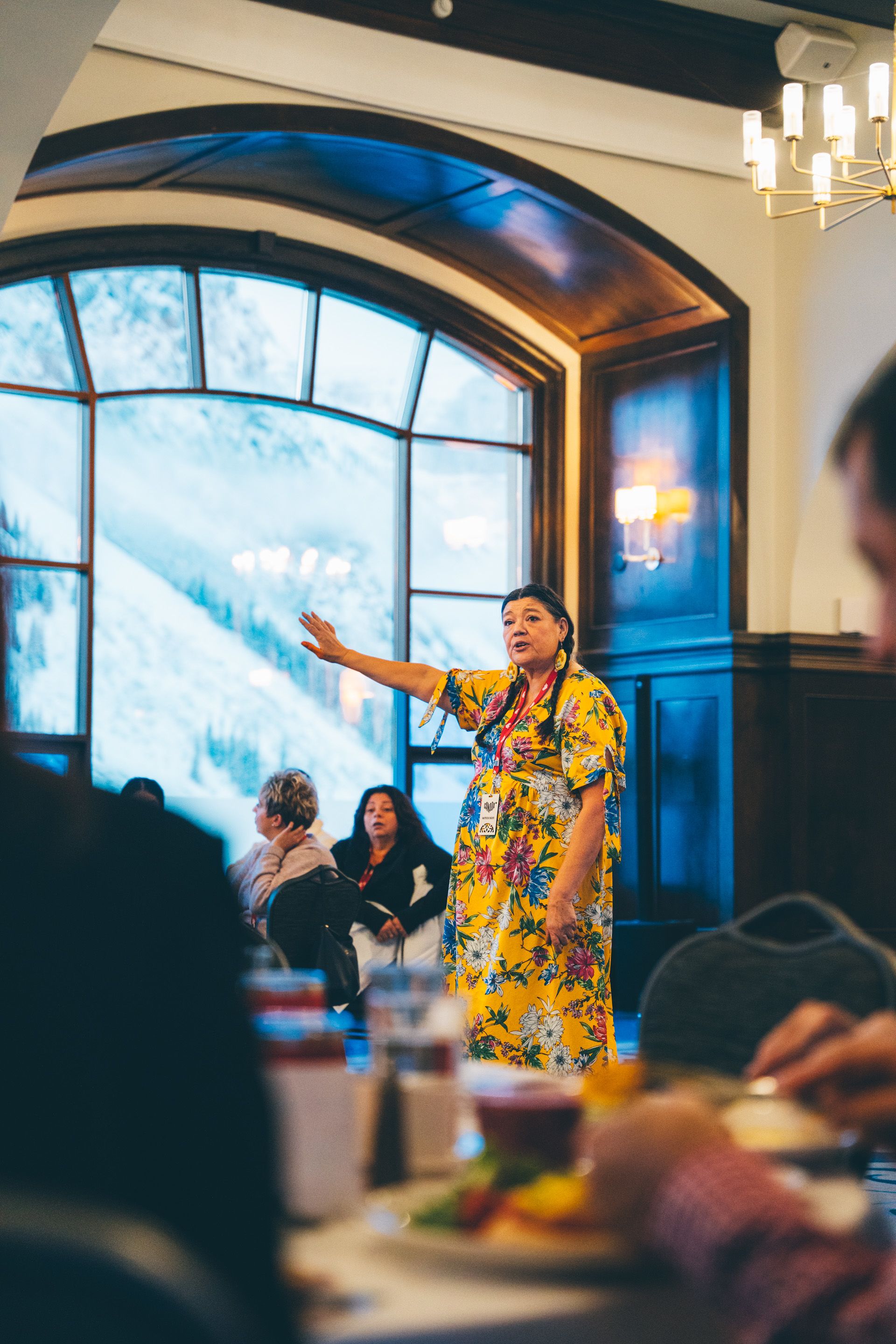
Matricia Bauer
Matricia Bauer
Unique experiences rooted in local traditions
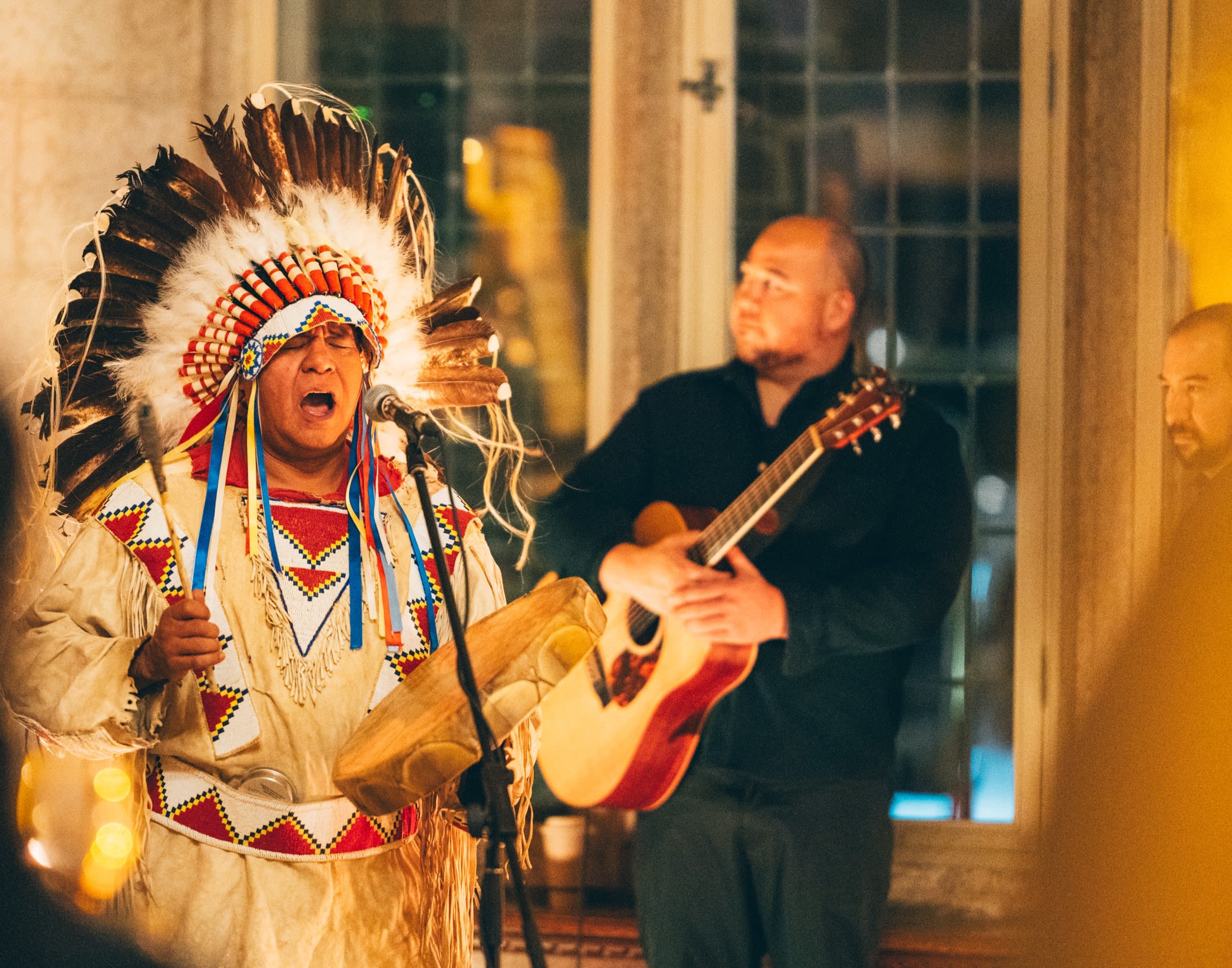
I was in Canada for the winter edition of Incentive Canada, which kicked off with a welcome from Traditional Knowledge Keeper Hal Eagletail (left), a member of the Northern Dene TsuuT’ina Nation who describes himself as a residential school survivor, as was his mother before him. His daughter Stephanie Eagletail, a fashion designer, joined the Destination Canada team in IMEX America in Las Vegas last year for a unique show in which she spoke about the importance of sustaining local traditions and practices.
Hal told me: "Traditionally we all hunted the buffalo together and benefited from the harvest through unity collective cooperation. Today’s new buffalo hunt is economic development and entrepreneurship from our next generations, all we want is to take care of ourselves and our own social problems. We want to be a proud people again. This means we need to be involved with the economy nationally and players on the global economy.
“Reconciliation from global industry can also help with this vision, through partnership and joint venture opportunities, especially in climate change research, food security and connections and preservation with all living things – issues that First Nations have always had a leadership role in since time immemorial."

Sharing their land and their rich culture
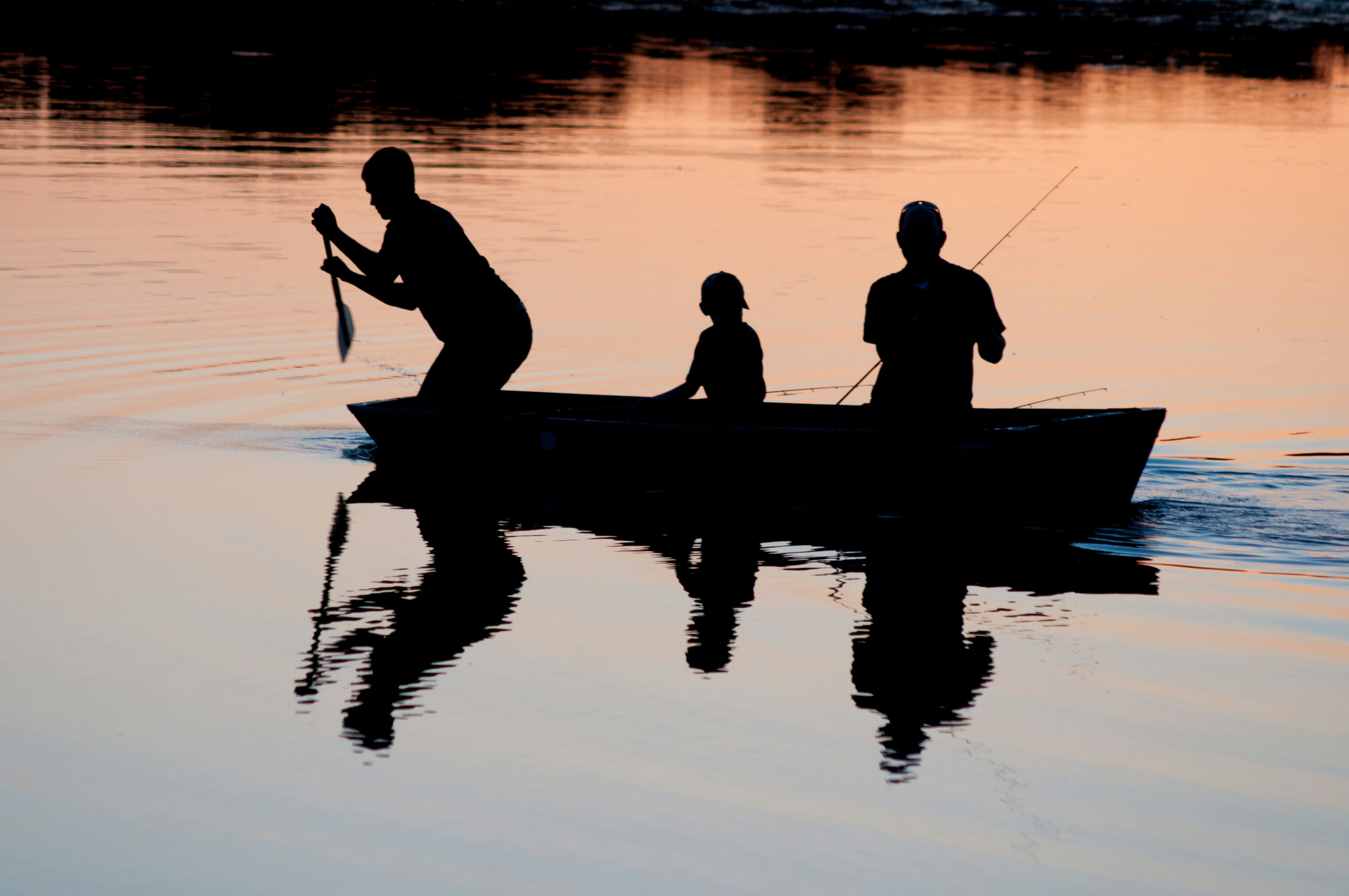
In Canada’s spectacular Northwest Territories, the traditional homeland of the Inuvialuit, Dene and Métis people, Indigenous governments and corporations are entering the tourism industry to share their land and rich culture on their terms. On the East Arm of Great Slave Lake, you can visit Frontier Fishing Lodge, owned by the Łutsël K'é Dene First Nation, where they’ve teamed up with Indigenous tour operator Ron Desjarlais to offer guests camping, fishing, and cultural experiences.
At Lac La Marte Lodge, owned by Tłı̨chǫ Investment Corporation, it’s all about the fishing on this secluded island accessible only by floatplane, while in the capital Yellowknife there are a number of flourishing enterprises owned by Indigenous people, including Aurora Village.

Making Indigenous experiences part of the programme
Australia too has a dark past that it’s working to reform, and the tourism industry can play a major part in that. There's a growing appetite from event planners to include Indigenous experiences in their programmes: nearly four out of five association decision-makers expressed interest in such inclusions, says Robin Mack, executive general manager of Commercial and Business Events Australia, while in the incentives sector this increases to 85 per cent of decision-makers.
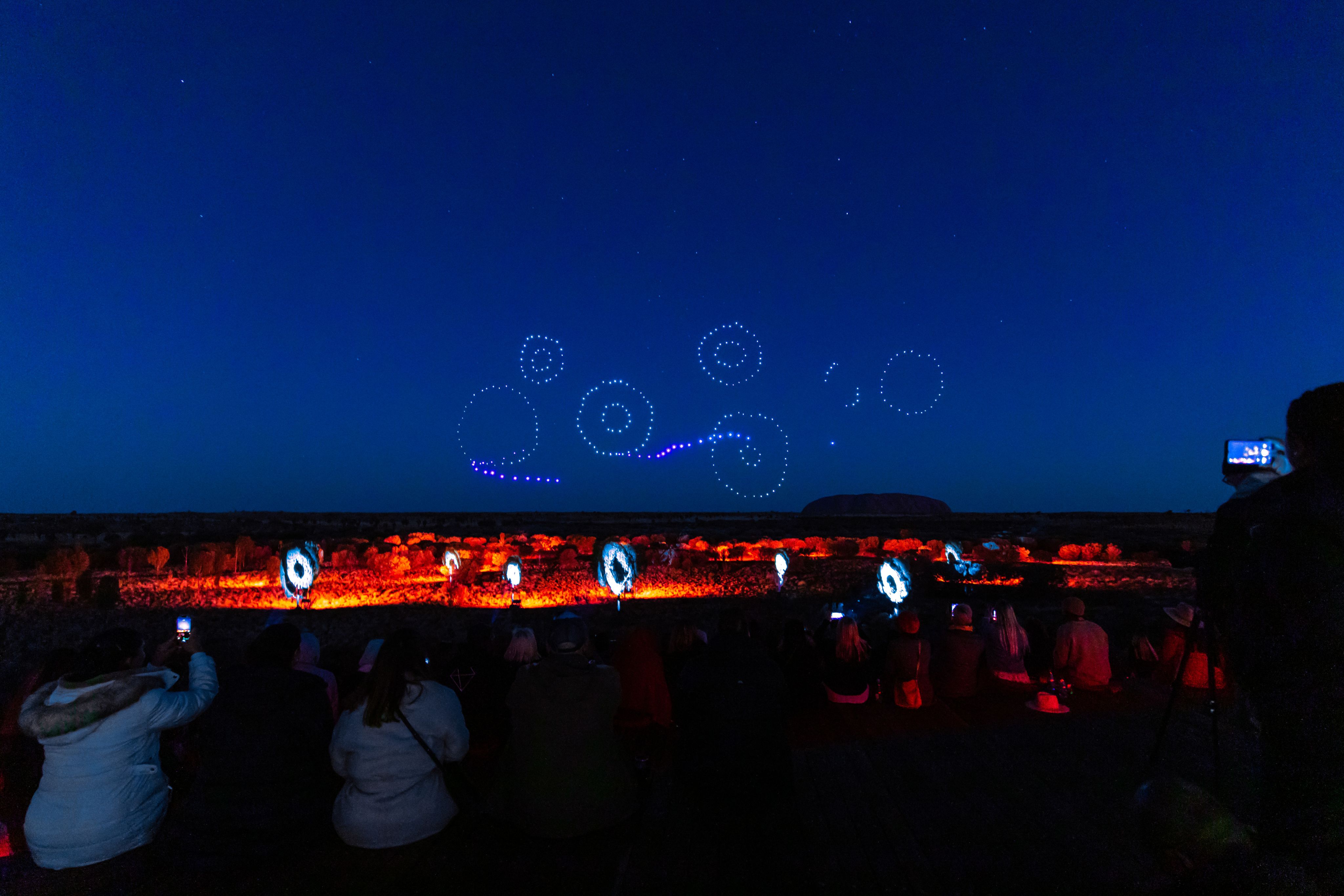
Last year, Destination Australia shared a list of indigenous experiences aimed at business events on its website that reveal more of Australia’s 60,000-year-old Aboriginal and Torres Strait Islander culture than ever before. Highlights included an immersive light and sound show with more than 1,000 drones dancing in the sky at Uluru and a thought-provoking walk around Hobart with Blak Led Tours.
“The uniqueness of Australia’s ancient and modern culture stems from the fact we are home to the world’s oldest continuous living culture on Earth," acknowledges Robin.
"Our Aboriginal and Torres Strait Islander cultures are diverse, and so are the experiences they offer. As well as incorporating traditional ceremonies such as a ‘Welcome to Country’, crafting itineraries that showcase Indigenous cultures through the arts, design, culinary experiences brings the country’s rich history and culture to life for the business events visitor through a contemporary lens. They form an integral part of the Australian experience that we want all visitors to remember.”

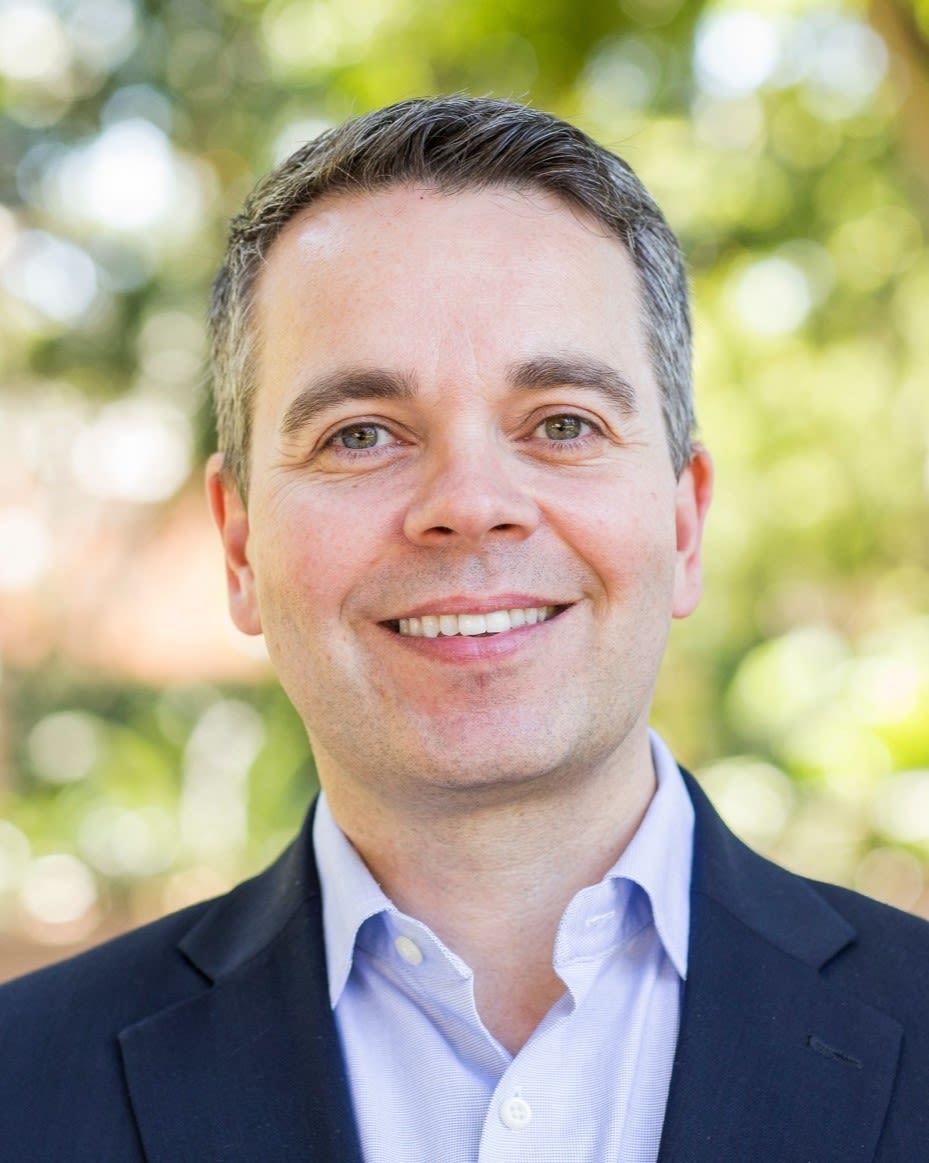
Robin Mack
Robin Mack

‘Opportunities for learning and growth for delegates’
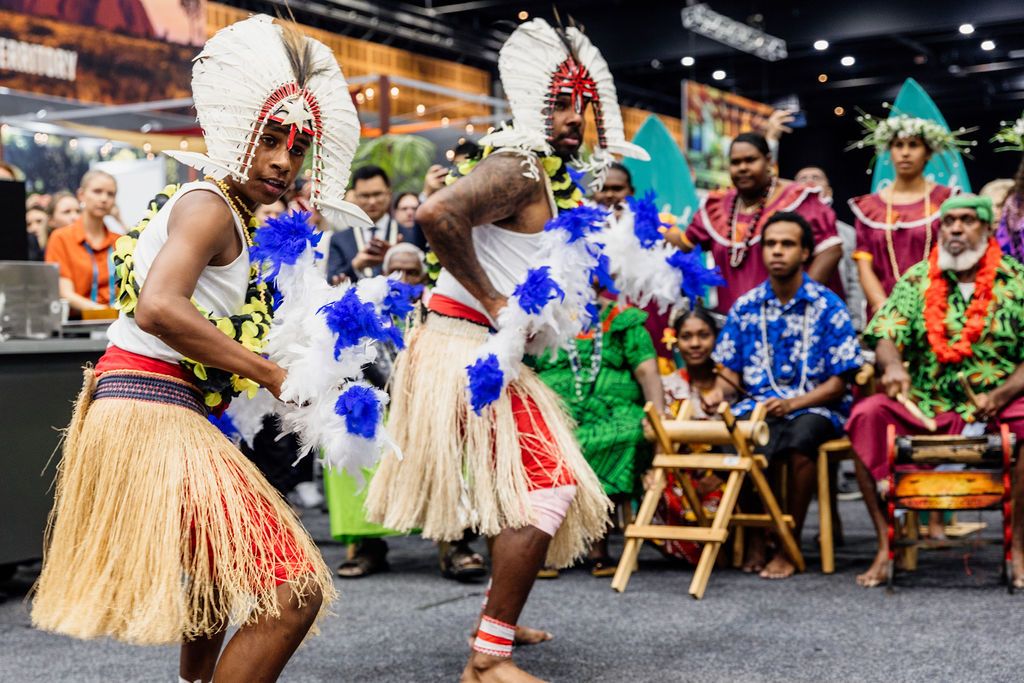
Anangu, the traditional owners of Uluru, helped to set up the awe-inspiring drone show that tells their ancestral creation story: the Wintjiri Wiru experience was developed in close collaboration with a group of 10 senior Anangu.
"Many business events want to create opportunities for learning and growth for delegates, and that’s what makes Uluru – the spiritual heart of Australia – so special. A meeting here can become a richer, more transformational experience for delegates because of the deep spiritual and cultural connections," says Matt Cameron-Smith, CEO of Voyages Indigenous Tourism Australia which has worked with Indigenous law firm Terri Janke and Company and the Arts Law Centre to develop and implement Indigenous Cultural Property Protocols to ensure long-term protection, respect, remuneration and recognition.
"We have held hands with Voyages to create Wintjiri Wiru together," says Rene Kulitja, on behalf of the Wintjiri Wiru Working Group. "From the beginning Voyages has been working together with the Anangu Working Group - talking together, listening together and creating together.
“People from every place have come to see Uluru. We want visitors to know this is our story, to look and listen and feel with us. Our stories have been here since the beginning and we want to share this story with the world."
 Built with Shorthand