
" ... anyone?"
Why your Q&A isn't working and how to fix it.


The Q&A has two purposes. It allows delegates the chance to query or question what they’ve just heard and gives speakers the opportunity to flesh out any special areas of interest. It also serves as a ritual – a way to bring a session to a close and allow an audience to 'mentally transition' to the next part of the programme. It doesn’t do either particularly well.
At first glance, the Q&A appears to be a chance for everyone to ask a question. People just need to stand up and grab the mic, don’t they? In reality, that doesn’t happen. Certain types – ‘important’ people, extroverts, people with an axe to grind, limelight seekers – dominate the scene. What’s more, this format means the quality of the questions is an almost random affair. If you’re lucky the person who has the guts to take the floor comes up with something worthwhile, but they don’t necessarily. You never know what’s going to come up.
The transition ritual function is a bit half baked, too, consisting of a happy few who get the chance to interact with the speaker, followed by a round of applause - the only part that engages the whole audience. Too often there is something unresolved hanging in the air, so the mind is unable to transition to the next item on the programme, without feeling short-changed.
There is a third function the Q&A could actively facilitate, which offers participants the chance to consider the relevance and the implications of the speaker's content for their own work circumstances or environment. We would call this the processing function. It is what participants do with content after having soaked up all the new information and insights, assimilating it. They mull it over and connect it with their existing knowledge or previous experiences. It is an essential stage in learning. Rarely, however, does the Q&A include a structure that actively facilitates processing. The Q&A would gain a lot if the processing function was separated from the ritual function - and both were done explicitly.


So, what can you do to improve Q&A?
Extend it. Both in time and meaning.
Meaning in the sense that you need to frame the Q&A more precisely, so that participants get a clearer task. And for that, you will need more time.
If you think about it, the default Q&A gets the ball rolling with an awfully generic prompt, such as: “Who has any questions for Dr Suarez?” How about starting with: “What questions do you have about the relationship between Dr Suarez’s presentation and the methodology presented by our previous speaker Dr Liu?” Or: “We would like to have questions about the implications of Dr Suarez's main points for other industries represented here”. You can easily think of variations on this type of framing that would suit your particular meeting.
Shift the emphasis
What would happen if you revolutionised the amount of time dedicated to presentation and Q&A? From 10%-90% to 50%-50%, for instance? In the 50 per cent presentation, the speaker gives the main message and the area of knowledge they can tackle. The rest of the time, what knowledge emerges is prompted by the learning needs of the participants. This solution is a bit more taxing on the speaker, because the questions are unpredictable. The speaker needs to give up some control, which requires greater mastery in return, though they can prepare a much shorter presentation. That seems a fair exchange. At the end of the Q&A, the speaker may add any relevant content that has not emerged from the questions.


There is a final, very simple change of format to improve the quality of questions during Q&A don't allow the questions to come randomly from any participant. Instead of opening the floor, generically, make small groups and ask each group to come up with the best or most relevant question they can think of. This requires five-minute time investment that pays off in the quality of the questions. Naturally, this adaptation also means a Q&A period, takes more time.
Or ... don't make it a thing
Of course, you don’t have to have a Q&A ‘period’ at all. Speakers are growing increasingly comfortable with being asked questions during the course of their presentation, usually through a session facilitator. Various apps now allow delegates to ask questions anonymously, which gets over the problem of the same old faces grabbing the mic. Not only does this solution allow for remote delegates to be involved, it lowers the threshold for shy or introvert people in the meeting. Often these apps allow delegates to 'like' or otherwise rate submitted questions. This helps moderates dedicated time to those questions most pertinent to the audience.
And you'll still be left with plenty of time to give Dr Suarez a round of applause!
*This is an abridged version of a chapter in Meetings, by Default or Design. To claim a 20 per cent discount click here and enter coupon code AMI20.
About the book

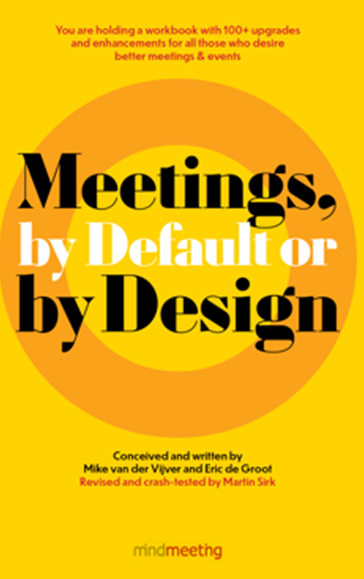
This is an abridged version of a chapter in Meetings, by default or design. In 41 short chapters, the book acts as a reference manual, showing readers how and where they can improve the quality of their meetings. Each chapter starts by describing common practice and the opportunities planners miss when doing things this way (the ‘By default’ section).
About the authors

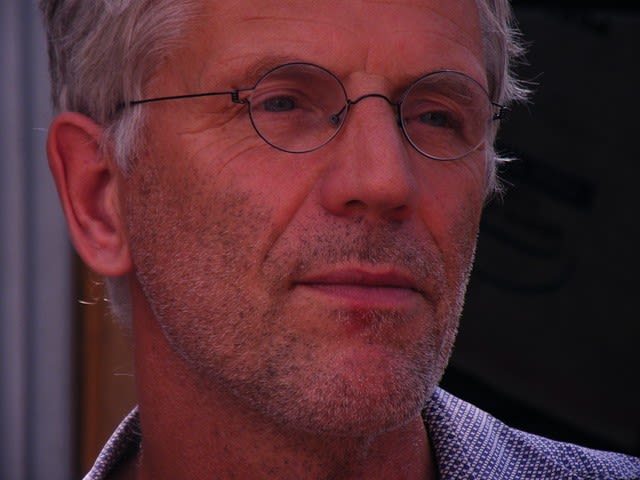
Dutchman Eric de Groot is one of the first Meeting Designers: his pioneering work started in 1992. With his friend and colleague Mike van der Vijver he co-wrote ‘Into the Heart of Meetings’ referred to as the bible of the changing meeting industry. ‘Meetings by Default or by Design’ also co-authored with Mike, intends to help meeting owners to improve their meetings exponentially. ‘From Audience to Contribience’ is Eric’s design motto.

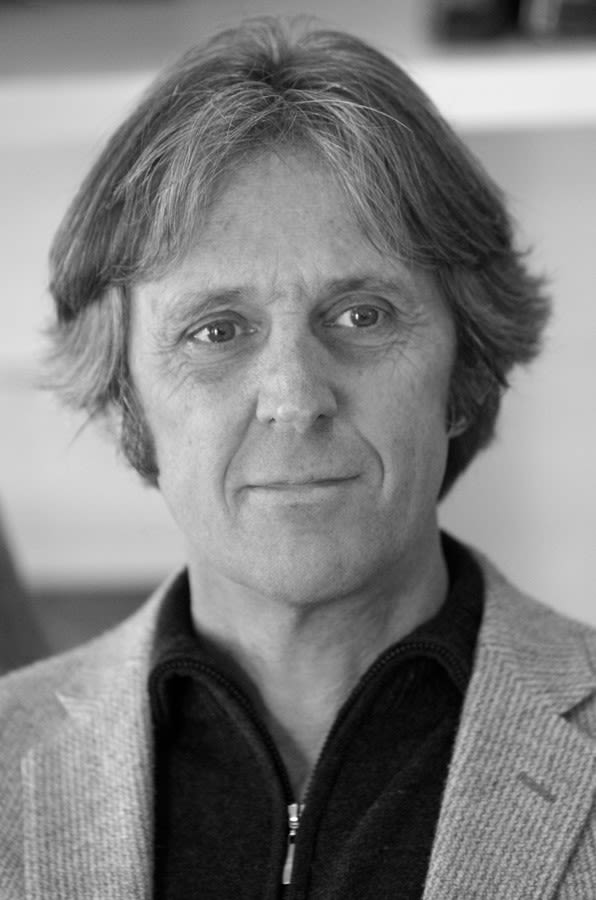
Mike van der Vijver is a meeting designer, facilitator, moderator, and intercultural management advisor. He has been for over 20 years. Together with Eric de Groot, he wrote two books on Meeting Design: Into the Heart of Meetings and Meetings, by Default or by Design.
 Built with Shorthand