
Networking, not working?
Here's how to do it ...
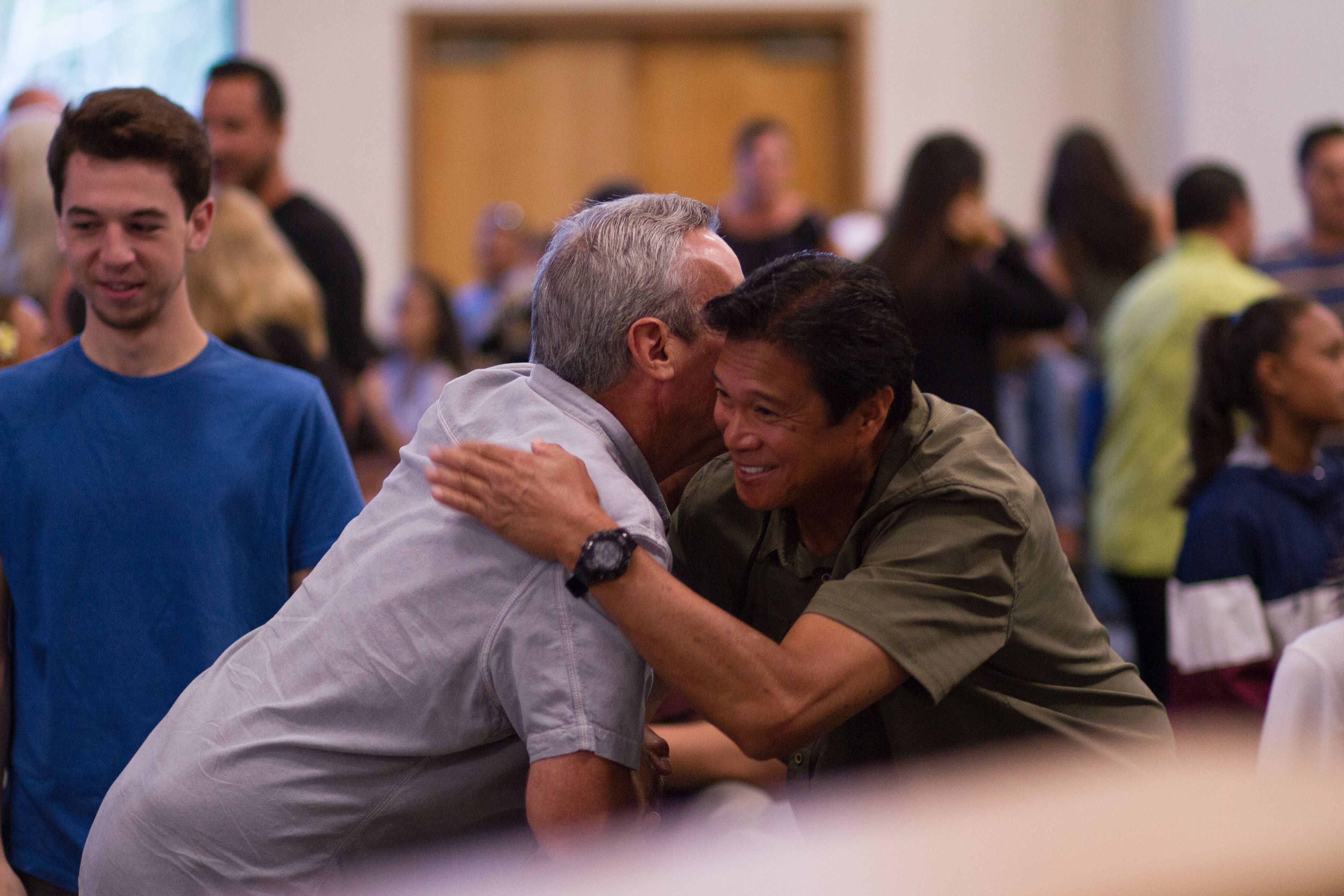

I’ve met, worked with and coached many introverts who would ordinarily find a networking event very stressful, or even a no-go area. I always tell them two things: one, that at least 85 per cent of the people in the room will be nervous, apprehensive, or downright scared. And two: this is a good thing – because it makes the whole business of networking that much easier.
Here are my top tips for the nervous networker ...
Get there early:
Nervous networkers might be tempted to arrive as late as possible to a networking function – but remember, a room that is already full is much more intimidating than one that fills up around you. Far better to arrive early and get used to approaching people who are on their own (either just arriving or who have just finished a conversation elsewhere) and ask, “Do you mind if I join you?” If they are one of the nervous 85 per cent, they will never refuse. Assuming the confident 15 per cent aren’t sociopaths – they won’t either. What’s more, making this first move will put you on the front foot and give you confidence for the rest of the evening.
Listen before talking:
Practise being a good listener. Ask open questions to get people talking about themselves. A good place to start are commonalities. ‘How was your journey here?’ ‘What do you think of the conference so far?’ ‘Which sessions are you going to next?’ And then, when you’ve warmed them up – and gained their trust - you can ask them, ‘So, what is it you do exactly?’
Be different, and be interesting …
Think carefully about how you are going to introduce yourself, so that the person you’re talking to doesn’t glaze over or make a bolt for the exit. Don’t just give them your job title. Think about what you do and why it matters. Try getting this down to three words. One of the best examples I heard recently came from an event planner who described their job as: “I herd cats”. That demands a follow-up question – and will probably get a laugh as well. Either way – it’s much more memorable than, “My name’s Steve and I work in accounts’.
"Be yourself and don’t worry ...


But don’t go overboard. It’s important to be yourself:
It is hard to put on a show for any length of time, and in a professional setting it can be hugely stressful. So, try not to. Of course, networking is a bit of a performance, but you’ve been doing it since school (assuming you made some friends) so it’s nothing new. Anyway, will you really be representing your business to the best of your ability if you’re worried about meeting some ideal stereotype of expectation? The answer is a firm no. Be yourself and don’t worry.
Choose your networking clothes or accessories:
Clothes matter. They can give you a huge confidence boost and other people, who might want to point you out across a crowded room for example - a point of reference. A dashing magenta scarf or a pair of blue suede shoes can also act as icebreaker. Carefully chosen clothes can make you more approachable – “this person is smart, confident, but doesn’t take themselves too seriously”. The key is to think about who’s going to be in the room. Again, though, it’s important to be yourself. If impeccably suited and booted isn’t your style – it’ll probably show.
(And from the event planner’s perspective …)
Think about room layout:
Good networking spaces have a certain “flow”, which allows people to move effortless from area to the next and not get hemmed in or stuck with the same people all night.
Don’t make eating a challenge:
Think about how your food and drink matches the furniture. Are there plenty of places to stand and drink whilst eating and talking or are you expecting your attendees to juggle?
If sitting down for something more formal, make sure there are place names - if possible - and give some thought to table dynamics. Allowing people to sit where they want is riskier.
Spell it out:
For any type of event, it is vital that someone takes control of setting out the “rules of engagement.” If the point is to network – make that clear. Make an announcement like: “We encourage people to move around, meet new people, and share contact information. Try not to hog people – five to ten minutes should be enough for the type of introductions we’re trying to make here.” It might sound prescriptive, but that type of announcement lets everyone know that this is a networking session as opposed to a party or some other kind of informal gathering. It also gives people permission to move around without appearing rude.
About the author: Nick Bramley is Client Relationship Director at World Wide Group.



 Built with Shorthand