Future ready
The International Society on Thrombosis and Haemostasis has made some big changes to its flagship event...
Case study: ISTH 2024 Congress, Bangkok, Thailand

In an age of social media, open-source publishing, rising travel costs and heightened concerns around sustainability, it is a brave association that chooses to increase the frequency of its flagship congress.
But that’s the decision leaders of the International Society on Thrombosis and Haemostasis (ISTH) took in 2019, when they resolved to turn their biennial six-day congress into an annual event spanning four days.
The change was not made lightly – it followed years of anguished debate – but, in the end, the motivating factor was the need to stay relevant. Scientific advancements in the field were happening so quickly that holding a congress every two years meant the society was missing opportunities to highlight new knowledge at its biggest event.
Melbourne was the first city to trial the shortened format, but the Covid pandemic meant it would be several years before the increased frequency was put to the test. The following two congresses, in Milan (2020) and Philadelphia (2021), were held virtually. London 2022 was the first return to in-person and attracted 6,000 delegates. Last year’s event in Montreal, Canada, hosted a similar number of medical professionals. On numbers alone, the decision to increase frequency appeared to have been justified.
Meanwhile ISTH had adopted a new rotation policy, which would see 38% of its meetings held in North America, 38% in Europe and 24% in other regions of the world - the intention to better reflect the association's international membership and fulfil its mission in a more ‘proactive manner'.
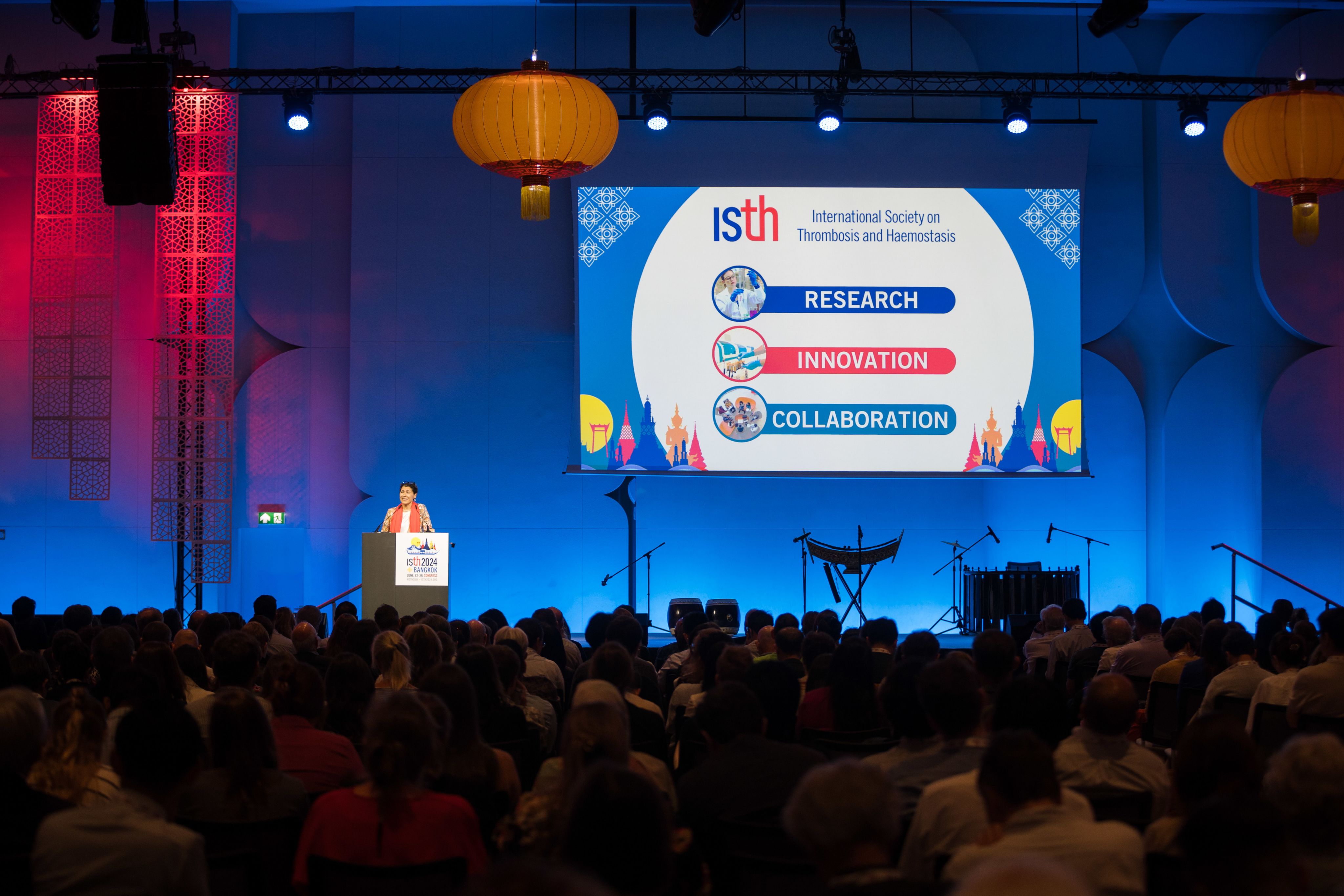
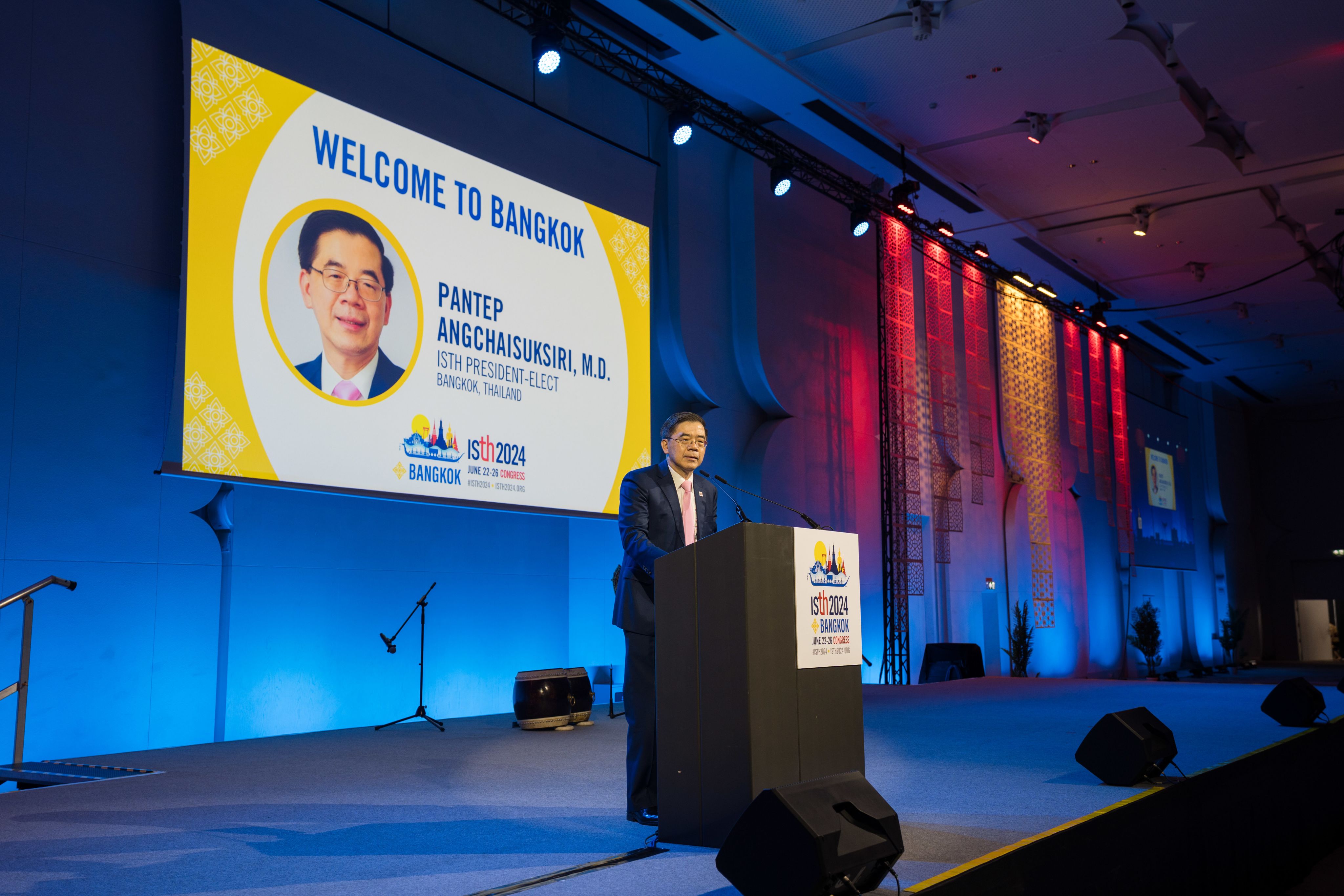
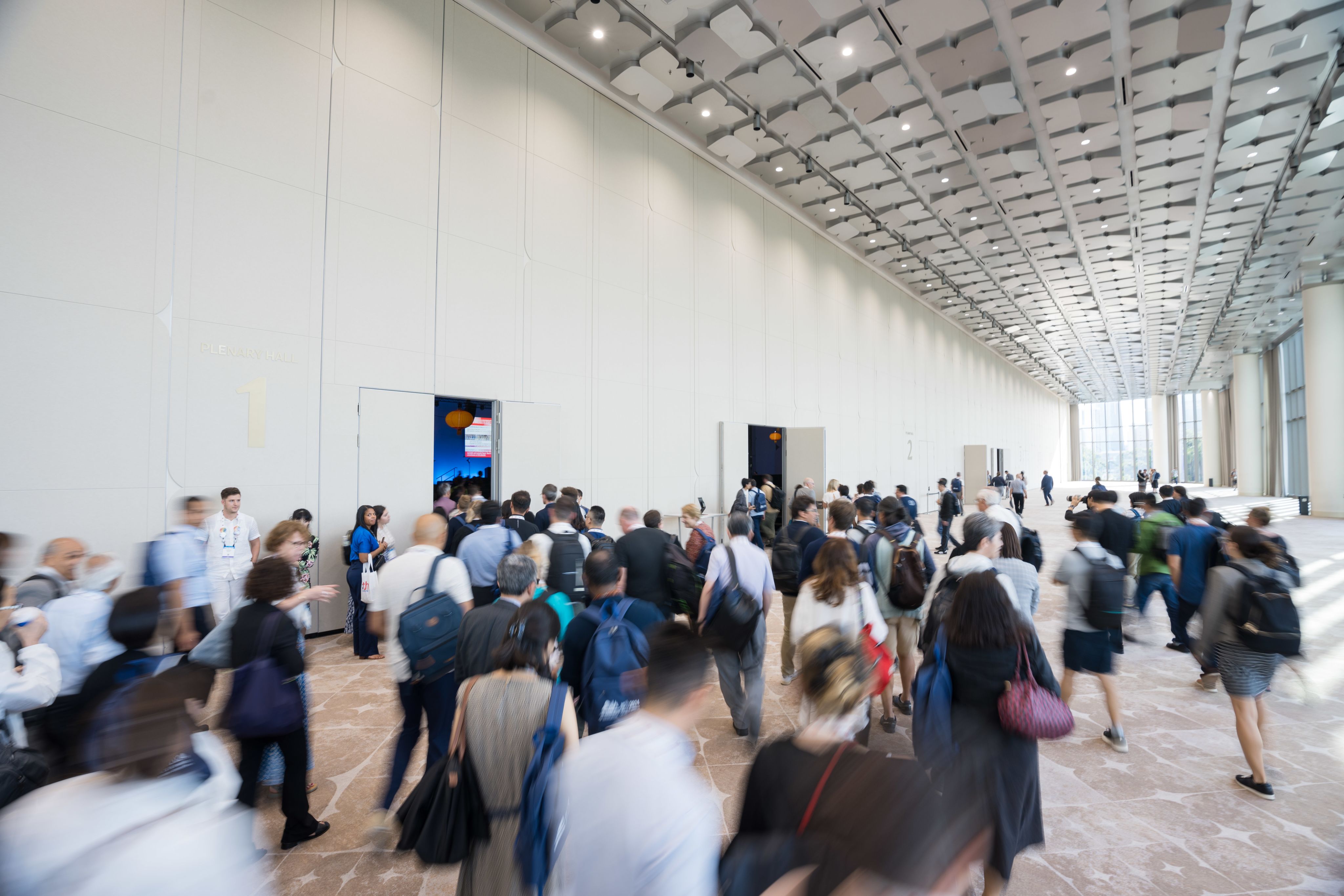
Previously the congress had only been held outside North America and Europe three times since its launch in 1970 – twice in Australia and once in Japan. This year’s event at at the newly renovated Queen Sirikit National Convention Center, in Bangkok, June 22-26, was the first time ISTH had met outside Europe or North America while convening annually.
So, how did it go?
The congress attracted 3,858 in-person delegates, while a further 496 took advantage of the on-demand option. Solid enough numbers, given a majority of congress delegates come from the US, but then, as director of meetings Lisa Astorga, says, meetings aren’t all about numbers.
“Having the meeting in Bangkok was really something that was directed towards our mission to disseminate science and education around the world, as opposed to some of the other objectives and outcomes that we generally want to see with the congress," she says.
“It was very successful in terms of engaging the APAC community. We saw our highest number of attendees from China and Thailand and we saw very high first-time attendance levels, almost 1,000 attendees in that category.”
Significantly, perhaps, of the 955 congress debutantes, 42 per cent (406) were from Asia - including 111 from the host country – showing how a truly international rotation can help to pull in fresh faces and possibly recruit new members.


Another major change ISTH made when it decided to go annual was to bring congress planning in-house and separate this function from destination selection. ISTH no longer solicits bids from local organising committees. Instead the ISTH council determines where the meeting will be held by drawing up a shortlist of preferred cities and sending out RFPs (requests for proposals).
The scientific programme is organised by a Congress Planning Committee, led by the staff at ISTH headquarters, and consisting of 10 volunteers who each serve a two-year term (other volunteers work alongside them on individual programme elements). One of the intentions here was to create a process that could be more responsive to the changing needs and demands of members, while depoliticising or at least depersonalising the choice of destination.


Lisa Astorga, ISTH, Director of Meetings.
Lisa Astorga, ISTH, Director of Meetings.
“You know, we had great doctors that wanted to organise the meeting, but the destination really didn't fit right, or we had great destinations we wanted to go to, but we didn't have a local physician that wanted to take on the meeting," recalls Astorga. "Now we've separated those two processes, and that's a good thing.”
"The destinations appreciate the change, too," she adds. "It was hard for them to have a conversation with a physician about budgets. I still have physicians that walk into a venue and say, "Oh, this is big enough! Okay. This works." I'm thinking, no way! It might look big, but it's not happening!"
"This year's programme was bigger and better than we've ever done before...

Audience-led innovation
Bangkok was the first time since the pandemic that ISTH has not live streamed sessions from congress, for the simple reason that fewer and fewer people had been tuning in. In fact, in line with current trends, the number of people registering for online attendance had decreased by roughly 50 per cent year-on-year, with a high of 2,000 for London in 2022, 750 in Montreal, and just 450 in Thailand.
The length of time online content is made available on-demand was drastically reduced, too, from 420 days when the congress first went virtual in 2020 to just 30 days now. Again, the numbers were telling their own story about delegate behaviour, with a spike in demand for on-demand in the days after congress, followed by...almost nothing. It's a familiar story, but understanding why demand falls so sharply is still perplexing organisers.
"It may not be virtual fatigue or a demand issue per se. It may be just the speed of science; that they're already on to the next meeting or the next abstracts submission or the next development," says Astorga.
Another issue ISTH has is getting speakers to allow their sessions to sit on the ISTH Academy (the association's online educational portal) for a year following the event. Less than a third (28%) were willing for this to happen. Again, this shows that the perception of how information is disseminated at a live event differs starkly from how it is shared more permanently. A lesson for anyone who thinks it's easy to create 365-day content on the back of a single event. It isnt.
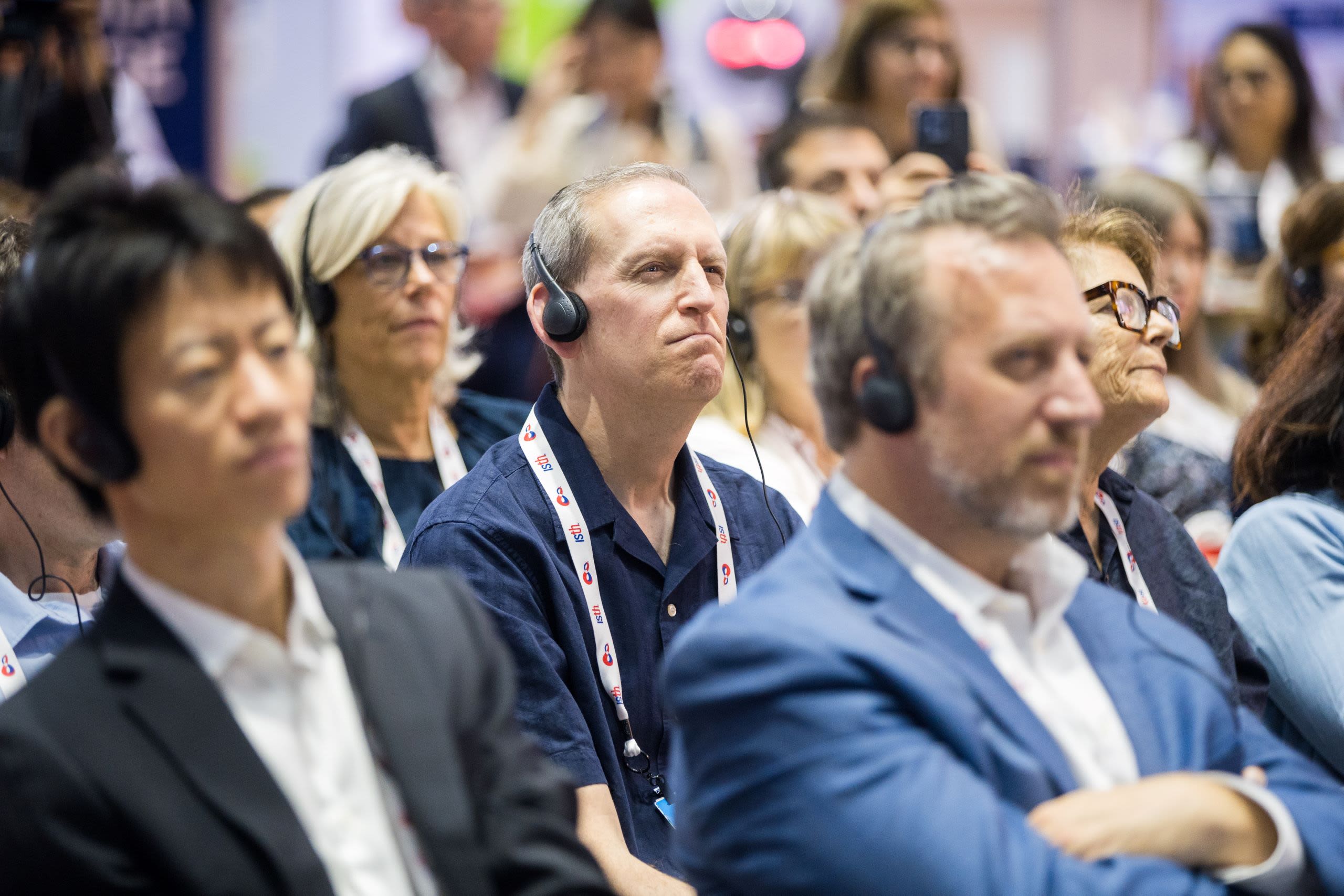
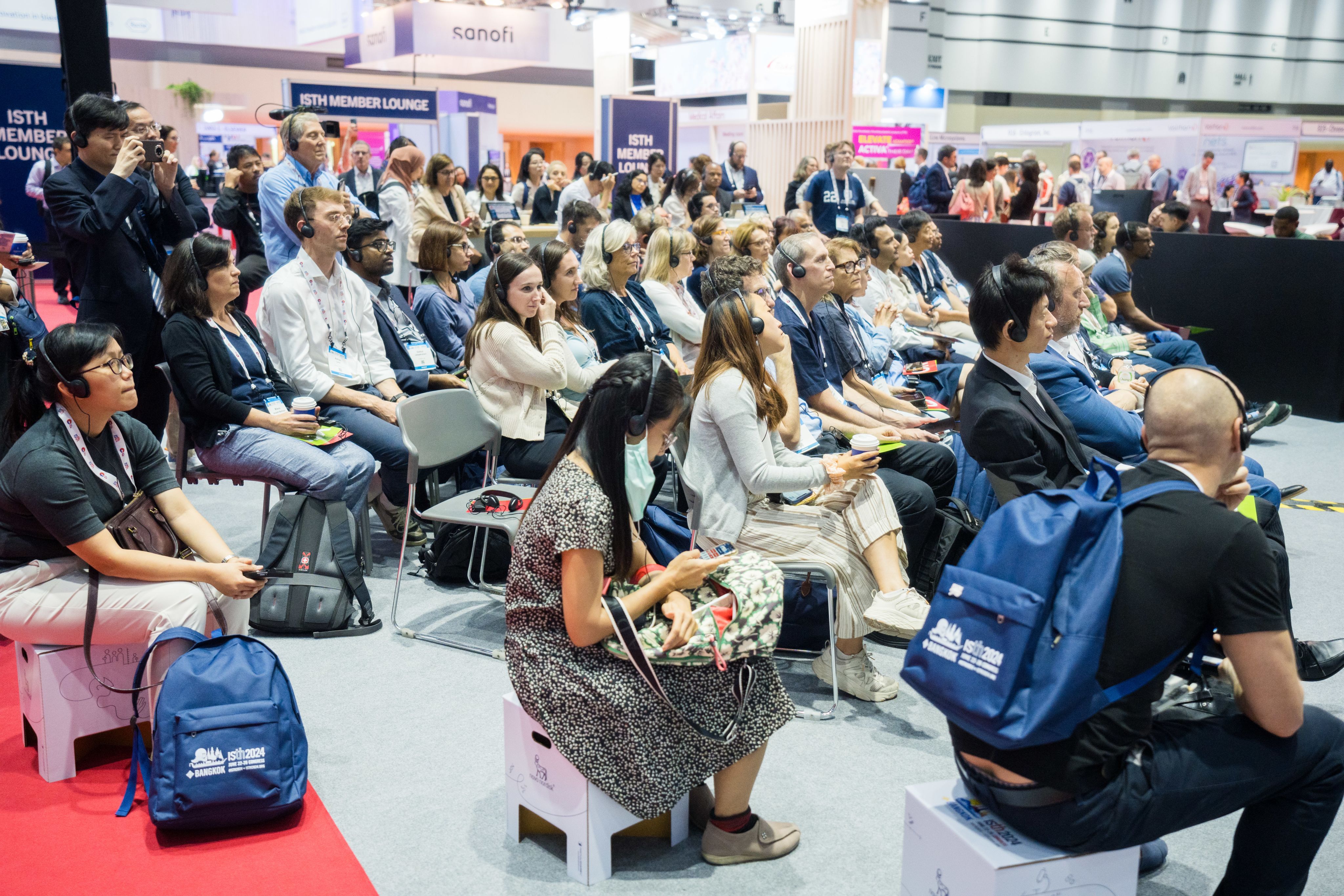
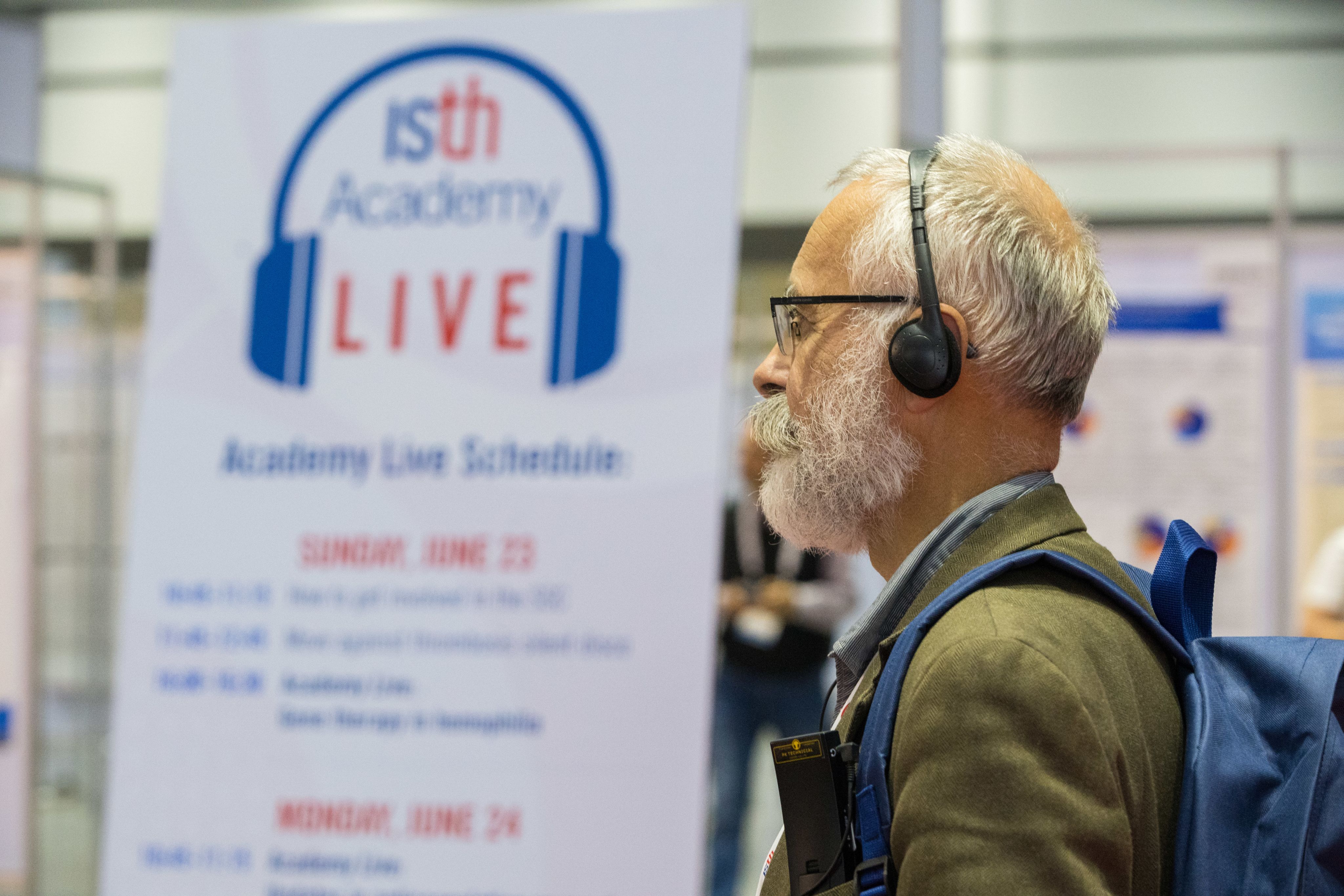
None of which is to say ISTH has abandoned event tech. On the contrary. A new innovation in Bangkok was the ISTH Academy Live, a programme of live presentations in the exhibition area that delegates could listen to on special headphones, which blocked out the noise from the exhibition hall but allowed them to hear the speaker. The same technology was used to put on a silent disco in celebration of World Thrombosis Day.
Technology - including generative AI - was also used to boost marketing and communications around the event, including the daily congress news service.
Barbara Krolak, ISTH marketing manager, explains: "This year's programme was bigger and better than we've ever done before. Basically, it's a two-pronged programme. Where we have on the one side, the daily video, so we have pre-recorded videos, and then live videos that are happening throughout the congress with scientific content with different expert interviews. And these are released in the daily email out on our other channels, and then we have the written pieces and we used a lot of AI tools there. We had almost 60 articles this year that came out and higher readership than ever before."
"We're going to really see a transition around what we're doing and how...

Astorga says the association is waiting to see what AI will mean for the congress and cites several areas that could be problematic, including the submission of abstracts, which may - or may not - have been generated by AI. More generally she thinks the traditional meetings format is on the cusp of major change, justifying the decision to centralise the planning team.
"One of the committee's tasks is not just to develop the programme content, but think about how are we going to reimagine congress because it's really time for us to do that, whether it's different session types, or introducing technology related advances. I feel like we're almost in the infancy stage of like a new organisation- yes we did that for 40 or 50 years, but we need to do this now. And most of our planning committee sits on other organisations. We're not inventing the wheel ourselves. We're seeing what other organisations are doing. Are they doing it well? Are they not doing it well? That didn't work. Let's not go there. That worked really well. Let's try that. And if we don't do it within the next three to five years, somebody else will. We're going to really see a transition around what we're doing and how."
ISTH 2024 in numbers:

 Built with Shorthand