
How to reduce stress at big events

Big events can affect our overall wellness, leaving us drained and overwhelmed. However, incorporating simple wellness strategies into these gatherings can significantly reduce stress. Here, Michael Kreitzer, community outreach manager at OnePlan Events, provides a guide to wellness-focused events...
Impact of stress on attendees


Attendees often experience high stress levels at big events, leading to several adverse outcomes such as dietary relapse, binge eating, increased caffeine consumption, and long-term sleep deprivation. Compounding these stresses may contribute to worsening mental health conditions.
Attendee anxiety is not just a personal issue; it also impacts an event's overall atmosphere and success.
The cumulative stress can also deter attendees from participating in future events, decreasing recurring attendance rates. A wellness-focused approach can also foster better networking and communication among attendees, as mentally and physically well individuals are more likely to engage positively.
Adopting coping mechanisms that include relaxation techniques maintains a desirable environment for all attendees at large-scale gatherings.
Strategies for incorporating wellness into events



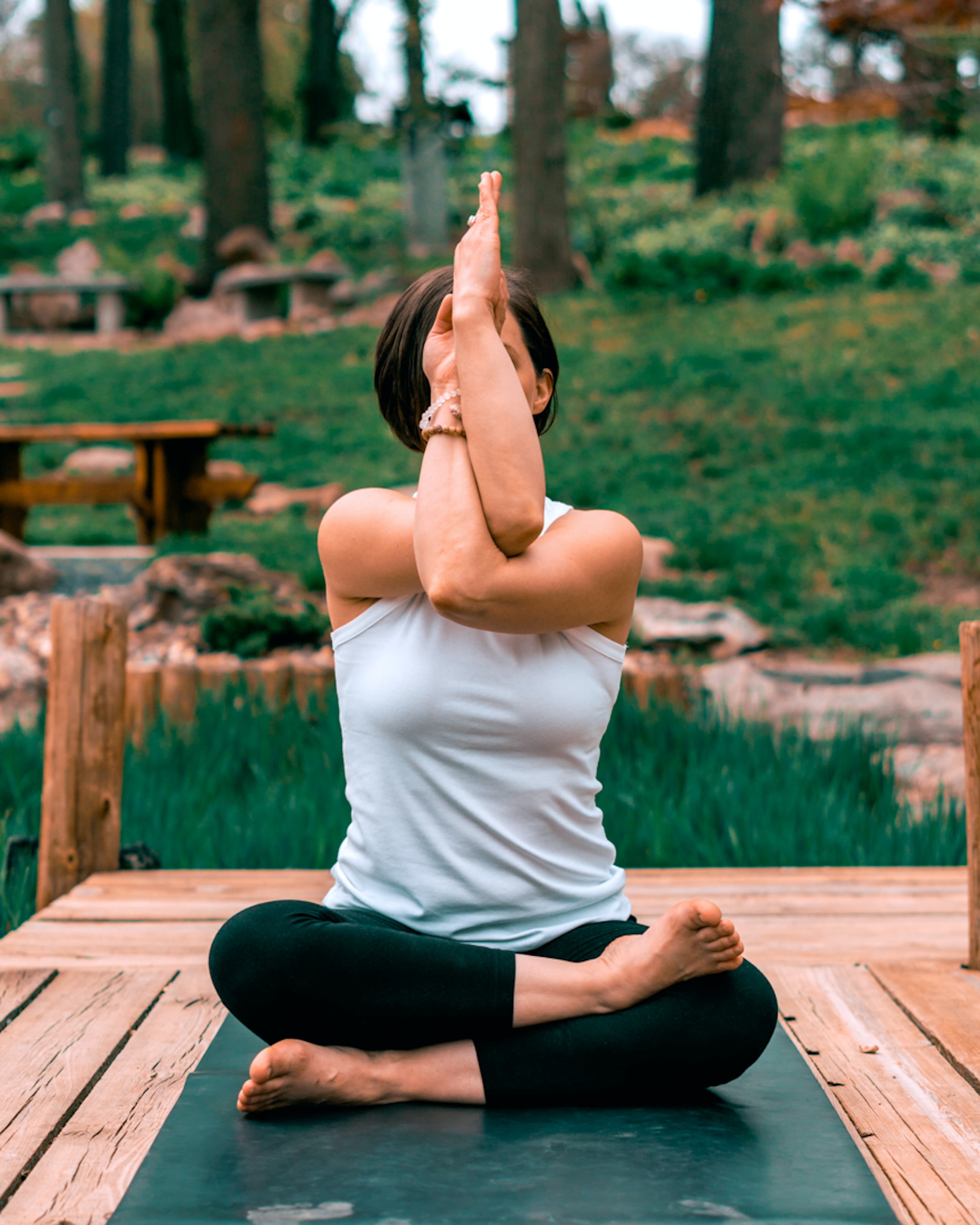
Photo by Erik Brolin on Unsplash
Photo by Erik Brolin on Unsplash


Photo by Sincerely Media on Unsplash
Photo by Sincerely Media on Unsplash
Photo by Behnam Norouzi on Unsplash
Photo by Behnam Norouzi on Unsplash

Photo by Chitto Cancio on Unsplash
Photo by Chitto Cancio on Unsplash
Mindfulness and meditation activities
Mindfulness, an approach to accepting the present moment without judgment, helps divert the mind away from negative thoughts. In your event's itinerary, incorporating mindfulness activities such as deep breathing exercises or guided imagery sessions can help guests destress and stay focused.
Meditation and mindfulness are equally impactful for stress management during busy events. Meditation practices like mind-body awareness exercises or simple silent intervals can greatly reduce anxiety levels while promoting emotional well-being among attendees.
Event planners should routinely incorporate these relaxation techniques into their schedule to create a more positive and healthy event experience for all participants.
Outdoor Activities
Engaging in outdoor activities is a great way to incorporate wellness into big events. Whether it's taking part in nature hikes, exploring green spaces, or participating in outdoor fitness classes, being outdoors can have numerous benefits for your well-being.
Research shows that spending time in nature can lower stress levels and improve mental health. Additionally, outdoor activities allow one to get moving and stay active, promoting physical fitness and overall wellness.
Integrating local cultural or natural attractions into your event can provide unique experiences. This promotes wellness and gives attendees a memorable event experience, blending leisure with the main agenda.
Flexible Scheduling
By allowing adaptable and customisable schedules, attendees can prioritise their well-being throughout the event.
With flexible scheduling, organisers can provide designated breaks, time for mindfulness activities or outdoor exploration, and even quiet spaces where attendees can recharge.
Healthier food options
Consider incorporating locally sourced, organic ingredients for a more sustainable approach. Offering a variety of healthy food and drink options supports physical health and contributes to mental well-being.
Designated quiet spaces
At big events, it's crucial to provide designated quiet spaces for attendees to find tranquillity and practice mindfulness. These serene zones can be a refuge from the hustle and bustle, allowing individuals to take a break and recharge in a peaceful environment.
Set up hydration stations
At any big event, the hustle and bustle can easily lead attendees to forget the basics, like staying hydrated. The lack of adequate water intake can exacerbate feelings of fatigue, reduce concentration levels, and lead to dehydration. By setting up hydration stations throughout the venue, event organisers can encourage attendees to drink water regularly.
Strategically placing these stations near activity hotspots or session entrances not only makes hydration convenient but also serves as a gentle reminder. Infusing water with natural flavours like cucumber, lemon, or mint can make it more appealing, ensuring attendees keep their energy up and remain focused.
Limit noise pollution
Big events can be synonymous with high noise levels. While a certain degree of noise is expected and even adds to the event’s ambience, continuous exposure can lead to increased stress and anxiety.
By strategically placing noise barriers and creating quiet zones, organisers can provide attendees with spaces to decompress and take a mental break. These zones can be equipped with noise-cancelling headphones or calming music, offering a brief respite from the event's chaos.
Additionally, using soft materials like carpets or drapes can absorb sound, reducing overall noise pollution and creating a more conducive environment for meaningful interactions.
Control alcohol consumption
While many big events feature alcohol as a means of relaxation and enjoyment, excessive consumption can lead to poor decisions, disruptive behaviour, and health risks.
Organisers should consider implementing strategies to control alcohol consumption, such as offering a limited number of drink tickets per attendee or introducing time restrictions.
Additionally, providing a wide variety of non-alcoholic beverages ensures that attendees have options other than alcohol. Mocktails, herbal teas, and natural fruit juices can offer delightful alternatives. This approach not only safeguards the well-being of attendees but also maintains the decorum and professional atmosphere of the event.
Cater to air quality
In enclosed spaces, with a large number of people, it’s essential to ensure adequate ventilation.
Organisers can utilise air purifiers to reduce allergens and pollutants, making breathing easier and reducing potential allergic reactions. Introducing indoor plants is another excellent strategy.
Plants like the Spider plant, Boston fern, and Peace lily are known to purify the air and can add a touch of nature to the event, creating a more relaxed ambience. Periodic breaks for attendees to step outside and get fresh air can also make a significant difference.

Photo by Mykola "Kolya" Korzh on Unsplash
Photo by Mykola "Kolya" Korzh on Unsplash


Photo by Alex Perez on Unsplash
Photo by Alex Perez on Unsplash

Photo by Anne Nygård on Unsplash
Photo by Anne Nygård on Unsplash

Photo by Matt Palmer on Unsplash
Photo by Matt Palmer on Unsplash


 Built with Shorthand