
How to ... master speaking at a conference
Conference speaking is bigger than a presentation. Here’s how to cut it down to size
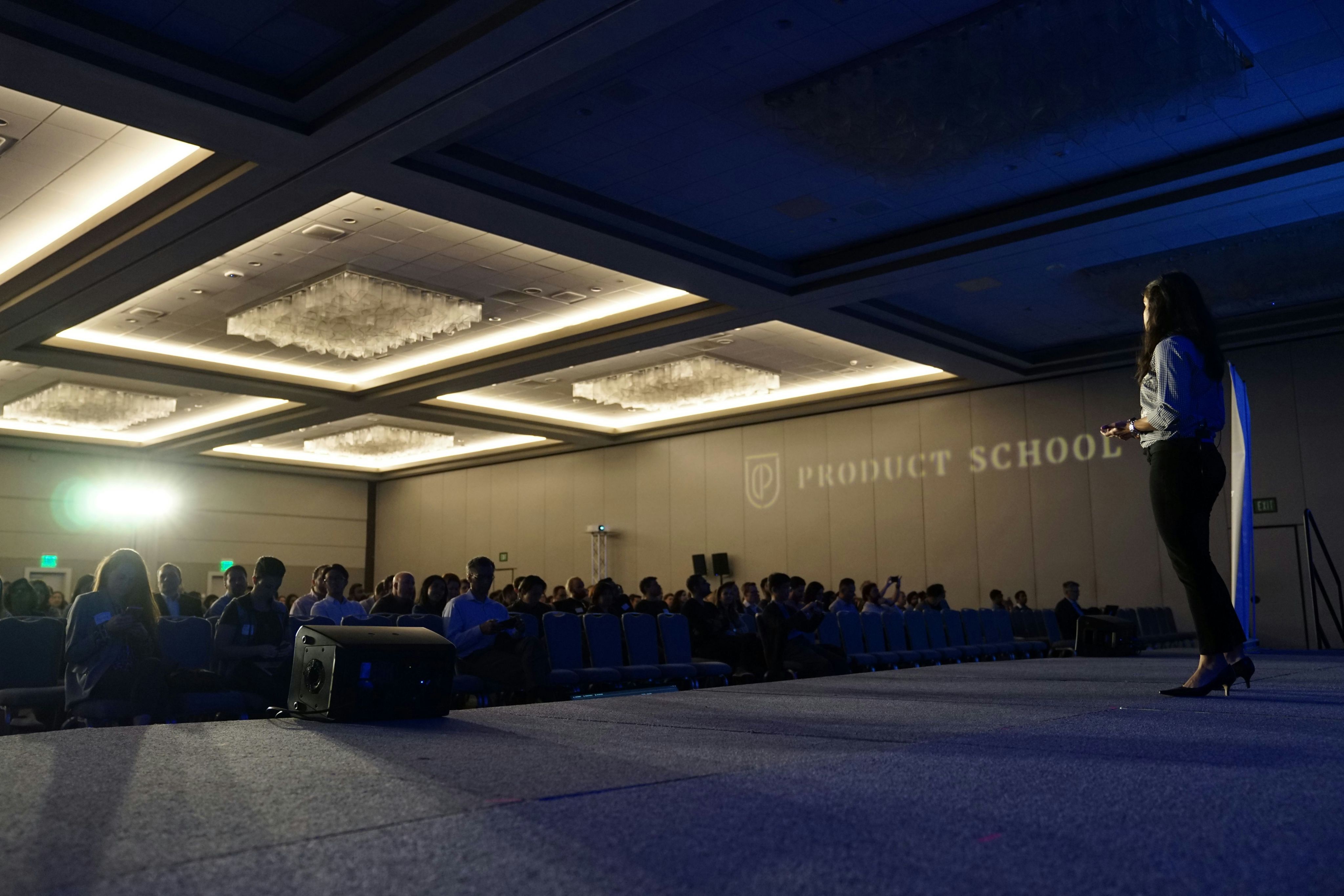

When you secure a conference speaking opportunity, you’ve not just won yourself a big opportunity, pretty much everything else is bigger too. And even for the most seasoned presenter, treating a conference speaking opportunity like ‘presentation as usual’ is a risky approach.
Let’s take a look at what is bigger about conference speaking, what you can do to re-size the opportunity, and how your event organiser is key to making this happen.
What makes speaking at a conference bigger than presenting as usual?
Bigger audience: There are more people in the room. And there is a bigger chance you won’t know everyone in the audience.
Bigger space: The room is usually bigger. And so are the distances. You’ll be standing up to speak. And you could be elevated above and further away from your audience.
Bigger delivery: The differences in space and audience require you to be ‘bigger’. This could involve a striking opening, bigger gestures or a provocative ending. Expect to stretch your usual approach to connect.
Bigger emphasis on time: There’s no room for running over, you’re a part of a schedule. And providing materials to the organiser on time is essential to the smooth running of the event.
The key to a great performance is being able to manage the change in scale. And the good news is that in your event organiser, you have a willing partner to help you do that. After all, if you’re a success, the event is more likely to be a success.
What to ask to maximise the opportunity


Here’s what to ask them about, in relation to the above to get your arms around the opportunity:
Bigger audience: make them friendly Ask about:
- Profile of delegates: helps you anticipate their questions, find friendly faces
- What they want from your session: helps you sharpen your material
- Numbers for your session: helps you picture the group in the room
- Seating arrangement: helps you understand where your gaze will fall
Bigger space: size it up
Ask about:
- Seeing the room beforehand: this first-time opportunity to walk on stage allows you to gauge the space
- AV, especially microphones: knowing the spec makes the unfamiliar a bit more familiar
- Staging arrangement: develop your plan to move around (or not)
- Availability of lectern and clicker: the lectern is a useful resting place, both for you and for your notes while a clicker provides opportunities to move around, and away from, the stage.
Bigger emphasis on time: be an easy speaker to work with
Ask about:
- When to supply slides and bio.: supply them ever so slightly earlier
- Support to stick to time: what are your options?
- Confidence monitors: confirm and locate screens at the foot of the stage
- In-room clocks: know where they are
As an event organiser, you probably know that proactively supplying information like this can be of real value to your speakers. It will help support them to prepare and practise well and turn any leftover feelings of anxiety into excitement.
If you also let prospective speakers know that this support is available, you may get more contributors coming forward. Information breeds confidence. And that’s exactly what some budding speakers need, to cut the opportunity down to a size they can manage and give them the confidence to step forward.
About the author:


John Scarrott is a Communication Skills Trainer and ICF PCC Coach. He supports Associations, Societies and Federations to add value to their events by offering training that enhances the performance of their Speakers, Chairs and Facilitators. Find him at AAE where he provides in-house training https://www.associationexecutives.org/training/trainers/john-scarrott.html and at www.linkedin.com/in/johndscarrott/