Why a little leeway works wonders
How you can get the best results by cutting your suppliers some slack


Meeting organisers usually agree with their suppliers on very detailed specifications for deliverables. That way they know exactly what they are going to get, and it allows them to keep tight control of their budgets. The problem is this: the more detailed the contract, the less likely it is that suppliers provide something out of the ordinary. What if, instead of a prescriptive list of requirements, you treated your suppliers more like partners in the creative process, engaged them in a broader conversation based on your objectives? Would a little more trust make all the difference?
The default modus operandi rests on managing a lack of trust. Budget management is more important than relationship management, and the client-supplier relationship is essentially one where both parties try to prevent the other from taking advantage of them. What’s missing is trust. Trust makes difficult things possible and sometimes it makes the impossible come true. Conversely a lack of trust can make the simplest cooperation painful and frustrating. It is true that as personal relationships develop the distrust gradually dissolves. But by then roles and responsibilities have been established, based on the contract, often leaving parties little room to manoeuvre.

How to flip things
The first step is to share the essentials of you meeting with your suppliers – the rationale for having it, your objectives, participant profiles, and, crucially, what ‘success’ would look like for your organisation? Be specific about this last point. Sometimes a small detail can get people’s creative juices flowing. Based on that, you want to hear about your suppliers’ specific experiences in previous, similar events and how they contributed to success.
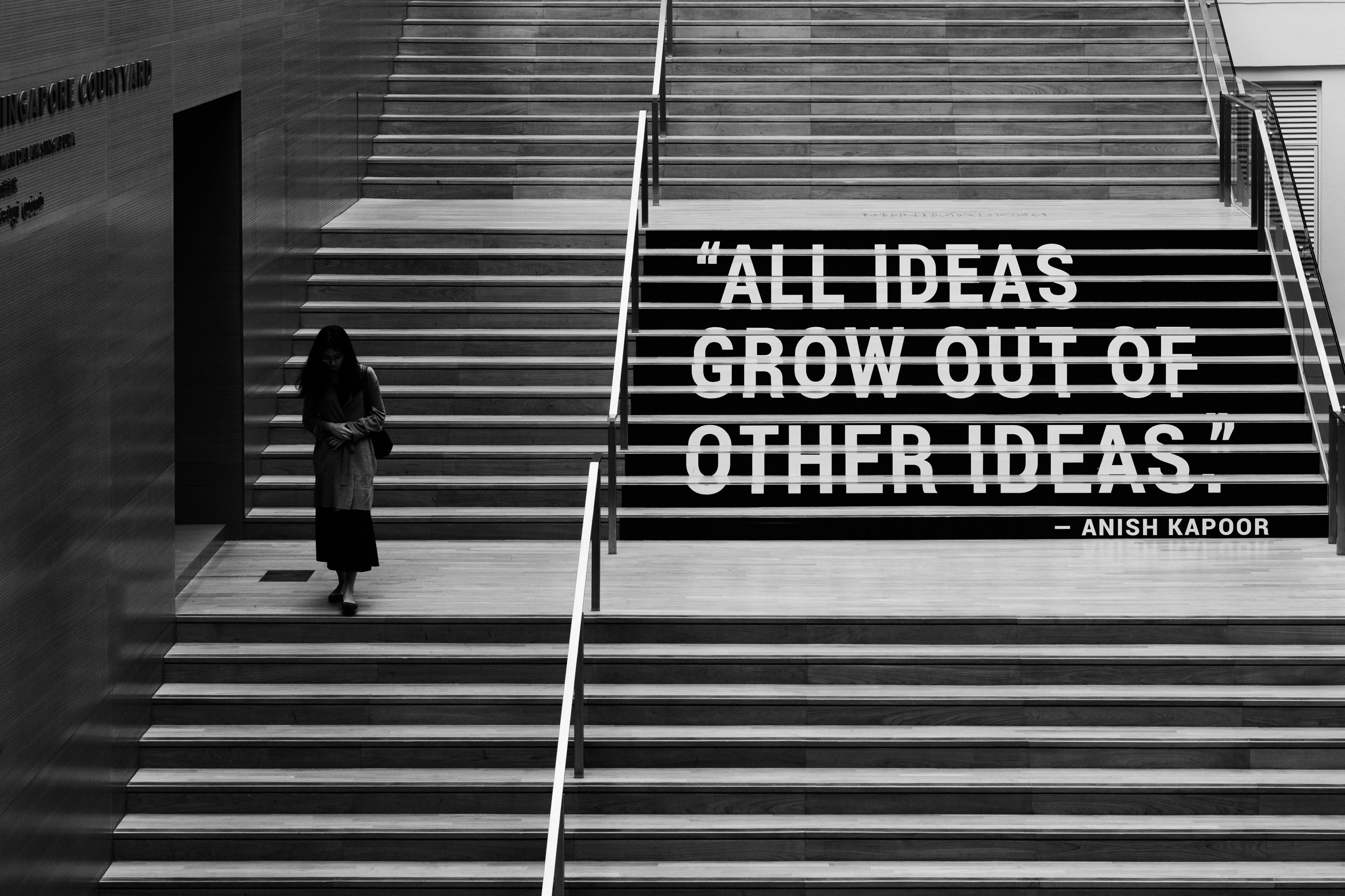
As designers, we know that for a complex form of communications such as meetings, you may need to go even further. Not all issues that surface when preparing for a meeting require purely technical or generally known answers. You sometimes want your supplier to think beyond the obvious. And some good ideas, especially the more innovative ones, come from other sources – from people’s personal history, for instance, from a sudden insight, daring vision, or unexpected intuition.
When client-supplier relationships are based on a contract for specified services you run the risk of never hearing some brilliant solutions - because your suppliers were never asked to think about them. Suppliers can offer much needed value in delivering extraordinary meetings if you invite them to become your accomplice and give them the leeway to be part of broader dialogues about the programme. Transparency about your budget limit really helps. It will give you clarity about the service levels you can reasonably expect.


What can you do right now?
In every piece of feedback – even the worst – there is a grain of truth. The snag is – are you hearing the feedback? Did you ask for it?
In the run-up to your meeting, hold regular catch-up meetings with your suppliers, where the only item on the agenda is a question: “Is there anything you are concerned about and are you seeing any opportunities for improving what we are doing?”
Invite your suppliers to be frank in the interest of the best possible outcome. Welcome any concerns they voice, even if they are critical of things that have already been decided or of any persons involved. It is not about handing out compliments, it is about troubleshooting before you find yourself up a creek without a paddle.


The next level
RFPs (requests for proposals) tend to become self-fulfilling and sometimes surreal in their level of detail. In order to get rid of the narrow-minded client-supplier relationship you need to overhaul the system. It’s time to must up the guts to leave the traditional RFP behind!
An alternative is the system of so-called value centred project management. You can still work with an RFP to establish a budget ceiling that cannot be broken under any circumstances. That way, financially, your back is covered. But, instead of prescribing exact product specifications, you agree on objectives and outcomes. Look for a supplier who is willing to enter this type of relationship and start by sharing your objectives. Establish that nothing is off-limits and ask your supplier to provide all their ideas that will ensure positive outcomes are achieved and problems avoided.
You may want to start experimenting with this way of working with one supplier and limited exposure in a project that is not too big, too complicated or strategic. Adopting this different approach will yield the best results when applied to the aggregate supplier type. It all depends how comfortable you feel managing something new. Evaluate afterwards and learn from the feedback you get. And then apply those learnings to your next project.
CASE STUDY:
Association of IT suppliers, Noordwijk, the Netherlands
The video guy looks worn out. He worked through most of the night. But now he has the solution! What was needed was a clock, counting down, in the form of a circle around a live broadcast. That may sound simple. It wasn’t. The entire technical team knew what’s at stake though. Because they knew what the organiser wanted to accomplish during the congress. They got that loud and clear during their first briefing – before they were set their individual tasks. They bought into their responsibility for achieving it together. And that’s why the video guy did what it took to come up with the right solution. Because he knew exactly where his unique skills were needed.
*This is an abridged version of a chapter in Meetings, by default or design. AMI will be publishing extracts from the book throughout the year.
About the authors:


Dutchman Eric de Groot is one of the first Meeting Designers: his pioneering work started in 1992. He co-wrote ‘Into the Heart of Meetings’ referred to as the bible of the changing meeting industry. ‘Meetings by Default or by Design’ also co-authored with Mike van der Vijver, intends to help meeting owners to improve their meetings exponentially. ‘From Audience to Contribience’ is his design motto.


Mike van der Vijver is a meeting designer, facilitator and moderator. He has been for over 20 years. Together with is friend and business partner Eric de Groot, he wrote two books on Meeting Design: Into the Heart of Meetings and Meetings, by Default or by Design.
 Built with Shorthand