
Dining with doctors
When Malcolm Farrell-Mitchell, head of sales at the Royal Dublin Society Venue, tagged along to his doctor fiancée's conference, he didn't expect to be privy to real-time delegate feedback on what they loved and didn't...


A few weeks ago, I had a surreal experience when I received real-life conference feedback, out in the wild, in its natural habitat.
Let me explain.
Like many partners, I made the most of my fiancée’s fancy hotel room at a recent conference she was attending. Four nights in a five-star, fully equipped hotel with all the bells and whistles. I was, after years of organising conferences, finally in the ‘partner programme’.
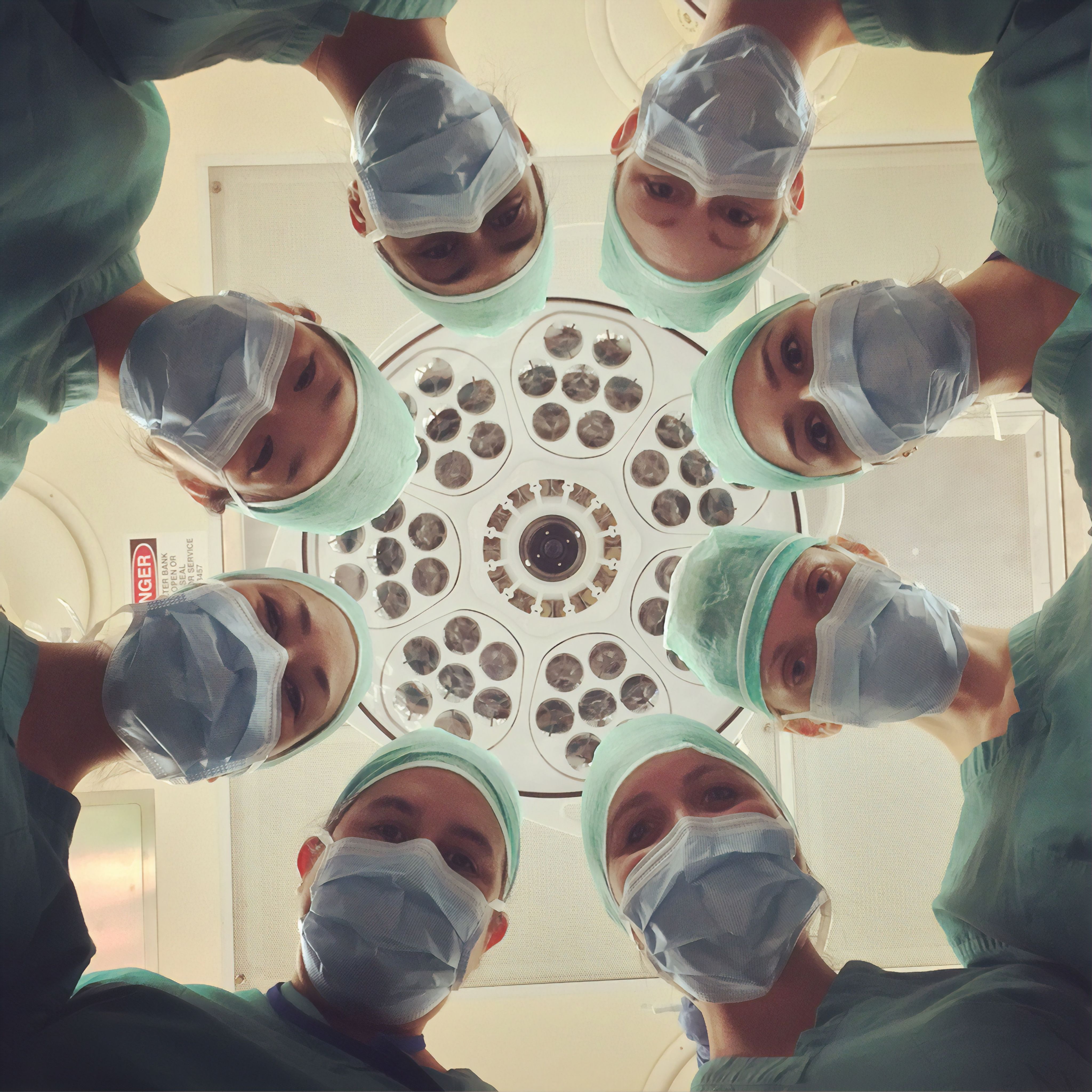
Despite the room service, lazing by the pool, and stealing more than one complimentary croissant, the best part of my week was by far a dinner where myself, my fiancée, a doctor, and four other doctor friends of ours went out for dinner – where they suddenly, and unprompted, went on an hour long rant about all the things they loved and didn’t love about the conference.
I was stunned – live feedback on my industry - it was like my own personal focus group. After a lengthy conversation, copious notes, follow ups and the odd ‘sorry, Malcolm, but why are you writing this down?’, here is what I learned:
Substance over choice
As the entrees were served, the conversation started with Doctor A asking Doctor B how the first breakout session was. “Incredible!” he replied. A few others chimed in agreement. “So was mine,” she replied. “I hate it when there are two good sessions on at the same time. I’d prefer it if they had fewer choices and just one stream of really good sessions. I’d rather a smaller conference with all the good ones together.”
Now I know what you’re going to say. 'How do you know what the good ones are? 'It’s a good point, but I think we can sometimes be guilty of trying to fit a lot in because we think that people want choice. With a good scientific/evaluating committee, we should be able to whittle down the options to hit gold.
“I also really loved that Lyme-disease sponsored talk.” I’m not going to even begin to suggest I know what Lyme disease is about, but I couldn’t help but ask: “You didn’t mind that it was sponsored?” and you can thank me on behalf of every one of your future sponsors for the reply: “Not at all! It made complete sense why they were sponsoring the session, and it was good to get a better understanding of the product. I know that they’re trying to sell to me.”
Sometimes we fear that sponsored sessions will come across as too commercial and try to add them in subtly. This might work, but I do think we have to give our delegates more credit. They’re smarter than we think!
They know that the conference needs to make money, and they know when they’re being sold to. Let the sponsor in. Let them run the session how they’d like to. The delegate will decide if it's worth their while.

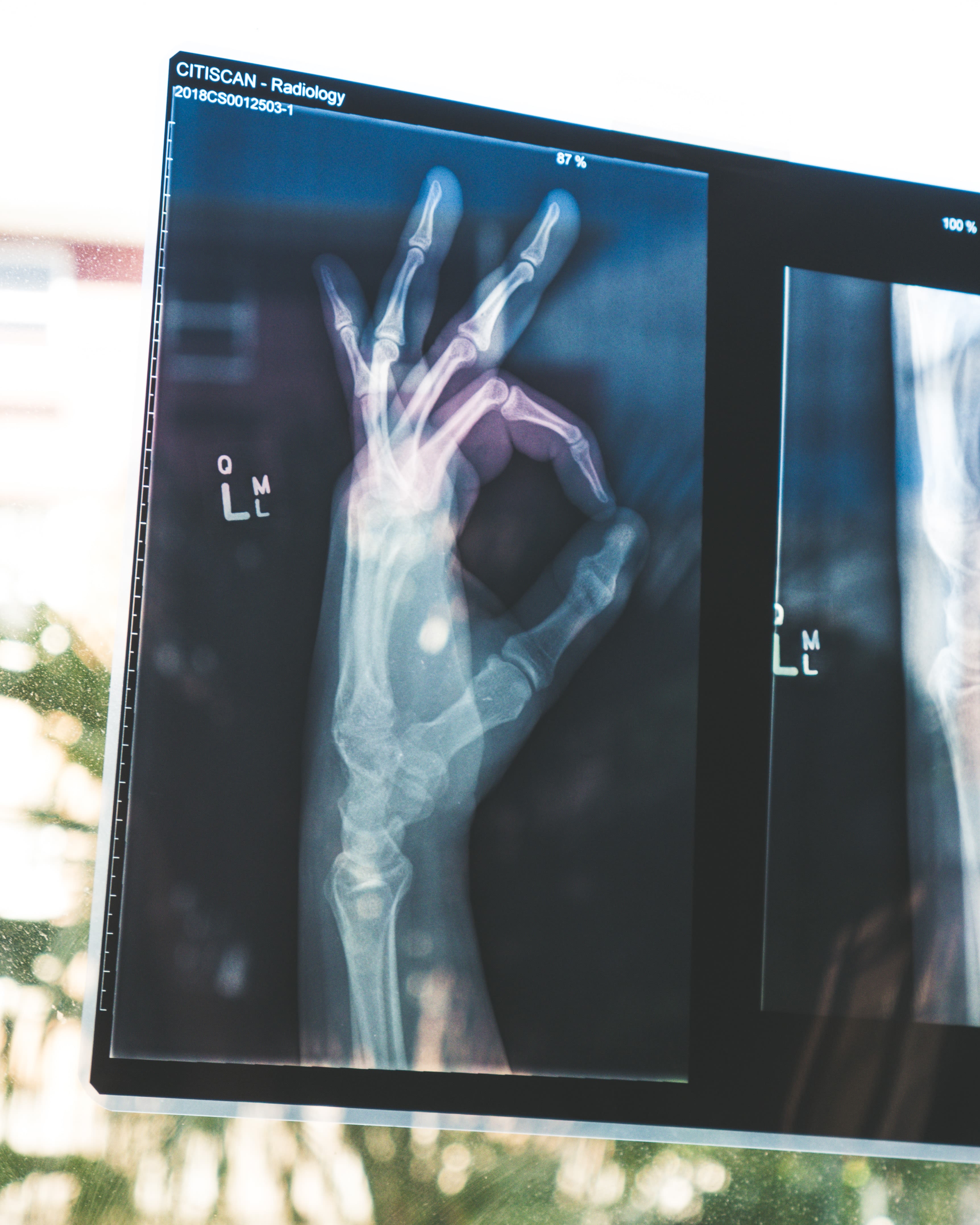
"Motivational speakers are good but speakers that bring out the motivation in the delegates are even better."
A reminder of the ‘why’
“I just love listening to knowledgeable people.”
It was this part of the conversation that almost made me cry. It was for me the part that made me incredibly happy to be working in this industry. Sometimes we all need a wake-up call about why we do our jobs. However, in full disclosure, we were on our third bottle of wine by this point.
This is probably my favourite part: “It reminded me of why I love medicine, like ‘this is really interesting, I love this. It reminded me of why I did a medical degree in the first place. Because I like it."
You can’t ask for much better in terms of feedback. I’ve made a point of trying to get in touch with the organisers of this particular conference to let them know, as this is exactly the type of feedback I would want to hear.
It is absolutely okay to bring the conversation back to basics in a conference. Motivational speakers are good, but speakers who bring out the motivation in the delegates are even better.
As an industry, we should start stepping away from the ‘generic’ speakers and start using the everyday heroes that are within the ranks of the industry we’re speaking to.
I don’t think any of us need this reminder, as ours is an industry that knows the value of networking and people. However, this next statement warmed the cockles of my heart: “GP life can be really isolating, so it has been good to hear from and meet with other people with the same problems. I’ve gotten a bit more fulfilled every day.”

Practical, practical, practical
As the conversation started to move onto other things, and as we were all moaning with enjoyment from the end of our steak sandwiches, curries and perfectly cooked fillets of salmon, I got one more nugget: “Yeah, that annoyed me too! They keep talking about it, but didn’t actually do anything about it! It was all a bit wishy-washy.”
We’re guilty of this in the meetings and events industry, myself included.
Whether it's sustainability, new technologies, innovative meeting ideas, DEI or any other topic, we listen to lots of talks on why it's important, but are so often missing some practical examples or tips on how to implement it. They continued: “That’s actually one of the only parts I remember. ‘Ryans Rule’ it was called. It was so interesting, and so practical, they went into a lot of detail, and I can see how I’d use it in practice.”
A communal ‘mmmm’ of agreement surrounded the table. This was the part where I suddenly thought ‘gee I wish all my colleagues could hear this,’ as the final point was made: “You just want someone to get up and tell you what the new clinical drugs are in X and what the new treatments are in Y. Its not that hard.”
No. It’s really not.
Having a doctor as a partner is hugely satisfying as it reminds me daily that I’m not saving lives. It provides great perspective. It also reminds me exactly why I’m doing the job that I’m doing. Conferences and events are catalysts for great things and I’m proud to be a part of it.



 Built with Shorthand