
BestCities Global Forum - Vancouver
Legacy: making the case for international meetings


Is legacy - meetings that have an enduring, transformational impact on host cities and wider society - the key to sustaining an international events industry?
Yes, according to the Capilano University’s Conference Legacy Impact Study, released at the 2022 BestCities Global Forum, in Vancouver, where more than 40 association meeting professionals and 12 destinations met for a four-day conference in December.
“Nowadays, the sustainability argument means it’s harder to justify international meetings,” says BestCities Global Alliance managing director, Lesley Williams.
“It’s clear from many of the reports out there that sustainability is very high on everyone’s agenda; ‘we’ve always done it this way’ doesn’t wash anymore – meetings need to have a purpose beyond the traditional economic metrics. We need to meet in a socially responsible way taking into consideration carbon footprints, and the impact of activities on the local environment and its communities. This conversation needs to happen now.”
Legacy has been the focus of the BestCities Global Alliance since its inception and it’s a theme that is woven through each of the annual BestCites Global Forums. Previous Forums have produced legacy implementation and measurement tools such as the Copenhagen Legacy Lab – a Copenhagen Convention Bureau initiative to create long-term positive impact from congresses. And the 2022 BestCities Global Forum in Vancouver was no different.
Meeting under the theme ‘Fresh Perspectives’, the Vancouver Forum addressed legacy almost immediately.
In the opening session, held at the Vancouver Convention Centre, participants were asked to consider the challenges of various association-related topics including revenue diversification, long-term planning, and legacy.

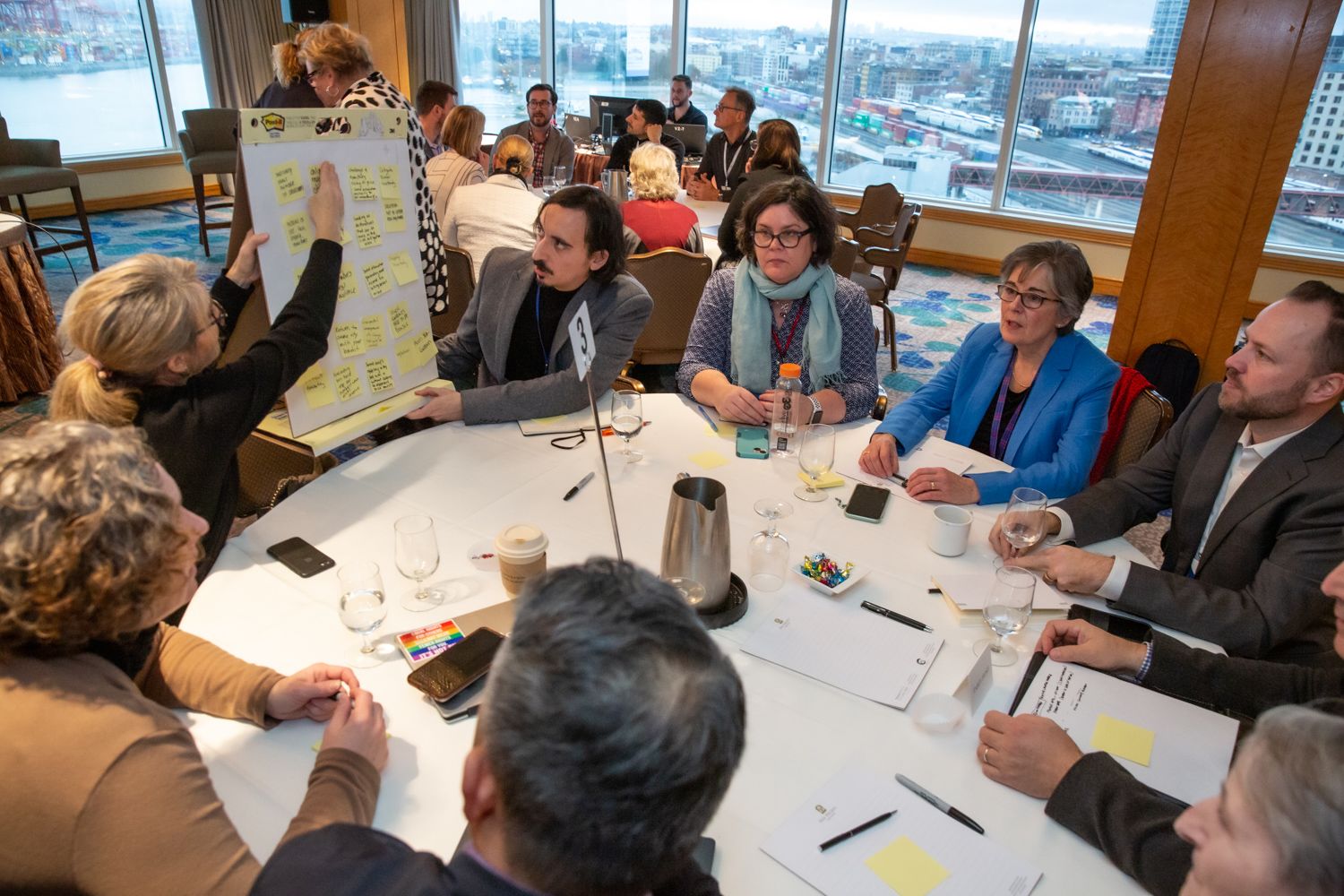
Who should take responsibility?
Despite the topic of legacy being on the agenda for several years, it soon became clear at the Forum that some associations and destinations still don’t know where to start with it, and in some cases aren’t sure it’s ‘on them’ to build legacy into an event.
A key concern around legacy is the sheer size of it – ‘should a meeting change the world for the better and how can I ensure my meeting does that?’
Truth be told – it can’t. But any meeting, conference or event does have the potential to create a long-term legacy, whether it’s for one attendee, a whole city of people, an entire industry, or in fact, the world.
In doing so, there’s value in continuing to meet in person, as the Capilano University’s Conference Legacy Impact Study showed. "Legacies don't have to be global. They take time to develop, and they might only happen within an association, within a destination or within a region. The important thing is to just start doing something that will create a positive impact," explained Kara Walker, lecturer of tourism management at Capilano University, who presented the Conference Legacy Impact Study during the BestCities Forum.
So, you don’t have to start big, “but definitely just start doing something,” adds Walker.
Whether that’s having conversations with prospective host destinations about what tools and knowledge they can provide to ensure a meeting has a positive legacy beyond the convention centre or building legacy-specific requirements into an RFP to quickly assess whether a destination and its convention bureau can align with the association’s mission.
Thinking about how to get started, the Study makes six recommendations for destinations and four for associations on how to execute effective legacy impact.
Destination recommendations include:


Build legacy studies into RFPs and the conference bidding process.

Measure conference outcomes consistently on different scales.

Work with associations to ensure they understand the core concepts of legacy and to help adapt the UN SDG framework to identify all relevant legacies/outcomes for each conference.

Provide tangible knowledge resources to help identify and measure legacies and outcomes. Associations may lack the resources to develop and administer instruments to measure conference legacies and outcomes.

Be flexible in choosing data collection methods for each conference legacy and outcome.

Engage different voices in identifying and measuring legacies and outcomes
“I think we have a responsibility to support associations to develop impactful objectives. We, and by ‘we’ I mean not just BestCities but the meetings industry as a whole, need to provide support and understanding about how to create impact from business events that leaves the destination a better place and at the same time moves an organisation closer to their mission.”
Association recommendations include:

Facilitating networking between attendees. The more contacts that attendees make, the higher they rate the conference’s overall value.
Provie opportunities for attendees to visit local businesses.

Associations should use the UN SDGs as a framework to identify legacies and outcomes. Outcomes can be adapted from the existing 169 indicators of the SDGs, or new outcomes can be created and added to the framework as required.

Associations should take the lead in engaging conference attendees in identifying and measuring legacies and outcomes.

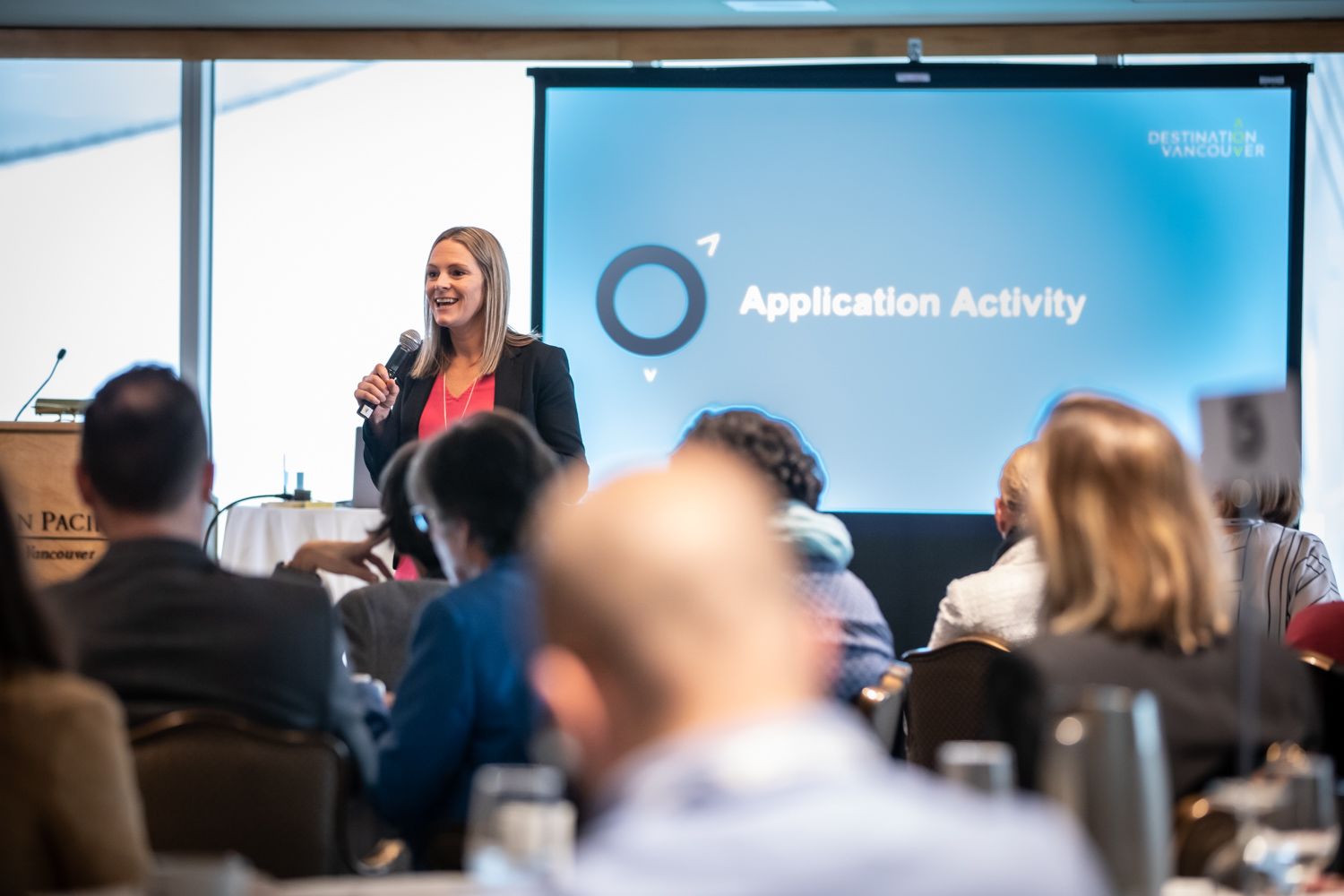
The value of holding international meetings can be seen in the important networking opportunities provided and the positive outcomes of discussions and connections. The BestCities Global Forums, past and present, are a great example of what can happen when we get together.
For example, in 2021, the International Hepato Pancreato Biliary Association (IHPBA) attended the BestCities Global Forum in Madrid. Being present allowed the association to dig deep into what the Alliance destinations could offer its upcoming congresses. With legacy front of mind, IHPBA wanted its future congress host destinations to work together to ensure the learnings from previous congresses could be incorporated into future editions. To ensure the legacy journey wasn’t stunted between congresses, IHPBA insisted ambassadors and convention bureaux worked together to ensure the congresses carried its positive impact between destinations.
These conversations and an aligned mission of generating legacy through meetings led IHPBA to choose BestCities Global Alliance destination members for its next three international congresses beginning in Cape Town & Western Cape in 2024, Singapore in 2026, and Vancouver in 2028.
Building legacy into the RFP process and measuring the short and long-term impacts generate positive, shareable stories such as those from ESTRO and IHPBA. Legacy helps associations justify their existence and the need for international meetings.
But the biggest winner of legacy is the wider community an association serves: those who exist outside of the conference.
Up next
The next BestCities Global Forum will take place in Melbourne, Australia, under the theme of creating connections with purpose.

 Built with Shorthand