
BestCities Global Forum 2025: a storm-defying success
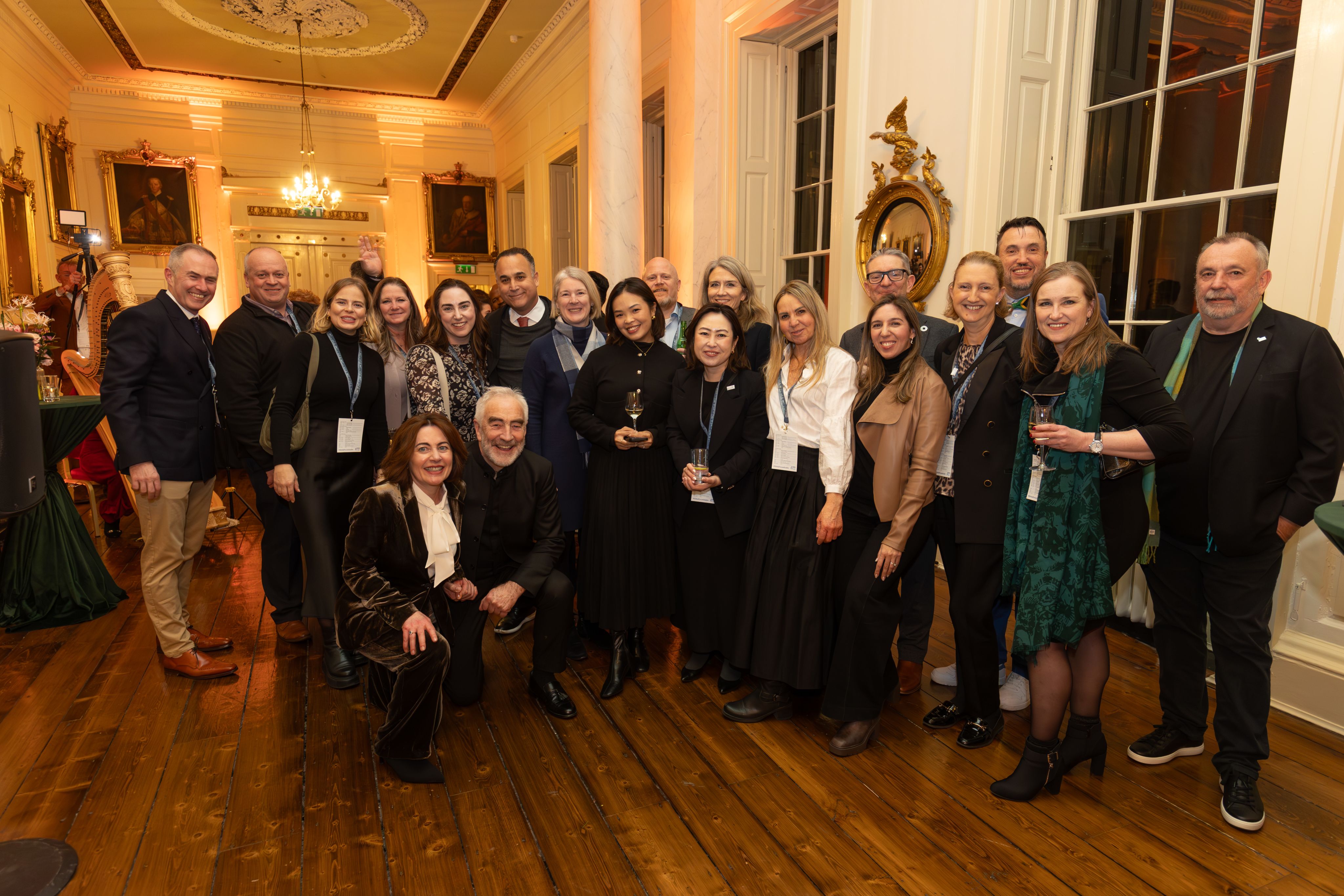

Not even a ‘storm of a generation’ could stop delegates from travelling to Dublin for the BestCities Global Forum 2025.
While Storm Éowyn did cause major disruption including cancelled and delayed flights for many of the delegates attending the forum, almost everyone made it to the Irish capital in time to participate in the packed programme.
BestCities Global Forum brings together its 13 convention destination members with international association planners for a few days of learning, networking and fun each year. The 2025 edition took place between 24-27 January across multiple Dublin venues including Dublin Royal Convention Centre, Convention Centre Dublin, The Irish Emigration Museum and Croke Park sporting stadium.
Centred around ‘Creative collaborations: innovating for greater communities’, the forum put unique perspectives and practical learnings in focus on the content agenda.
From AI to athletics

Day one of the two-day conference saw Mark Kelly, founder of AI Ireland, deliver a session tracing the evolution of artificial intelligence (AI) from its early days as a set of basic tools to its current role as a transformative force in business and society.

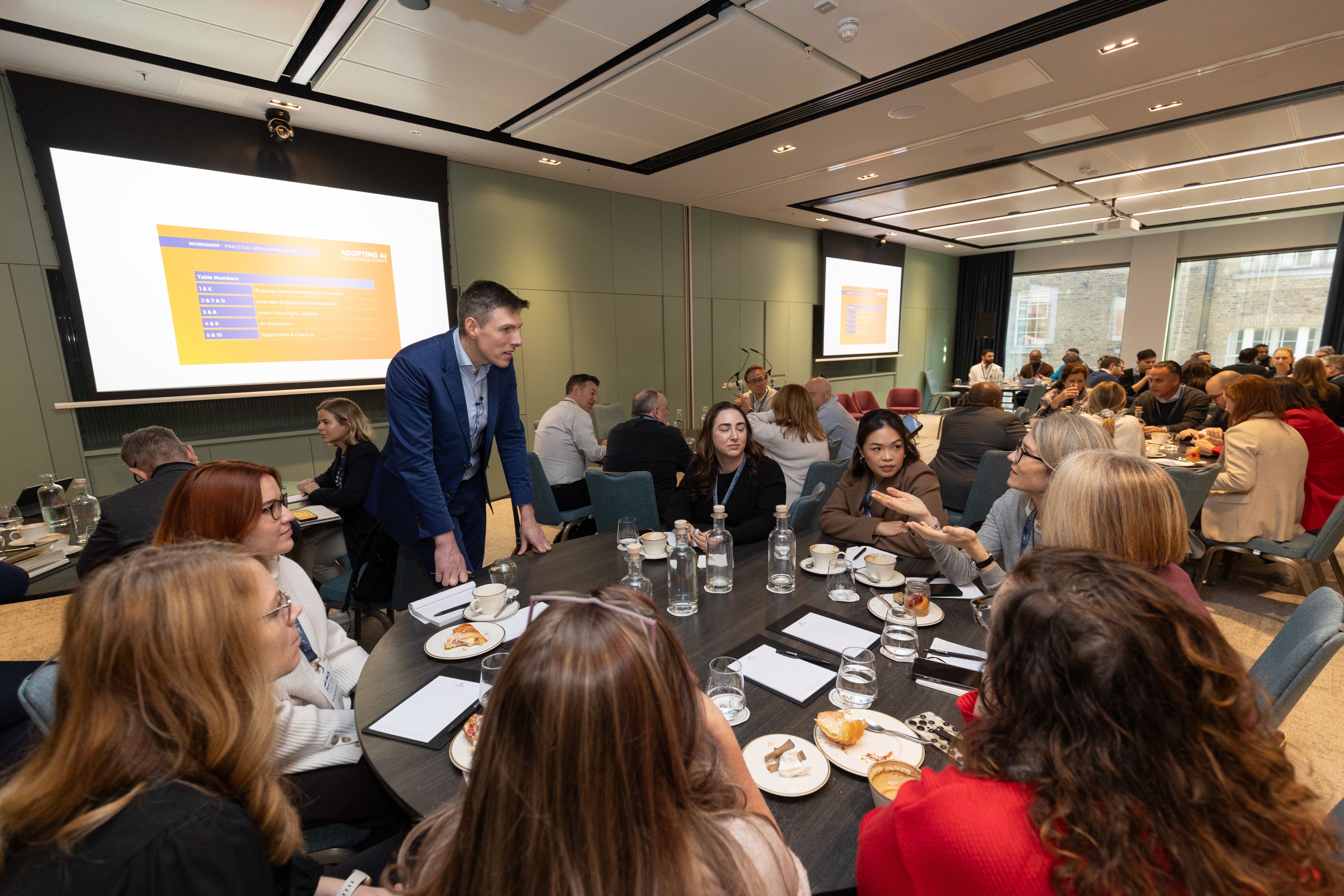
Mark Kelly
Mark Kelly
Kelly outlined how AI has shifted from being a utility we deploy to becoming intelligent agents that work alongside humans. With AI set to become even more advanced in 2025, Kelly’s message was clear: the companies that adapt to this AI-driven paradigm shift will lead the way into the future of innovation and efficiency.
But the pathways to effectively using AI are often unclear to the average user, which is why Maryrose Lyon’s, founder of AI Ireland, session ‘Craic agus code: practical GenAI tips to escape your daily grind', came at the perfect time. She guided the audience through several AI platforms and their uses, including Perplexity for sourced information retrieval, Claude for data visualisation, NotebookLM for audio summaries, and Gamma for rapid presentation creation.
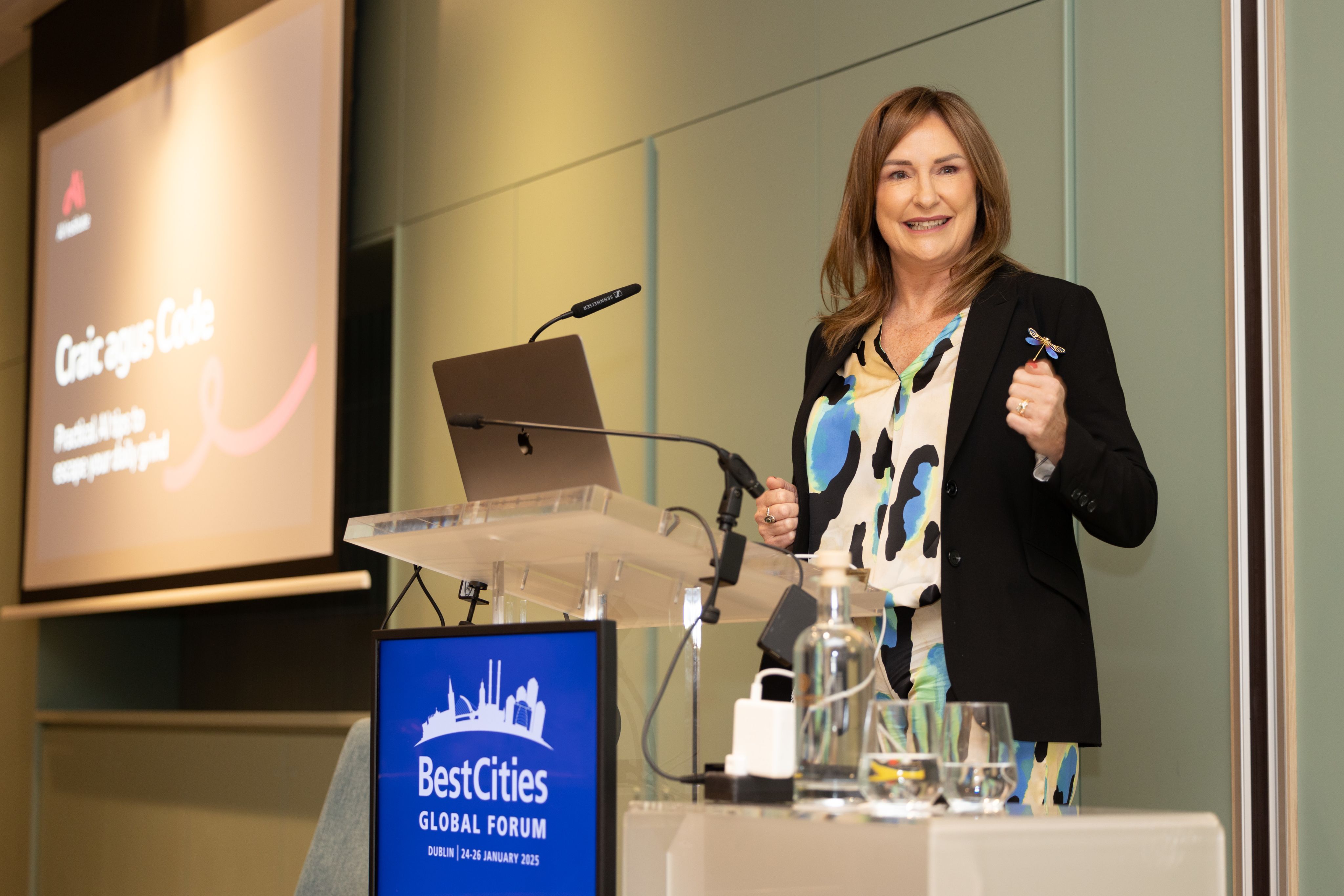
Maryrose Lyons
Maryrose Lyons
But using AI comes with a warning. “While AI tools can save significant time, it's crucial to be intentional about how that saved time is reinvested for maximum benefit,” said Lyons.
Day two of the forum got underway at Croke Park sporting ground, home to the Gaelic Athletic Association's four sports – hurling, Gaelic football, handball and rounders. With modern spaces for up to 2,000 conference delegates, plus 82,000 stadium seats and an open invitation for both Irish and Northern Irish teams and their supporters, the venue reinforced the conference theme: innovating for greater communities.
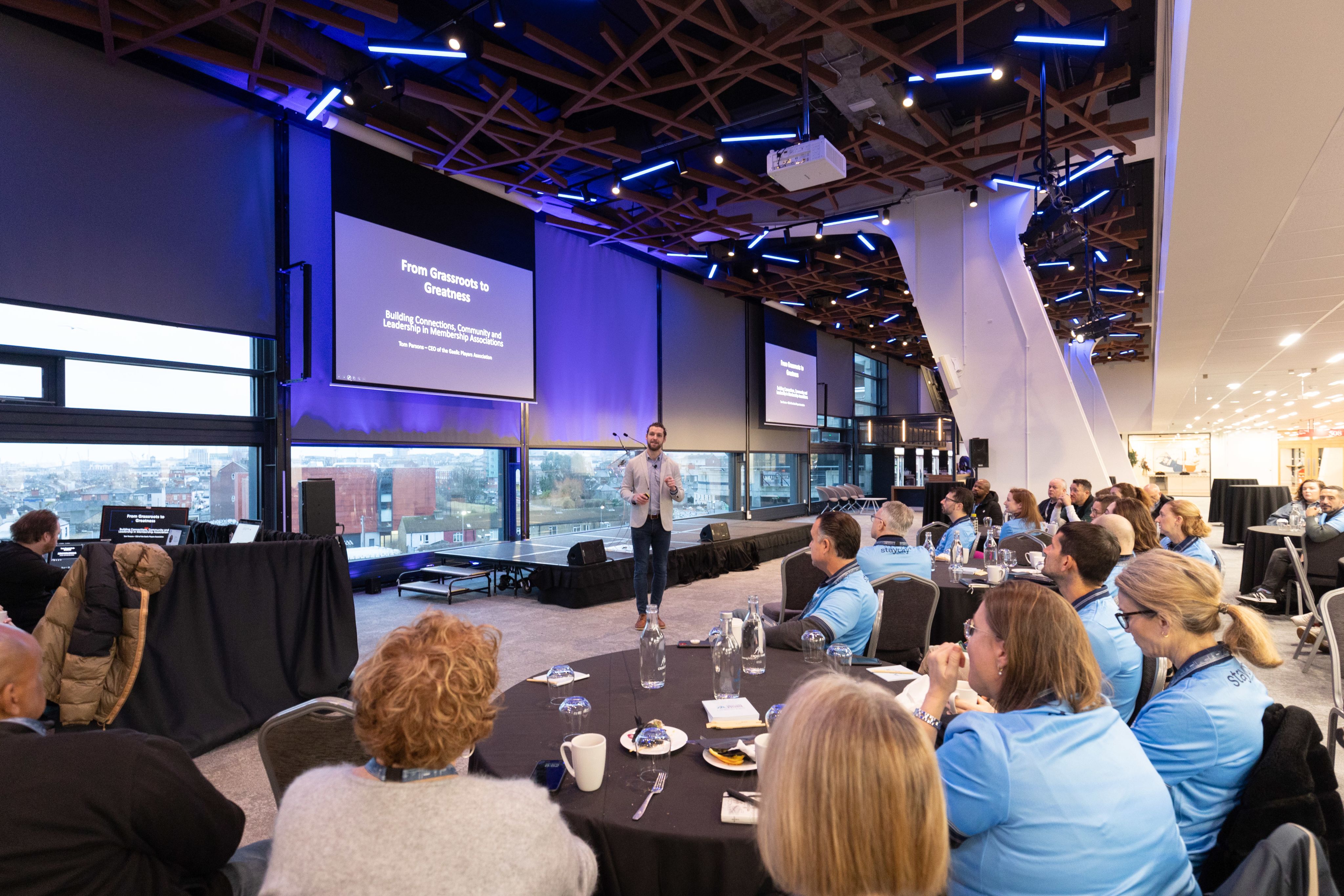
Former Gaelic Footballer and current Gaelic Players Association CEO, Tom Parsons, kicked off the second day’s programme with a presentation, ‘From grassroots to greatness: building connections, community, and leadership in membership associations.’
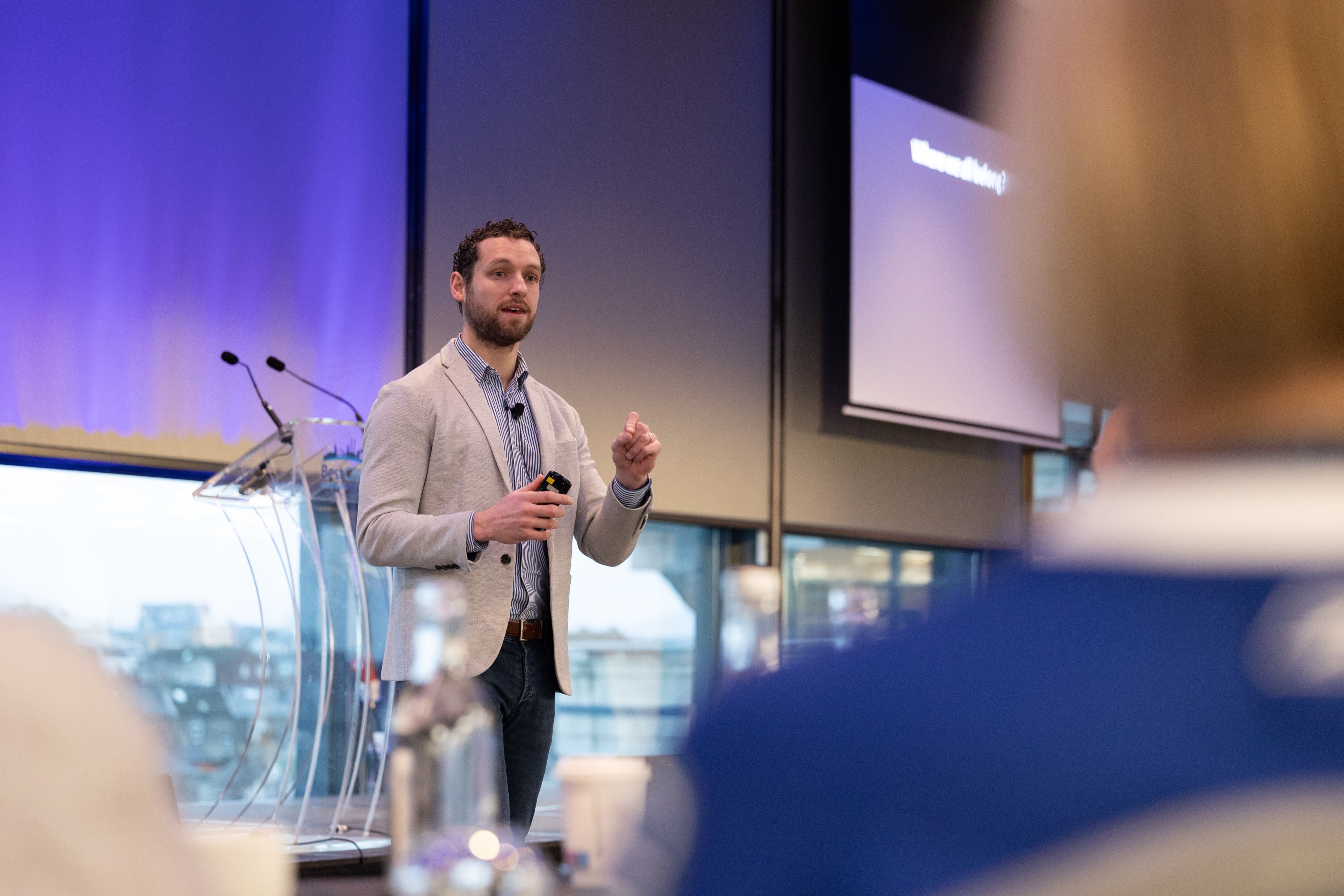
Tom Parsons
Tom Parsons
Representing 4,000 elite inter-county players across Gaelic football, hurling, camogie, and handball, Parsons highlighted the Gaelic Athletic Association's (GAA) significant role in Irish society. With 2,200 clubs nationwide generating €2.8 billion in annual social value, highlighting the GAA strength in community-led organisations.
Parsons outlined four key pillars for successful membership associations: a clear value proposition, empowered leadership, memorable experiences, and a culture of care.
“Any organisation needs to be value-based, purpose-driven, and vision-led. And I think as member organisations, if we keep coming back to the vision that we want to create, what's the why and the values, and we live by our values,” said Parsons.
Building communities through inclusion
Diversity, equity and inclusion (DEI) were also featured during the forum, with an engaging talk from Adam Harris, founder and CEO of Ireland’s national autism charity, As I Am. Harris founded the organisation based on his own experiences growing up on the Autism spectrum.

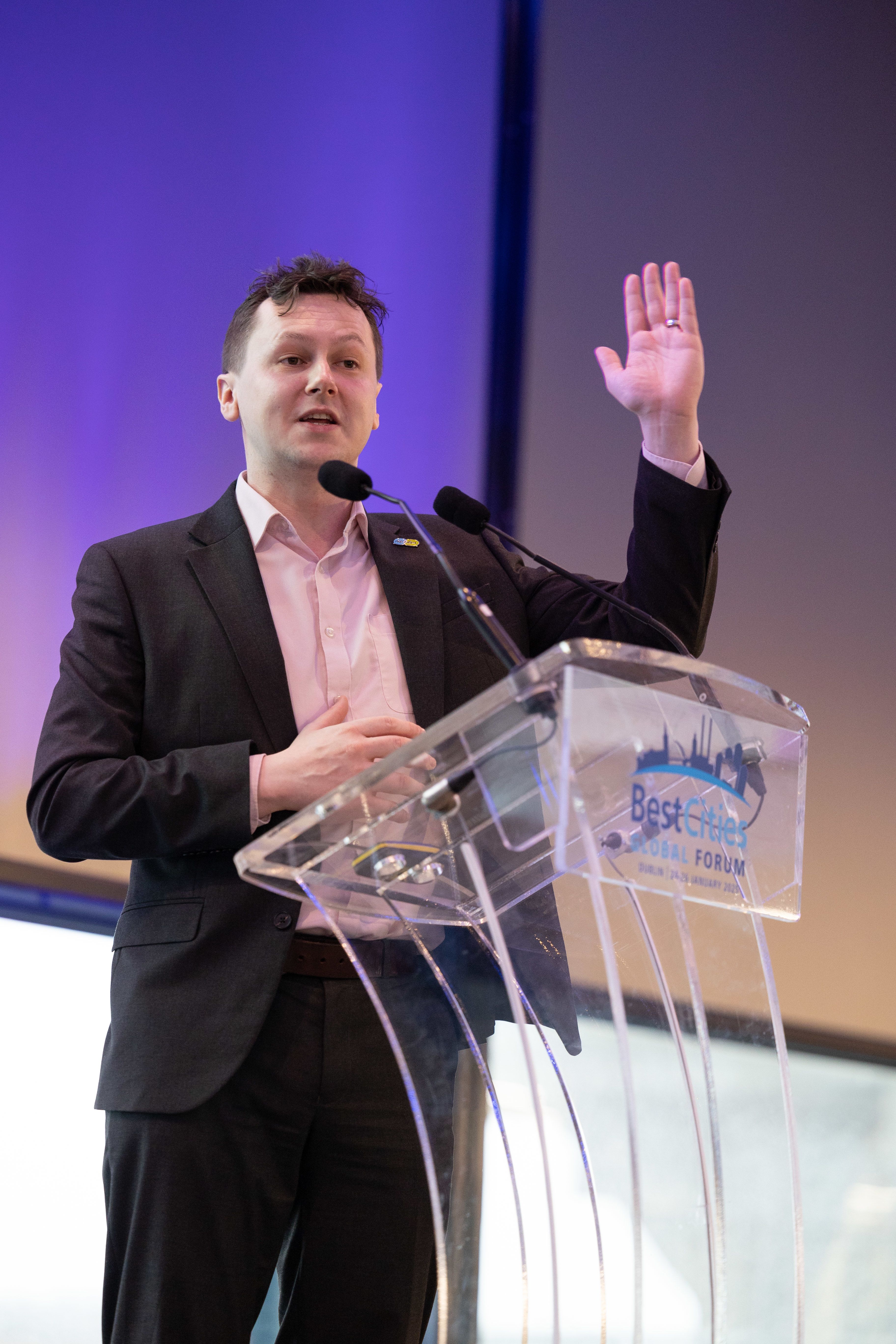
Adam Harris
Adam Harris
Harris shared Dublin's ambitious efforts to create a more accessible and inclusive environment for autistic individuals, setting a global example for urban inclusivity.
His session highlighted the prevalence of autism in Ireland, affecting 1 in 27 children, and presented findings from As I Am's annual Same Chance report, revealing that 83 per cent of autistic individuals feel they can't be themselves in public, underscoring the need for community-wide accessibility initiatives.
The cornerstone of Dublin's transformation is As I Am's Autism-friendly Towns Programme, which aligns with Ireland's new Autism Innovation Strategy. This seeks to address the challenges and barriers facing autistic people and to improve understanding of autism within society.
The Towns Programme recruits Autism-friendly champions—businesses and organisations committed to implementing accessibility changes. Key measures include sensory evaluations of public spaces, quiet times in stores, and the introduction of the Autism ID card for discreet support access in public settings.
Practicing what they preach, Dublin will host the Autism Europe Congress in September, which As I Am will lead, making it the first autistic-led organisation to do so. The event will showcase accessibility measures, including quiet registration options, stage stickers for indicating social interaction preferences, and the provision of fidgets and ear defenders for attendees.
Strategically minded
Fáilte Ireland, the national tourism development authority of Ireland, unveiled a new strategy for business events during the forum, emphasising its alignment with government policies to deliver economic, social, and environmental benefits. The strategy prioritises attracting association conferences that create lasting impacts for Irish cities, communities, and industries.
By rolling out new subvention and measurement frameworks, Fáilte Ireland aims to enhance Ireland's appeal as a conference destination while ensuring events leave meaningful legacies.
Paul Mockler, head of commercial development, highlighted the value of association meetings in fostering collaboration, addressing global challenges, and creating opportunities for cultural exchange and social development. The business events industry, contributing €800 million annually and supporting 20,000 jobs, plays a critical role in Ireland’s tourism economy.

 Built with Shorthand