
Not working?
How to make networking more productive...
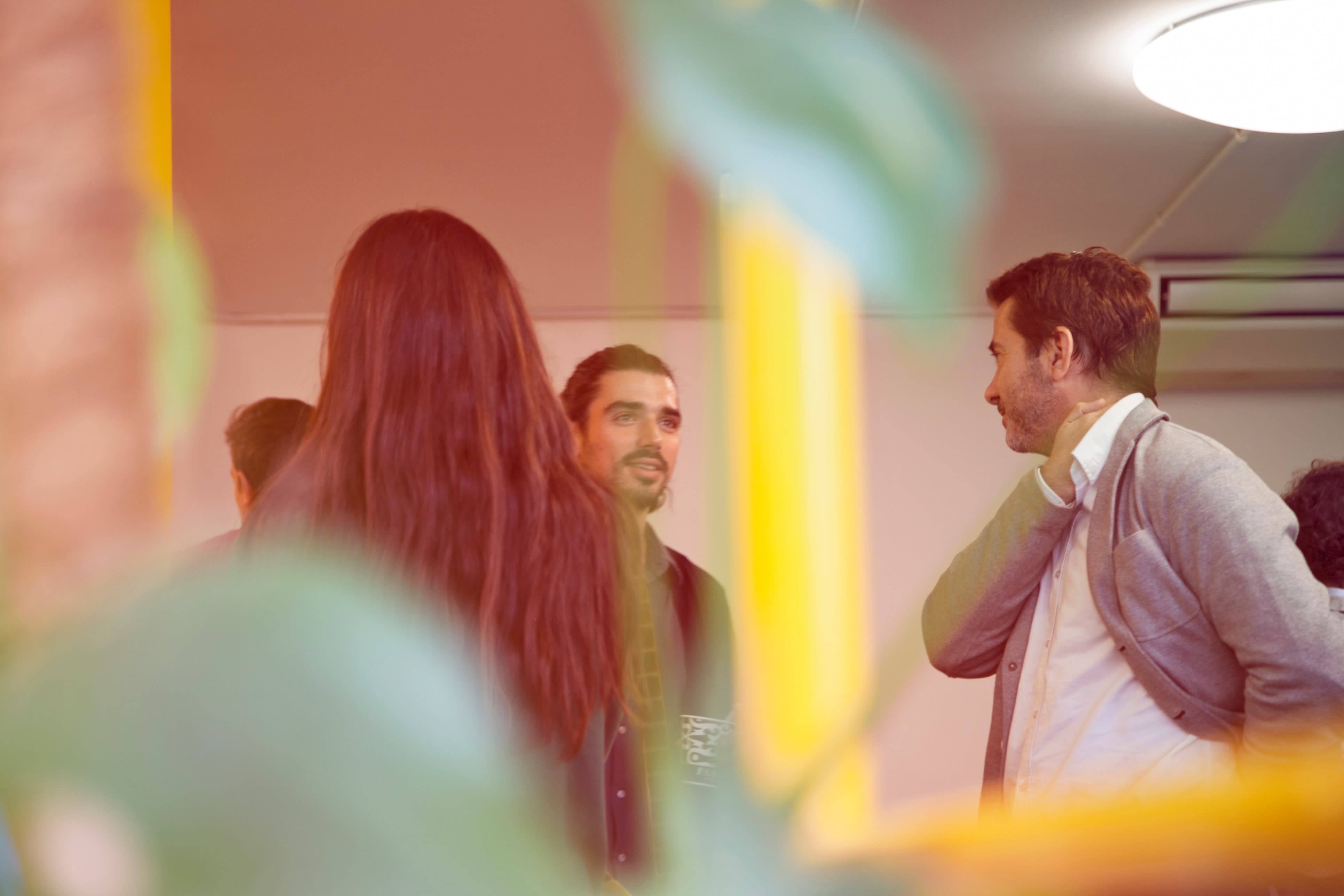

In-person association meetings have returned, but they’re taking place in a new post-pandemic reality with delegates whose expectations have changed.
Many participants still feel nervous about the health concerns associated with events or international travel. Others, having experienced the benefits of virtual events, need reasons to justify the time and financial investment that goes into attending face-to-face meetings.
In this context, meeting planners agree that face-to-face meetings need something extra. We need to apply what we have learned from the past two years to create better in-person events, where delegates can meet their objectives, connect with the right people, and leave feeling inspired and excited to return the following year.
The cardinal rule to successful participant networking is understanding that delegates don’t need your help in exchanging business cards...
The key to creating successful events is cracking the code of event networking.
After all, months after an event is over, we might not remember the session we attended on a Thursday at 2pm - but we never forget the valuable connections we made right after.
It is the power of connections that will ensure that participants continue investing their time and energy into your events, long after the event is over.
Waving goodbye to traditional networking
There are two main reasons why meeting planners struggle to create satisfying networking experiences:
They are still designing networking experiences like they always have.
Event networking as most of us know it is often synonymous with the uncomfortable experience of navigating a room full of strangers (be it in-person or virtually) with the hope of somehow finding a meaningful connection. Think cocktail hours, speed networking, etc. These experiences tend not to be inclusive for introverts or in some cases, for people who don’t drink. Most importantly, they don’t create the right conditions for participants to have the types of conversations that might lead to real relationships.
We are using the wrong metrics to evaluate the success of event networking.
Event professionals still give a lot of importance to the number of connections formed at their networking events. It dictates how they design the experience and the technology they use. Unfortunately, number of connections by itself is not a good metric because it doesn’t account for the quality of connections.
Learning-centric
The cardinal rule to successful participant networking is understanding that delegates don’t need your help in exchanging business cards. Instead, they need you to create a context where they can meet the right people and have the kinds of conversations that result in opportunities for personal and professional growth.
Taking a facilitated, learning-centric approach is the best way to spark such conversations. This is because a focus on learning alleviates the ick factor that’s often associated with networking. Research has shown that “thinking of networking as an opportunity for discovery and learning makes it feel less like a chore.”
So, when you design your networking to support learning opportunities, you take away the awkwardness of traditional networking i.e. the classic dilemma of not knowing who to talk to or how to start a conversation. Instead you create an experience where your participants are much more likely to have easy, productive, and meaningful exchanges.
4 steps to enjoyable and productive networking

1. Choose the right networking technology
Choose a solution that specialises in networking and can integrate with the rest of your technology stack. The perfect all-in-one platform doesn't exist yet. By choosing one with expertise in connection experiences, you’ll ensure that networking at your event gets the attention it deserves.
This solution should be easy to navigate for your users, regardless of their level of technological savvy. More importantly, it should have features that do two things: help your participants find the right people to connect with and create conditions for a meaningful conversation to take place.
Finally, go for a service provider that has experience facilitating networking at live events and can support you in not only implementing their technology but also creating a good onsite experience for your participants.

Photo by Xavi Cabrera on Unsplash
Photo by Xavi Cabrera on Unsplash
2. Design spaces that are optimised for connection and learning
The space you design for the networking portion of your event should inspire your participants and create a sense of playfulness.
This means being unafraid to get creative with certain design elements like, including unusual (but comfortable) furniture in your space, featuring conversation prompts on signage, adding Lego to your tables etc. Natural light, round tables, bright colours, and elements of nature can also help in creating a joyful environment.
All of the above will go a long way in making your participants feel more positive and open to connecting with others.

3. Offer proactive guidance and facilitation
Simply offering an event networking solution is not enough. Event organisers should add a human aspect that goes beyond providing simple technical support to attendees. Offering proactive guidance and facilitation to your participant will significantly improve the quality of networking at your event.
Simple tasks like acting as hosts, introducing participants to each other, and offering conversation tips, can make a great difference in the experience. You can also improve the quality of conversations between your participants by sharing ice-breakers and guidance on how to facilitate group discussions. If you have a customer success team or volunteers, you can mobilise them to play this kind of role.


4. Learn from real-time and post-event data to get better engagement results
Make sure to use a networking solution that offers meaningful data points that go beyond connection numbers and reveal meaningful insights into participant behaviour.
Look for real-time metrics like participant activity on the platform, high engagement times, and number of meetings booked, to proactively support participant needs during the event.
Post-event, ask for metrics that can help you not only evaluate your success but also plan for next time. This data might include the most active participants, popular topics of conversation, satisfaction rate, for example.
... and then there's the ROI
When you create networking opportunities centred on learning, you design an experience where your people have the chance to learn from each other and make connections based on who they are, as people, instead of their job titles. In doing so, you organically increase event engagement and ultimately retention by giving your people an experience that they want to return to, year after year.
Smriti Bansal is the head of content at e180, the creator of Braindate and an AMI expert contributor.
For close to a decade, Smriti has worked with companies and creatives across industries to craft and launch impact-driven content marketing strategies. In her current role as Head of Content, she channels her expertise into creating content that supports Braindate’s mission to reinvent the way people meet and learn around the world.


 Built with Shorthand