
How to: reduce your footprint but keep the dream destination


Planning a carbon-neutral event doesn’t mean you have to rule out international dream destinations such as Australia. Here, Nicole Walker, managing director of Australia’s first carbon-neutral event management company, Arinex, explains why Australia, for example, is an appealing choice for sustainable events and gives her views on the future of this trend...
Australia is a highly sought-after destination for conferences, meetings and business events. It is also known for its long-distance travel from where many association headquarters are based. As air travel typically generates higher carbon emissions, Australia has a lot to prove as a destination for sustainable conferences.
Given this, there are several key reasons why eco-conscious companies and associations should consider holding their conference in Australia.


Clean Commitment
Australia has a strong commitment to protecting the environment and advancing sustainable practices. A variety of programs have been put in place by the nation to lessen its carbon footprint, such as the promotion of energy efficiency and the use of renewable energy sources.
Having set a goal to achieve 50 per cent renewable energy by 2030 and net zero emissions by 2050, Australia has made strides towards transitioning to clean energy sources such as hydrogen, battery storage, wind and solar. Australia has also taken significant steps towards reducing plastic waste with almost all states and territories introducing bans on single-use plastic items such as straws, cutlery, and polystyrene food containers.


Adopted by large-scale public works, private enterprises, and individual residents, the ironically blue tiles make up huge whole-building facades with elaborate scenes, and also appear as small geometric repeating patterns on private doors and low garden walls.






Natural Ecosystems
Australia has a wide variety of ecosystems, including coral reefs, deserts, and tropical rainforests. There are 20 UNESCO World Heritage sites in Australia, including Uluru and the Great Barrier Reef. For conferences focused on environmental preservation and sustainability in particular, participants can learn about the difficulties these ecosystems face and how to protect them.
Ancient Knowledge
The Aboriginal and Torres Strait Islander people of Australia are the oldest living cultures in the world, containing many insightful perspectives on sustainable techniques such as traditional resource management. For instance, using fire to manage land and preserve biodiversity while valuing the health of both humans and the environment. We can increase sustainability and resilience in our societies by researching and learning from Indigenous groups.
World-class Infrastructure
Australia’s infrastructure is well-equipped to hold conferences and other events. The nation is home to many environmentally friendly hotels and convention centres each with their own unique sustainability initiatives and globally recognised certifications. The wide network of railways, busses and ferries in Australia, along with other eco-friendly transportation choices, can assist in minimising the carbon footprint of attendees travelling to and from events.
Carbon Neutral Events: What Does the Future Look Like?
Companies and associations will undoubtedly give sustainability a higher priority in their events as awareness and innovations to lessen our impact on the environment grows.
If effectively implemented, carbon-neutral business events in Australia could be the norm within the next decade.
Technology will play a greater role. With the transition to digital for everything from registration to programs, signage and posters, paperless conferences will become the standard.
In the future, business events will place more emphasis on reducing waste, employing extensive recycling and composting systems, and using ethically sourced food. Australian event planners and providers with increased knowledge and expertise will offer practical resources and tools such as carbon calculators and guidelines to assist organisations in their sustainability efforts.
We will also likely see more regenerative tourism experiences on offer, which aim not only to minimise their impact on the environment but also actively contribute to the restoration and conservation of the destination.
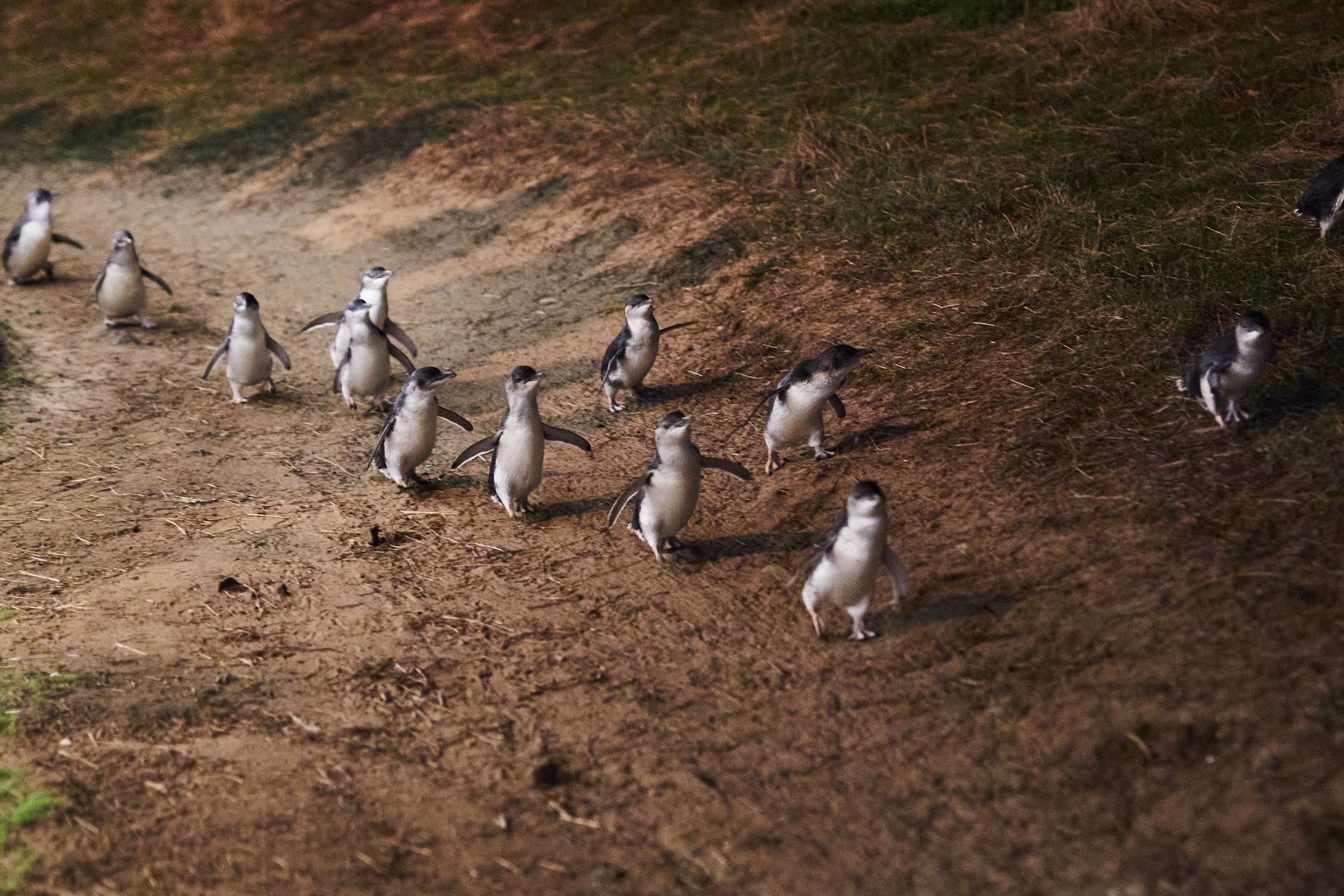
Phillip Island, a short drive from Melbourne, is an example of a destination moving towards regenerative tourism. Due to its continual eco-certification for 20 years, Phillip Island Nature Parks is a well-known ecotourism destination. The island is renowned for its diverse flora and fauna, including the world’s largest Little Penguin colony.
The Regen Phillip Island Tourism Project, a collaboration between the public and private sectors, was recently established to promote regenerative tourism activities on the island. By making these efforts, Phillip Island will be able to offer authentic experiences to tourists while preserving and strengthening the environment for future generations.
Despite its long-haul travel status, Australia is a sustainable event destination that is taking proactive steps towards making carbon-neutral events commonplace. Its commitment to the environment, diverse ecosystems, strong infrastructure, and efforts to improve sustainability mean environmentally conscious associations and companies don’t have to compromise on Australia as a bucket-list destination.

 Built with Shorthand