
How fuel price surge could influence destination selection
by James Lancaster
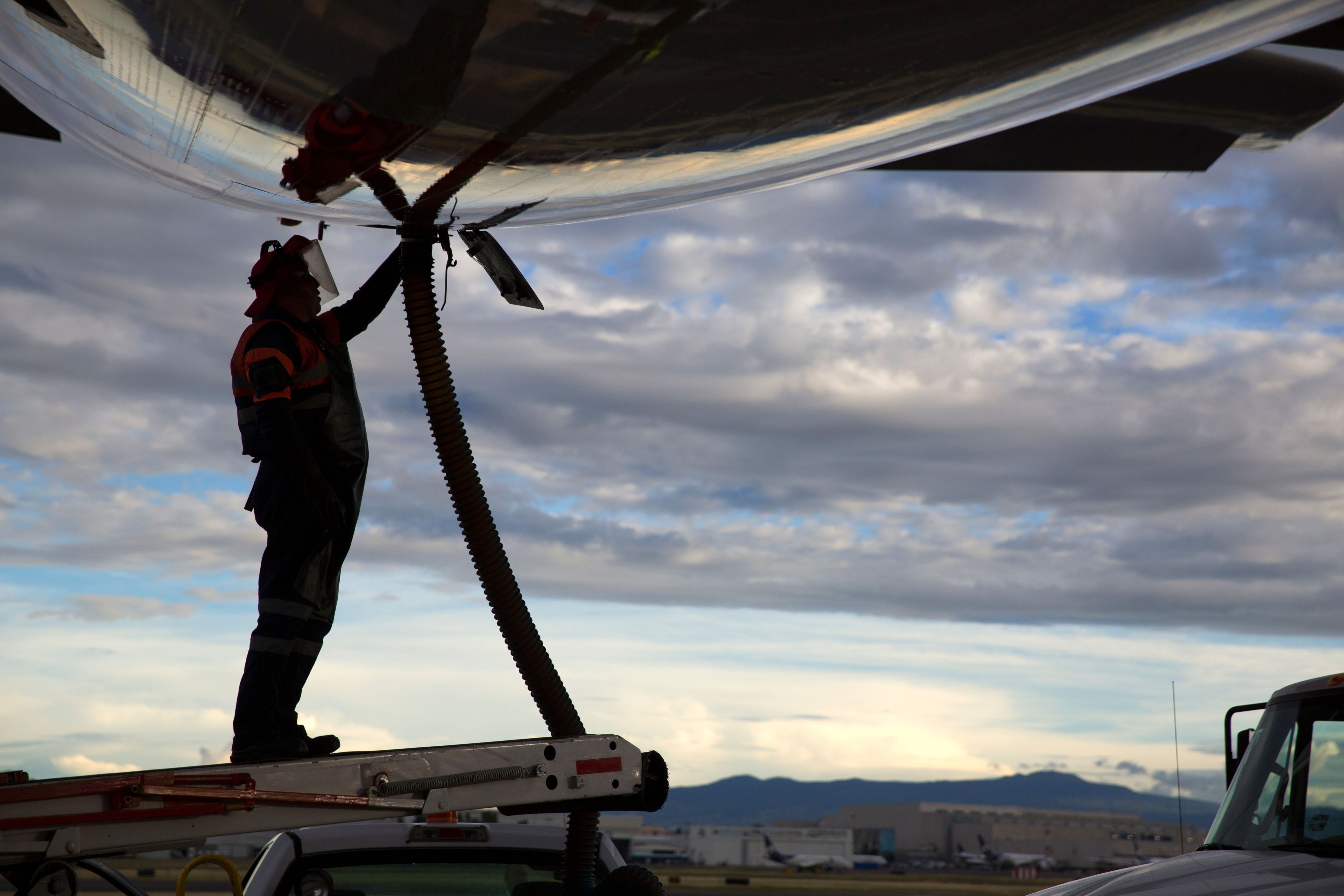

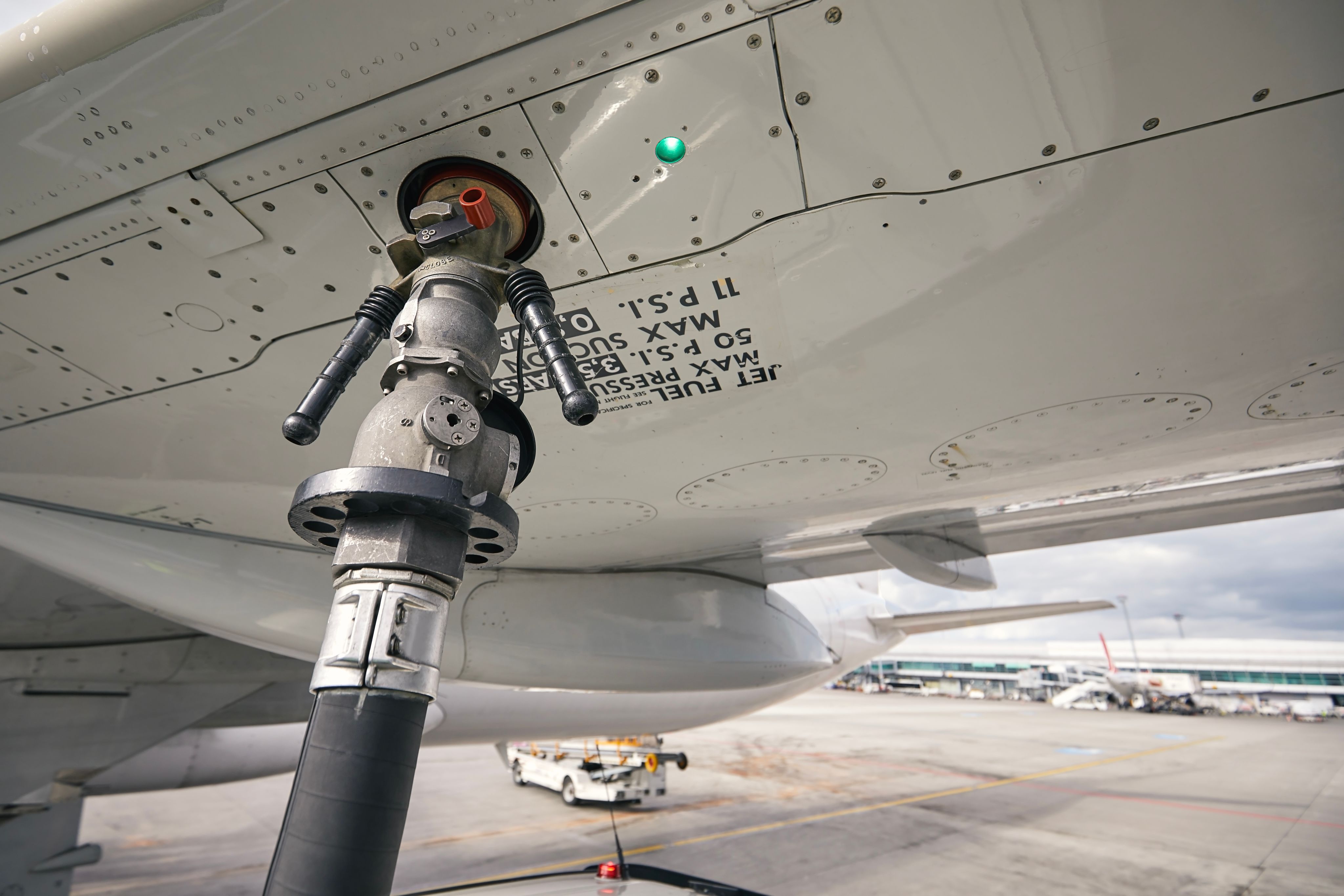
The spike in the price of airline fuel, stemming from the US-Israeli war with Iran, has raised the stakes for international associations wondering where to hold their next annual congress. For organisations used to the familiar tread of rotation patterns and long-term planning cycles, the impact of (permanently?) higher airfares on budgets and congress attendance is yet another factor to throw into the mix.
A quick recap. The Gulf is a major source of aviation fuel, accounting for about half of Europe's imports. Most of it comes through the Strait of Hormuz – a passage of water spanning just 24 miles at its narrowest point - which is currently blockaded by both Iranian and US forces.
According to the International Air Transport Association (IATA), fuel accounts for around 25-30 per cent of airline operating costs, but in times of disruption it can rise well above that. The effect can already be seen in ticket prices. Analysis cited by Reuters shows that fuel costs have added around €88 per passenger on long-haul flights from Europe since the crisis began, pushing up fares on routes such as Paris to New York by roughly €129. Airlines are signalling more to come, with fares potentially rising by 20 per cent.
For meeting planners, there are two main issues here: affordability and accessibility.
While business travellers (including conference delegates) are seen as less 'price-sensitive' than leisure travellers, the reality is more complex. Delegates may not be hammering their own wallets, but they are still constrained by organisational budgets. Organisations are under pressure to justify travel spend and demonstrate return on investment. When airfares rise significantly, trips once deemed essential come under scrutiny. Business travel is scaled back when necessity demands, resulting in smaller delegations, fewer junior attendees, or just more selective participation in international events throughout the year.
Rising fuel costs do not just push up ticket prices; they also reshape airline networks. Faced with higher operating costs, carriers may cut unprofitable routes or reduce frequencies, particularly on long-haul services. This is already being seen in parts of the market. Lufthansa, for example, has cut capacity significantly, cancelling around 20,000 flights as it adjusts operations. Fewer direct routes and reduced connectivity make some destinations harder to reach and less attractive for congress organisers.
This is where destination choice becomes critical. Associations have always been price-sensitive when selecting host cities, but the current environment amplifies that sensitivity. A destination that requires multiple connections or relies heavily on long-haul travel becomes harder to justify when both cost and complexity are rising.




Regions most exposed to the current situation are those heavily dependent on long-haul connectivity and transit traffic. Regions with strong short-haul networks and alternative transport options may prove more resilient. Europe benefits from a dense network of rail connections that can partially offset air travel disruptions. While not a complete substitute for long-haul delegates, it does provide flexibility for regional attendees and can help sustain overall participation levels.
North America also has a relatively robust domestic aviation market, which may cushion some of the impact. However, transatlantic and transpacific travel, key for many international congresses, remains exposed to fuel price volatility.
Asia presents a mixed picture. Major hubs such as Singapore and Hong Kong are well-positioned in terms of connectivity, but their reliance on long-haul traffic makes them sensitive to fare increases. Emerging destinations may struggle to compete if higher travel costs deter international delegates.
A critical unknown is the duration of the crisis. If disruption in the Strait of Hormuz proves short-lived, the impact may be limited to a temporary spike in prices and short-term capacity adjustments. A prolonged closure or sustained instability would have deeper consequences. Airlines typically hedge fuel purchases to mitigate volatility, but these hedges are time limited. Analysis suggests many carriers have only a few months of fuel hedged at any given time.
Beyond that, they are exposed to market prices, meaning sustained increases will inevitably feed through into ticket pricing. And the longer prices remain elevated, the greater the risk of behavioural change. If customers become accustomed to paying more for flights, airlines may find it easier to sustain higher fares even after fuel costs stabilise. In fact, the CEO of United Airlines, Ed Bastian, candidly said the airline would ‘retain any of the pricing strength’ gained during the current crisis, and that ‘lowered fuel prices’ would therefore help them boost margins. His statements may have provoked anger amongst customers but reflect reality.
For associations, this raises strategic questions. If higher travel costs are significant and do persist, existing conference models may need to adapt. Hybrid formats, greater regionalisation, and more careful rotation of destinations could help mitigate risk and maintain accessibility.
At the same time, if delegates are paying more to attend, expectations will rise. Associations that can clearly demonstrate tangible benefits, whether through networking, content, or business outcomes, will be better placed to sustain attendance.
What is clear is that the assumptions underpinning global mobility are shifting. For a sector built on bringing people together across borders, that shift could have lasting consequences.