GCB: Collaboration and resilience key to success
Global uncertainty, increasing sustainability expectations and shifting demand from organisers are putting pressure on conference destinations, but the German Convention Bureau has a plan to remain competitive


Global uncertainty, rising sustainability expectations and shifting expectations from event organisers mean that the demands placed on conference and congress destinations are rapidly changing, says Matthias Schultze, managing director of the German Convention Bureau (GCB).
Here, together with venues and destinations, he illustrates how the GCB is reacting to the changes to secure its long-term competitiveness.

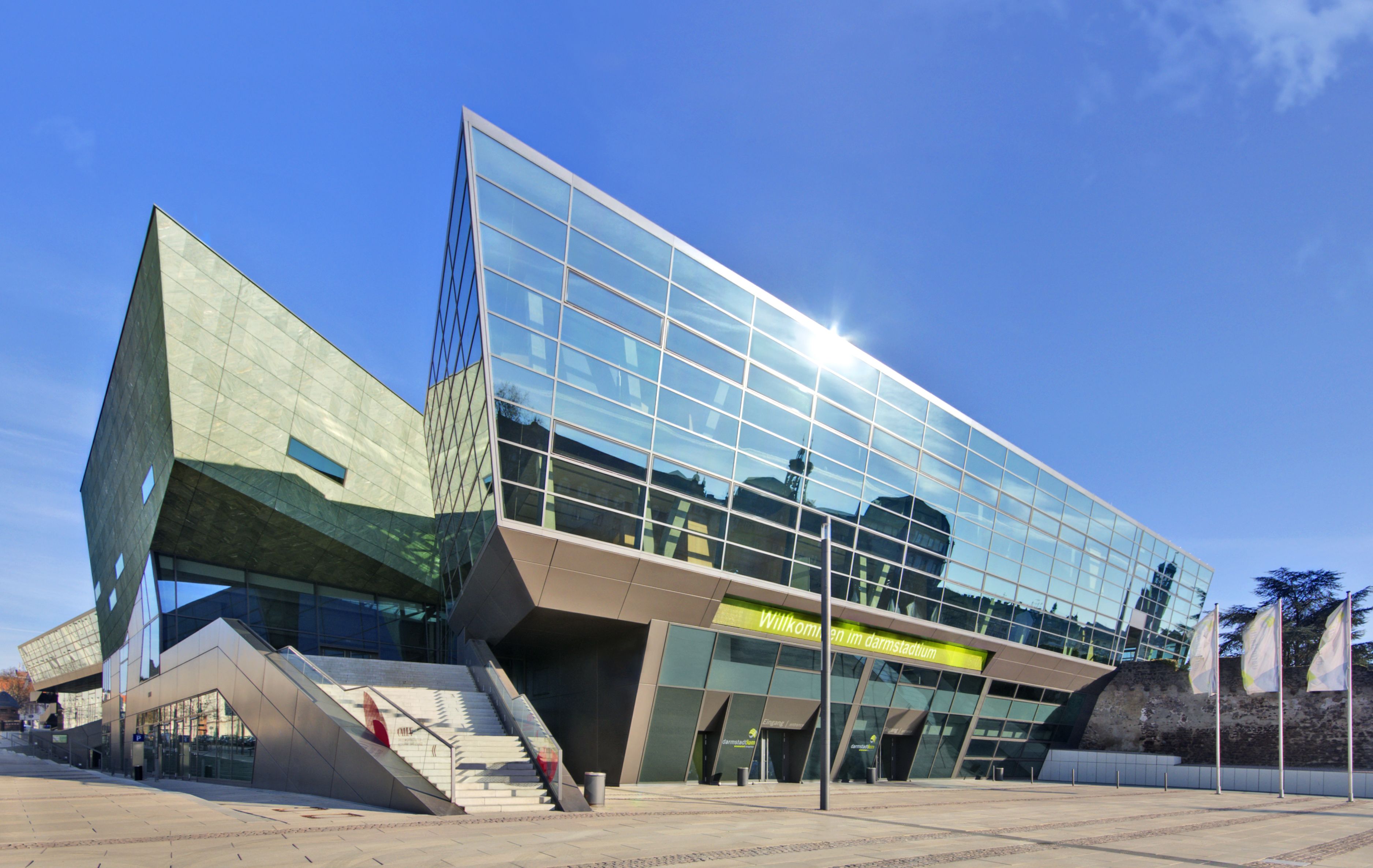
darmstadium. Credit: darmstadium
darmstadium. Credit: darmstadium
Collaboration
Effective collaboration is fundamental to innovation and sustainable development in the business events sector. darmstadtium, a congress centre in the city of Darmstadt near Frankfurt, has embedded knowledge sharing and learning across departments and teams in its DNA. Its close ties with the Technical University of Darmstadt play a key role, enabling expertise and innovation from across academic disciplines to feed directly into the ongoing development of the event venue.
The Schleswig-Holstein Convention Bureau, part of the tourist board of the northern German state of Schleswig-Holstein, likewise places collaboration at the heart of its operation. Working across business, academia, government and tourism, it prioritises transparent processes, clearly defined roles and long-term partnerships. Shared goals and open communication are key success factors, while collaborative formats such as topic-based working groups and joint pilot projects, for example in the area of sustainable events or science-led conferences, have been particularly successful: “They prove that collaboration delivers its full impact when trust and reliability extend beyond formal partnerships,” says Enrique García Ríos, manager of the Schleswig-Holstein Convention Bureau.
At the Frankfurt Airport Marriott Hotel and Sheraton Frankfurt Airport Hotel & Conference Center, collaboration acts as a catalyst for innovation. Involving partners from the earliest brainstorming stages – or “co-creation from day one” – together with a culture of openly sharing knowledge and tackling challenges creates genuine synergies. Successful partnerships with event stakeholders and the long-standing cooperation with the GCB highlight how collaborative approaches strengthen Germany as a destination and enable complex events to succeed.

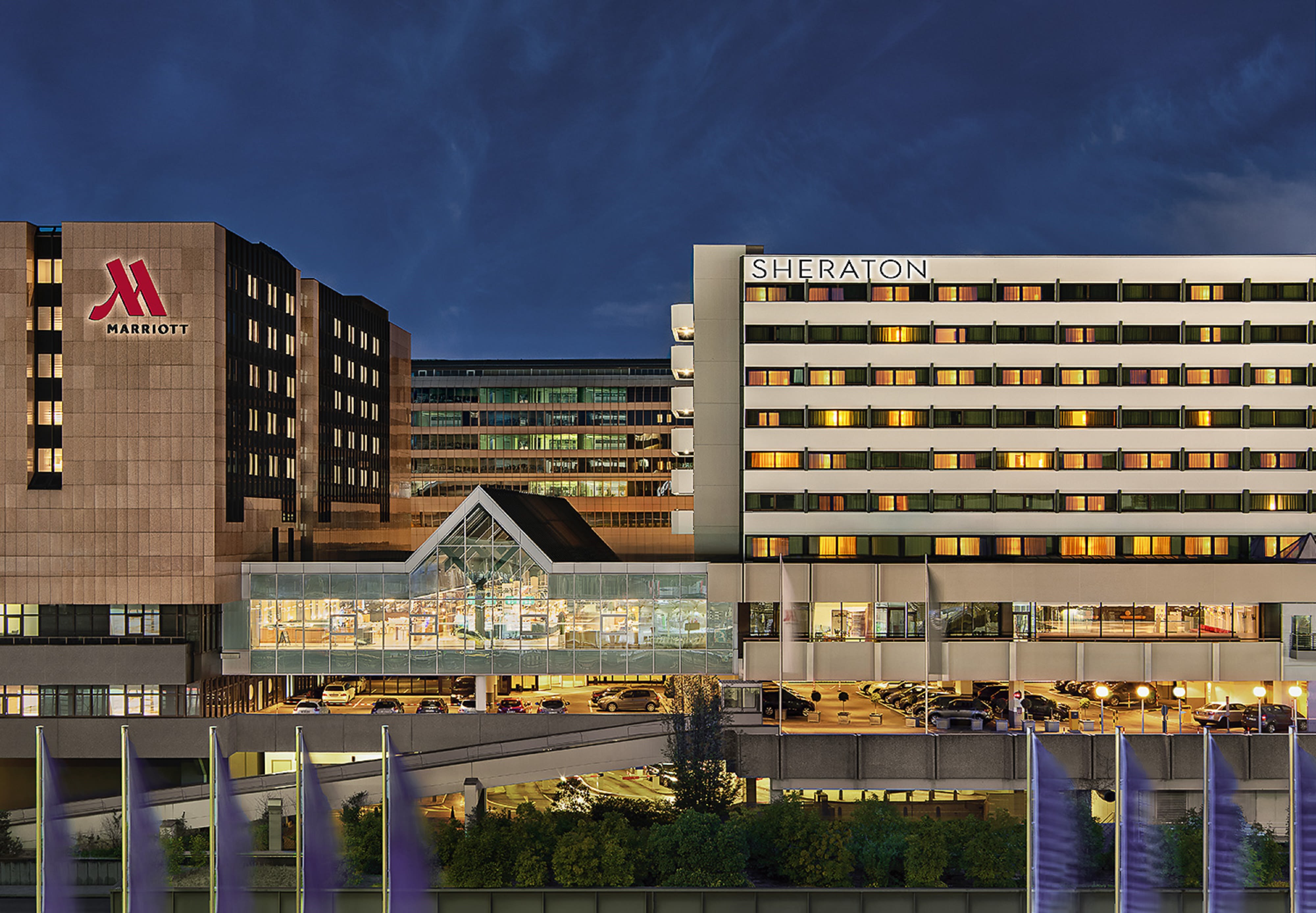
Sheraton Marriott Frankfurt. Credit: Matthias Hamel
Sheraton Marriott Frankfurt. Credit: Matthias Hamel
The Thuringia Convention Bureau fosters collaboration through a strong and active network, maintained via meetings, webinars and training initiatives. Alongside close cooperation with venues, hotels and specialist service providers, engaging with MICE colleagues across Germany and maintaining a dialogue with the GCB are central.
These collaborations rely on transparency, honesty and treating all partners as equals: “Open dialogue – whether in digital get-togethers, at annual in-person meetings or through direct, informal channels – has proven particularly valuable,” says Kristin Beinarowitz of the Thuringia Convention Bureau.
H World International also views collaboration as a key success factor and highlights the importance of clear and structured communication.
“Summarising key points and defining concrete next steps ensures alignment across all stakeholders involved – whether corporate clients, partners, or our teams at hotels such as Steigenberger Hotel Munich or Jaz in the City Stuttgart,” explains Rob Oudshoorn, vice president sales.
The company also places strong emphasis on face-to-face interaction, which remains essential for successful collaboration, particularly when working on complex MICE projects across its German hotel portfolio.

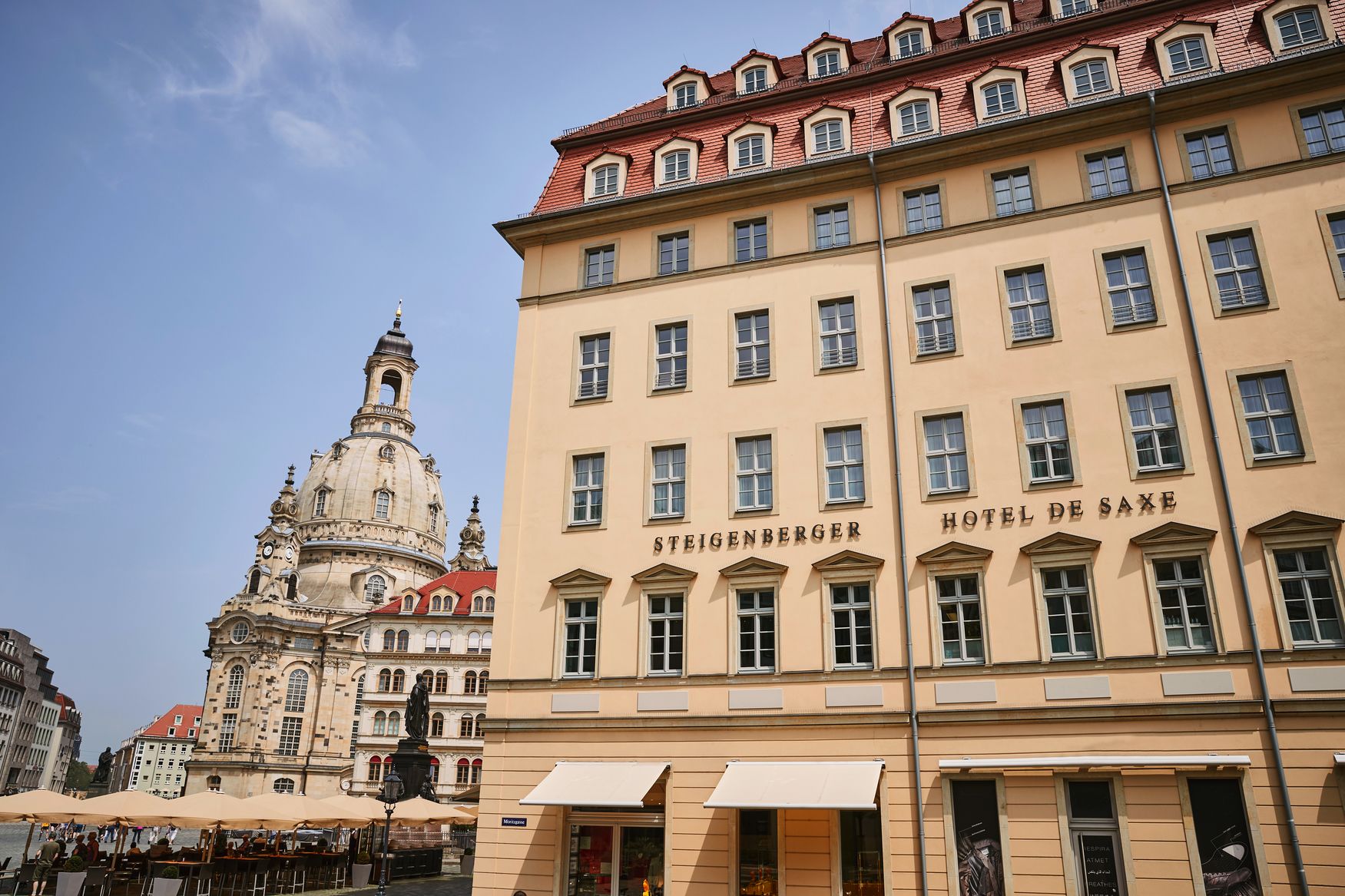
Steigenberger Dresden. Credit: H World International
Steigenberger Dresden. Credit: H World International
Resilience
Resilience – whether economic, environmental, social or workforce-related – is about more than withstanding crises. It is the ability to adapt continuously and emerge stronger from change.
For H World International, resilience is built through strong partnerships and openness to change. Close collaboration with the GCB, as well as with other players across the entire travel and event ecosystem, enables the company to explore new market trends and continuously adapt to evolving client needs. Event organisers and planners benefit from these robust partnerships, as fast response times and flexibility throughout the planning and execution phases help reduce risks and ensure more resilient events.
The EMASplus-certified darmstadtium strengthens resilience by advancing sustainability across all three pillars throughout the entire value chain. Measures supporting ecological, social and economic resilience are communicated transparently and continuously refined. Event organisers benefit from expert support in sustainable event management, including certification under the Blue Angel ecolabel for events.
The Schleswig-Holstein Convention Bureau approaches resilience as a strategic, organisation-wide focus area. A broad market focus and the promotion of knowledge-based, year-round events help reduce economic dependencies. Sustainability criteria, partnerships with certified suppliers, and investment in skilled talent, accessibility, flexible working models, and a culture of learning and openness all contribute to greater resilience.
Similarly, the Thuringia Convention Bureau adopts a cross-departmental approach, with a focus on sustainability, accessibility, and emerging work and travel trends such as bleisure and workation. Training and knowledge sharing within its partner network enable organisers to deliver events that are structurally, operationally and conceptually robust.
“Resilience, for us, is fundamentally about adaptability,” explains Rick Enders, general manager of the Frankfurt Airport Marriott Hotel and Sheraton Frankfurt Airport Hotel & Conference Center.
“At a dynamic location like Frankfurt Airport, we see every day that responding flexibly to the unexpected is key.”
Internally, this is supported by forward-looking energy management and an open team culture that promotes diversity, accessibility and talent development. Clients benefit from flexible room concepts and hybrid solutions that can be adapted at short notice.

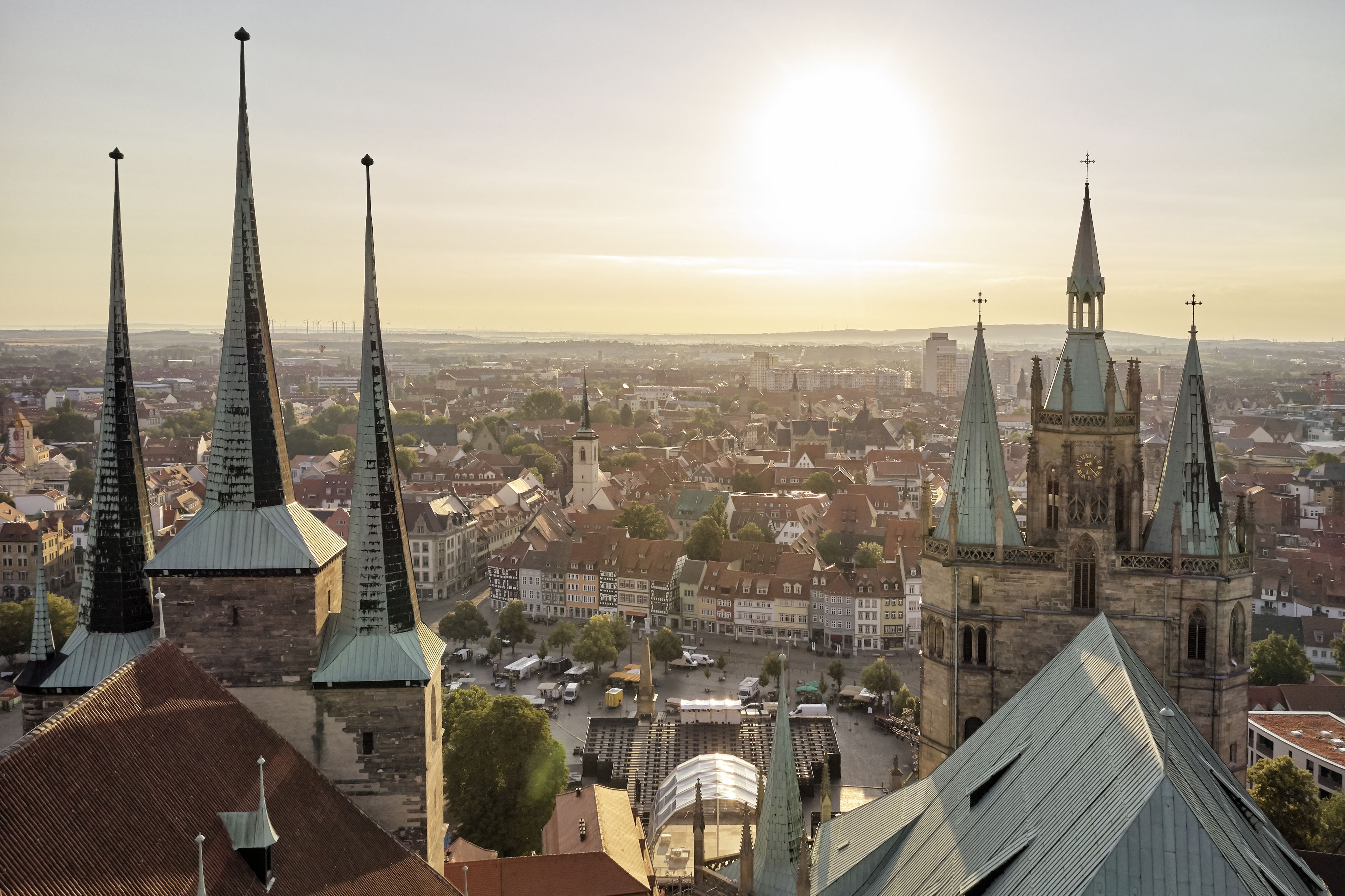
Thueringen Erfurt. Credit: Florian Trykowski
Thueringen Erfurt. Credit: Florian Trykowski
Ambitions
In 2026, the GCB partners are setting clear strategic priorities focused on innovation, international visibility and sustainable development.
darmstadtium is aiming to raise its profile internationally, seeking to attract more EMEA conferences to the Frankfurt Rhine-Main region.
Schleswig-Holstein is positioning itself as a destination for knowledge-driven, sustainable and resilient events, focusing on sectors such as renewable energy, the maritime economy, life sciences, digitalisation and healthcare. The region is also being promoted as a testing ground for innovative event formats, from climate-friendly mobility solutions to hybrid knowledge-sharing formats and regionally embedded value chains.
H World International, too, is committed to strengthening Germany’s international position as a destination for business events and The Marriott Group's Frankfurt Airport hotels are putting global connectivity and enhanced guest experiences front and centre for 2026.
The new SkyLine connection to Terminal 3 creates a significant competitive advantage for international events, as the Frankfurt Airport Marriott Hotel and Sheraton Frankfurt Airport Hotel & Conference Center will be the only hotel with seamless links to all terminals as well as the long-distance ICE railway station. New culinary concepts are designed to further enhance the venue’s appeal.
The Thuringia Convention Bureau, meanwhile, is highlighting nature, culture and innovation as key regional strengths, with a particular focus on “healthy meetings”, combining sustainable event formats with wellbeing and productive working environments.