
Destination marketing in the digital age
How DMOs are utilising smart data to build trust, inform strategy and strengthen communities


As the industry evolves in response to seismic shifts in workforce needs, traveller expectations and public accountability, Jane Cunningham, director of European engagement at Destinations International, explores the ways DMOs are utilising smart data to build trust, inform strategy and strengthen communities.
Research and insight functions were once viewed as backward-looking reporting tools, but now destination leaders use them as forward-facing strategy drivers. Today, data is transformed into something actionable that can build trust and inform decisions, guiding long-term direction.
Telling the right story to the right audience
For many organisations, the journey toward more strategic, inclusive data use begins with storytelling. The role of the modern research professional extends beyond analysis – it now involves translating complex datasets into clear, actionable insights that engage and inform stakeholders. This challenge is especially relevant when addressing local communities as many residents remain unaware of how tourism contributes to the local economy.
Internal communication is more nuanced, requiring tailored messaging for governments, cultural partners and residents. This involves blending formal updates with more personal interactions to share insights and build trust.


Jane Cunningham
Jane Cunningham


Photo by Elena Mozhvilo on Unsplash
Photo by Elena Mozhvilo on Unsplash


Montenegro. Source: Adobe Stock
Montenegro. Source: Adobe Stock
Example: The National Tourism Organisation (NTO) of Montenegro has strengthened its analytical and digital capacities through projects that enhance understanding of visitors’ perceptions and satisfaction. A new project will see it collect and analyse guest reviews on multiple digital platforms to identify visitor sentiment trends and evaluate service performance, which will enable it to recognise strengths and address areas for improvement. This approach contributes to more responsive and guest-oriented destination management.
How custom data tools are driving smarter internal communication
Data is just as essential internally as it is externally. It is essential to equip departments, especially sales and marketing, with timely, usable insight.
Example: Michael Ruzicka of Visit Dallas described how his team built a bespoke dashboard in collaboration with hotel partners to address the specific needs of the hotel community and public improvement district board.
He says: “The key is understanding what each audience really wants to know and how you can help them. This is not just about what we are trying to tell them. It is also about building trust by showing how we can support them.”
At Visit Greenville, sales staff were encouraged to go beyond transactional meetings and engage hotels with more strategic conversations. Using data to target the right groups at the right time helped improve both alignment and outcomes. Dashboards became tools not only to track KPIs but to drive collaboration and smarter decision making.


Photo by Campaign Creators on Unsplash
Photo by Campaign Creators on Unsplash
Photo by Campaign Creators on Unsplash
Photo by Campaign Creators on Unsplash


Photo by Christina @ wocintechchat.com on Unsplash
Photo by Christina @ wocintechchat.com on Unsplash
Photo by Christina @ wocintechchat.com on Unsplash
Photo by Christina @ wocintechchat.com on Unsplash
How data can breathe life back into the boardroom
Destination boards of directors are increasingly diverse, with members from government, small businesses, attractions, hotels and airports. As expectations grow more varied, many organisations are looking for clearer ways to define and demonstrate impact. Some have turned to established frameworks and tools such as our Event Impact Calculator which estimates net new visitor spending and calculates return on investment to local taxes. Others have developed simpler, story-led dashboards or visual reports that connect data to community priorities, using real-world examples rather than spreadsheets to help board members grasp both strategic context and local value.
Example: When he joined Visit Greenville, Heath Dillard introduced a monthly data report for the board. It was simple, digestible and focused on shared priorities. The aim was not to spend meetings reviewing figures but to equip members to engage in meaningful discussions about impact and direction. Dillard’s experience shows that data alone does not persuade – but when aligned with goals, and clearly communicated, it can shift from passive oversight to active advocacy.
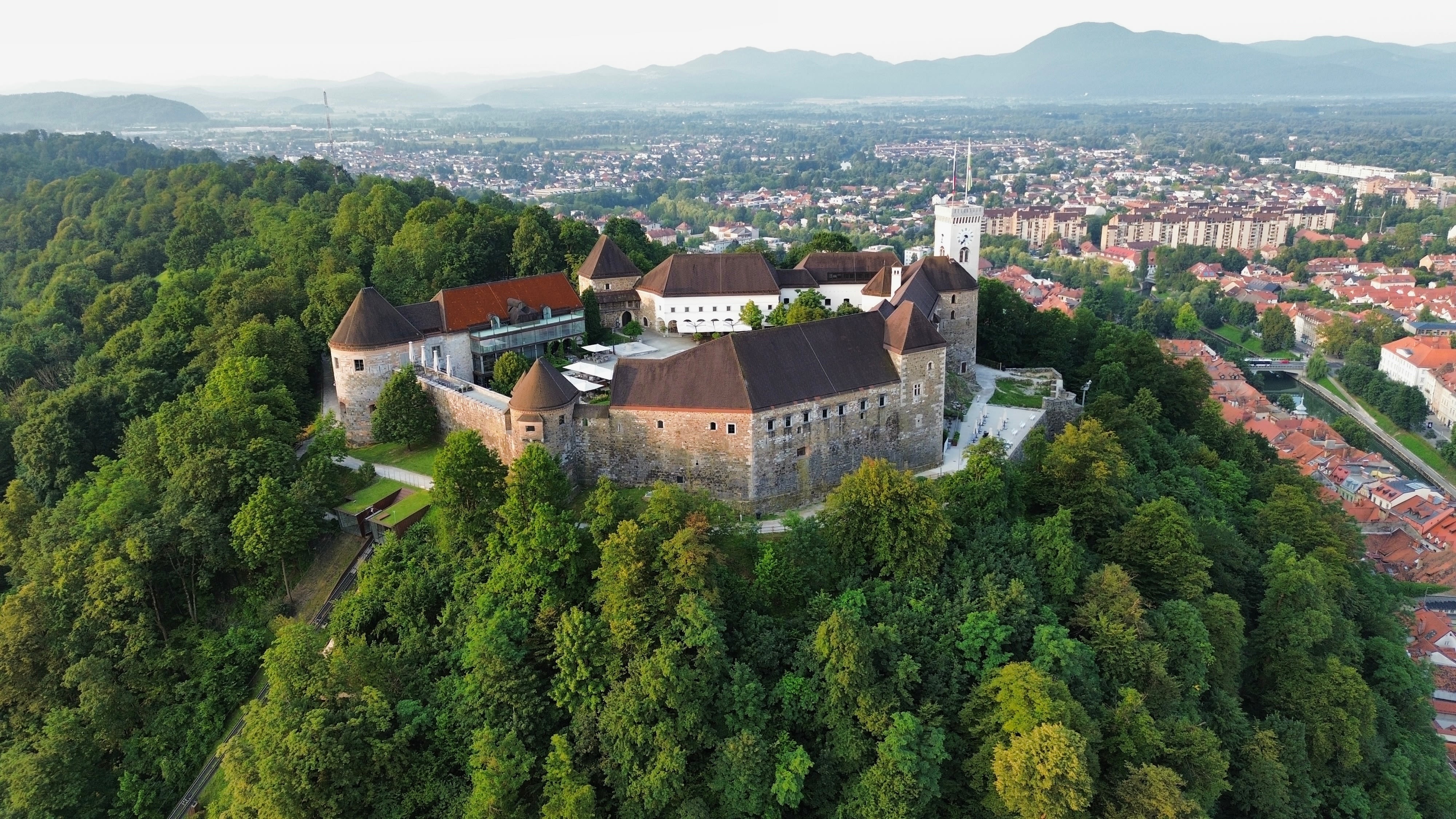
For Visit Ljubljana, data has become a vital strategic resource. It enables a better understanding of visitor flows and assessment of tourism pressure across different parts of the city, as well as guiding development in ways that deliver long-term benefits for residents, visitors and the environment. Integration of multiple data sources into a single, unified platform, Ljubljana FLOWS allows the organisation to monitor visitor patterns, track key events and make informed decisions that foster balanced, sustainable growth.

Painting an authentic picture, not a perfect one
In today’s climate of economic uncertainty and rising public scrutiny, destination organisations face a complex and rapidly shifting travel landscape. To stay ahead, they must adapt, and lead with clarity and purpose.
Whether the data reveals success or setbacks, the role of a destination organisation is not to paint a perfect picture but to present an honest and helpful one.
The future of destination management will not be defined by how much data is collected, but by how wisely it is applied. As destinations continue to navigate digital transformation and increasingly sophisticated audiences, the opportunity is clear. Insight, used well, has the power to guide destinations through complexity and into lasting impact.