"You can't afford not to take a stand..."
Seven lessons from Ukraine for international associations
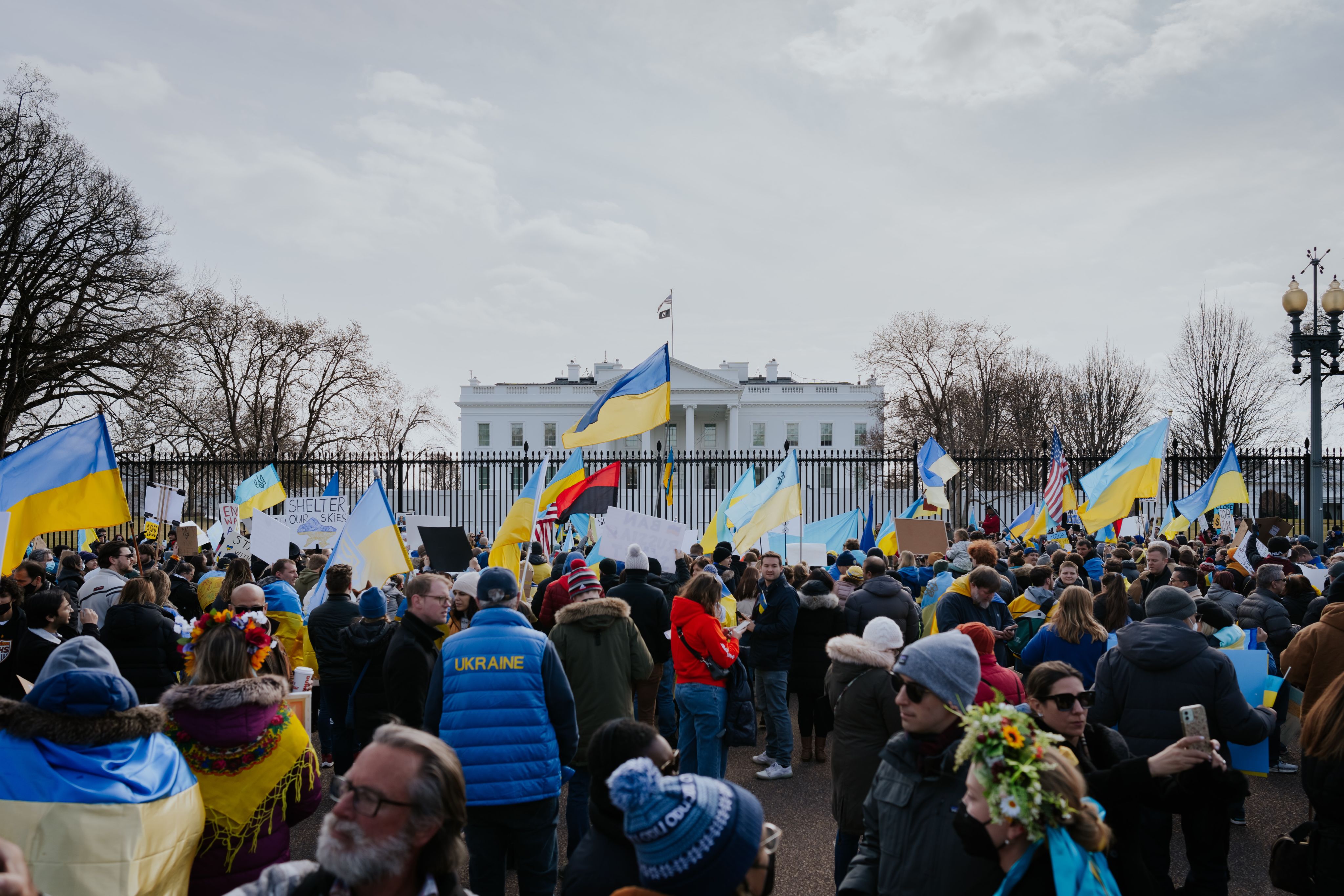

The past weeks have been horrific, first and foremost for the people of Ukraine but also for all democratic citizens across the world. It has been a tumultuous time for European and International Associations too, with Russian or Belarusian members, exhibitors or events planned. Associations were forced once again to take hard decisions fast, and hold difficult discussions with their Boards, members and other stakeholders about terminating or suspending long-standing and sometimes lucrative collaborations.
Here are some thoughts:
1) You can't afford not to take a stand.
Several Associations tried to shy away from taking a clear position, either by declaring that they remain apolitical, or by making a lukewarm statement that quickly left them open to criticism. Both can have detrimental consequences to an Association's reputation, especially at a time when all of us are so much exposed to scrutiny via the communication channels we use. Several Associations managed to stay out of politics for years, with relative success, but this time the threat is too imminent and the atrocities too close to home to be able to stay out of it.
2) Staying silent won't protect your members either.
Either your members are Ukrainians, in which case you have every reason to come out in support and activate your network and resources to assist in what is an effort for survival for many of them, or your members and exhibitors are Russian and Belarusian, in which case keeping a low profile is in their best interest. if you keep staying silent, you will end up hurting your members and the reputation of your sector as a whole.
3) They are not coming back any time soon.
It doesn't help sugarcoating it, and a break-up is a break-up. Even if your members claim that they understand why their membership is suspended, you need to take into consideration the gap of information between us and them. Although a decision can be justifiable, it will be hard to recover from losing face. The isolation of Russia and Belarus from the west will last for years or even decades. Associations need to cut their losses, and adjust their business and revenue models accordingly.
4) You need to walk the talk.
An increasing number of Associations has expanded its vision in the past years to embrace social responsibility and the efforts for a more sustainable world economy. There is nothing sustainable in a nuclear threat, and we need to be vocal about it.
5) Be transparent with your decisions.
No matter what decision you take, you need to show your members that this is not one taken behind closed doors. Urgent times call for urgent measures, and Associations are dusting off articles in their by-laws that may never have been used in the past. Although waiting for the next General Assembly before taking a course of action is a luxury we don't have, any decision needs to be adopted by the largest possible majority, and with clear communication to those who will suffer the most immediate consequences. Actions must be well justified and clearly explained, so that there is no room for misinterpretation.
6) We all have a role to play.
Most of us felt utterly helpless and insignificant on the morning of 24 Fabruary. But we are not alone; we are all part of larger groups and organisations. No matter how limited, "every international association today should be thinking about how their own networks can help to influence Russia in the direction of peace. Each application of association soft power will help, no matter how small."
7) Crisis is here to stay.
The Covid pandemic, brought Associations to an era of perma-crisis, and business as usual will never be the case again. This is not one disruption after another any more, this is an enduring condition for which we need to be well equipped. The role and even profile of Association Leaders will be constantly put to the test, and for this brave, new, challenging world in disarray a different, more adaptable and visionary skill set are required from all of us.
About the author:

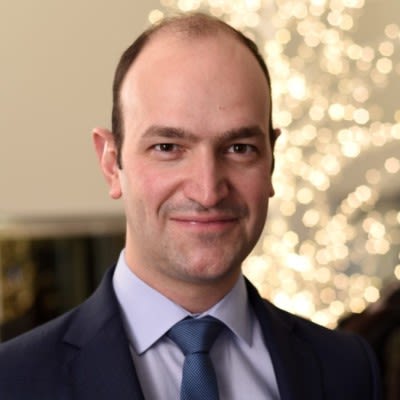
Ioannis Pallas is the Association Manager at ESAE - European Society of Association Executives.
 Built with Shorthand