


Vilnius makes its move
The Lithuanian capital is a city steeped in history, but right now its gaze is fixed firmly on the future, as James Lancaster discovered …
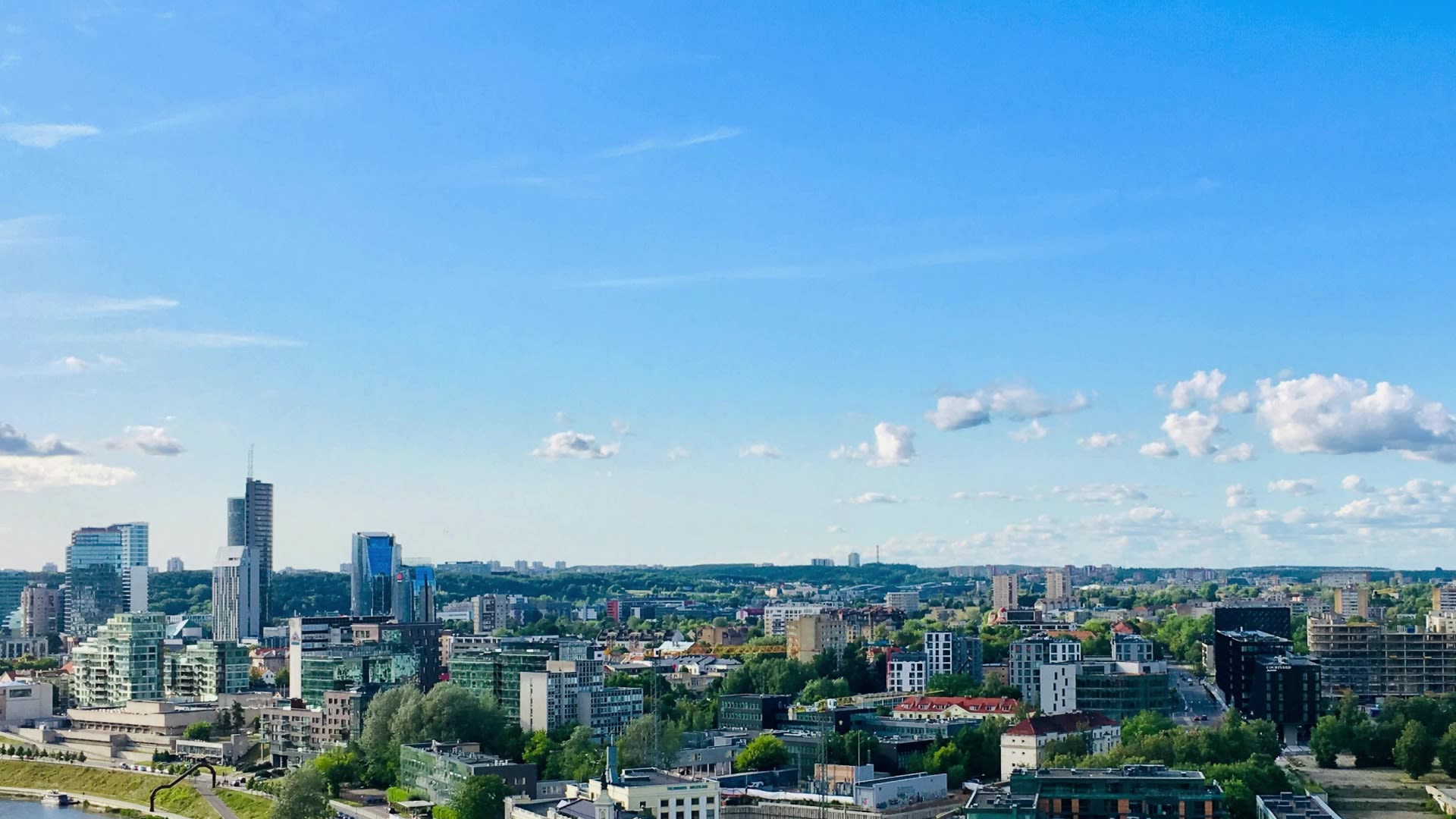

The notion that Europe is ‘weary of history ‘— what the Germans call geschichtsmüde — has crept into the mainstream in recent years, due to what some regard as the continent’s sluggish response to emergent crises. The narrative of a Europe in need of renewal has taken hold.
If this theory were true, you might expect Vilnius — Lithuania’s elegant capital — to be in a state of inertia, gazing into the past, a sign above the city gates reading, ‘Do not disturb!’
After all, Vilnius has seen it all. A potted history goes something like this.
Formerly part of the Russian Empire, Lithuania was occupied by the Germans in World War 1, before gaining independence in 1918. Conflict with Poland saw it briefly occupied in 1919, before it regained independence the same year. In 1940 it was annexed by Soviet Russia before Nazi Germany invaded and gained control a year later. Towards the end of the Second World War the Soviet Army returned, bringing it back under Soviet control until independence in 1990.
Yet, far from being weighed down by history, Vilnius appears to have a spring in its step.
While Lithuania - in common with many former eastern bloc countries - has seen a significant population decline in the last 30 years, Vilnius is bucking the national trend, its population having grown by 13 per cent over the last decade to 607,000, overtaking Riga, in Latvia.
Today, it is not only the largest city in the Baltic States, but also the wealthiest.
GDP per capita is five per cent above the EU average, driven by a thriving startup scene that has flourished in the last decade with four unicorns (those valued at more than $1bn) - including Vinted and Nord Security - emerging in the past five years. Nasdaq, Moody’s and Thermo Fisher Scientific have established a strong presence in the region, which is now home to 1,100 tech companies employing some 40,000 people. Other sectors like FinTech, biotech, and AI are accelerating the city’s rise as an international business and innovation hub.

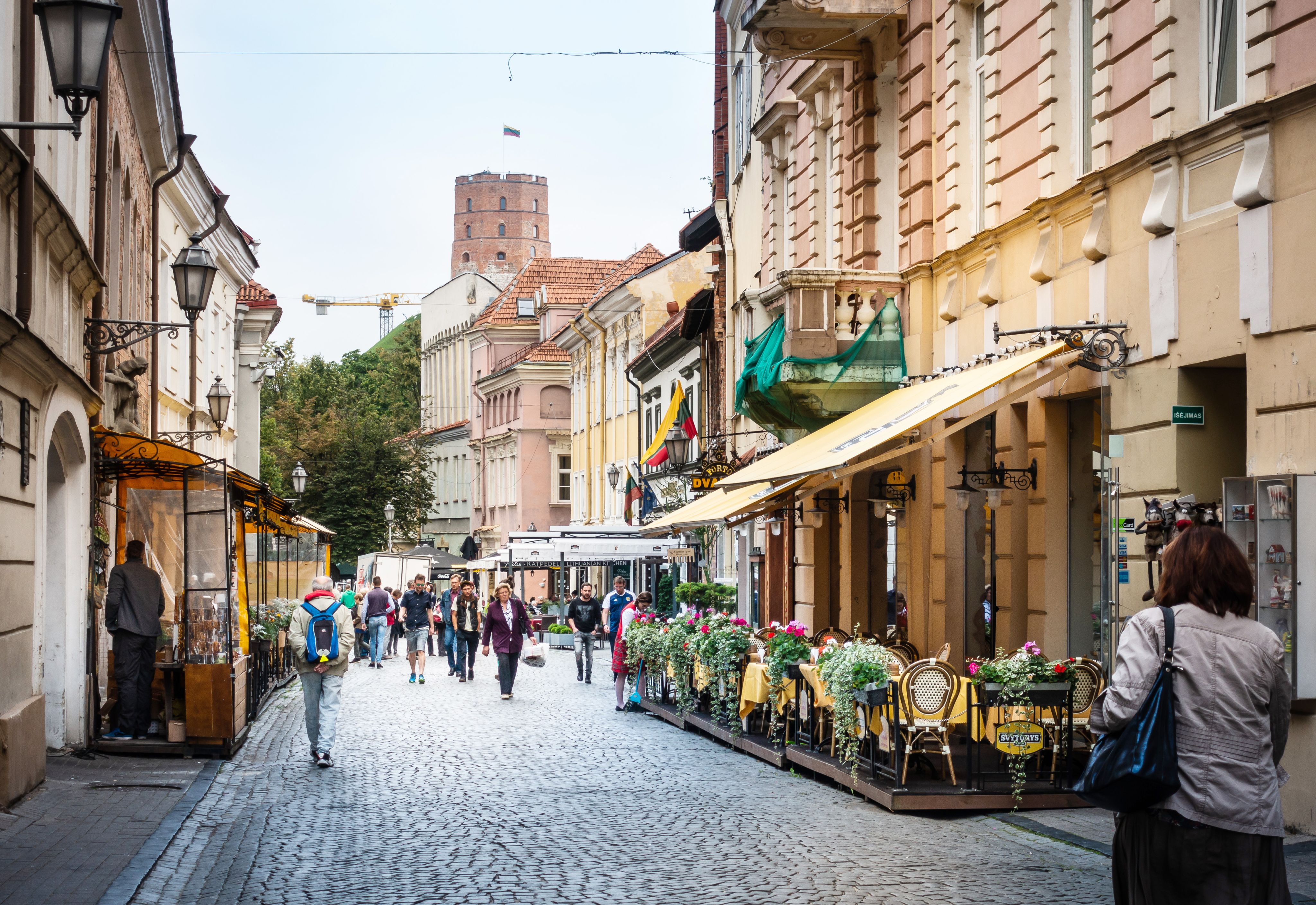
Street view of downtown in Vilnius city, Lithuanian (Photo credit: AdobeStock)
Street view of downtown in Vilnius city, Lithuanian (Photo credit: AdobeStock)
Vilnius, Lithuania map
“With growing demand for talent in the tech sector, Vilnius is investing in education and welcoming specialists from abroad ...”
Dovilė Aleksandravičienė, CEO of Go Vilnius

And meetings mean business
By some metrics, Vilnius is now the Baltics’ leading meetings destination.
According to the ICCA Country & City Rankings 2024, the city hosted 44 internationally rotating association congresses last year, ahead of Tallinn (40) and Riga (32).
More impressively perhaps, it was 29th place in Europe out of over 500 cities.
In total, Vilnius welcomed 561 international conferences and corporate meetings in 2024, attracting 73,000 delegates and generating €75m — a 38 per cent increase year-on-year.
New players are responding to Vilnius’ rising profile in the meetings landscape.
C-IN, a Czech professional congress organiser, has opened a representative office in Vilnius, already securing major congresses and offering end-to-end event support. Meanwhile DMC Nordic, a pan-Baltic destination management company, has launched operations in Lithuania, aiming to deliver authentic and immersive experiences for international clients.
This success is no accident. The city’s Go Vilnius Convention Bureau works closely with organisers to deliver conferences with meaningful legacies — beyond smooth logistics, focusing on social impact, knowledge exchange, and long-term partnerships.

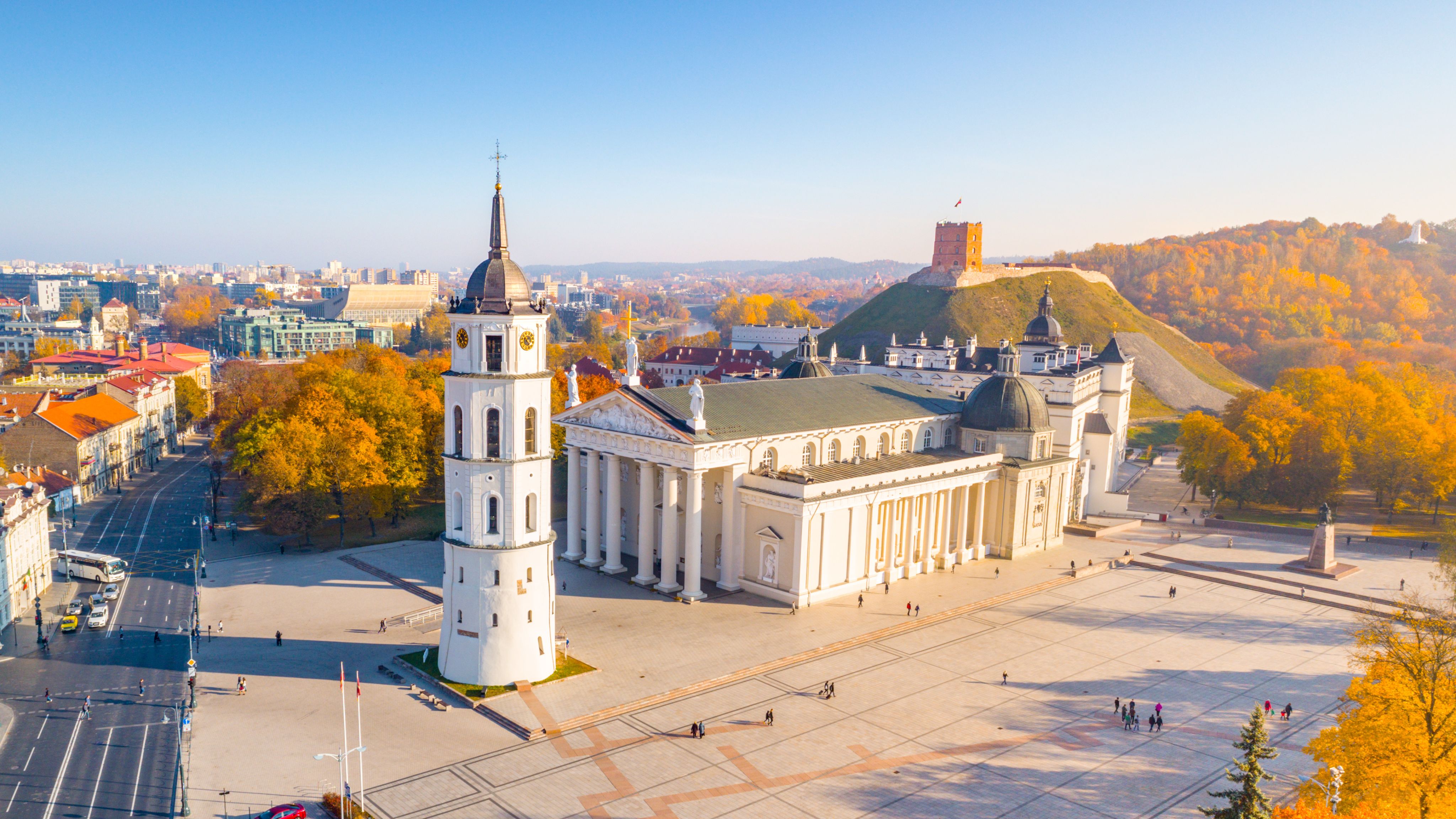
Church of St John and bell tower at Vilnius University, (Photo credit: AdobeStock)
Church of St John and bell tower at Vilnius University, (Photo credit: AdobeStock)


Examples of impactful upcoming events include:
- EDF General Assembly & Conference 2025 – advancing accessibility across Europe.
- ILGA-Europe Annual Conference 2025 – promoting LGBTQ+ rights in an inclusive city.
- ISPCAN Congress 2025 – spotlighting child protection and social justice.
- ECML PKDD 2024 – catalyzing AI research and digital policy.
National support gathering pace
Until now most of the groundwork for attracting conferences was carried out by Vilnius Convention Bureau, part of the marketing agency Go Vilnius! While the Lithuanian Association for Meetings and Events (LKRA) has done a great job uniting key players in the supply side, unlike Latvia and Estonia, there has been no national convention bureau to lend support.
All this could be about to change. In a landmark move, Lithuania’s Ministry for Economics and Innovation has proposed amendments to the tourism law, laying the groundwork for a national convention bureau under the Lithuanian Travel Agency. In a statement, deputy Minister Agila Barzdienė noted that “conference tourism is an untapped potential,” capable of boosting employment, supporting tourism, and elevating Lithuania’s international visibility.
If the amendment passes, it will allow Lithuania – and Vilnius - to compete more competitively for international events, offering a national approach to promotion and funding.
Vilnius’ appeal extends far beyond statistics, however. Named the European Green Capital 2025, it ranks among the top EU cities for air quality, green spaces, safety, and livability, with over 61 per cent of its area dedicated to parks, lakes, and riverfronts.
Smart city innovations — from electric buses to cycling paths — and cultural richness make Vilnius a model of sustainable, people-centric urbanism. According to the 2023 European Cities Quality of Life Survey, it is one of the happiest and most satisfying places to live in the EU.
Vilnius is proving that a city steeped in history can also be a city of the future — agile, ambitious, and profoundly engaged with the world around it. As it grows in size, wealth, and influence, its message to the world is clear: this is a city where meetings matter, and legacies are built.
The rest of Europe may be tired of history. But Vilnius? It’s just getting started.

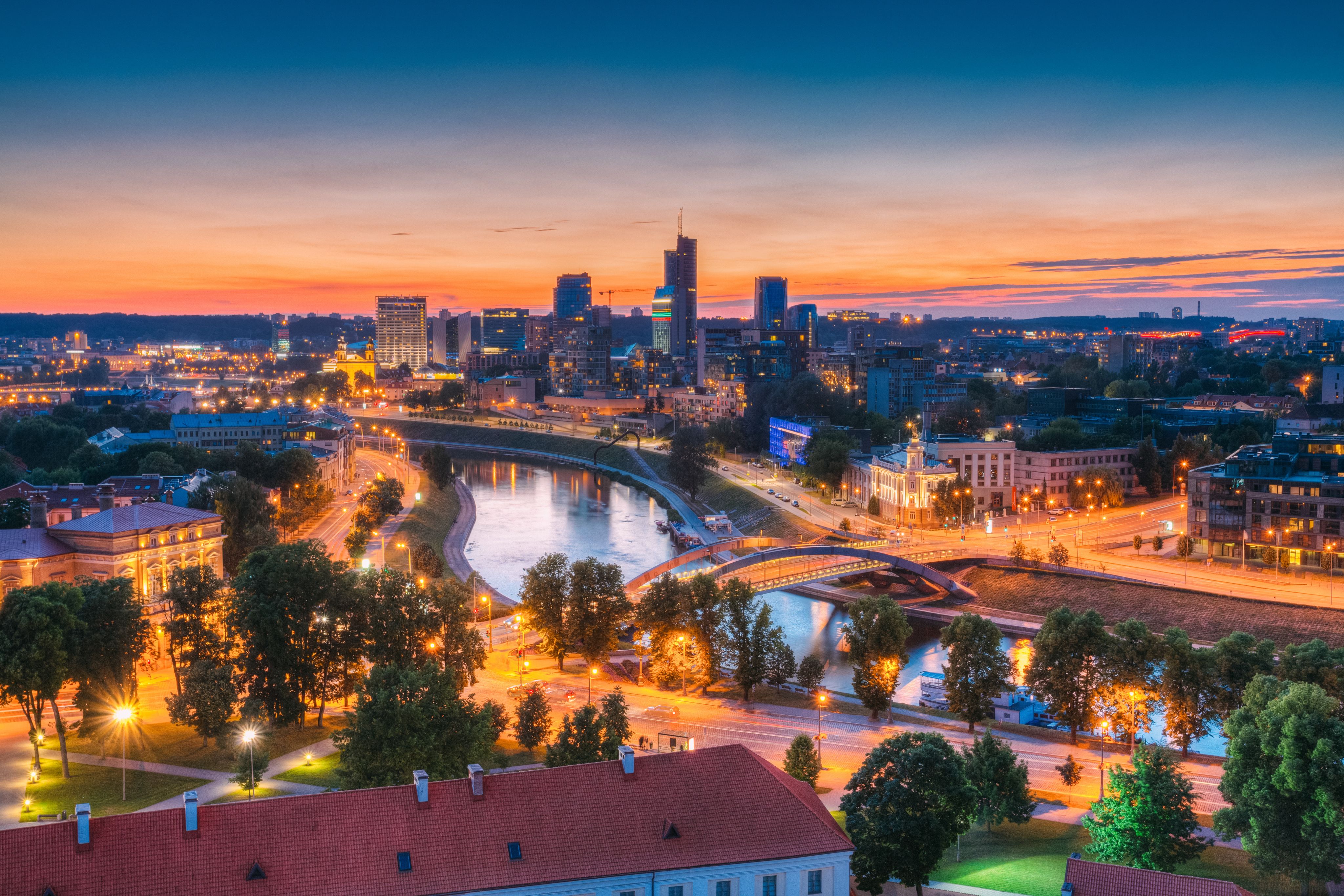
(Photo credit: AdobeStock)
(Photo credit: AdobeStock)

Venues and accommodation update:
Several major upgrades and new openings will expand the city’s delegate housing capacity:
- Radisson Blu Lietuva: Newly completed upgrades include a redesigned lobby and terrace, with final renovations to the 700-person Alfa Hall wrapping in August.
- Radisson Collection Astorija: Recently revamped six meeting rooms and introduced the stylish Astorija Aperitivo Bar.
- Grand Hotel Vilnius (Curio Collection by Hilton): Undergoing full renovation of its conference centre by November.
- AC Hotel by Marriott: Opening this autumn with 271 rooms and capacity for 400 delegates.
- Urbihop Hotel: Expanding room capacity and continuing to support sports-focused events.
- Tech Zity Vilnius Conference Centre: Opening early 2026, offering facilities in a repurposed factory, serving as a flagship venue for the city’s booming tech sector.