


Destination with a difference
To say Tartu punches above its weight would be an understatement. Everyone agrees there’s something special about Estonia’s second city, setting it apart from the rest. Angela Antrobus reports
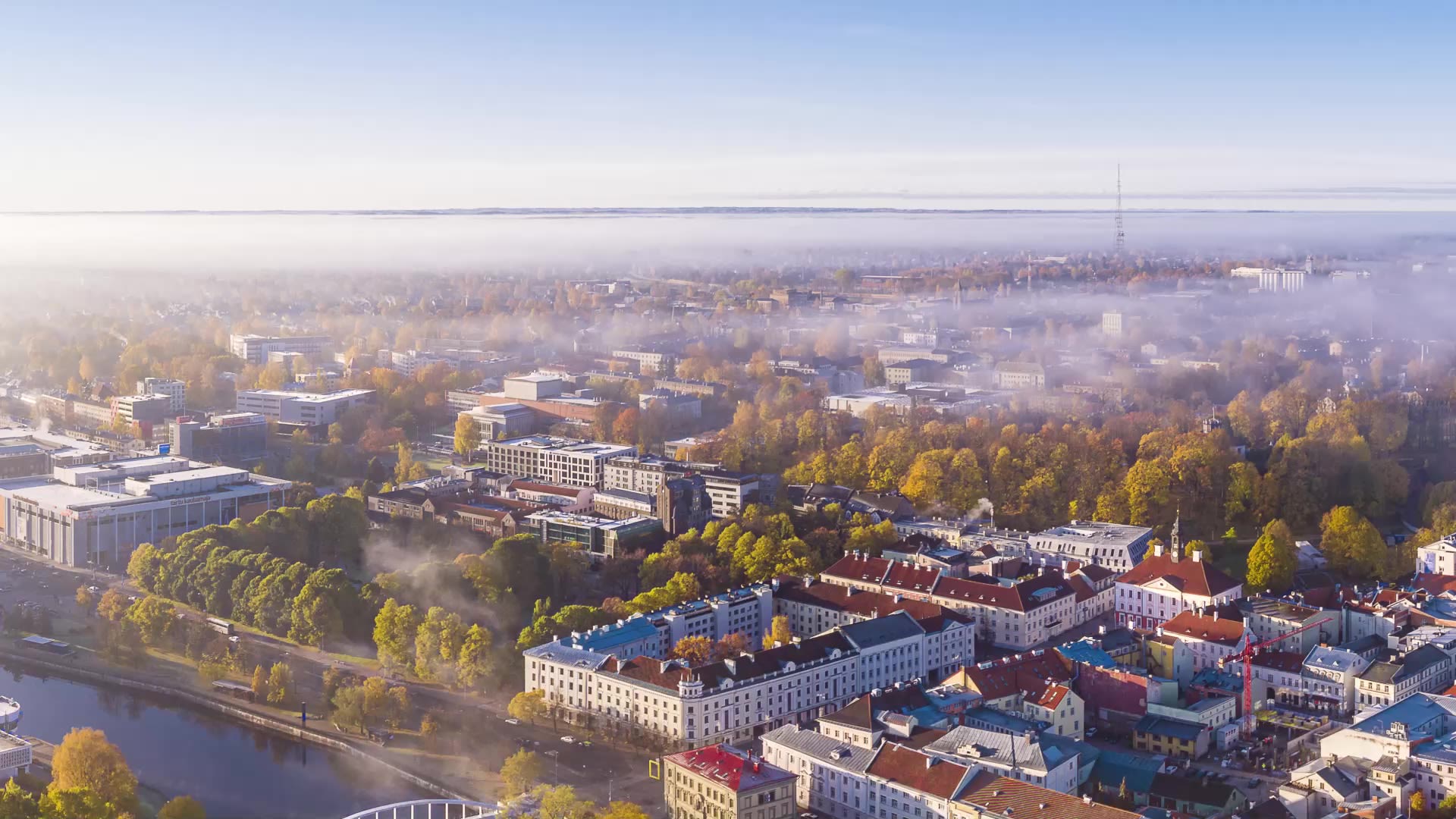

It’s not for large conventions needing a lot of exhibition space, but for small to medium-size meetings Tartu’s well worth investigating.
Situated 187km to the south-east of the Estonian capital Tallinn, or two hours on the train, it’s the country’s second largest city and regarded as the cultural and intellectual capital.
Being named one of three European Capitals of Culture this year with its associated programme of activities has given Tartu a massive boost. As soon as the accolade was announced in 2019, the Estonian Convention Bureau (ECB) leapt into action, leveraging the title in marketing efforts.


“We could incorporate it into international marketing conversations with associations,” says ECB marketing manager Riine Tiigi.
The city was already ahead of the game with its strong Conference Ambassador Programme, launched in 2010 and now with over 800 members. “The ambassadors quickly recognised the opportunity to invite their colleagues for events this year when the destination possesses an added appeal factor,” says Tiigi. The result is a remarkable list of at least 12 international or regional conferences taking place up to September.
So what is it about this relatively small city that sparks the imagination of certain organisations more used to ‘conventional’ destinations?
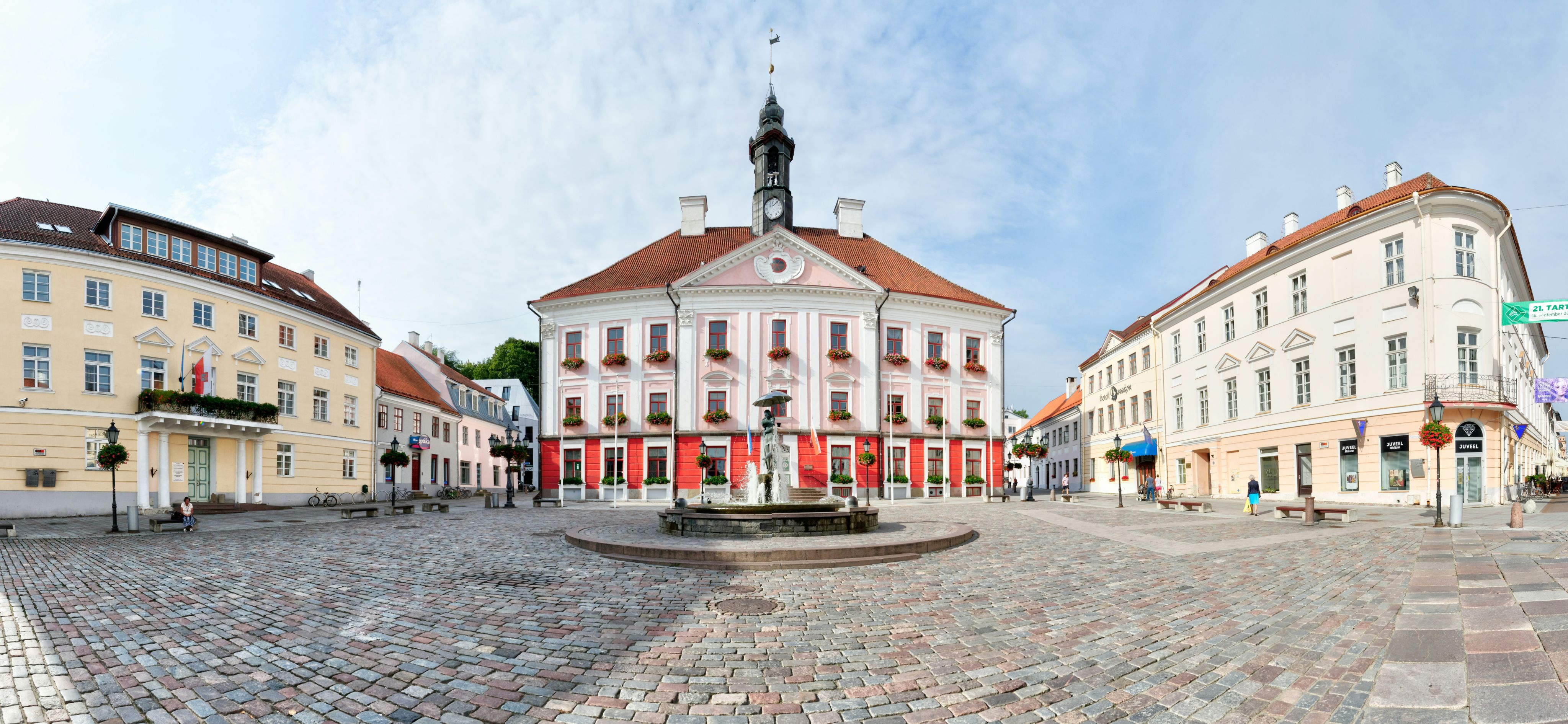
Since the fifth century, Tartu has developed an identity featuring cultural heritage, eye-catching architecture, colourful street art and quirky attractions and, these days, shops, dining and green spaces all within easy strolling distance of event venues and accommodation.

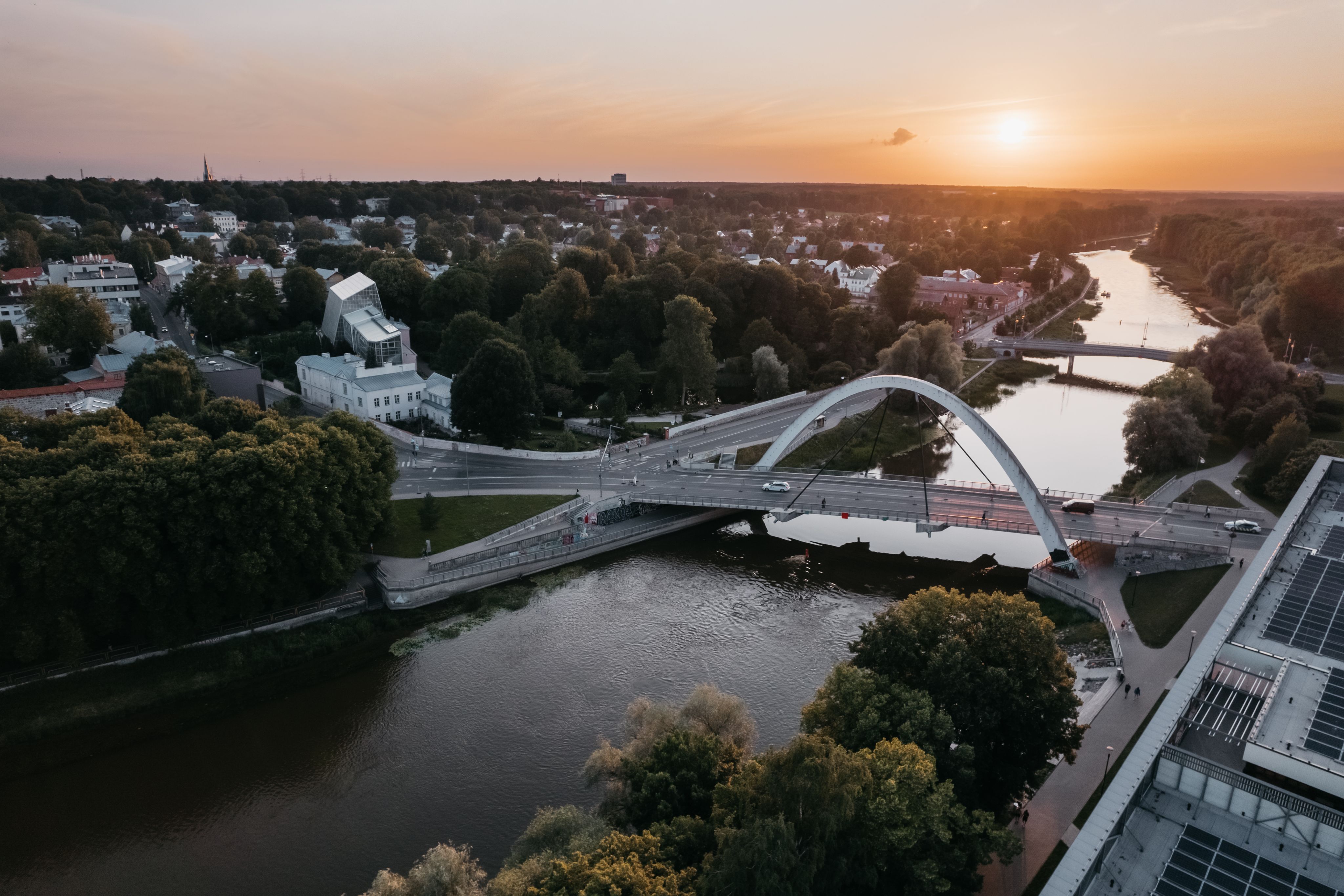
River
River

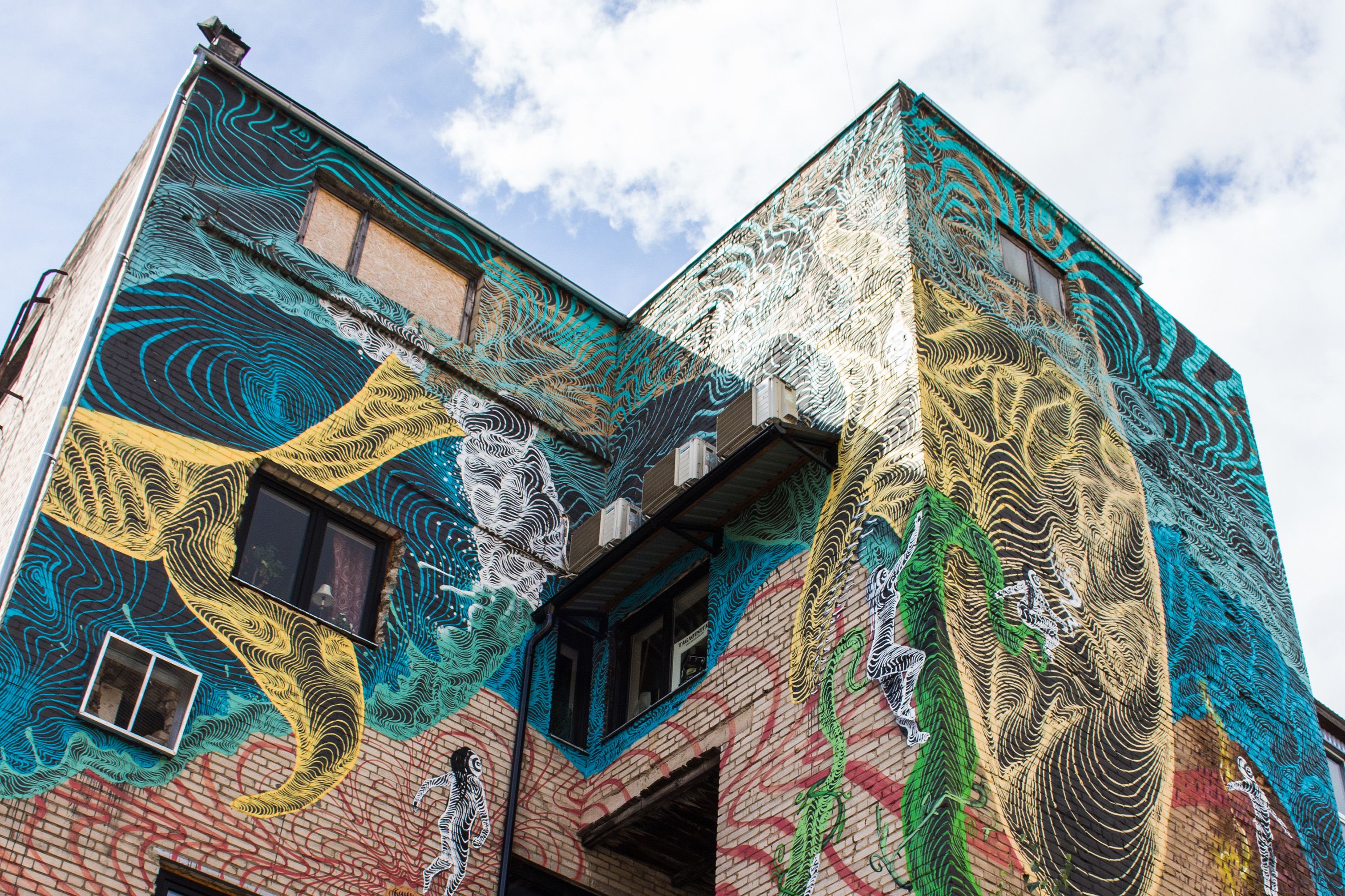
Karlova Street Art
Karlova Street Art
Tartu, Estonia Map
It also has the nickname ‘Smart Town since 1632’ which is when the nation’s top university, the University of Tartu, was founded. The Estonian University of Life Sciences is also based there along with 11 other educational establishments. The city is now implementing a variety of ‘smart city’ projects with the aim of being carbon neutral by 2030.
Last November, Helen Kalberg organised the 12th INAIR International Conference on Air Transport at the Estonian Aviation Academy (EAA) in Tartu, bringing together the brightest minds from academia and industry to address the advancements and challenges facing the aviation industry. It was, in fact, the first time the meeting had been held in the Baltic and Scandinavian regions and she was gratified that 141 attended, despite what she calls the “distant location”.
Before joining the EAA, Kalberg was head of Visit Tartu and recognises its strengths as a business tourism destination. “There is a very good network of entrepreneurship support structures - different incubators, business advisory board, science park, etc - that reinforces the ‘science to business’ mentality,” she says. “The city is clean and sustainable. It is also very easy to organise breathtaking pre and post tours – bog trails, smoke saunas, special landmarks, untouched nature, everything within a one hour drive.”
Leading PCO Publicon is based there and specialises primarily in scientific and academic conferences, collaborating extensively with universities. “However, irrespective of the topic, Tartu is the go-to Estonian conference destination,” says project manager Kristin Lillemäe.
One of the events Publicon is involved with is the 14th European Conference on Ecological Restoration SERE 2024 this August. It will take place in the modern Estonian National Museum built in 2016 on a former Russian military airfield. It accommodates up to 250 seated or 1,000 for receptions.
Another is the 10th BBBB International Conference on Pharmaceutical Sciences in the V Spa Hotel Conference Centre in September, when some 200 delegates are expected. Both meetings will hold social events in the Barge Hall. “It’s a site near the river where barges are built but makes for a fantastic venue with a special atmosphere,” says Lillemäe.
She also recommends the AHHAA Science Centre for conference dinners where participants can explore the exhibitions and have fun with hands-on attractions.
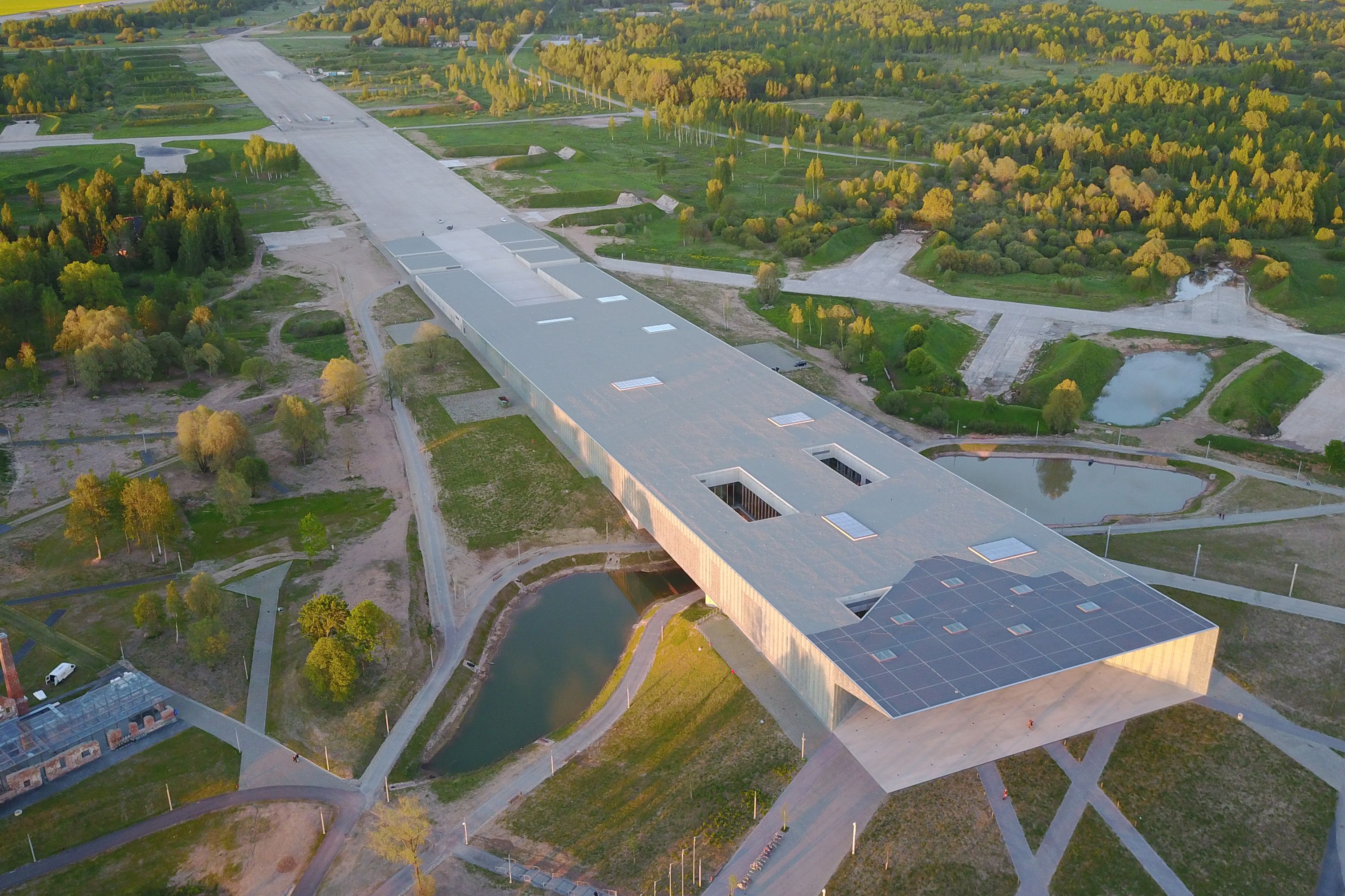
Estonian National Museum
Estonian National Museum
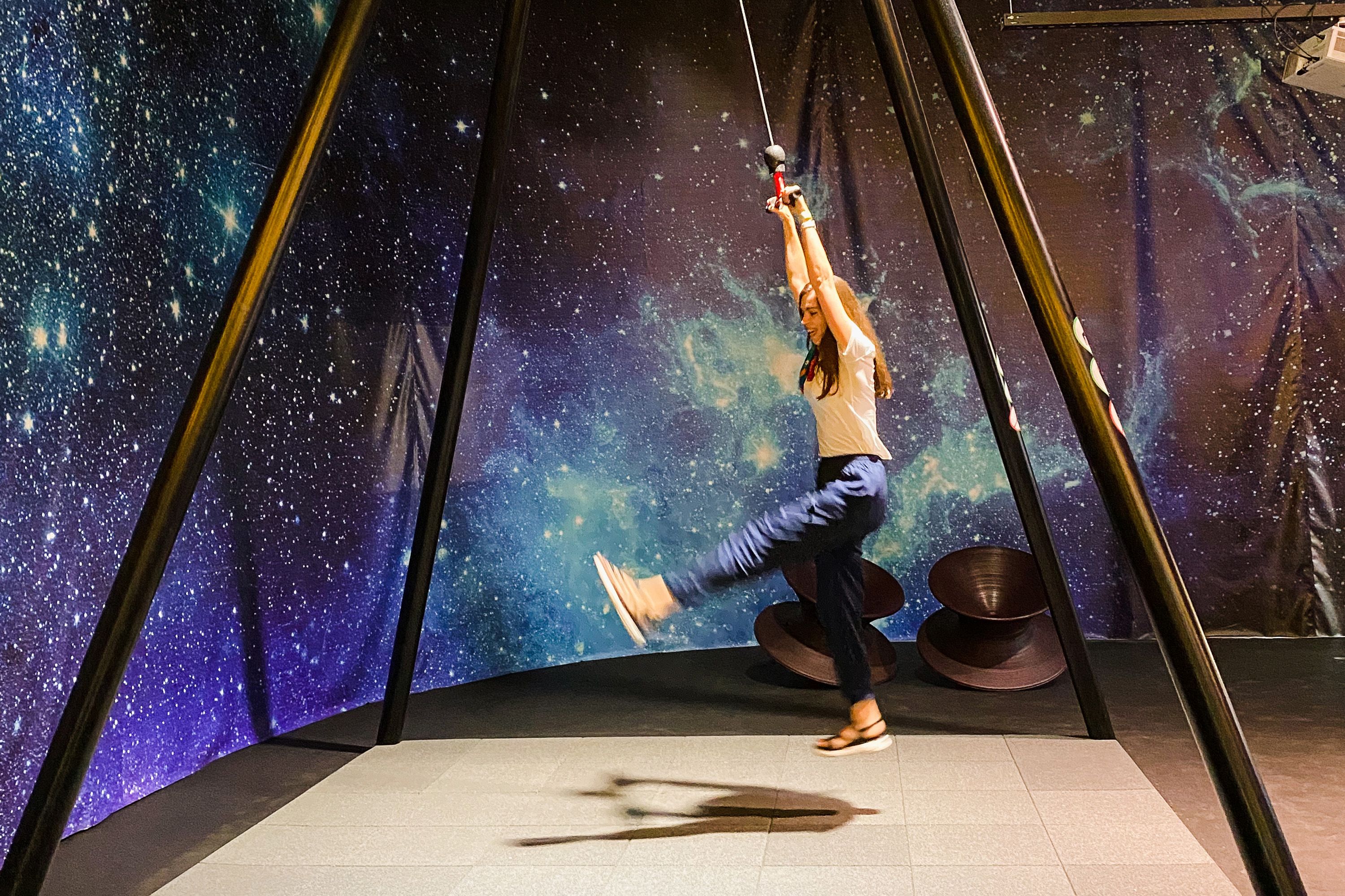
AHHAA science centre
AHHAA science centre
"There is a very good network of entrepreneurship support structures - different incubators, business advisory board, science park, etc - that reinforces the science to business mentality..."

Worth noting
- Tartu operates a Conference Support Programme, offering funding for events lasting at least two days with a minimum of 200 overnight stays in the city.
- Tallinn International Airport is two hours away by road or train.
- Tartu has around 1,300 rooms in three to five-star hotels.
- Vanemuise Concert Hall seats 900 theatre-style and has further seminar rooms.
- The University of Tartu Academic Sports Club Conference Centre comprises two auditoria, the largest seating 500, and six smaller meeting rooms.
- V Spa Hotel Conference Centre seats a maximum 340 theatre-style in its largest room.
Contact

Riine Tiigi
Marketing Manager
Estonian Convention Bureau
E: [email protected]
W: ecb.ee
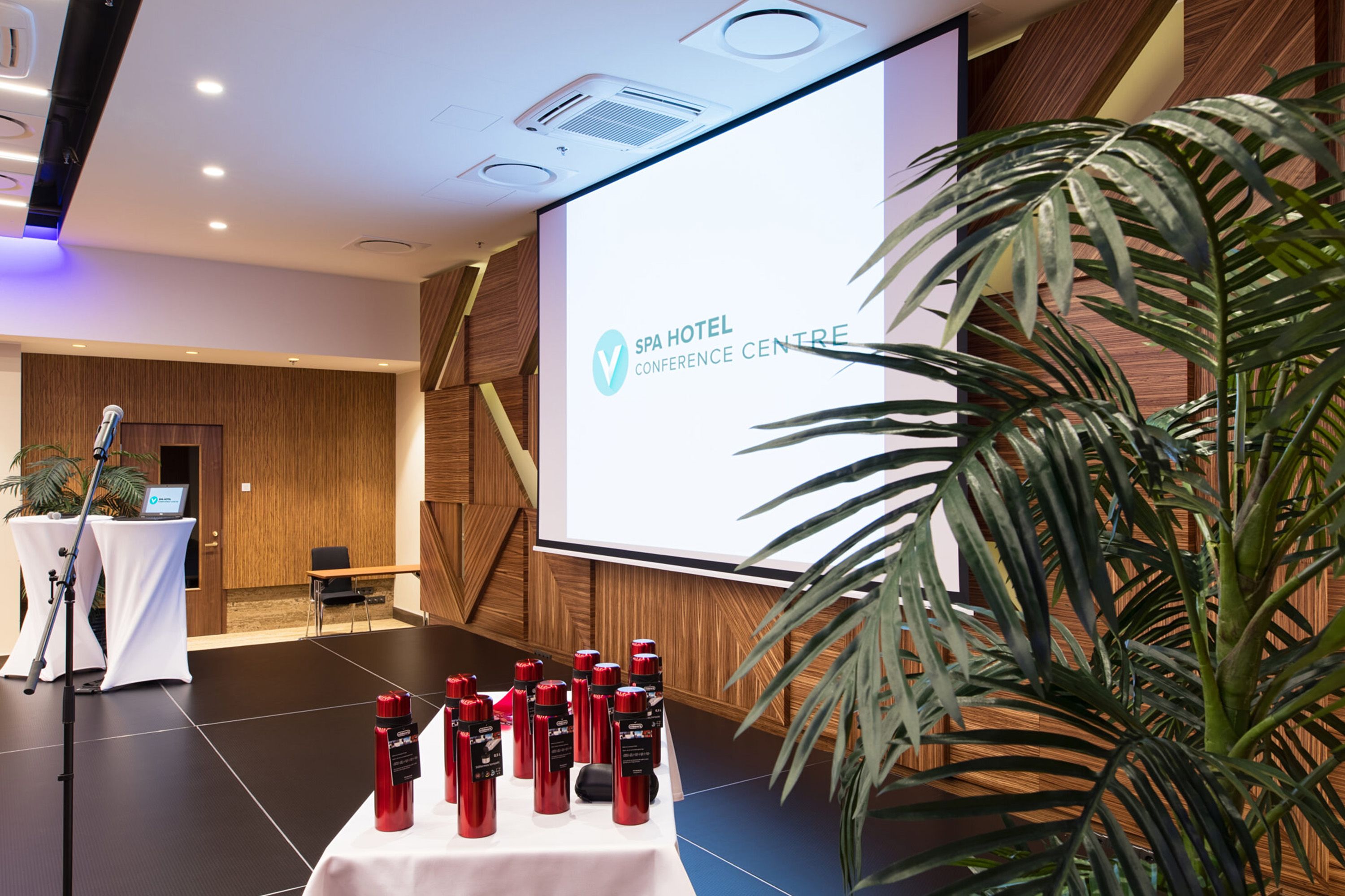
V Spa Hotel Conference Centre
V Spa Hotel Conference Centre
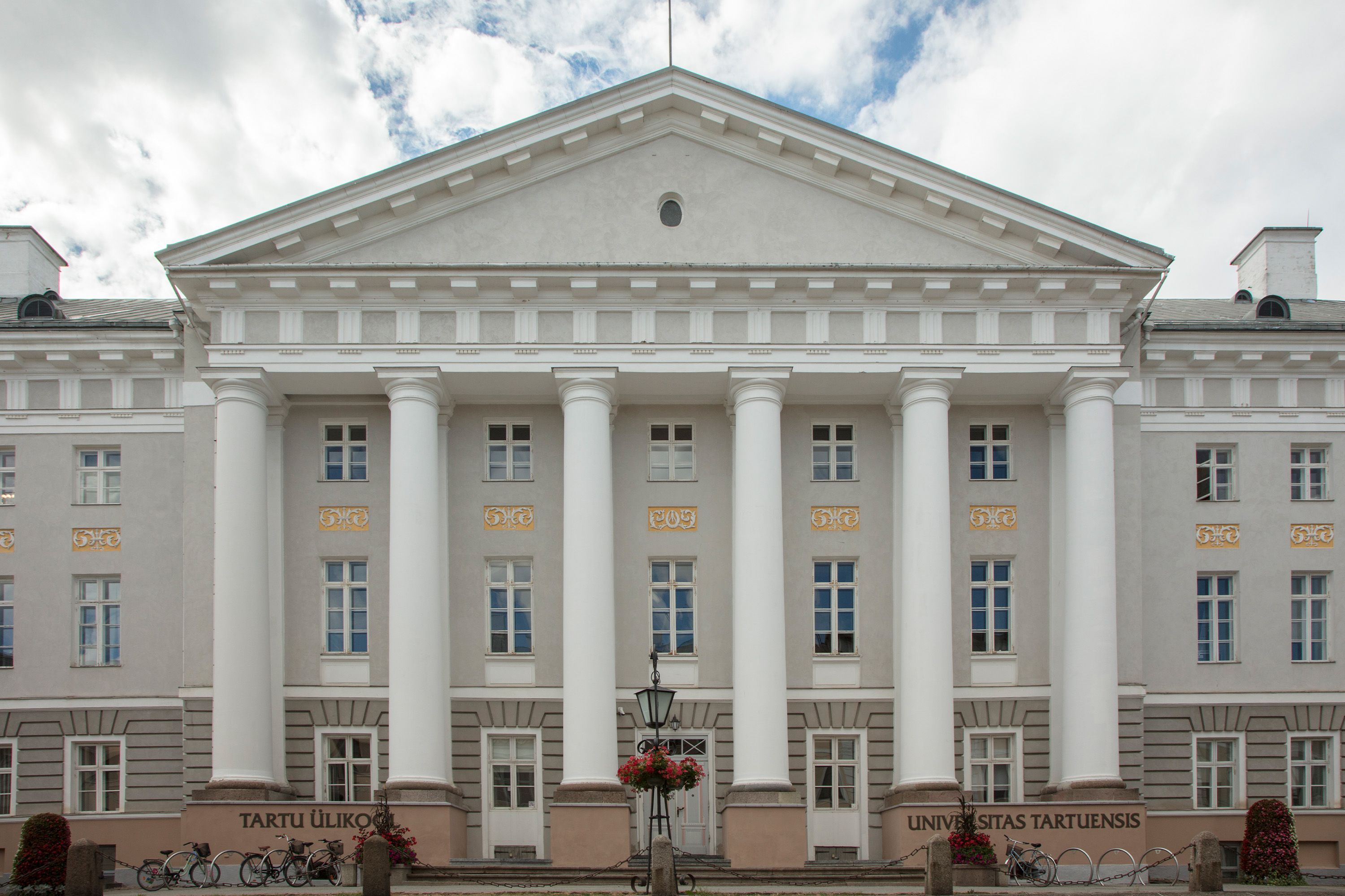
University of Tartu
University of Tartu


 Built with Shorthand