
Into the city
Porto charmed delegates at the 64th ICCA Congress with a new multi-venue format proving the perfect tour guide. James Lancaster reports…
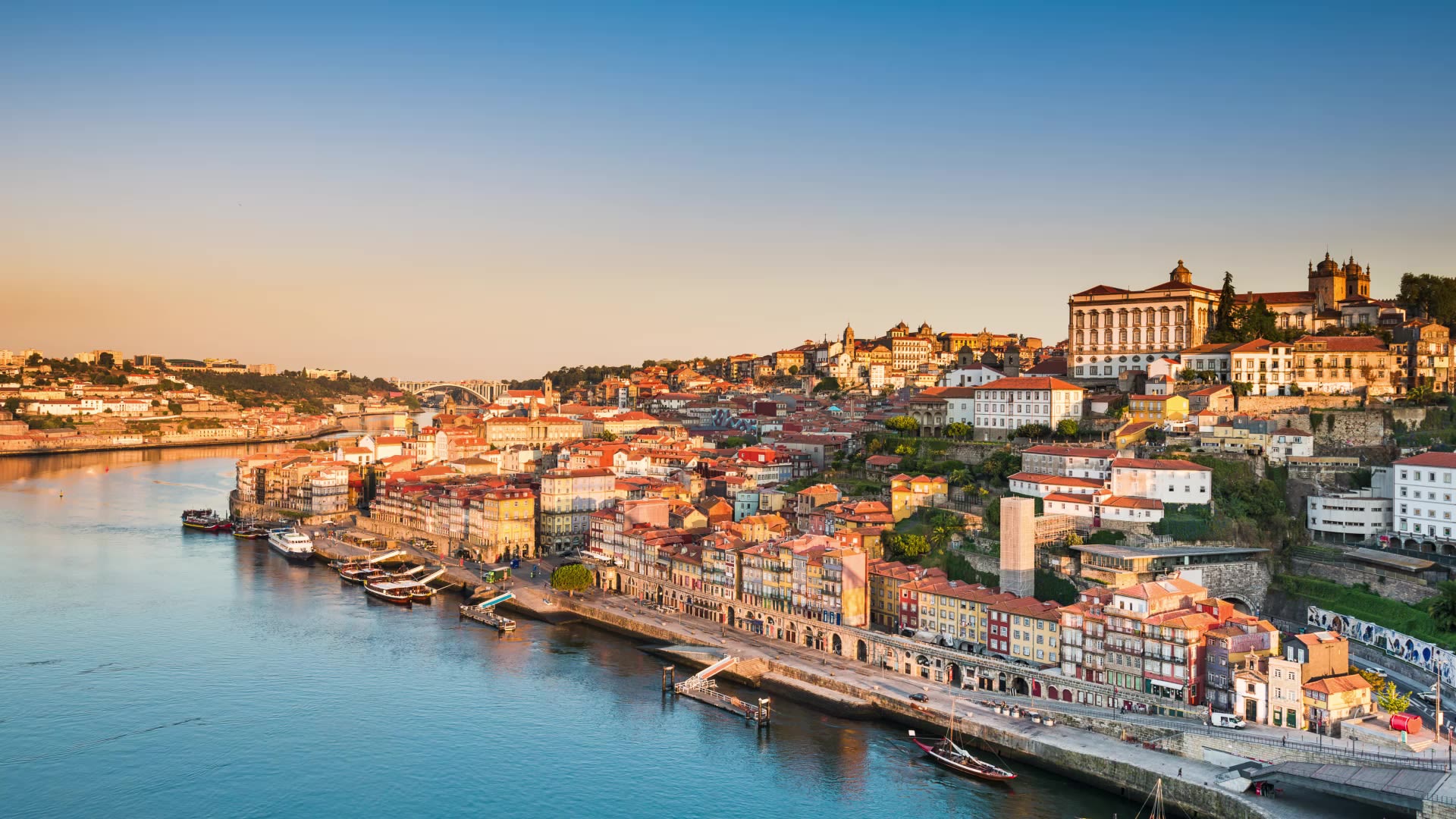

How important is a destination to the success of an international meeting? Not the venue, or the logistics of getting in and out, but the place itself - the people, the culture, the soul of the city?
Purists argue that the success of any conference is measured in the value it creates – not just for the delegates, but for the organising body, and increasingly, some insist, society at large.
But this doesn’t tell the whole story. Truth is, the ‘attractiveness’ of a destination is still a huge factor for delegates when deciding whether to pack their bags or stay at home.
Rather than shy away from this obvious fact, the organisers of the 64th ICCA Congress, in Porto, ran towards it – weaving Portugal’s second-largest city into the fabric of the educational programme.
This was the association’s first attempt at a ‘multi-venue congress’, and the result saw talks, workshops, and seminars taking place in five venues either side of the Doura River, with another four venues used for social functions.
The upshot was that delegates saw a lot more of the host city than you would typically expect for a conference, and Porto felt integral to the event, rather than just a pretty backdrop.
The programme was split into five tracks: Impact & Sustainability, Future Leadership & Resilience, Purposeful Business Models & Start-Ups, Innovation & Technology and The Creative Edge. Delegates were asked to choose two of the tracks, which were held across two days on rotation, taking up the whole of the afternoon. Morning and plenary sessions were held at Alfândega Congress Centre – the city’s main venue - which acted as ‘basecamp’ for the event.
ICCA prides itself on being a ‘family’ – so it was crucial to facilitate the reunion.

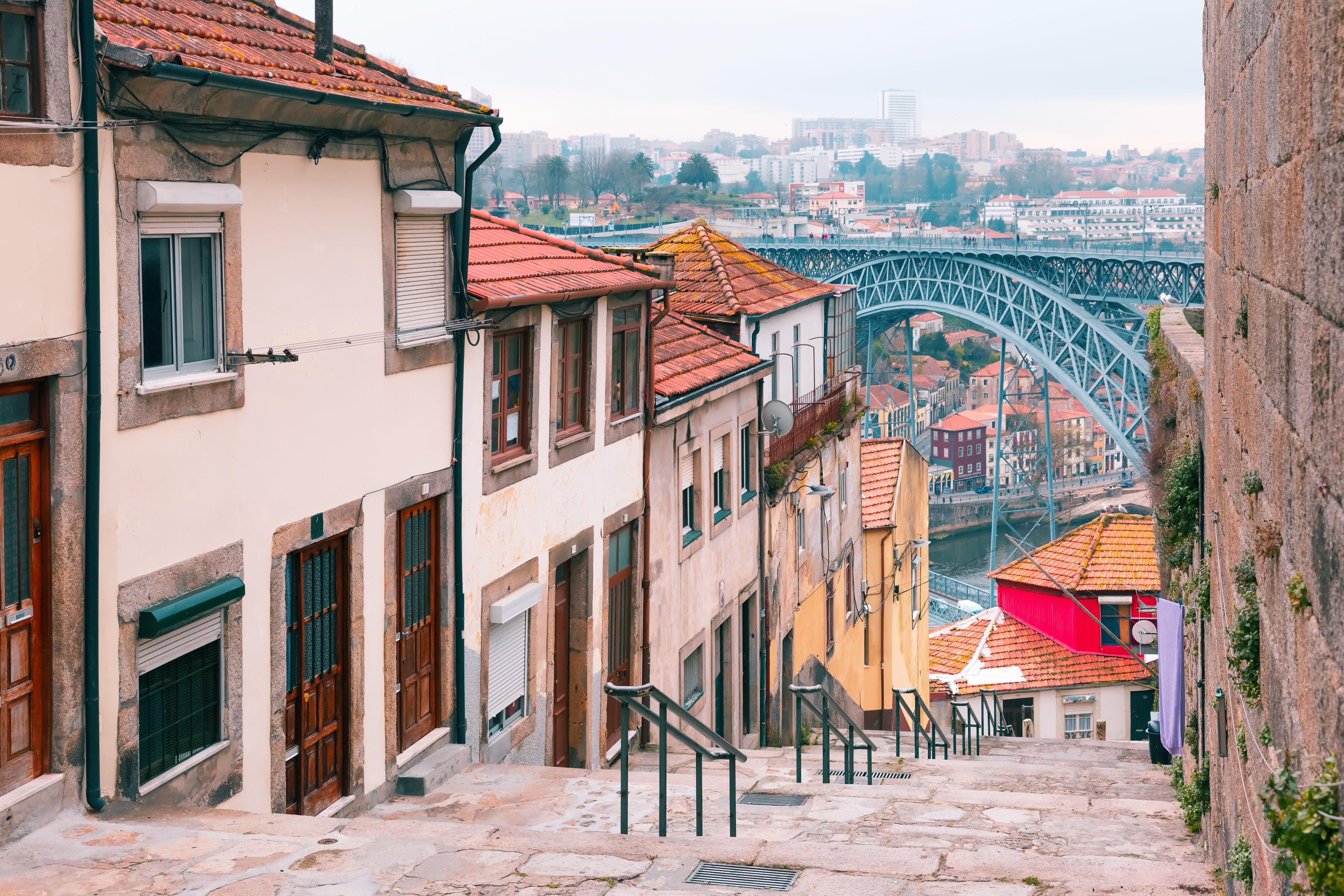
Traditional old houses in Ribeira. (Photo Adobe Stock)
Traditional old houses in Ribeira. (Photo Adobe Stock)

ICCA
ICCA
Porto map
"Rather than seeing this as a risk we saw this as an opportunity – a chance for people to make new connections and meet new people ...

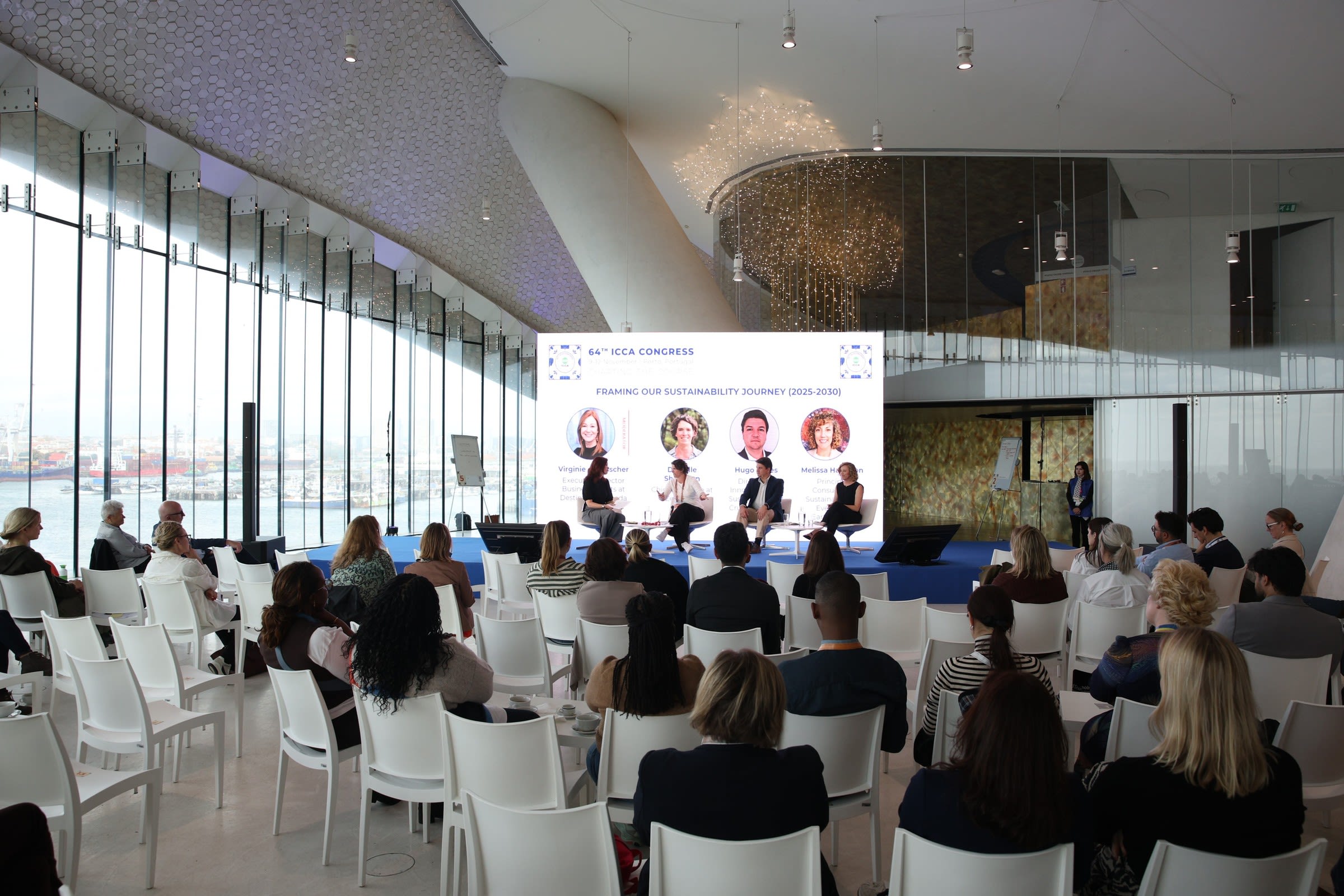
“We know networking is really important to our delegates, which is why we had everyone together in the morning. It was only for the last session of the day that people were split into different tracks. Rather than seeing this as a risk we saw this as an opportunity – a chance for people to make new connections and meet new people.”
If the venues were not within walking distance of the congress centre, delegates were transported by ferry boat or electric buses. Otherwise, the chance to ‘walk and talk’ - while taking in the sights of Porto - added an extra dimension to the traditional conference programme.
I opted for the Creative Edge track and enjoyed a twenty-minute stroll with my fellow creatives along the banks of the Doura, stopping to take photographs on our way. Our destination was WOW (World of Wine) – a cultural district of museums and restaurants situated around the historic wine cellars of Vila Nova de Gaia, boasting conference halls and outdoor plazas.
The venues were chosen to enhance, or at least compliment, the content. The Impact & Sustainability Track, for example, took place at the Porto Leixões Cruise Terminal, a distinctive spiralling structure, under whose roof you will find, as well as conference and exhibition rooms, a research centre advancing marine science, climate innovation, and environmental stewardship. Meanwhile, the Leadership and Future Resilience Track was held at the prestigious Ferreira Cellars, named after the pioneering businesswoman Antónia Adelaide Ferreira who became widely celebrated for her leadership in the cultivation of port wine in the 19th century. The Technology and Innovation Track was held at the CEiiA Innovation Centre, and so on.
Of course, there were a few grumbles about the amount of pavement-pounding involved or getting caught in the rain - ponchos were advised! – but this was an ambitious experiment in destination placement for events, and - in this delegate’s opinion - it was well worth the risk.
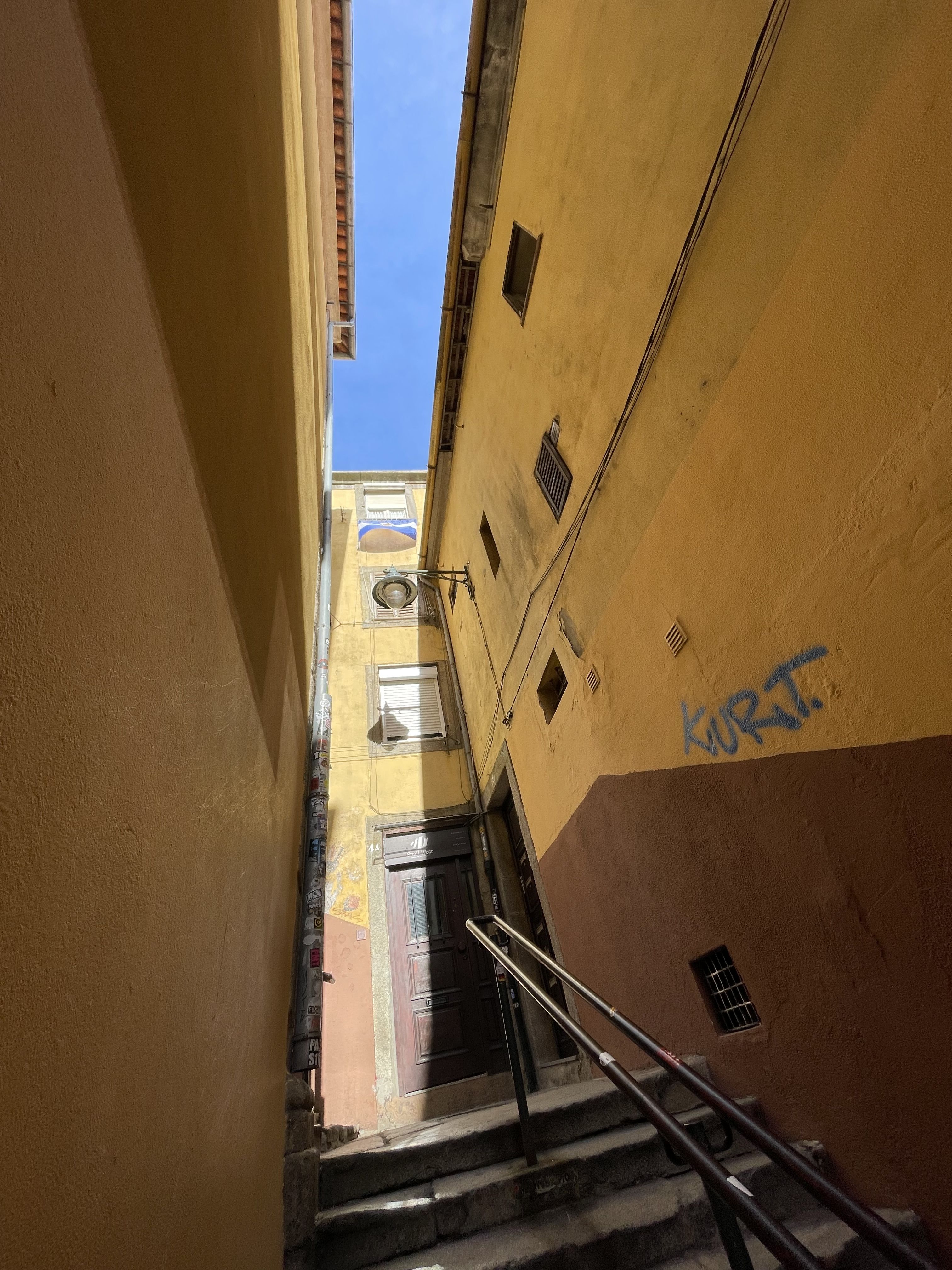
Sure, it's impossible to get to know a city in five days, but by the end of the congress, I felt as though I had at least a sense of Porto, and other delegates felt the same. The feeling was overwhelmingly positive. With its hilly, cobbled streets, and surprising panoramas, the city exudes a spirit and energy that is typically Iberian. It has seductive bars and restaurants and a trove of museums, galleries, theatres and architectural gems that stop you in your tracks.
So, job done on the destination marketing front.
But there were practical reasons for experimenting with the multi-venue format, too. For starters it meant hosts Porto Convention Bureau were able to give more of its members the chance to shine on the international stage. So often, one or two venues steal the limelight. Here a range of venues – from wine cellars to ports – got to showcase their meeting facilities.
More strategically, it gave Porto a blueprint of how to accommodate larger meeting groups in future. With 1,514 delegates, from 81 countries, it was ICCA’s largest congress on European soil, and it used every available space inside Alfândega, a repurposed Custom’s House dating back to the 18th century, which, while a quirky and perhaps more ‘authentic’ alternative to purpose-designed congress centres, had its limitations, in terms of wayfinding and people flow.
The venue also sits on a busy dual carriageway and with delegates jumping in and out of Uber’s every five minutes, the patience of local commuters, caught in the rush-hour snarl up, gets stretched. By dispersing delegates throughout the city, that problem was solved at a stroke.
The final word, then, to the bureau itself ...

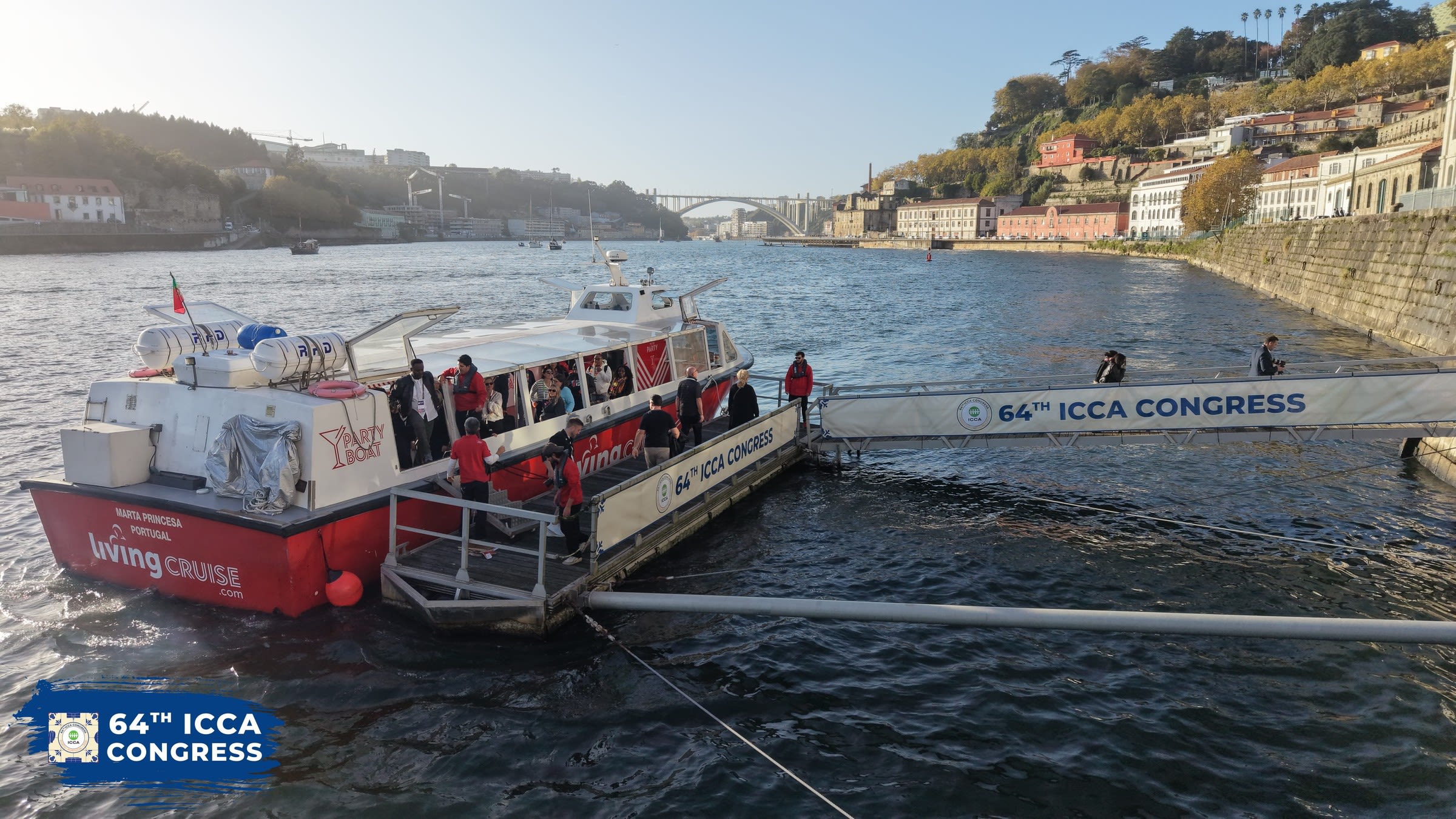
“We have a strong sense of mission accomplished. It has been four challenging and intense days of work, but I believe we can all be proud of what we have achieved together. This ICCA Congress will go down in history as the first ever to take place across multiple venues — nine in total, spread throughout Porto, Vila Nova de Gaia, and Matosinhos. We have proven that this innovative format is not only possible but highly successful, thanks to the extraordinary effort and collaboration of so many people. Our sincere thanks go to ICCA for placing their trust in Porto and the North of Portugal to host such a prestigious event, to Visit Portugal for joining us on this ambitious journey, and, above all, to all our partners and our dedicated team, whose hard work and commitment made this achievement possible.”


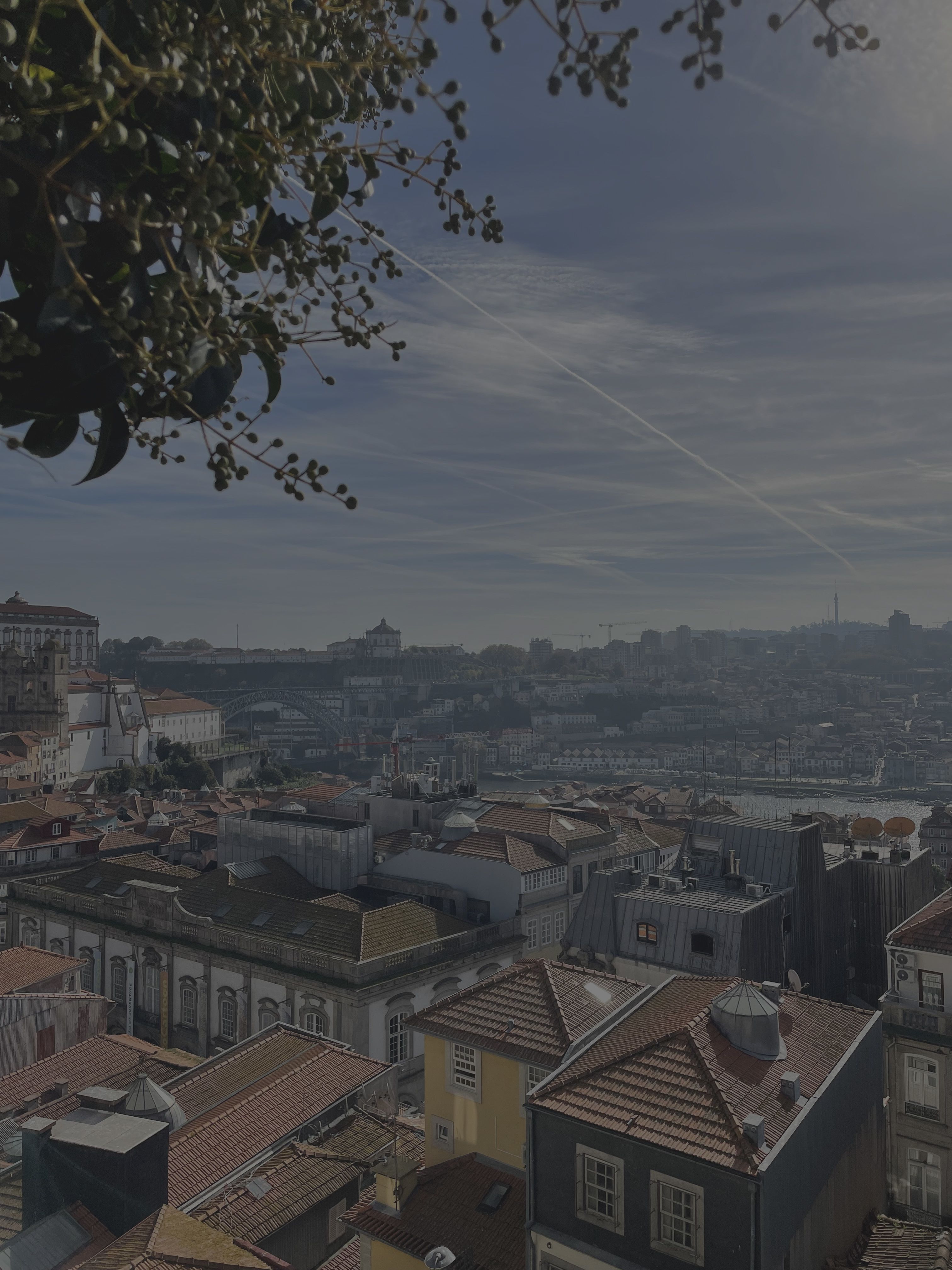
Porto Landscape
Porto Landscape
Did you know?
Porto University is known for its wide range of faculties and fields of expertise that can attract events in related areas such as medicine and healthcare, engineering and technology, environmental sciences, conservation and sustainability, business and economics, architecture, cultural studies and arts.

(Photo credit: Unsplash, Rui Alves)
(Photo credit: Unsplash, Rui Alves)
Want to impress?
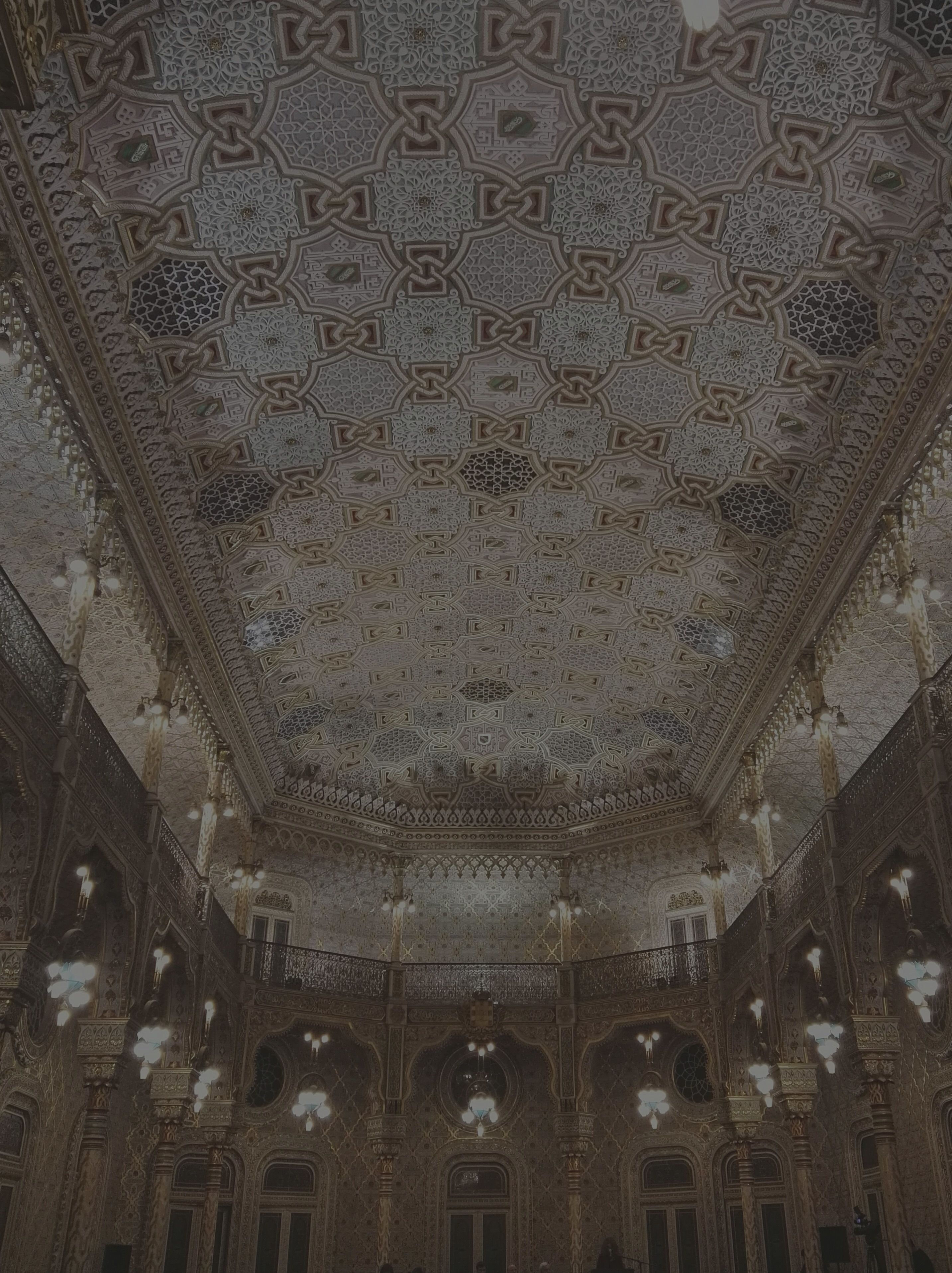
The Palácio da Bolsa (Stock Exchange Palace) dates back to 1834. It has 13 stunning rooms, the most decorated, the Arab Room, with golden Arabic script covering its walls and ceiling. It is suited to medium-size meetings and receptions and a maximum 1,200 seated for banquets. Just be mindful of acoustics: it can get noisy, so keep any presentations short!

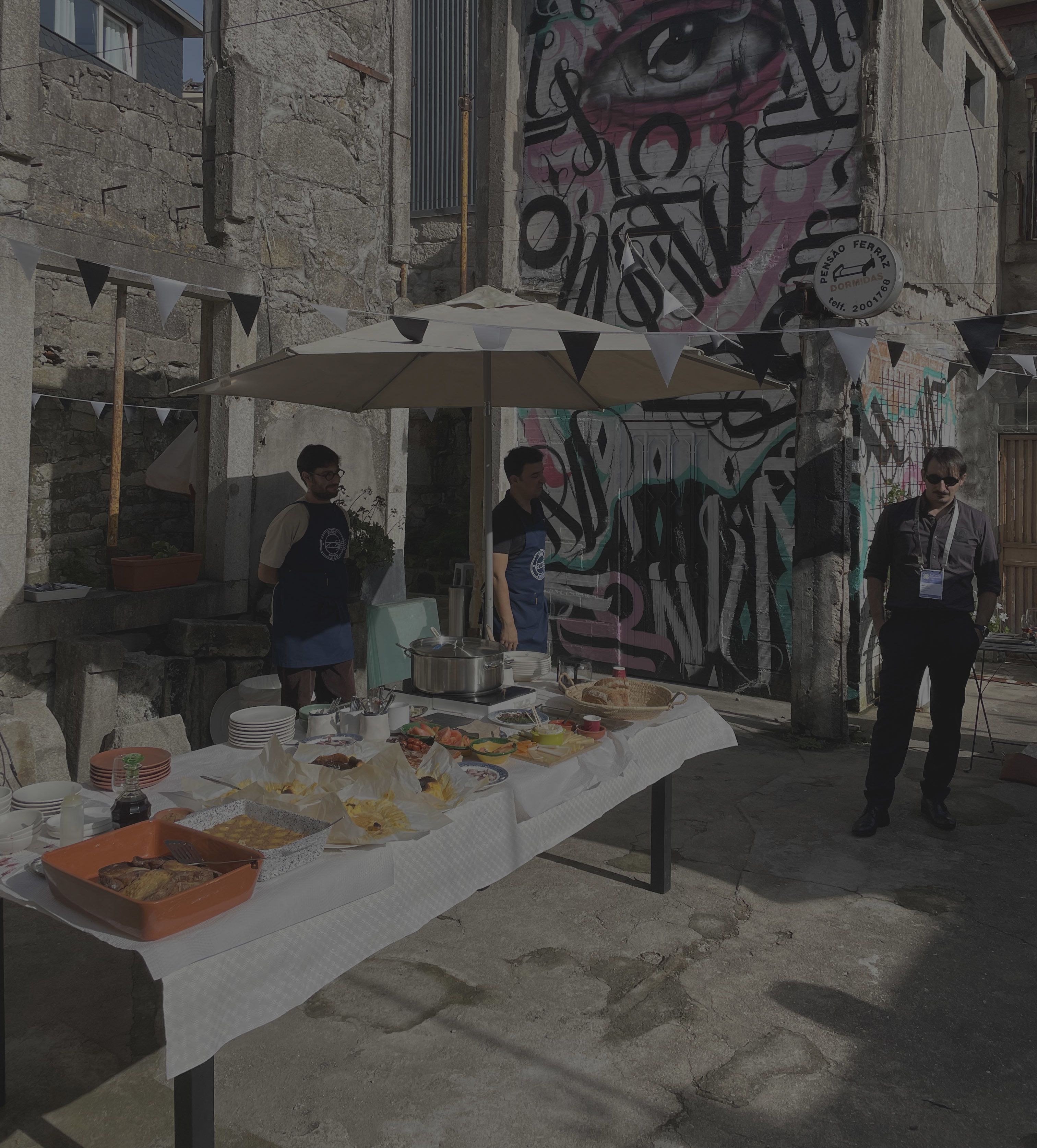
Street Food
Street Food
Feeling Peckish?
Taste Porto claims to be the founding fathers of food tours in Porto and have showcased the city’s rich history and culture to thousands of guests who visit our wonderful city every year. Co-founder André Apolinário is passionate not just about the food and wine the city has to offer, but the city itself. The company has more than a dozen knowledgeable tour guides, ready to whet your delegates’ appetites!