


Rising star
Positioned between the Alps and the Mediterranean, Nice is a city that combines natural beauty with forward-thinking city design, modern infrastructure, and academic pedigree. Rob Cotter reports ...
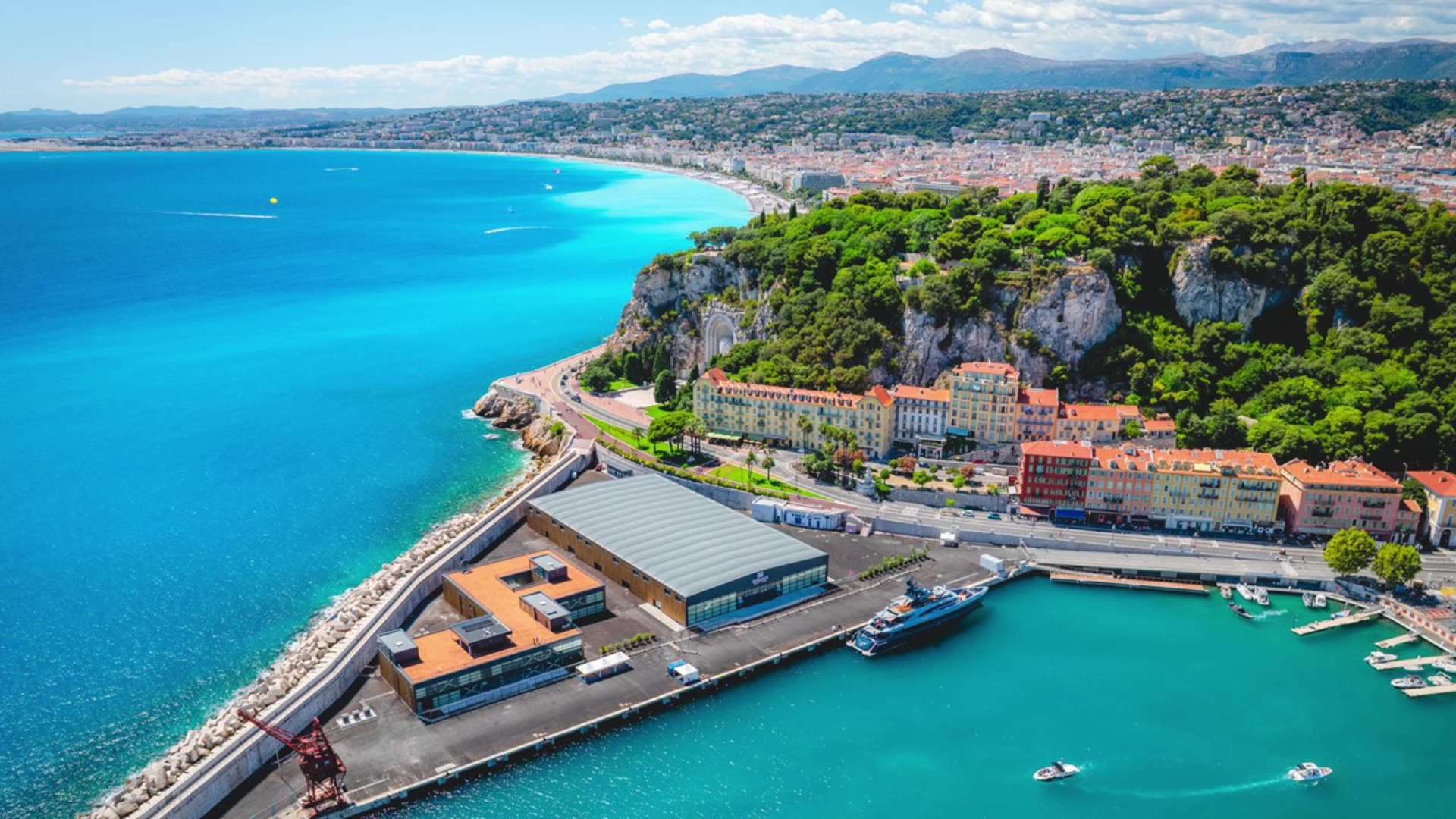

While long admired for its Riviera charm and glamour, more recently Nice has been making waves in a different arena: international association meetings.
Pivotal to the city’s winning formula of blending elegance and accessibility is the Nice Côte d’Azur International Airport—France’s second largest after Paris—which offers direct flights to over 120 global destinations, including the US, Middle East, and China, with a new Delta Airlines Boston route launching in May 2026. Located just ten minutes from the city centre, the airport connects seamlessly via tram to a walkable urban core, making the delegate experience from arrival both an efficient and an environmentally friendly one.
Nice also features a wide array of accommodation types, with more than 12,000 hotel rooms in over 200 hotels, ranging from budget to 5-star luxury, enabling delegate participation across all budgets. The hospitality sector has in recent years also witnessed significant investment, many properties undertaking major renovations and achieving sustainability certifications.
Harnessing the city’s assets as part of its meetings strategy is the Nice Côte d’Azur Metropolitan Convention and Visitors Bureau, which offers free, end-to-end support for association event planners. Services include bid assistance, venue recommendations, site inspections, and local connections, and the CVB also works closely with local authorities, institutions, and knowledge leaders to support conferences that align with the city’s long-term vision.
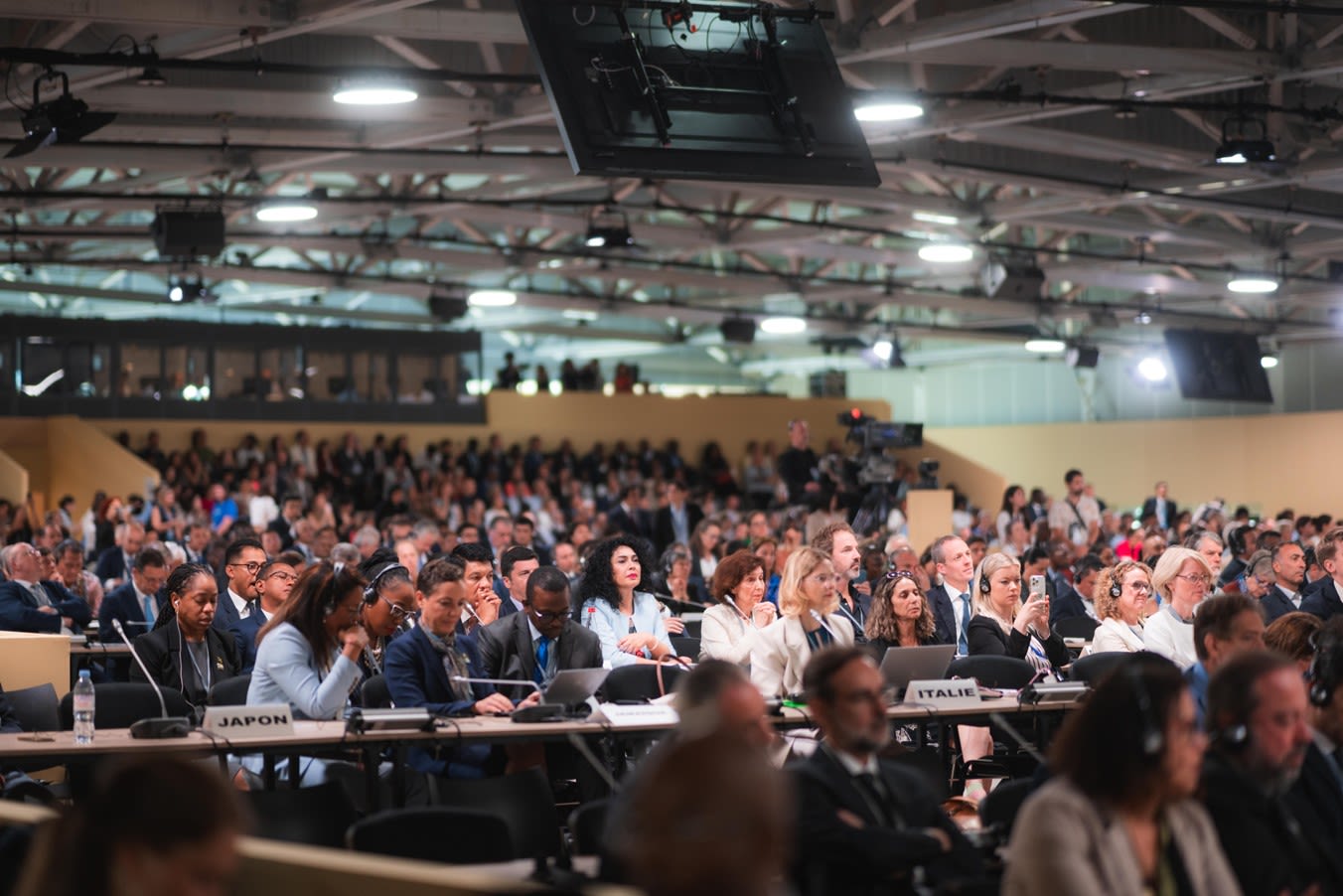
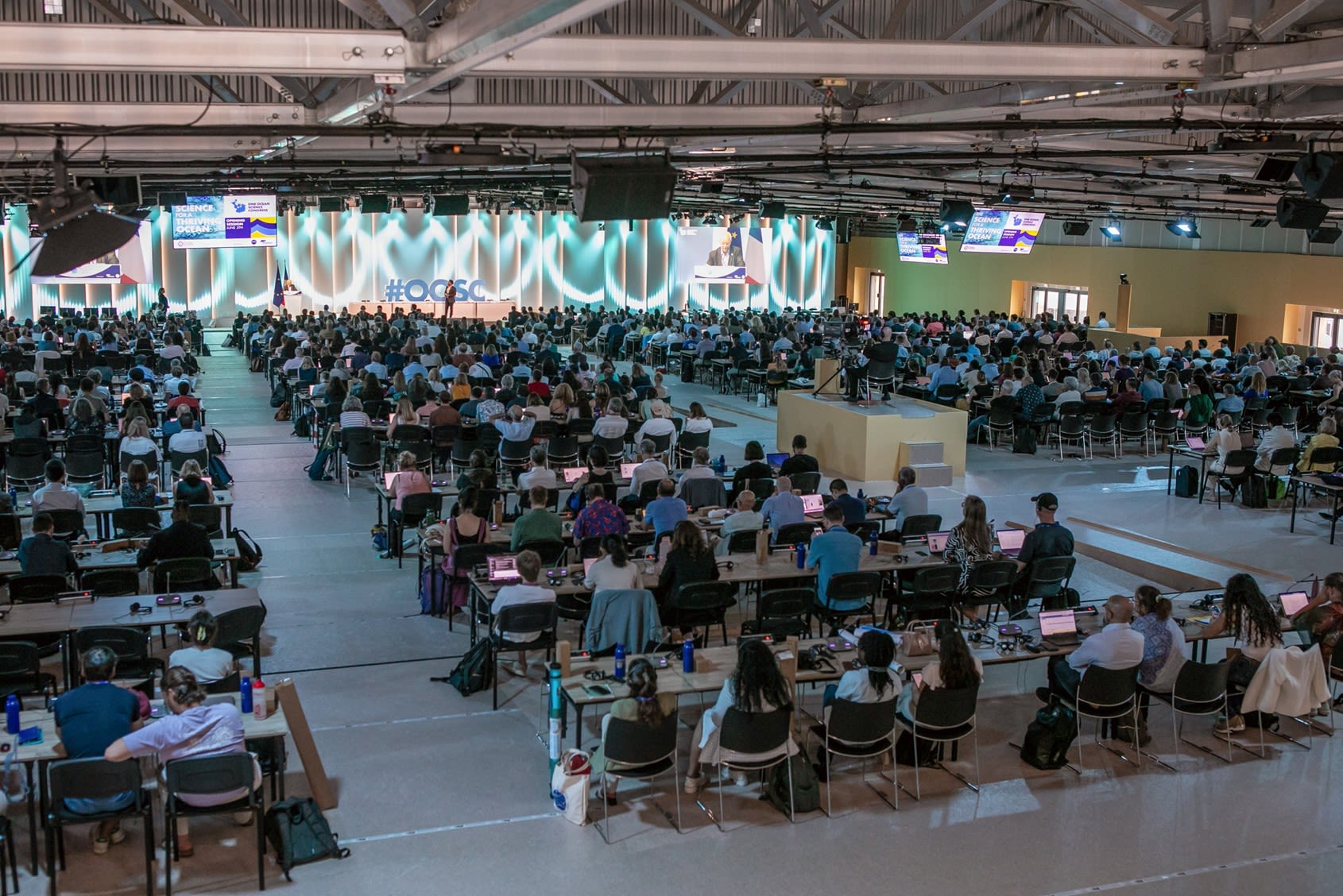
A major milestone in Nice’s meeting landscape came in April this year with the inauguration of OcéaNice, the city’s flagship convention venue located in the historic Port of Nice. Designed specifically to host the 3rd United Nations Ocean Conference (UNOC 3)—which in June welcomed more than 15,000 participants and over 60 heads of state—the centre offers 10,000 sqm of flexible space, including a 3,800 sqm main hall that can accommodate 2,500 seated delegates, plus 1,200 sqm of breakout rooms and a 1,400 sqm modular rooftop that can host 800 people. A further 4,000 sqm esplanade fronts the centre, with a cruise ship passenger terminal also within the complex.
“OcéaNice sits right on the harbour—the birthplace of the city. It was designed for modularity, accessibility, and sustainability," says Betrand Puissegur, congress development manager at the Nice Côte d’Azur Metropolitan Convention and Visitors Bureau.

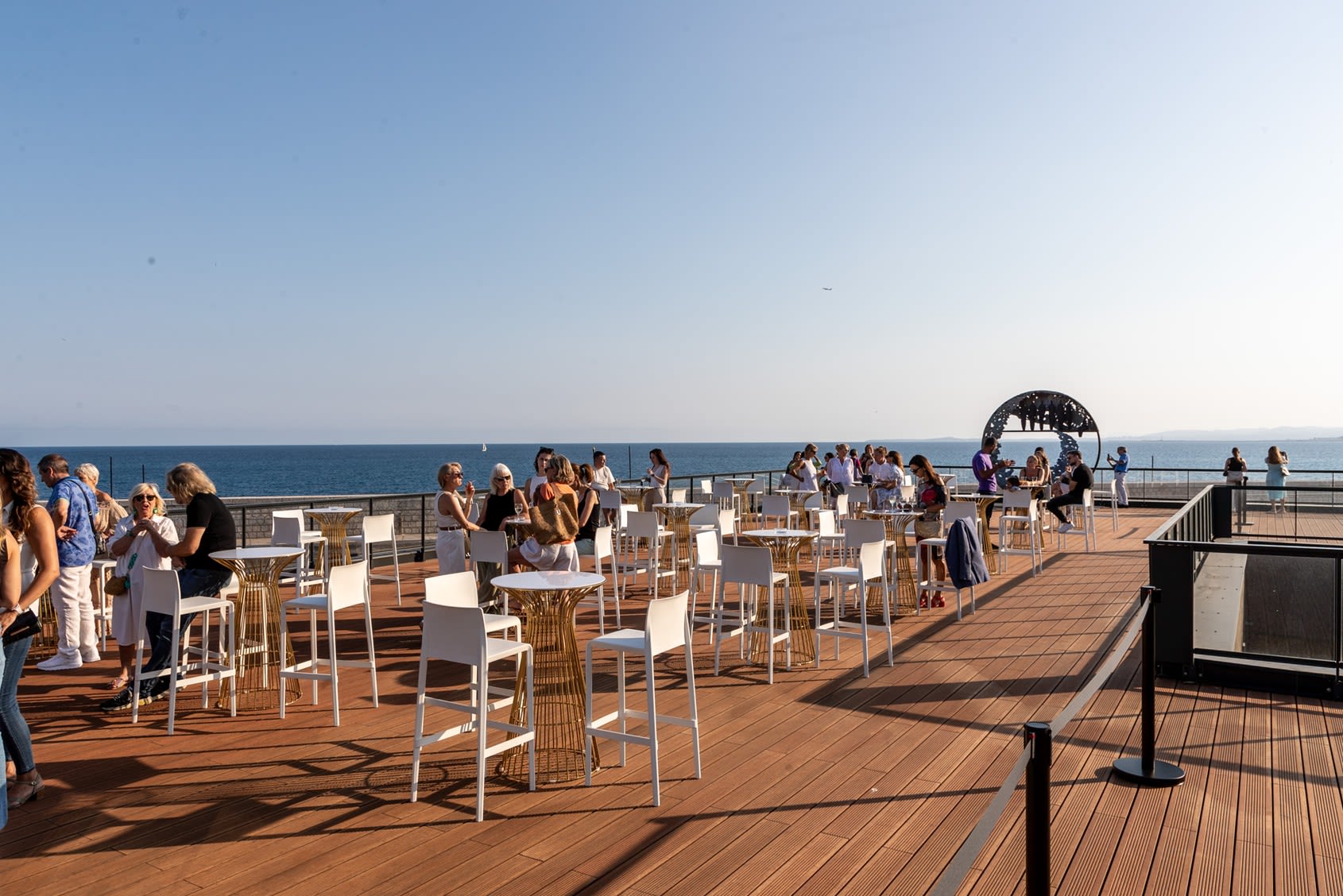
OcéaNice (Photo credit: J.Kelagopian)
OcéaNice (Photo credit: J.Kelagopian)
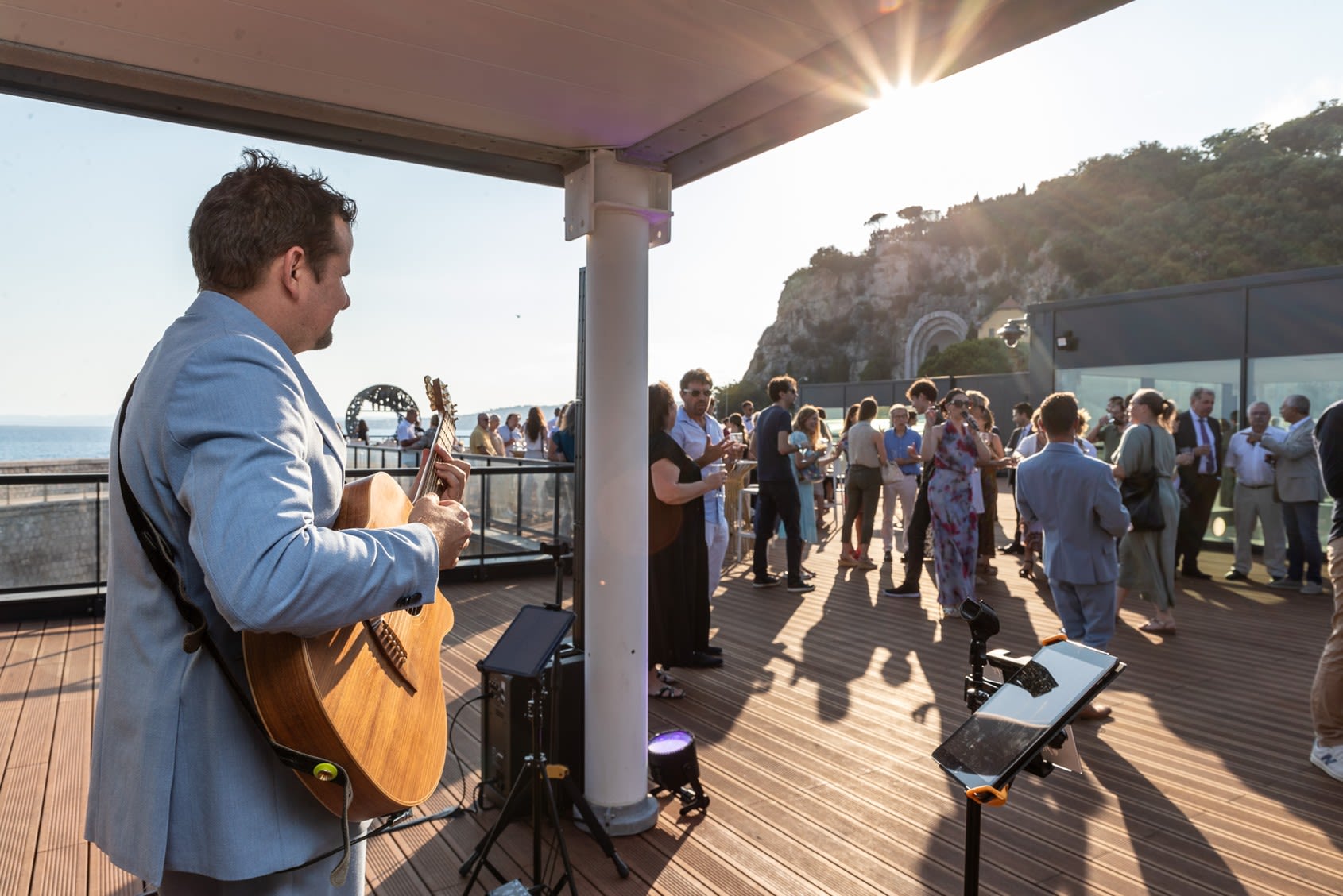
OcéaNice (Photo credit: J.Kelagopian)
OcéaNice (Photo credit: J.Kelagopian)
“This major venue will be within walking distance from the airport, making Nice even more competitive”
Bertrand Puissegur, congress development manager at the Nice Côte d’Azur Metropolitan Convention and Visitors Bureau.

Nice, France map
Central to the historic city, the venue is surrounded by a rich urban environment and is just steps from the Old Town, major hotels, restaurants, and cultural attractions, allowing organisers to embed their events into the life of the city itself. And while OcéaNice has provided a major boon to the city’s meeting venue portfolio, looking ahead to 2030 Nice is planning to add an even larger venue to its repertoire: a 45,000 sq.m. exhibition and congress centre in the Grand Arénas business district, adjacent to the airport, set to further expand Nice’s capacity to host major international events.
“This major venue will be within walking distance from the airport, making Nice even more competitive,” notes Puissegur.
Enhancing Nice’s competitive allure alongside the delivery of these new facilities is that the city is deeply aligned with global sectors driving innovation and progress—particularly in medical research, environmental science, and public health.
“We have deep experience in hosting scientific and medical association congresses,” says Puissegur. “The city’s universities, research institutes, and public hospital-university system create a strong foundation for attracting high-level academic and healthcare-related events.”
Local expertise is also mobilised through the city’s Ambassadors Programme, which enlists top academics, clinicians, and researchers to help attract congresses, shape scientific programmes, and serve as hosts for their global peers. In return, ambassadors benefit from enhanced visibility and support, while placing their city at the centre of meaningful global conversations.
Sustainability is another key pillar of Nice’s long-term vision for events. The city actively supports hotels and restaurants in achieving the respected ‘Green Key’ certification, with 68 establishments certified as of 2025 and a further 20 under review.
“We’re committed to helping our partners meet sustainable standards,” says Puissegur. “The bureau also connects organisers with ISO 20121-certified suppliers and encourages event partnerships with local charities to leave a positive social impact. OcéaNice was eco-designed to meet the highest environmental criteria, and the city’s layout—combined with soft mobility options—minimises transport-related emissions throughout the delegate experience.”
These efforts have been supported by Nice’s participation since 2010 in France’s national ‘Smart City’ initiative, which has led to investments in digital infrastructure, urban mobility, and real-time data systems that improve the delivery of modern, hybrid-ready events. The city’s dual identity as both a leisure and business destination also contributes to a more sustainable, year-round visitor model.
“Leisure travellers come during holidays and summer, while MICE events fill the calendar outside of those periods,” says Puissegur. “It helps us maintain high-quality, sustainable tourism throughout the year.”
According to the Union of International Associations (UIA), Nice has hosted nearly 400 international association meetings since 2005. The city’s ambition goes beyond mere volume, however, as it seeks to attract events with purpose—those that align with innovation, sustainability, and global collaboration. In pursuit of this, the CVB is keen to highlight that Nice is not just a beautiful city, but a city of science, sustainability, innovation, and solutions. And that is precisely what association meetings are looking for.

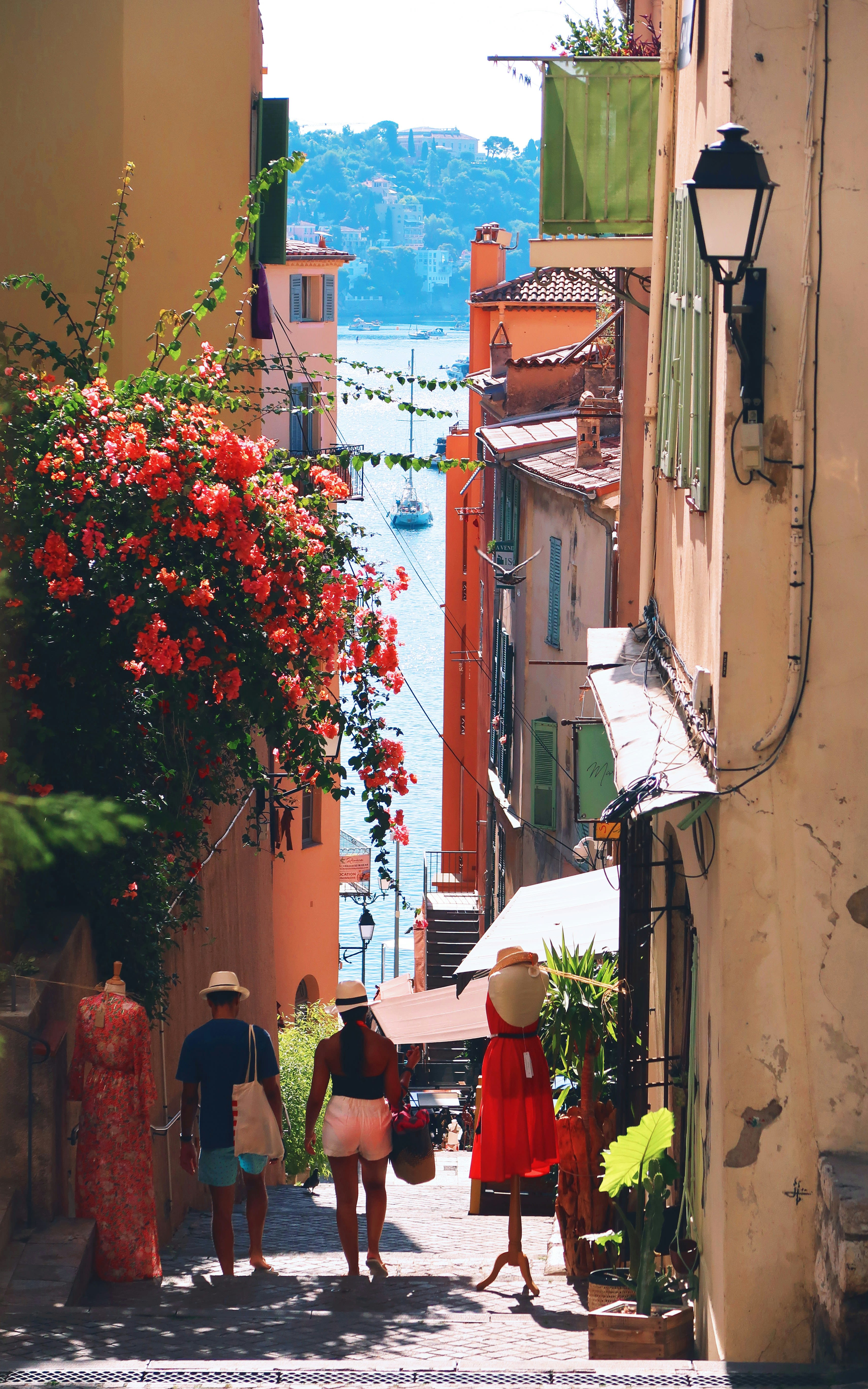
Villede, Nice (Photo credit: David Nouy)
Villede, Nice (Photo credit: David Nouy)
Villede, Nice (Photo credit: Pascal Segrette)
Villede, Nice (Photo credit: Pascal Segrette)
Getting there:
Nice Côte d’Azur International Airport connects to over 120 global destinations, including Washington, New York, Atlanta, Philadelphia, Dubai, and Abu Dhabi. A new Delta route to Boston is launching in May 2026. By rail, Nice is well served by France’s TGV network and regional lines, offering direct links to Paris, Marseille, Lyon, Milan, and more.
Meet & Greet:
With sweeping sea views and Mediterranean sunshine, the rooftop at the newly opened OcéaNice convention centre is already establishing itself as the city’s premier reception venue.
Where to stay:
Along the Promenade des Anglais, the Hyatt Regency Palais de la Méditerranée, Le Méridien Nice, and the iconic Negresco blend Riviera elegance with business-ready amenities. In the city centre, Boscolo Nice and Hôtel Aston La Scala offer boutique options. The Grand Arénas district near the airport features global brands such as Sheraton, Radisson, and Crowne Plaza.
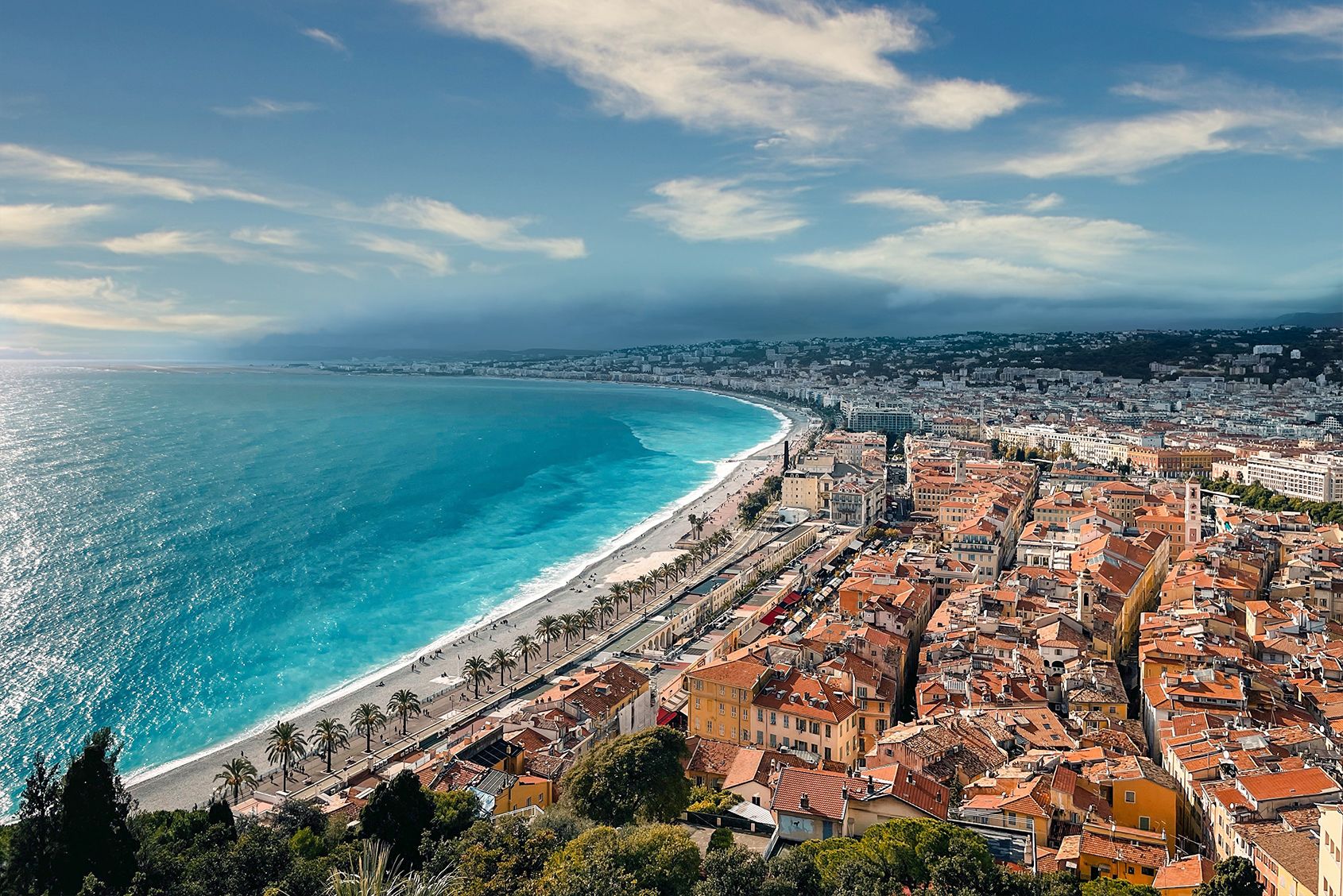
(Photo credit: Constantin, Unsplash)
(Photo credit: Constantin, Unsplash)