

The evolving city
James Lancaster visits Gothenburg and discovers a city geared up for meetings …

Imust confess I’ve never had much interest in life on a microscopic level; the visible world holds enough interest for my modest brain.
But when I found myself sitting in the dark, surrounded by brightly coloured microbes – so close it felt as though I could reach out and touch them – my fascination was piqued. The Wisdome Gothenburg - Sweden’s largest 3D dome cinema - uses ‘advanced virtualisation technology’ to reveal phenomena ‘too small, large, fast, or slow for the human eye to grasp’. From the street, it is a multi-faceted sphere, an alien spaceship come to rest on top of the Universeum science centre. Opened in 2023, the striking edifice is symbolic of Gothenburg’s transformation from decaying manufacturing hub to something different.
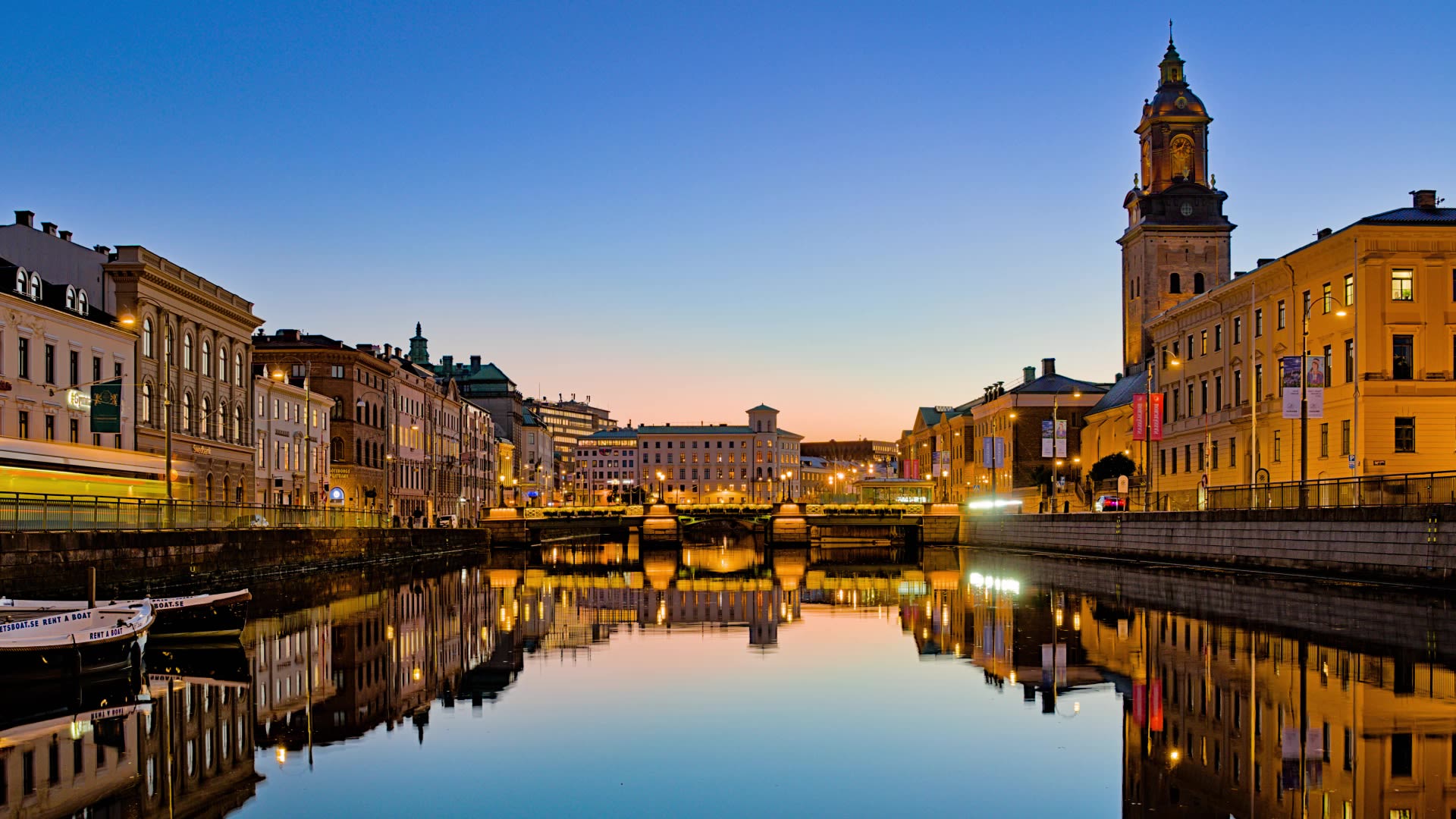
Perched on the scenic west coast of Sweden, Gothenburg is one of those post-industrial success stories that make you ponder the role of fate in life’s great tapestry.
Go back 40 years and things look very different. Then it was described by Sweden’s environment minister, Birgitta Dahl, as the “courtyard to hell” due to its industrial pollution. Now it is one of the world's most sustainable cities, and one of its fastest growing economies.
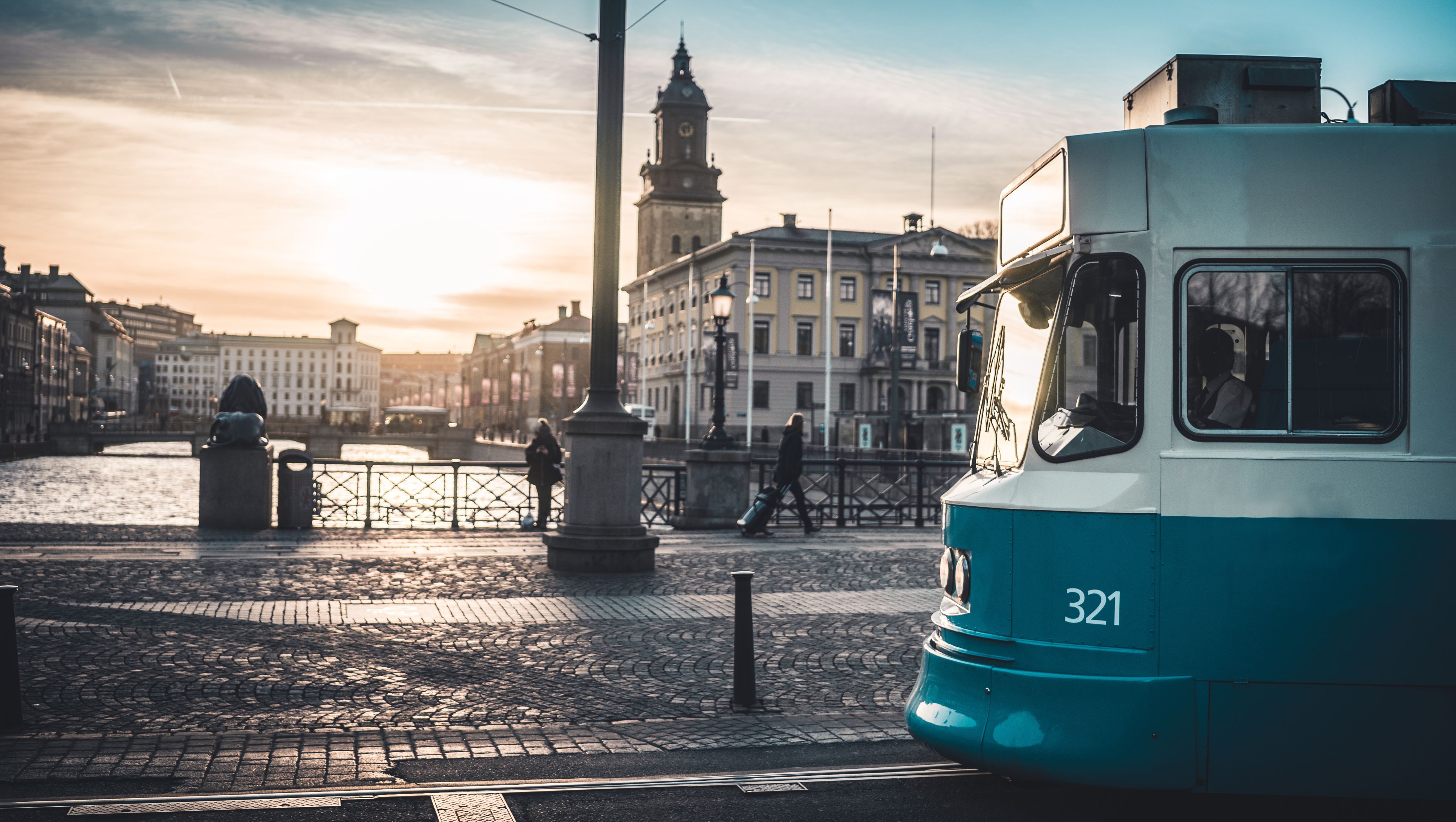
How much did the minister’s words sting? How much did they prove a catalyst for the change that has occurred in the intervening decades? Impossible to tell. But today Gothenburg is a city where zero-emission buses share cobblestone streets with research laboratories; where the legacy of heavy industry is fueling smart growth.
SKF – the city’s second largest employer after Volvo Cars – is proof that manufacturing still has a role to play in the city, but it now belongs to a more dynamic, innovative economic landscape.

(Photo credit: Adobe Stock)
(Photo credit: Adobe Stock)
Sweden, Gothenburg map
Sustainable growth
Since 2009, Gothenburg’s regional economy has grown at an annual rate of around 3.7 per cent, well above Sweden’s national average, and has welcomed 170,000 new residents and 36,000 new companies. These figures testify to a city that is not only expanding but evolving — one able to attract talent across it key sectors: automotive, logistics, ICT, creative, maritime, and the life-sciences. And there’s more to come. Gothenburg expects its population to grow by as much as 150,000 inhabitants in the coming decade, driving major infrastructure and housing developments while cementing its role as Sweden’s second-largest urban hub. Significantly, this growth has not been to the detriment of the environment.
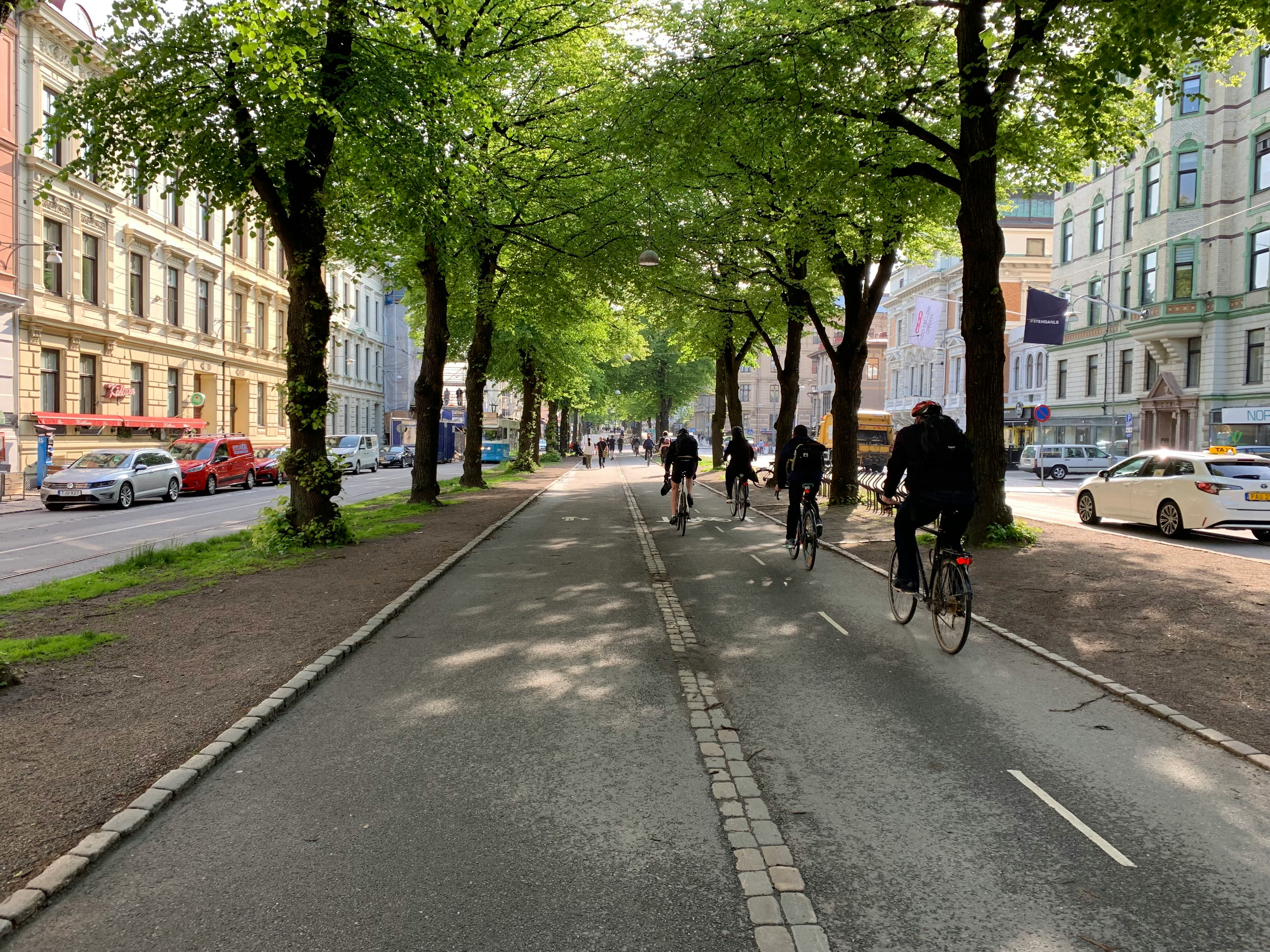
On the contrary, Gothenburg has become an exemplar of sustainability, regularly topping the Global Destination Sustainability Index (GDS-Index), which benchmarks the environmental performance of cities. It’s a distinction that resonates with event planners and delegates: eco-certified hotels, green public transport, and a robust strategy for climate action help give the impression of a city that delivers more than it takes. Of course, not all associations put the environment at the top of their agenda when organising meetings, but - in an age of overtourism and environmental degradation - Gothenburg is nicely positioned for those who do.
Clusters of innovation
Gothenburg’s economic strength lies in both heritage and transformation. The city remains home to one of the world’s great industrial legacies — automotive giant Volvo — while its contemporary economy thrives on high-tech clusters and research collaboration. Life sciences and health innovation are particularly dynamic sectors, with AstraZenaca playing a key role in the development of the city’s life sciences cluster. With institutions like the Sahlgrenska Academy and Sahlgrenska University Hospital working alongside initiatives such as GoCo Health Innovation City, Gothenburg is shaping itself into a hub for health-tech and life-science breakthroughs. These interlinked clusters — from advanced manufacturing to mobility tech, digital services and medtech — create fertile ground for international conferences.


(Photo Credit: Adobe Stock)
(Photo Credit: Adobe Stock)


(Photo Credit by Clayton Malquist on Unsplash)
(Photo Credit by Clayton Malquist on Unsplash)
A place to meet
So, how does the meetings infrastructure stack up?
Gothenburg is never going to host a mega meeting. Associations who convene 10,000 people or more should look elsewhere. But for meetings on a smaller scale it has everything you need. First port of call would be the Swedish Exhibition & Congress Centre and Gothia Towers. This expansive hotel complex – whose three towers have become a landmark in the city - offers 60 meeting rooms for two to 3,000 delegates and a congress hall for 1,500 people.
Because it has 1,200 hotel rooms and several excellent bars and restaurants, it provides a self-contained environment for conference goers, within walking distance of the city centre. The congress centre opened in 1918 with a trade show and, to maintain neutrality, has been owned by a private foundation ever since, with no external investors. The first hotel tower opened in 1984, the second in 2001, and the third in 2014 – making it the biggest fully-integrated hotel, congress, and exhibition venue in northern Europe.
One recent highlight was EVS38, the European Conference on Smart Electrification, where industry leaders met to showcase and discuss how electrification is reshaping energy, transport and infrastructure — a fitting theme for a city at the forefront of sustainable innovation. In fact, the synergy was picked up internationally – with more than 700 media articles written about the conference. The event also proved an ideal showcase for The Gothenburg Way to Legacy - a strategic framework developed by Göteborg & Co, the city's official destination and experience agency, designed to create lasting positive impacts from meetings and events.
Why now?
Whether you’re planning your next large net-zero-aligned congress, an executive offsite, or a corporate delegation, Gothenburg offers a rare combination of industrial might, scientific ambition and sustainable urban life. From its gritty industrial roots to its accolade-rich present as a sustainability frontrunner, the city represents both where Europe is and where it’s heading.

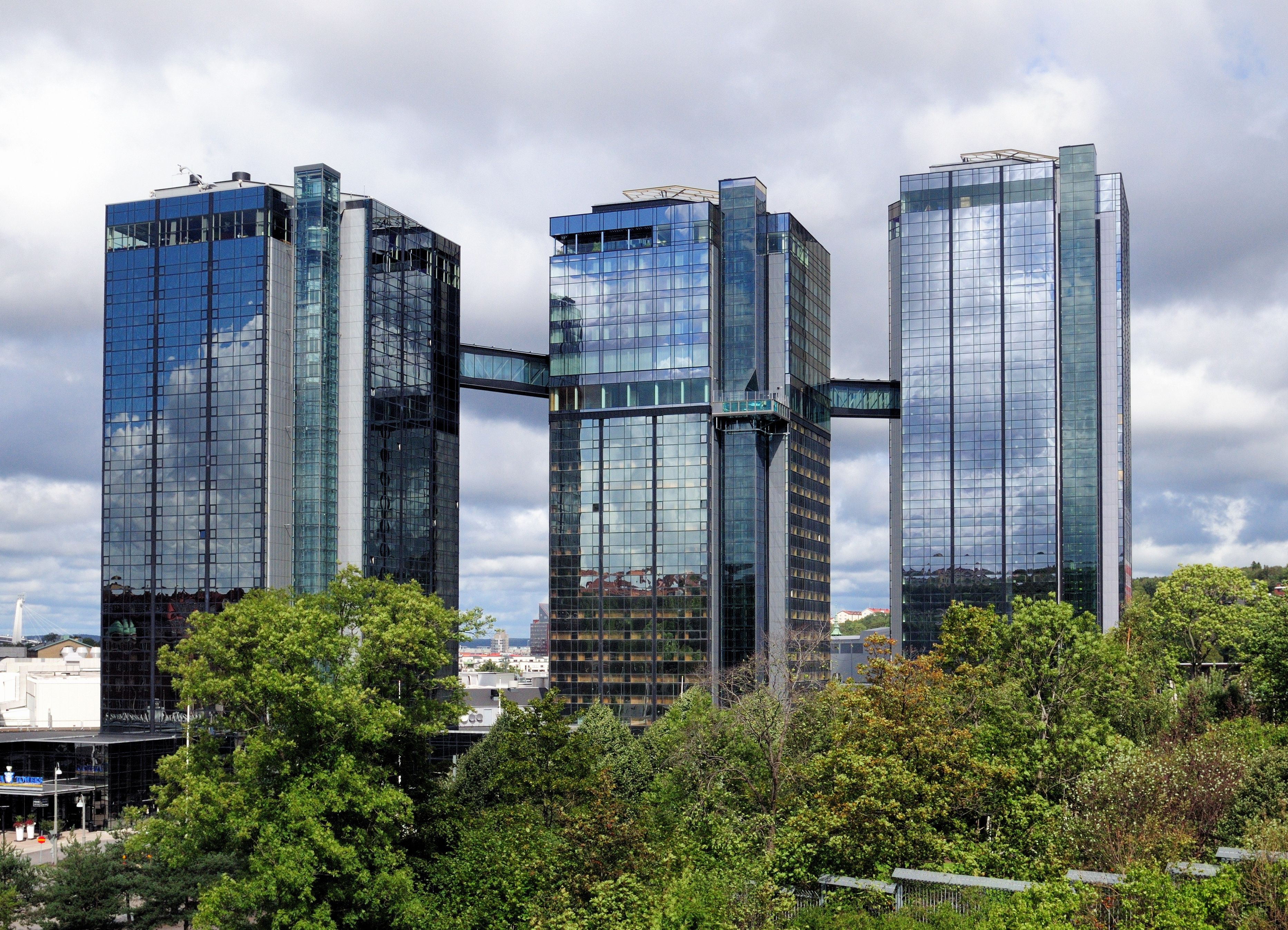
Gothia Towers (Photo Credit: Adobe Stock)
Gothia Towers (Photo Credit: Adobe Stock)
(Photo credit by Gunnar Bengtsson on Unsplash)
(Photo credit by Gunnar Bengtsson on Unsplash)


The ambassador’s tale …


Roger Olofsson Bagge, Professor, Chief Physician, University of Gothenburg, Sahlgrenska University Hospital
When Prof. Roger Olofsson Bagge first floated the idea of bringing the 44th Congress of the European Society of Surgical Oncology (ESSO) to the Nordic region, it was less a formal proposal than a quiet ambition shaped by years of international collaboration.
As a distinguished surgeon working in a specialised field of melanoma treatment and isolated limb perfusion, Bagge had built an international network of colleagues who knew Gothenburg not as a destination city, but as a place where innovation quietly happens.
Winning the bid to host ESSO 2025 was only the beginning. For Bagge, the real task was to show what Sweden had to offer — not by competing with sunnier conference favourites, but by doing things differently. “Sweden is, after all, a small country on the outskirts of Europe,” he said. “So, we need to be a bit better than everyone else in order to stand out.”
He insisted on strong Swedish leadership throughout the scientific programme, encouraged local clinicians to invite their international collaborators, and designed the meeting so that everyone stayed close together, maximising the conversations that matter most.
It was the personal touches that made the congress unforgettable. From Swedish food and music – ABBA tribute band stole the show during the gala dinner - to shared experiences in the archipelago, Bagge used landscape, culture and hospitality to create genuine connection.
The result was a meeting later voted the best ESSO congress ever — not just for its science, but for its warmth, ambition and sense of place. And a legacy of the event. There were many.
But Bagge points to one in particular. “We hired two people as a direct result of this conference,” he said.
Worth a visit
Delegates seeking cultural and leisure experiences will find plenty to explore in Gothenburg:
Universeum
Scandinavia’s largest science centre, where interactive exhibits span everything from the universe to the deep sea. Oh, and there’s also an 18-hectare rainforest to explore.


World of Volvo
A fascinating (no, really!) journey through the history and future of one of Sweden’s most iconic brands, blending heritage with innovation.


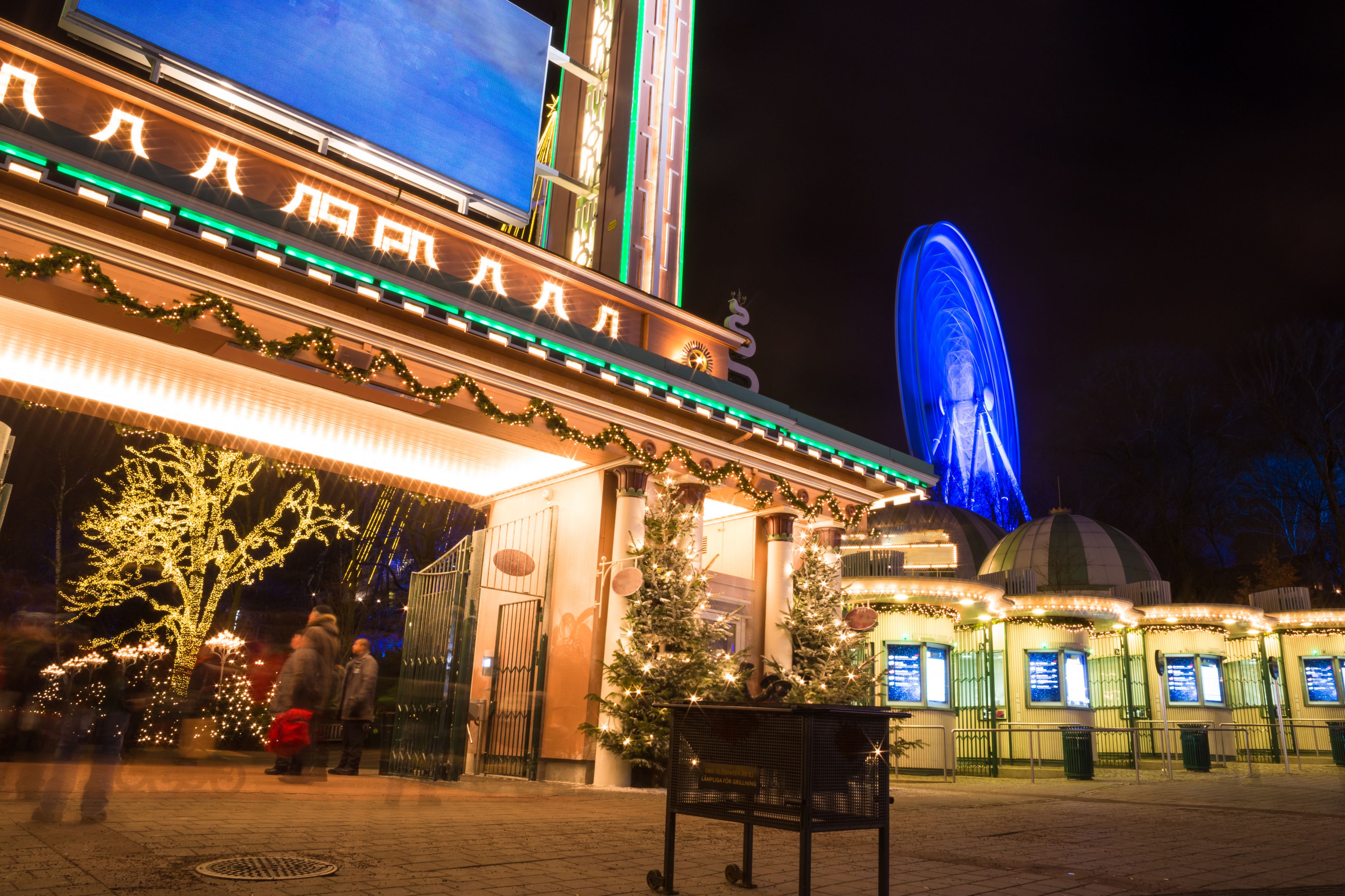
Liseberg Amusement Park
One of Europe’s most beloved fairground parks, offering thrills, gardens and seasonal events that appeal to all ages. All powered by renewable energy.