


A clean sweep
James Lancaster went to Glasgow where innovation, local know-how, and a commitment to sustainable meetings have made the Scottish city a go-to destination for international associations …
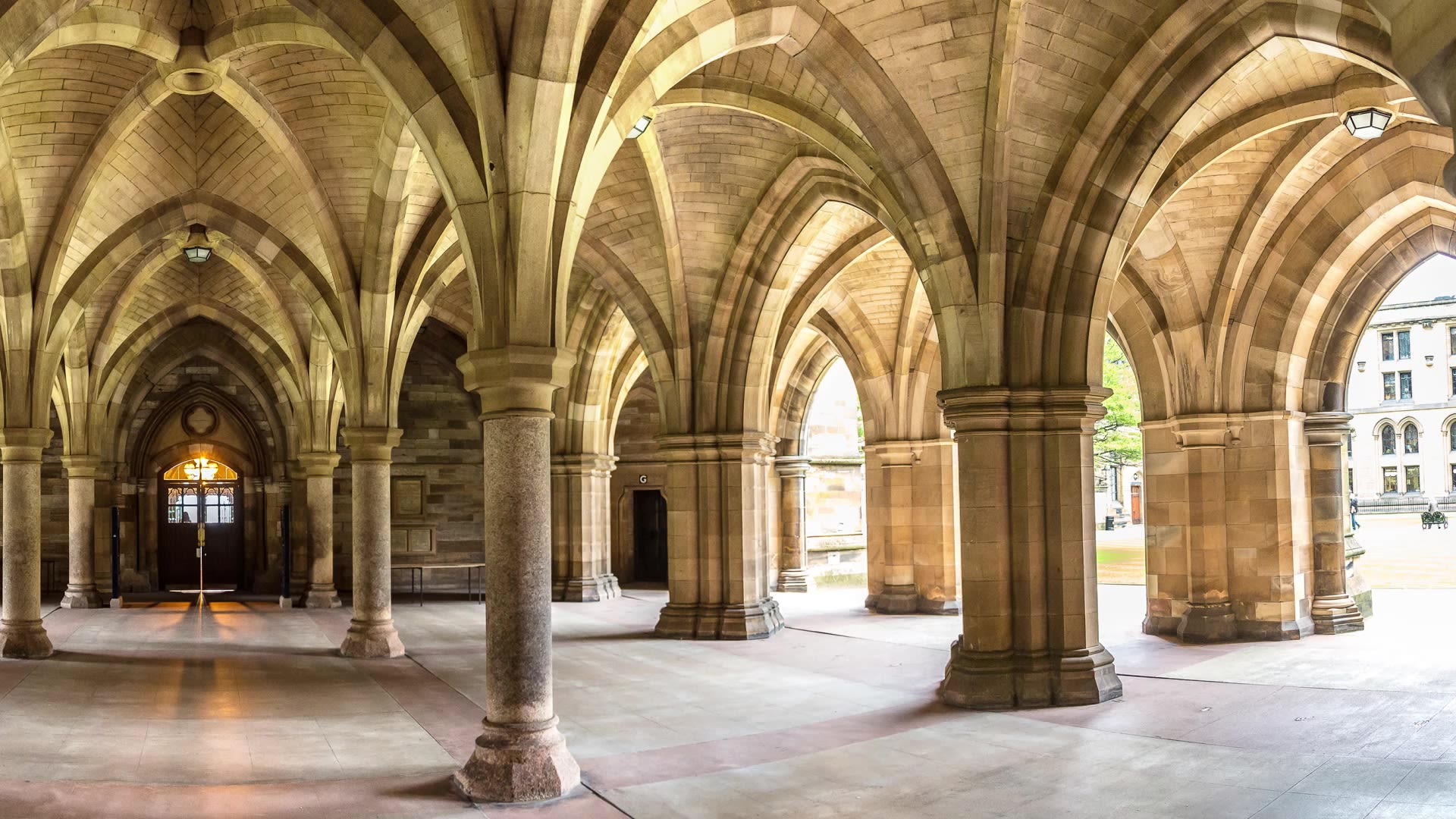

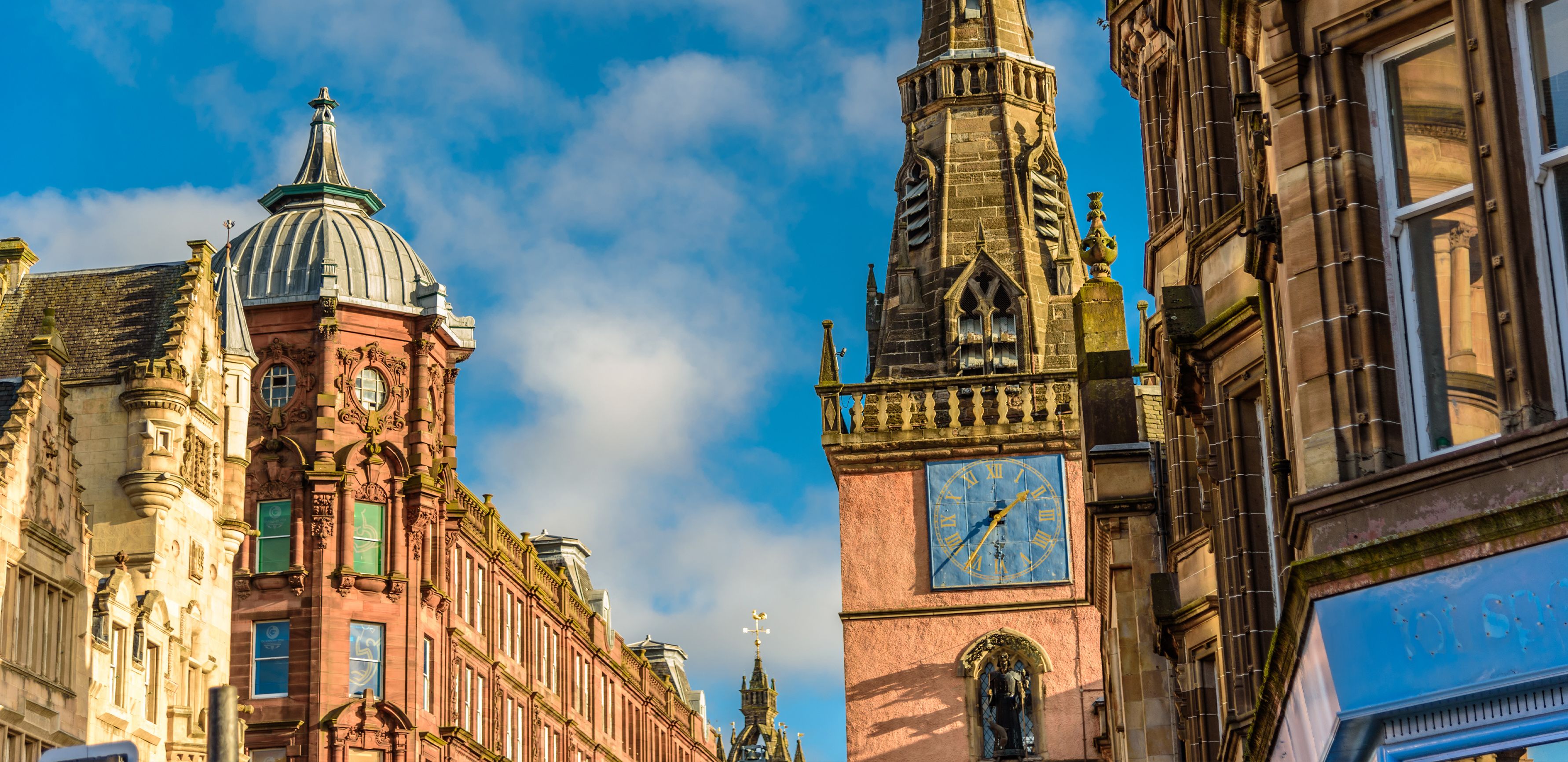
Glaswegians are famous for their self-deprecating sense of humour, but if you detect a touch of cultural cringe in the city’s ubiquitous marketing campaign - People Make Glasgow – you’d be wrong. A legacy of its rich, mercantile past, Glasgow is one of the handsomest cities in the UK - a fact not altered by its proximity to Edinburgh. One moment you’ll be admiring an elegant sweep of Victorian tenements, the next getting lost in a Gothic Revival masterpiece. The City Chambers – standing palatially over George Square – is one of the finest town halls in the UK. And that’s before you discover the legacy of one of its most famous sons, Charles Rennie Mackintosh.
So, there’s all that. But if you’re here for a conference, there’s a good chance you’ll find yourself at the Scottish Events Campus (SEC). You might wonder where you’ve landed when you peel back the curtains in your hotel room, but the edge-of-town vibes soon fade once you get your bearings.
Connected by its own branch line, the campus is only a four-minute commute from the city centre and a short walk from trendy Finnieston, where coffee shops, boutique restaurants, and pubs promising 'live folk music', are ready to welcome delegates looking for a bit of ‘off-schedule’.
SEC is three large venues - the SEC Centre, SEC Armadillo, and the OVO Hydro - occupying 65-acres of reclaimed dockland on the River Clyde. Radisson, Hilton, Marriott, Crowne Plaza and Moxy have properties within walking distance of the main venues, giving the business-end of proceedings an easy, self-contained feeling. For the curious of mind, a giant cantilever crane and an elegant Victorian pumphouse (now a distillery) are visible reminders that the area - formerly Queen's Dock - once played a prominent role in Glasgow’s prosperous shipyard economy.
Today – when Kylie or Iron Maiden aren’t in town – the campus has a calm, orderly atmosphere. Where once the site would have been bustling with dockers manoeuvring steam engines onto merchant ships, now the cogs that turn are of the cerebral type. Engineers, geneticists, computational scientists, gerontologists, endodontists, statisticians – all have met here in recent years to advance their fields of interest. When I am visiting, the SEC Centre is hosting AC Forum – an Austrian-based ‘association for association executives’ - which sounds pretty niche but sums up the shift from heavy industry to knowledge economy rather nicely.
Of course, none of this happened by accident ...

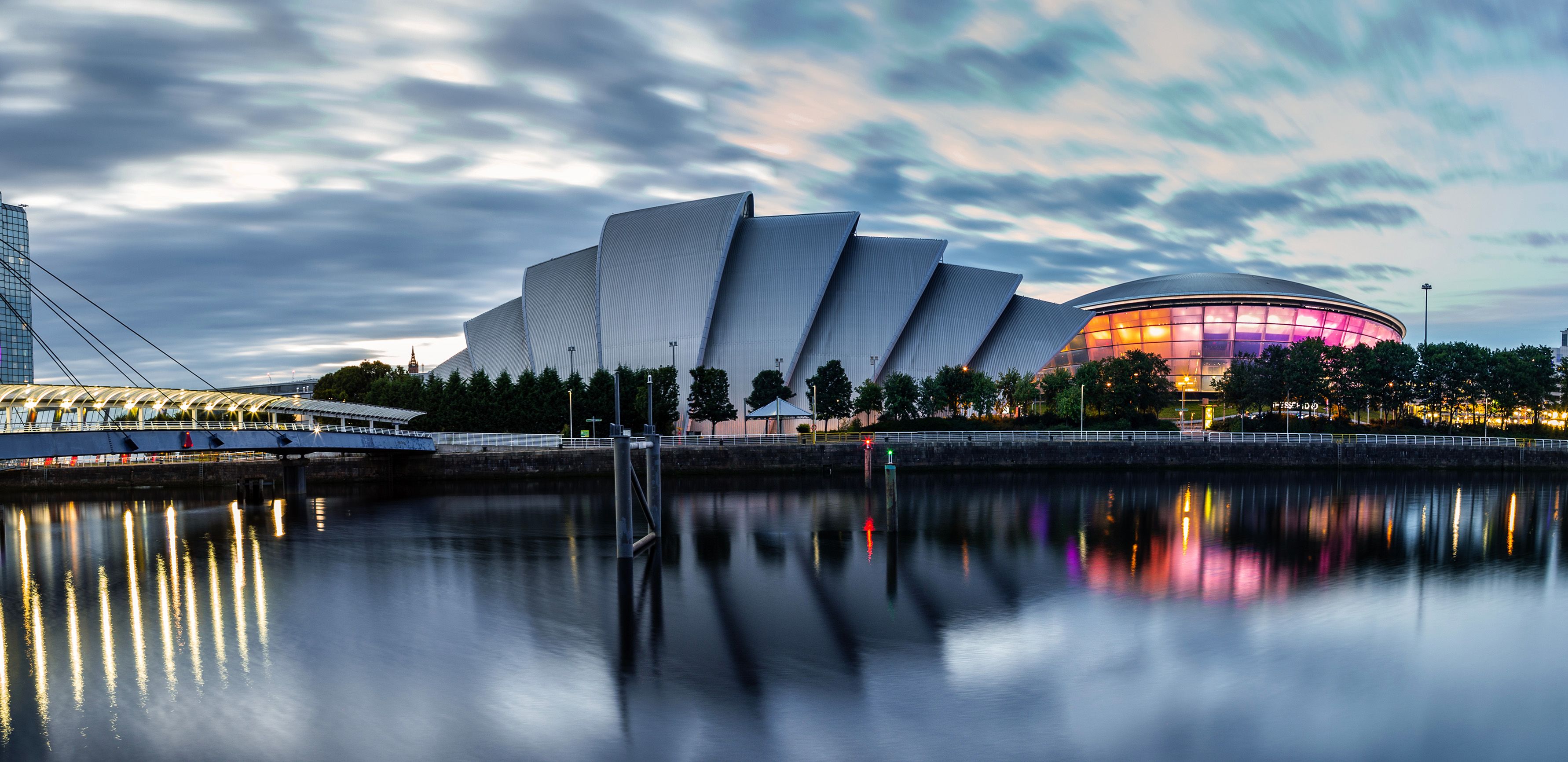
Norman Foster's SEC Armadillo
Norman Foster's SEC Armadillo
Glasgow map
“Glasgow is a friendly city. I like showing it off. And you know, if people come here, and they see what Strathclyde has to offer, it's very important for the prestige of the university ...
Dr James Irvine

For years Glasgow Convention Bureau has been an exemplar of best practice when it comes to attracting international conferences, working closely with academic institutions and business leaders, and the venues themselves, to bid for events that chime with the city’s strengths.
In 1990 it became the first bureau in the UK to launch a conference ambassador programme and in the wake of the financial crash pioneered the Glasgow Model – where, along with SEC (then ‘The SECC’), it fashioned bespoke ‘risk and reward’ partnerships with clients who were nervous about not attracting enough delegates to make their conferences financially viable.
The innovation didn’t stop there. Last year the bureau, in partnership with the Glasgow Science Festival, launched the Glasgow Conference Impact Network, which fosters collaboration with universities, charities, and event organisers to ensure conferences leave a positive legacy.
These ‘impacts’ have included public lectures on the benefits of physical activity, delivered during the European Congress on Sports Science; a "Meet the Expert" session for families during the International Congress of Infant Studies; and a Save the Tooth campaign, which engaged more than 300 commuters with practical tips for dental emergencies.
Aileen Crawford, Head of Tourism and Conventions at the Glasgow Convention Bureau, remarked: "Taking the subject matter of conferences outside the walls of the convention centre and into the community is hugely important to our association clients. The Glasgow Conference Impact Network has brought Team Glasgow together to maximise the positive, long-term impacts of conferences hosted in our city. We’re proud of the legacy we’re building and look forward to continuing this work in 2025."
Where the environment is concerned, conferences can have a negative impact. Here Glasgow – which hosted the UN Climate Change Conference (COP 26) in 2019 - has been ahead of the game, too. In 2016, Glasgow was the first UK city to join the Global Destination Sustainability Index of sustainable tourism and events cities, currently ranking 12th in the world. More recently it launched a Go Greener toolkit to help associations put on more sustainable events.
In the meantime, SEC is focused on meeting its ambitious target to reach net zero emission by 2030 - a feat which will necessitate coming off gas and might involve generating heat from a deep geothermal heat recovery system.
Other conference venues are available, of course. And some have a fantastic pedigree - notably the Technology and Innovation Centre, at the University of Strathclyde. This is a place of learning, which houses a dozen departments working on everything from atoms and beams to photonics to intelligent design, besides a conference centre. The expertise in the building often provides the spur for conferences, with leading academics encouraged to bid for events that can showcase the city’s expertise. The conference facilities are superb, and ideal for associations who typically convene up to 600 people. A tiered auditorium can accommodate 450 delegates, in various configurations, while a smaller theatre will hold 150 people.
And here, too there has been a focus on minimising the impact of meeting.
“We are asking associations to stop and think about what they need," says Gordon Hodge, Head of Conferencing & Events. "Do you need to print abstracts – or can you use an App? Do you need to have giveaways? Do your delegates need another water bottle? Another Tote bag?”
“From our side we have change the way that we serve food. We no longer offer delegates loads and loads of choice. Instead, we have taken control and tell organisers – on this day the menu will look like this. That way you get much less waste. We’re reducing the amount of red meat and making 40 per cent of every menu vegan or gluten-free. In other words, we’re trying to hit as many delegates as possible with these dishes and reduce the number of dietary requirements.”
Glasgow
Glasgow
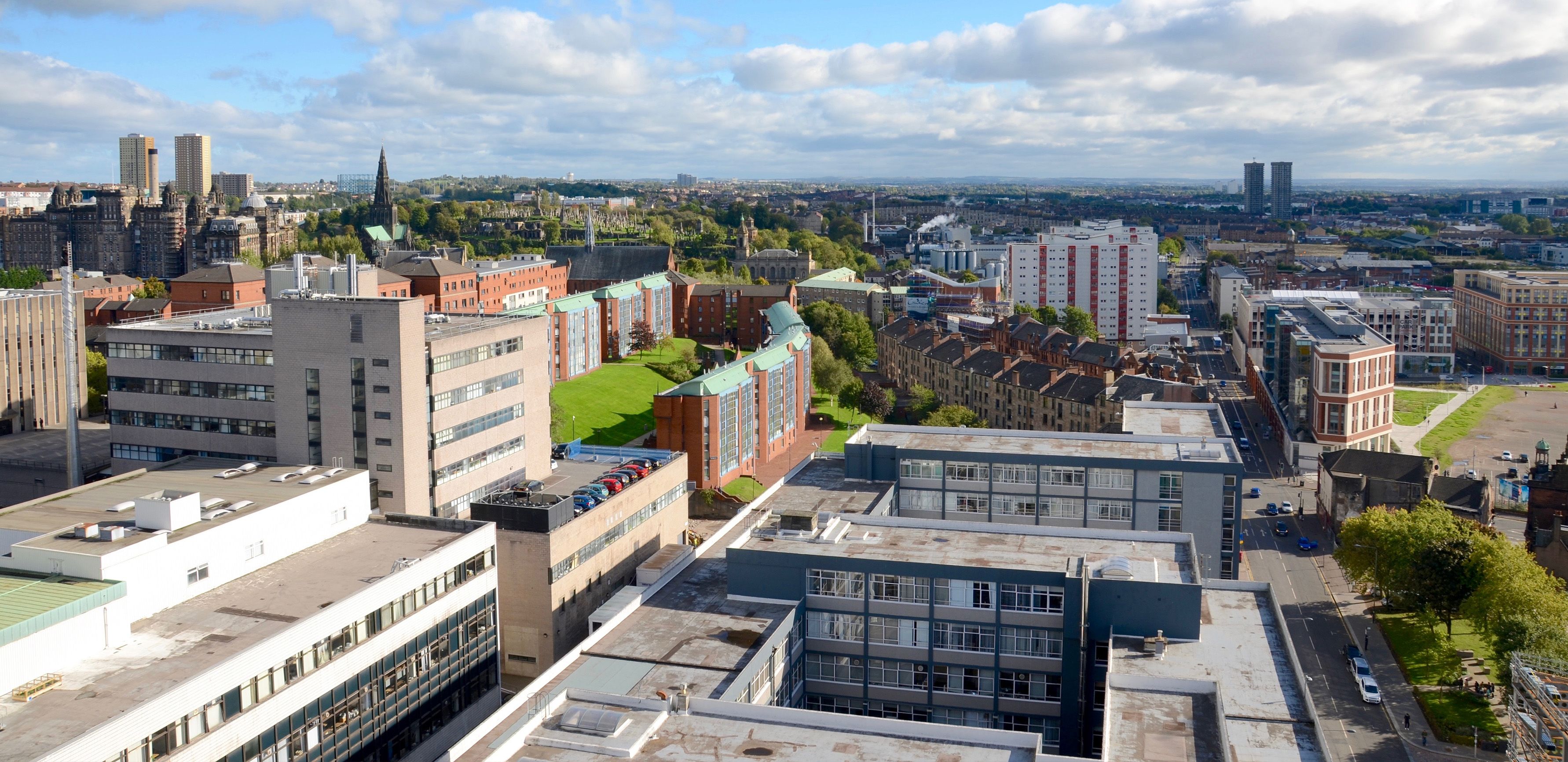
University of Strathclyde
University of Strathclyde

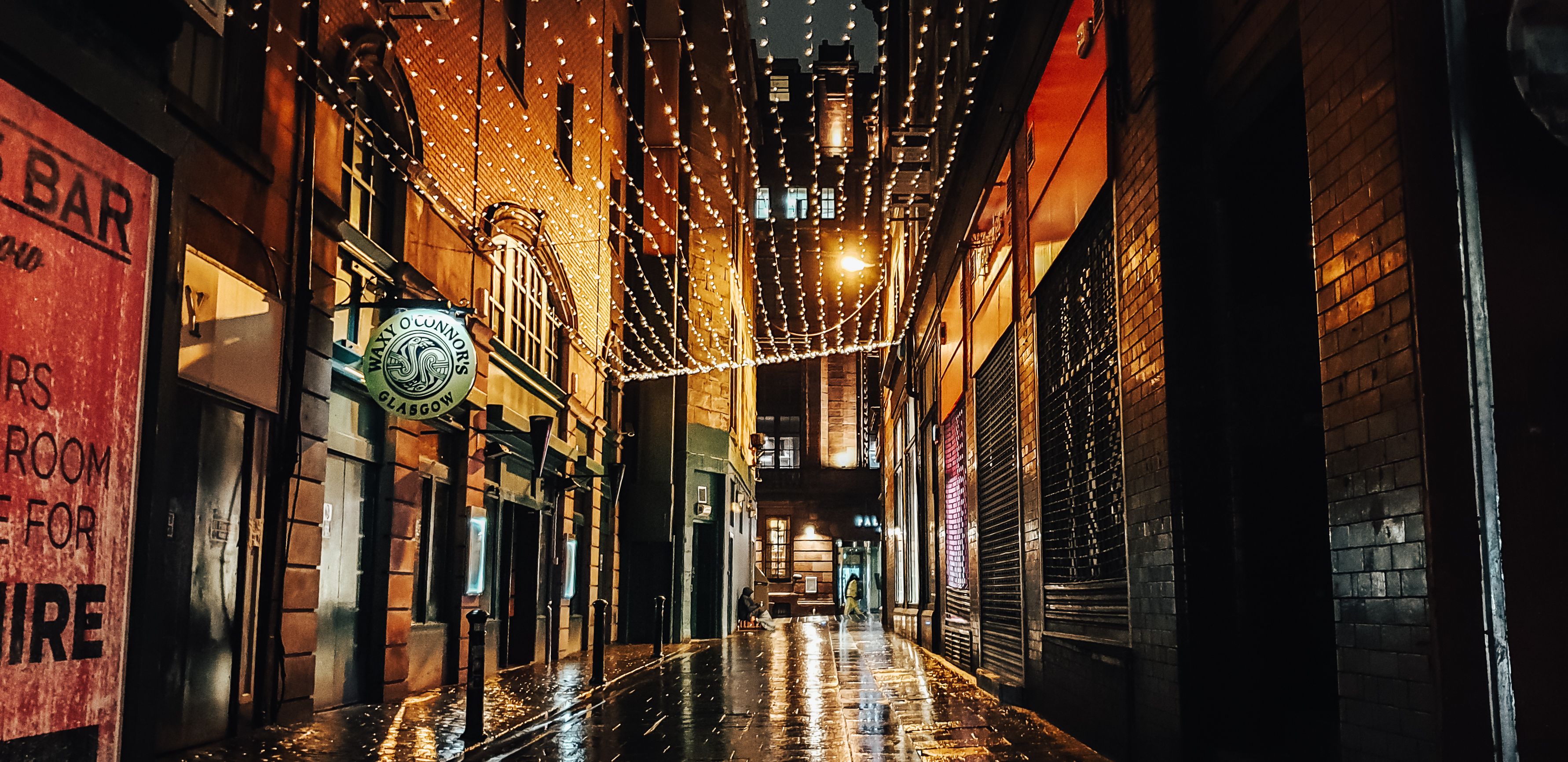
An ambassador’s tale:
One of Glasgow’s leading conference ambassadors is Dr James Irvine, a reader at the University of Strathclyde, where he leads the Mobile Communications Group. He is closely involved with IEEE – the US-based Institute of Electronics and Electrical Engineers, a publisher of technical journals, which organises more than 2,000 conferences every year around the world.
He is also part of the Glasgow Conference Ambassador programme. It was through this role that he eventually became general co-chair of the IEEE VTC2015-Spring conference in Glasgow, which attracted 700 people – a 40 per cent increase on previous VTC conferences, a marker for what would become a flourishing relationship between institute and city.
IEEE has held around 50 conferences in Glasgow over the last almost 40 years – more than any other city in the UK outside London – bringing around 20,000 delegates into the city. The respect is mutual. IEEE has named Glasgow one its five Cities we Love – while the convention bureau has created a bespoke Glasgow IEEE Tartan, blending IEEE colours with Scotland’s flag.
Says Irvine: “When it comes to the bidding stage, the contacts that you have through the convention bureau just make life an awful lot easier. If you have to put a case to the society, to say, ‘Glasgow is a good place to come’, the first question that always comes back is, ‘why is it not Edinburgh’, particularly when you go to the States, Edinburgh is where everybody knows.
“And this is where the convention bureau comes in. They've been enormously helpful in the preparation of background material – on flights, hotels, the number of rooms and so on. All the things that you need to do to give confidence to the sponsoring society that you can make the nuts-and-bolts of a conference – not just the content – actually work.”
“They've been enormously helpful in the preparation of background material – all the things that you need to do to give confidence to the sponsoring society that you can make the nuts-and-bolts of a conference – not just the content – actually work.”
THE KNOWLEDGE
Getting there:
For domestic visitors, Glasgow is well connected by rail, with two stations (Central and Queen’s Street). The former links to most major cities in the UK, including London, Liverpool, Leeds, Birmingham and Manchester etc. Glasgow International Airport has scheduled non-stop passenger flights to over 80 destinations in more than 20 countries. Failing that, Edinburgh Airport is 1hr 30mins by train and less than an hour by road.
Meet and greet:
The Glasgow City Chambers, overlooking George Square, is a stunning 19th century venue designed in the Beaux Arts style. Its cavernous banqueting hall features giant wall paintings, which tell the story of the city – from its early origin myths to the shipyard industry, and were created by artists from the Glasgow School. Boasting more marble than Vatican City, this extraordinary palace-like building is the perfect place to hold a gala dinner or opening reception. For smaller meetings, The Hunterian Museum, at the University of Glasgow, makes an interesting alternative for a drinks reception, with a range of fascinating exhibits on show. The venue holds a maximum of 250 guests - and because of the nature of the setting red wine is not permitted!
Accommodation:
As mentioned, if you’re meeting at SECC, a range of hotel chains have you covered. Across the city there are around 90 hotels, including 44 chains, mainly concentrated within a 10-min walk of the city centre.
Watch this space
The SEC Centre has ample exhibition and conference space, but the oldest building of the three (it turned forty this year) has been earmarked for an £80m expansion, which would effectively double the size of the venue and allow two large conferences to be held simultaneously. Agreed in principle by the city council, the project needs government funding to come to fruition.
A multi-million-pound restoration of Collectors Hall will form part of the 240+ room AC Hotel by Marriott Glasgow, on George Street, adding a new dimension to the four-star hotel. Housed within the historic former Parish Halls building it will offer a versatile space accommodating 120 seated guests and 200 standing. Designed to host a diverse range of events – including weddings, charity galas, exhibitions, product launches, and private dining experiences – it will introduce an exclusive new destination for both local and international clientele.
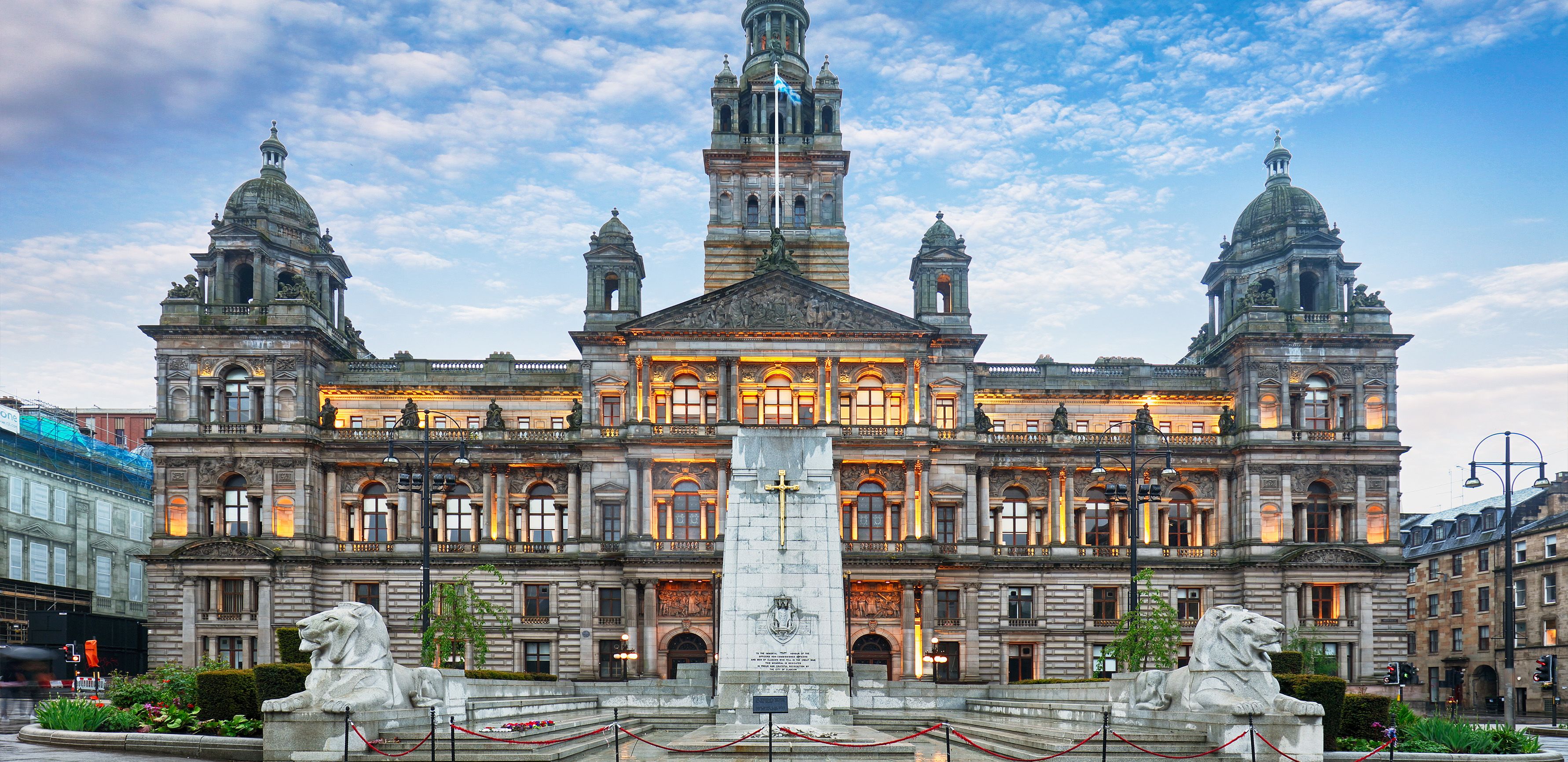
Glasgow City Chambers
Glasgow City Chambers
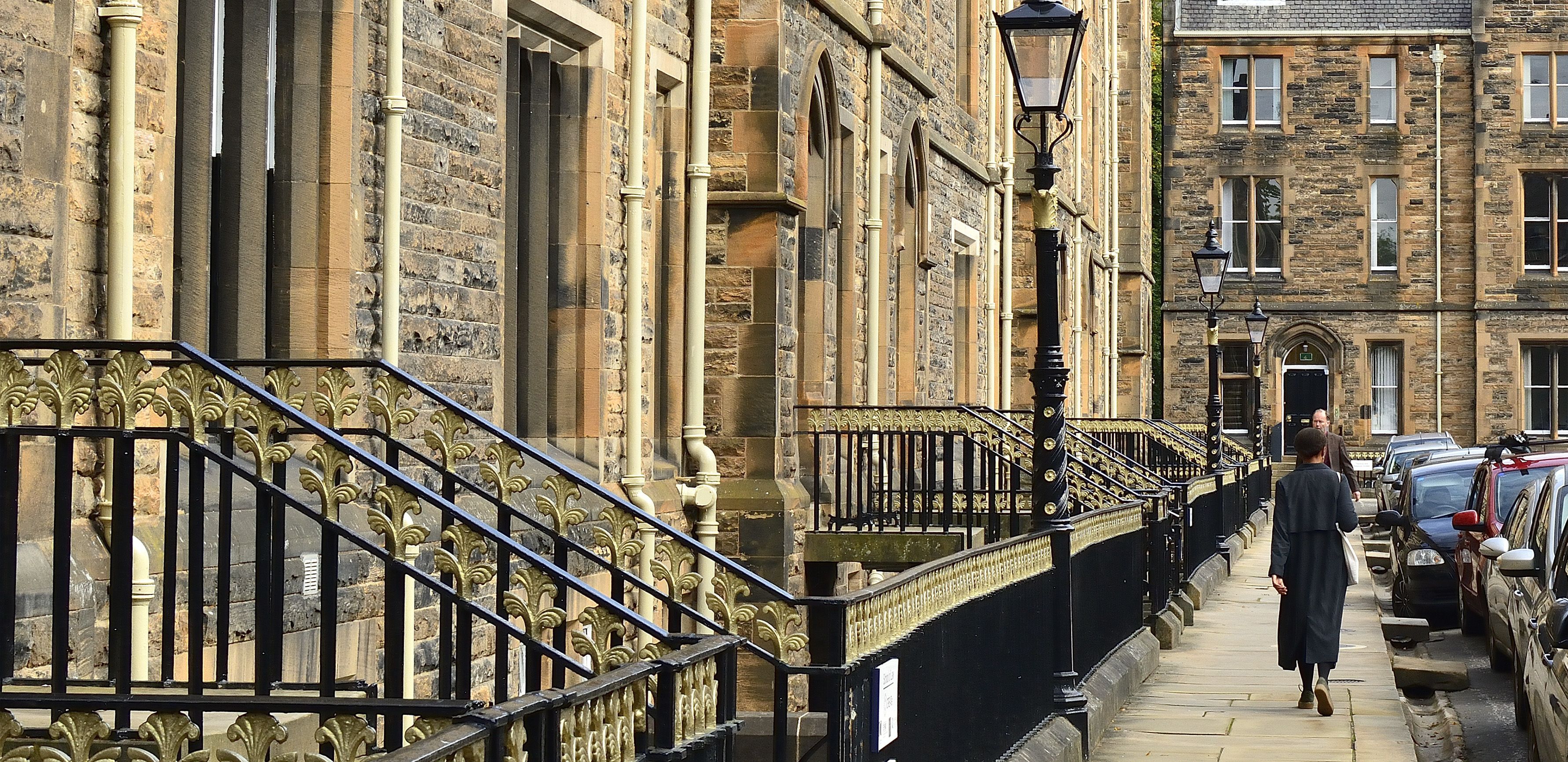
Glasgow's grand tenements
Glasgow's grand tenements


 Built with Shorthand