


Mesmerising Ghent
James Lancaster discovers a city steeped in history and buzzing with life…
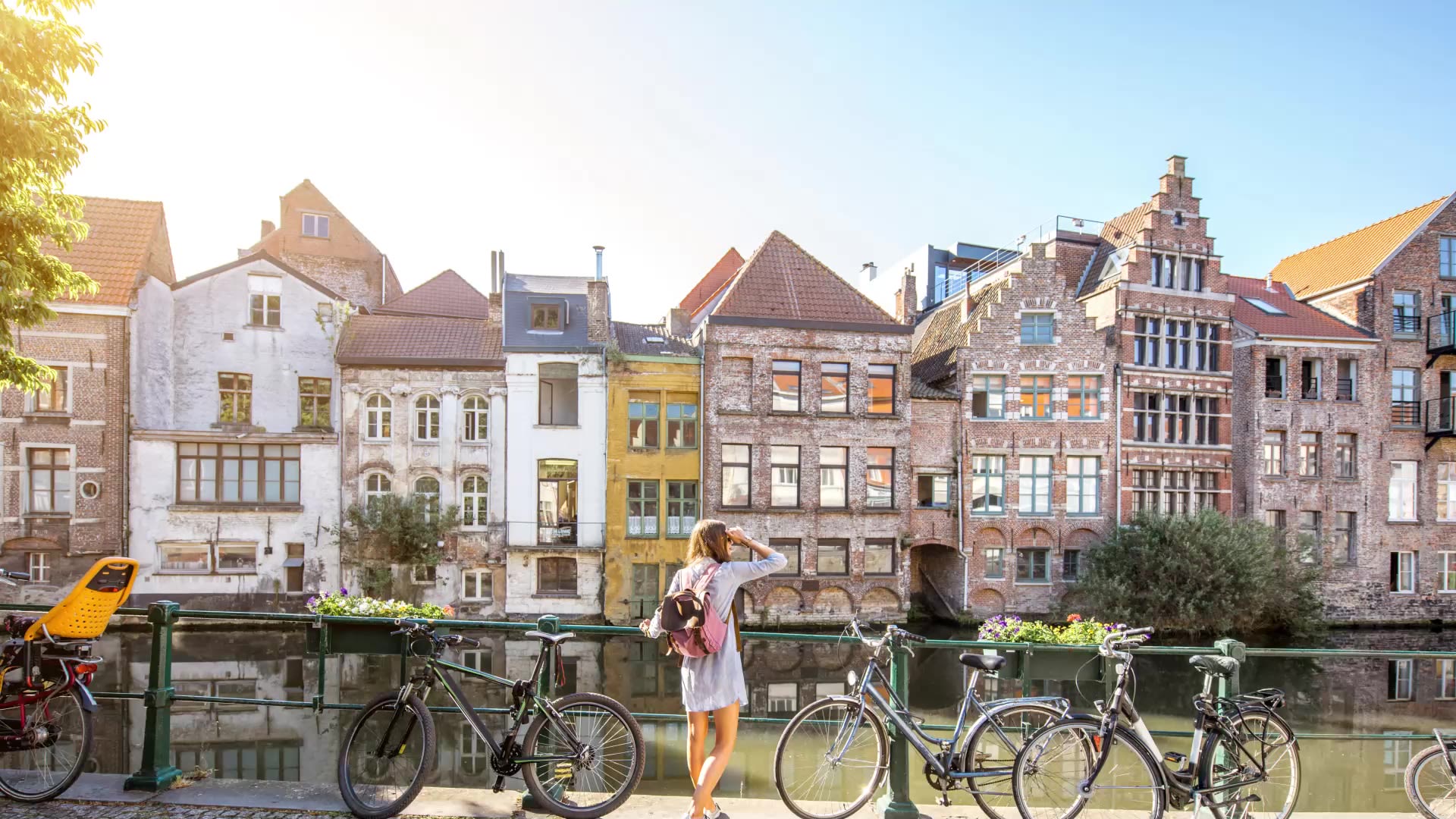
What to make of Ghent?
If you want to get a sense of how one of the most important cities in medieval Europe has become one of its most vibrant and cosmopolitan, a boat trip through the city centre is a good place to start.
Chugging along its canalised rivers, you’ll pass a 10th century moated castle (The Castle of the Counts) and a daringly modernistic library (De Krook) whose striking horizontal layers are meant to represent a pile of books. The latter has split the locals. I rather liked it.
This is the thrilling tension running through the city. A reverent respect for the past – Ghent is one of Europe’s most beautifully preserved cities – mixed with a thirst for the new.
The Flemish city is home to 74,000 students who are served by countless trendy eateries and bars and a thriving arts and music scene. In 2009 it was designated ‘Creative City of Music’ by UNESCO in recognition of its internationally recognised music festivals.
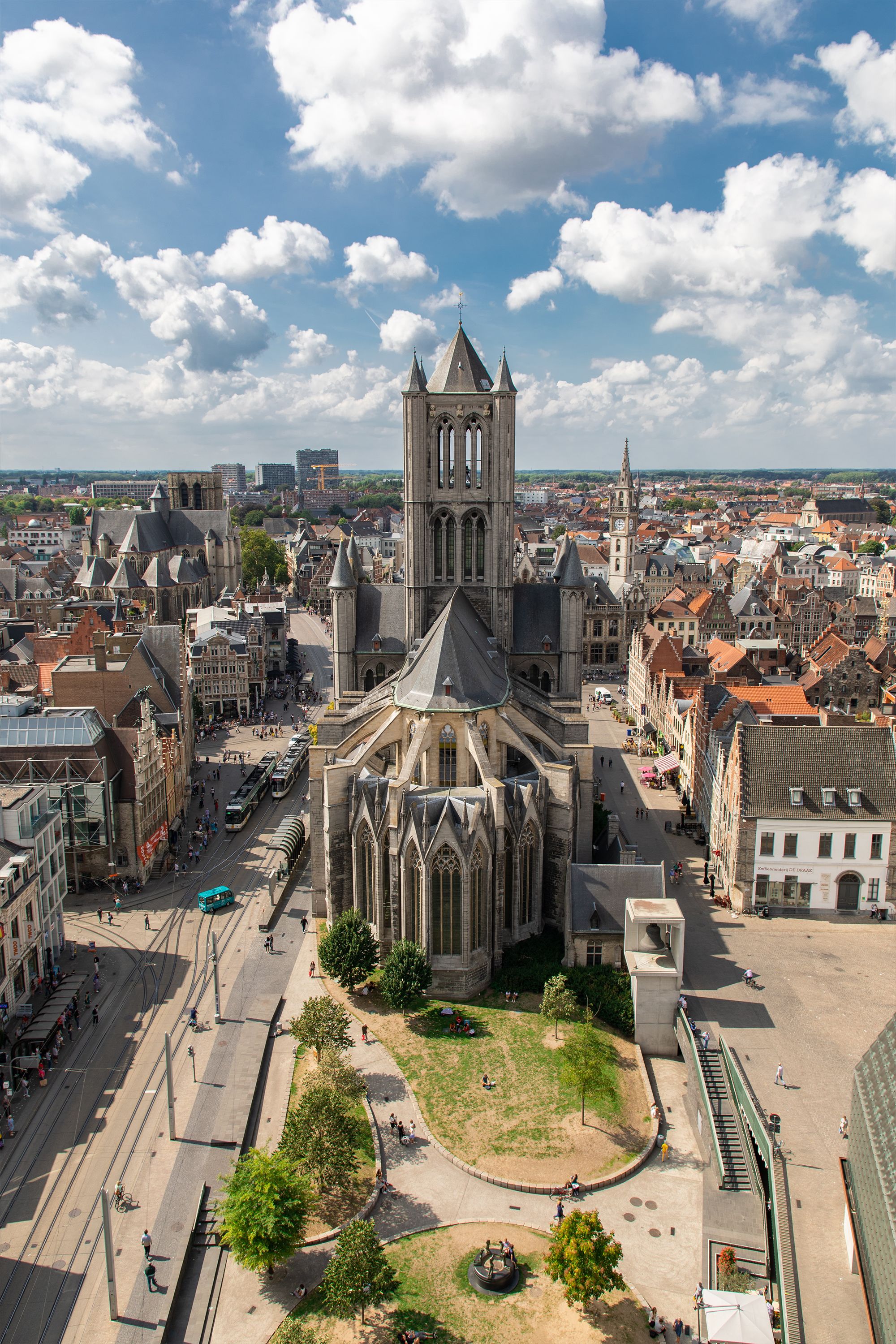
The creative lineage runs deep: Saint Bavo’s Cathedral is home to the world-famous Adoration of the Mystic Lamb painting by the Van Eyck brothers. And while the Municipal Museum of Contemporary Arts (S.M.A.K) might be the cooler place to hang out, the Museum of Fine Arts has masterpieces dating back to the early middle ages.

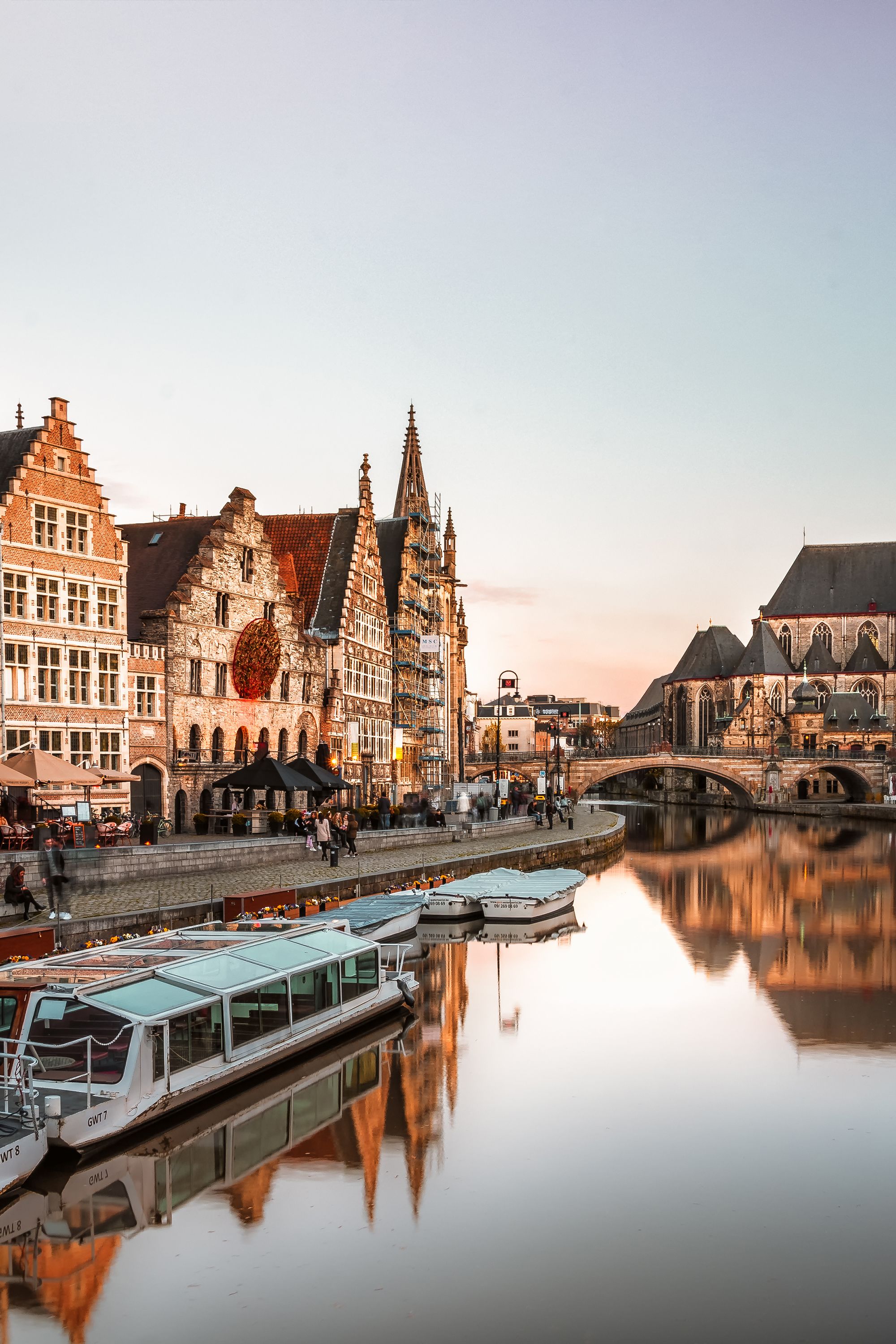
Beautiful view of Ghent old historical town in Belgium, (Photo Credit: Evgeni Fabisuk)
Library and Tower (Pic credit: Eli Franssens)
Belgium’s third largest city (behind Brussels and Antwerp) has attracted hundreds of international association meetings over the years and sits just inside the Top 50 in the ICCA Rankings. This year it has hosted conferences on subjects ranging from mental health to psycholinguistics, organic chemistry to Japanese studies, wind energy to arthritis.
How delegates get around has become an important sticking point for organisers with sustainability front of mind, and here Ghent excels. Home to western europe’s largest car-free zone, Ghent’s historic centre can be easily traversed on foot. For those with mobility issues, Ghent’s public transport is well organised, with a wide network of trams and buses that will take you to where you want to go from early in the morning until late in the evening: for free if you have a CityCard. Or there always a boat to hop on.
Increasingly organisers are looking to tap into local knowledge hubs, to find speakers or add value to the conference programme. Ghent is home to two Top-100 universities (Ghent University (UGent) plus two faculties of KU Leuven) and an array of educational establishments, institutes, and business schools. The arts are a key strength along with engineering and technology. Research-based companies like Ablynx, Innogenetics, Cropdesign, and Bayer Cropscience, have also made Ghent their home.
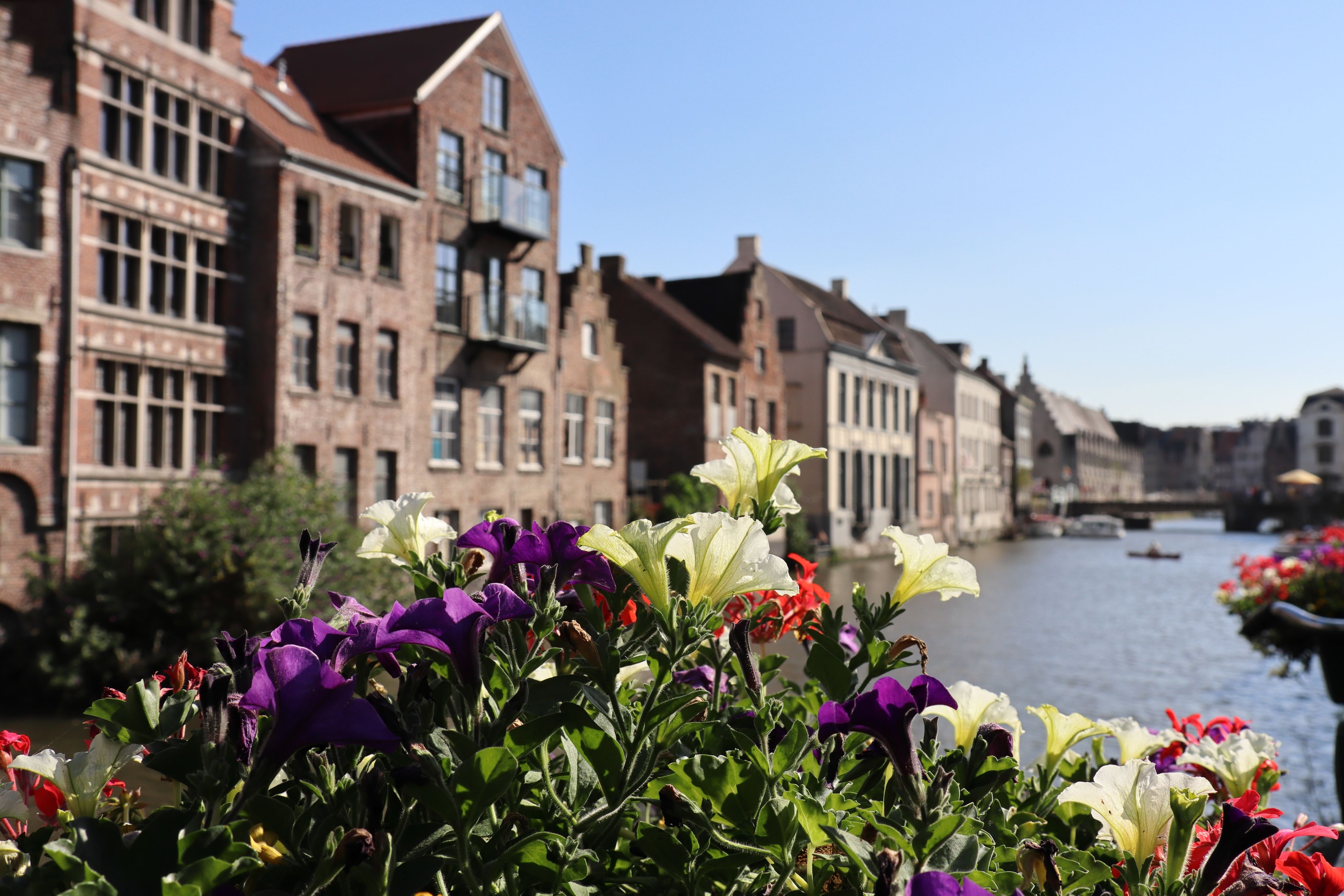
The city’s tourism leaders describe Ghent as a ‘city with tourists, not a tourist city’ and even in the middle of summer this feels like an apt description. Unlike some European cities, visitors have not become a bête noire for residents. In fact, in a recent survey by Congress Ghent, only two per cent of those polled said they would favour less business tourism, while 87 per cent said they ‘liked to help tourists.’ Perhaps it’s time to take them up on the offer.
"The city’s tourism leaders describe Ghent as a ‘city with tourists, not a tourist city’"

Where to meet
Ghent’s 1970s brutalist congress centre, the ICC, is set for a major renovation, which will turn it into a more accessible ‘Urban Green House’, which opens out to the surrounding Citadel Park, and is used by residents and visitors, as well as conference goers.
Thagaste Augustinian Monastery
This 13th century monastery has played host to numerous academic and scientific association meetings over the years, as well as gala dinners and receptions. The atmospheric venue, where monks still live and work, has large and medium-sized rooms for events for up to 450 people, smaller meeting rooms, a lovely courtyard and a wonderfully musty library that will take you back in time.
Another impeccably preserved building dating back to the 13th century, but this time with sympathetic contemporary additions. Now a music centre with sophisticated acoustics and AV, its historic rooms -including the 13th- century hospital that now serves as concert hall, the 16th-century Kraakhuis, the Anatomical Institute - and the impressive modern foyers will leave a lasting impression on your delegates. The venue is a short stroll from the River Lys (Leie) and can host 1,345 participants.
More places to meet: https://visit.gent.be/en/gentcongres/venue-finder
Getting there
Striking distance on the train from either Brussels Airport (45mins), Ghent’s central European destination makes it easy to get to overland. The city is a 2hr 50-min train journey from London. 2hrs 20mins from Paris Charles De Gaulle, and 2hrs 20 mins from Amsterdam Schiphol.
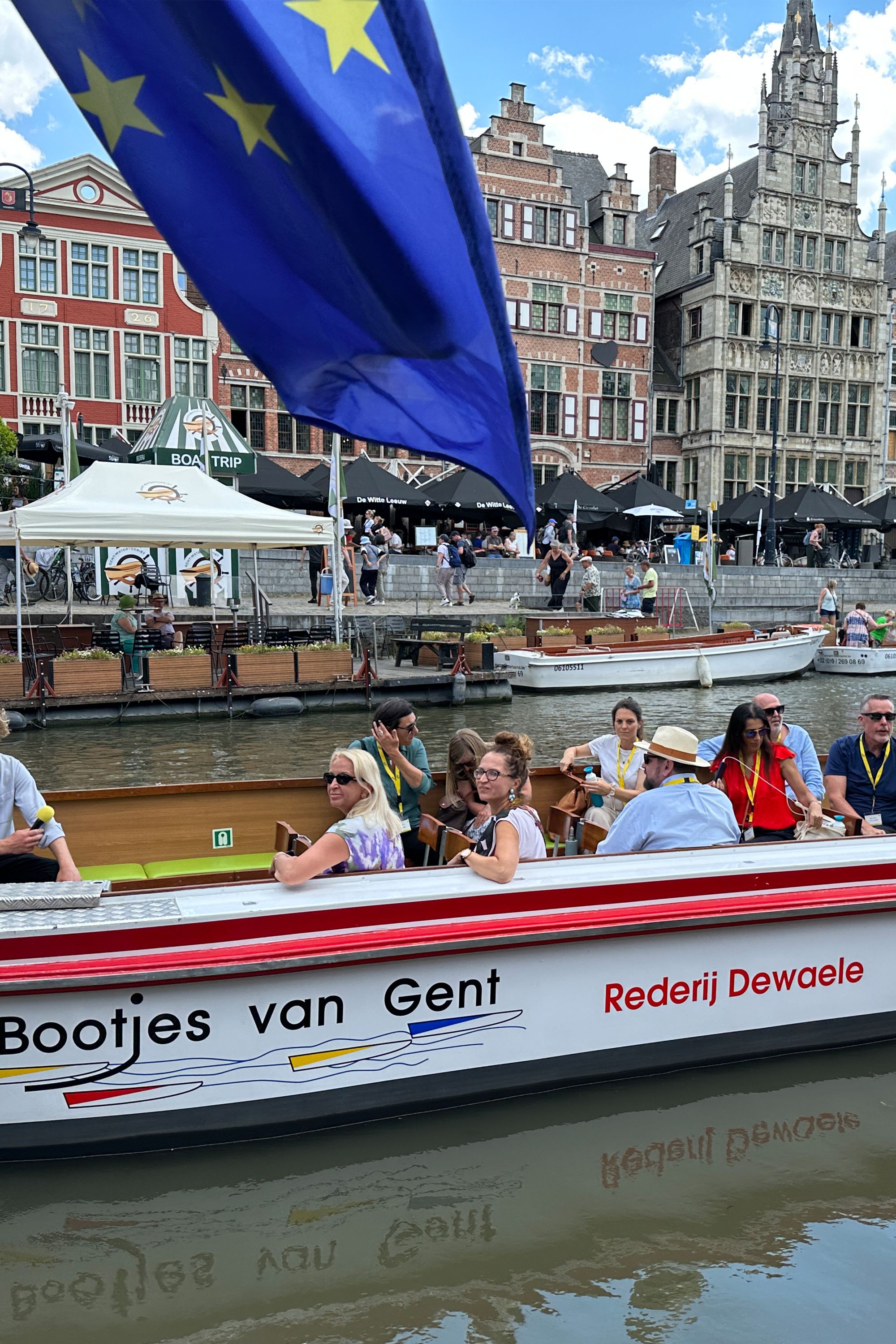
Boat Trip
Boat Trip
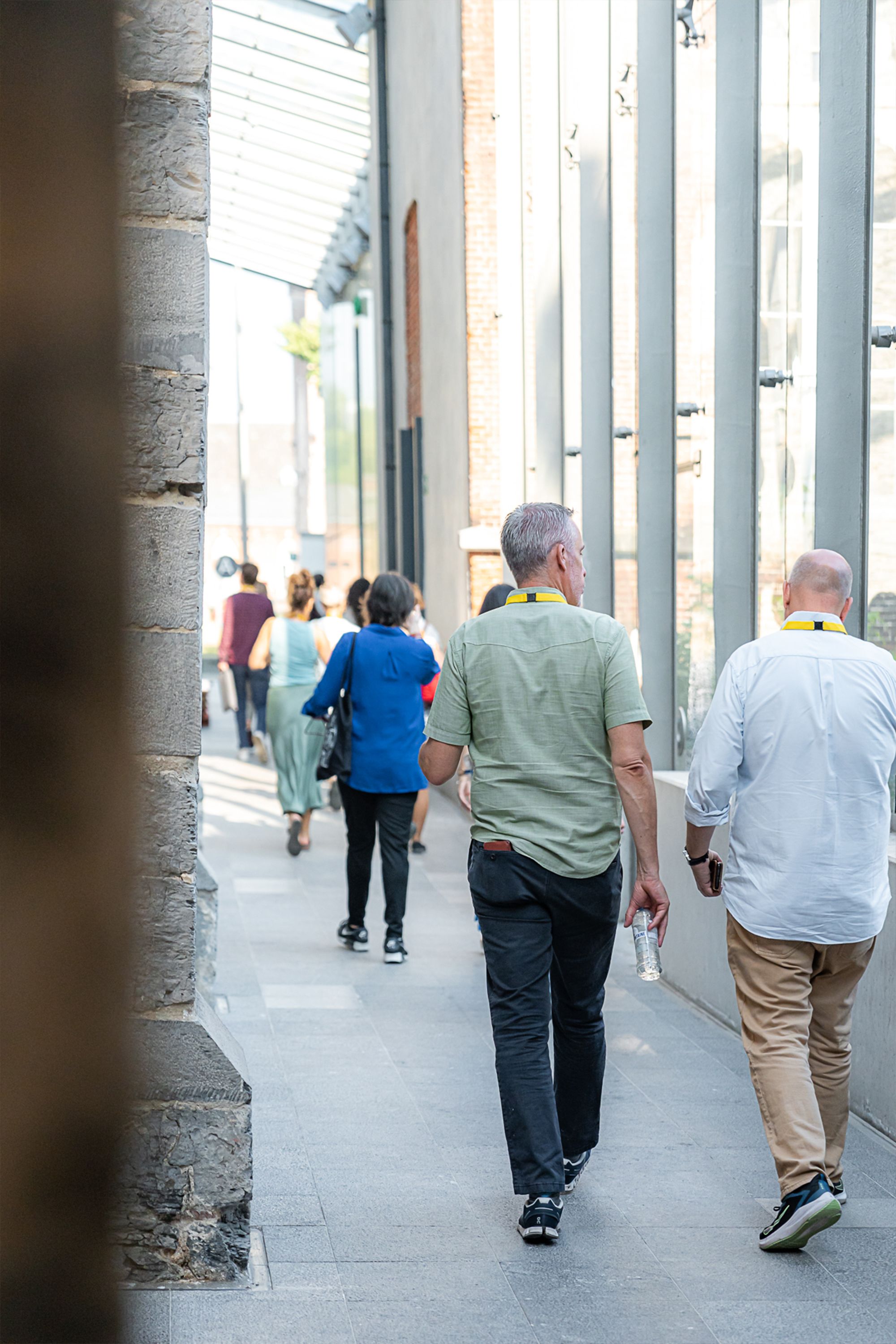
bijloke
bijloke


 Built with Shorthand